Dogs with persistent scratching, redness, or flaky skin often suffer from food sensitivities or environmental allergies that manifest through their coat and skin. While veterinary treatment is essential for diagnosis, one of the most effective long-term solutions begins at the bowl: switching to a hypoallergenic dog food. Unlike over-the-counter remedies or temporary symptom suppression, selecting the right diet targets the root cause—immune system triggers hidden in everyday ingredients. This guide walks you through science-backed strategies for identifying allergens, evaluating commercial options, and transitioning your pet to a diet that supports lasting skin health.
Understanding Canine Food Allergies and Skin Reactions
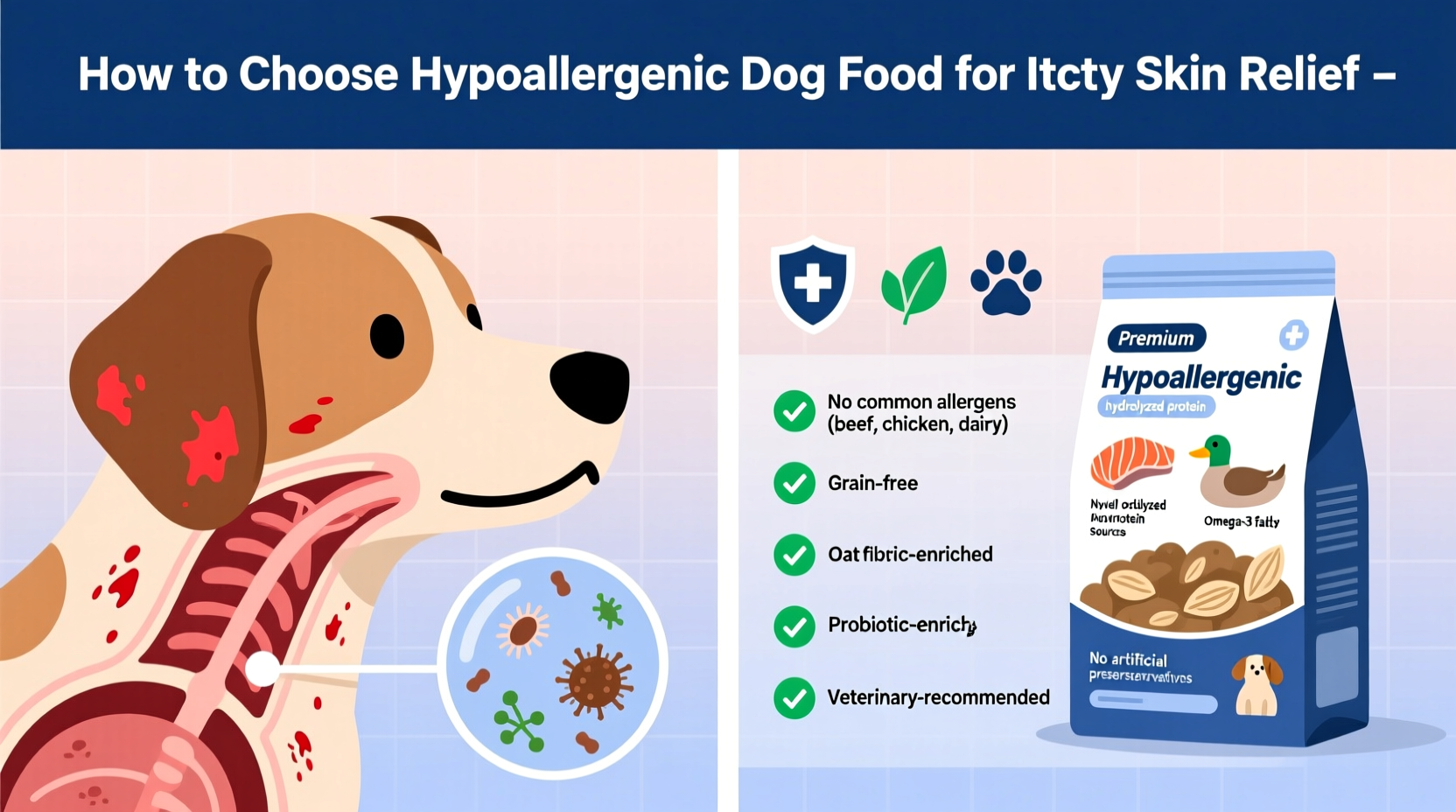
Itchy skin in dogs isn’t always due to fleas or dry weather. In fact, up to 10–15% of allergic dogs have adverse reactions to specific proteins or carbohydrates in their food. These aren't true \"allergies\" in the traditional sense but rather hypersensitivity responses where the immune system misidentifies certain dietary components as threats. The result? Chronic inflammation that shows up as pruritus (itching), ear infections, paw licking, or gastrointestinal upset.
Common culprits include beef, dairy, chicken, eggs, wheat, soy, and corn—ingredients found in many mainstream kibble brands. What makes this challenging is that symptoms can take weeks or months to appear after exposure, making it difficult for owners to pinpoint triggers without structured elimination.
“Food-responsive dermatitis is more common than we used to think. A proper elimination diet remains the gold standard for diagnosis.” — Dr. Laura Bennett, DVM, Board-Certified Veterinary Dermatologist
The connection between gut health and skin condition is well-documented. An imbalanced microbiome can increase intestinal permeability (“leaky gut”), allowing undigested proteins into the bloodstream and triggering systemic inflammation. By choosing a hypoallergenic formula, you reduce antigenic load and support both digestive and dermal recovery.
Key Features of Effective Hypoallergenic Dog Foods
Not all dog foods labeled “hypoallergenic” are created equal. Marketing terms like “natural,” “grain-free,” or “sensitive skin formula” don’t guarantee safety for allergic pets. To truly benefit dogs with itchy skin, a food must meet strict criteria focused on ingredient purity, protein source novelty, and formulation integrity.
Novel Protein Sources
A novel protein is one your dog has never consumed before. Since allergies develop through repeated exposure, introducing an unfamiliar animal or plant-based protein reduces the chance of an immune response. Examples include:
- Venison
- Bison
- Kangaroo
- Duck
- Salmon (if not previously fed)
- Insect-based proteins (e.g., black soldier fly larvae)
Hydrolyzed Proteins
Some therapeutic diets use hydrolyzed proteins—broken down into microscopic fragments so the immune system doesn’t recognize them as allergens. These are highly effective but typically require a prescription. Brands like Hill’s z/d or Royal Canin Hydrolyzed Protein fall into this category.
Single-Carbohydrate Source
Just like proteins, carbohydrates such as rice, potatoes, or peas can trigger sensitivities. Choose formulas with one easily digestible carb source, preferably something non-grain if your dog reacts to gluten-like compounds. Sweet potato and tapioca are common choices in limited-ingredient diets.
No Fillers or Artificial Additives
Avoid foods containing artificial colors, flavors, or preservatives like BHA/BHT. These may not be primary allergens but can exacerbate inflammation in sensitive animals. Look for clean labels with minimal, recognizable ingredients.
Tip: Read ingredient lists backward—the first five items make up the bulk of the food. If chicken meal, corn, and soy are among them, it's likely unsuitable for allergy-prone dogs.Step-by-Step Guide to Transitioning to Hypoallergenic Food
Switching your dog’s diet requires patience and precision. A rushed transition can worsen GI symptoms and confuse diagnostic efforts. Follow this timeline to ensure success:
- Week 1: Eliminate all treats, chews, and table scraps. Even flavored medications or dental chews can sabotage an elimination trial. Use only plain pumpkin or unflavored gelatin cubes if needed.
- Week 2: Begin the new food at 25% mixed with current food. Monitor for vomiting, diarrhea, or increased itching. If issues arise, slow down the transition.
- Week 3: Increase to 50% new food. Continue observing stool quality and behavior. Note any changes in scratching frequency or skin redness.
- Week 4: Move to 75% new food. Most dogs adapt well by now. Maintain consistency—don’t switch flavors or brands mid-trial.
- Week 5–8: Feed 100% hypoallergenic diet. This is when real improvements should emerge. It takes about 6–8 weeks for skin cells to renew and inflammation to subside.
- Week 9+: Reintroduce old foods one at a time (optional). If symptoms resolve, you may test previous ingredients under veterinary supervision to identify specific triggers.
This methodical approach isolates variables and increases confidence in results. Never skip straight to full replacement—your dog’s digestive tract needs time to adjust enzyme production and microbial balance.
Comparison Table: Commercial vs. Prescription Hypoallergenic Diets
| Feature | Over-the-Counter Limited Ingredient Diets | Prescription Hydrolyzed/Novel Protein Diets |
|---|---|---|
| Protein Type | Novel (e.g., duck, venison) | Hydrolyzed or novel, vet-formulated |
| Available Without Prescription | Yes | No |
| Cross-Contamination Risk | Moderate to high (shared manufacturing lines) | Very low (dedicated facilities) |
| Cost (per pound) | $2.50–$4.00 | $5.00–$8.00 |
| Efficacy in Severe Cases | Variable; good for mild sensitivities | High; clinically proven for diagnosed allergies |
| Examples | Nature’s Variety Instinct Limited Ingredient, Wellness Simple Line | Hill’s z/d, Royal Canin Hypoallergenic, Purina HA |
While OTC options are more accessible, they carry higher risks of hidden allergens due to shared processing equipment. For dogs with severe, chronic itching, prescription diets offer superior control and reliability.
Mini Case Study: Max, the Golden Retriever with Year-Round Itching
Max, a 4-year-old Golden Retriever, had been treated repeatedly for “seasonal allergies” with antihistamines and steroid injections. His owner reported constant paw licking, face rubbing, and recurring ear infections despite flea prevention and medicated shampoos. Blood tests showed elevated IgE levels to multiple environmental allergens, but symptoms persisted even during winter months when pollen was low.
After consultation with a veterinary dermatologist, Max began an 8-week elimination diet using a prescription hydrolyzed protein food. All treats, bones, and flavored toothpaste were discontinued. Within three weeks, his scratching decreased significantly. By week six, his coat regained shine, and ear discharge resolved. A challenge phase confirmed sensitivity to chicken and wheat—ingredients present in his previous premium kibble.
Today, Max eats a stable hypoallergenic diet and only requires occasional omega-3 supplementation. His case underscores the importance of ruling out food triggers—even in dogs suspected of having environmental allergies.
Checklist: How to Evaluate a Hypoallergenic Dog Food
Before purchasing any hypoallergenic product, verify these critical points:
- ✅ Contains a single, novel protein source your dog hasn’t eaten before
- ✅ Uses one simple carbohydrate (e.g., potato, pea, tapioca)
- ✅ Free from common allergens: no beef, dairy, chicken, egg, corn, wheat, or soy
- ✅ No artificial additives, dyes, or preservatives
- ✅ Manufactured in a facility that avoids cross-contamination (ask the company)
- ✅ Backed by AAFCO nutritional adequacy statement for life stage
- ✅ Recommended or approved by your veterinarian
If a brand cannot provide documentation on sourcing or manufacturing practices, consider it a red flag. Transparency matters when managing medical conditions.
Frequently Asked Questions
Can grain-free food help with itchy skin?
Grain-free diets remove wheat, corn, and soy, which are known allergens for some dogs. However, replacing grains with legumes like peas or lentils may introduce new sensitivities. Grain-free does not automatically mean hypoallergenic. Focus on protein sources first—many dogs tolerate grains but react to animal proteins.
How long does it take for hypoallergenic food to stop itching?
Skin improvement typically appears within 4–6 weeks, but full resolution may take 8–12 weeks. Consistency is key: even a single treat containing an allergen can reset progress. Do not expect immediate results; healing takes time.
Is homemade hypoallergenic food safe?
Homemade diets can work but must be nutritionally balanced. Feeding only turkey and sweet potato, for example, lacks essential fatty acids, vitamins, and minerals. Consult a veterinary nutritionist to formulate a complete recipe tailored to your dog’s needs. Otherwise, deficiencies may worsen skin health over time.
Final Tips for Long-Term Success
Choosing the right hypoallergenic food is just the beginning. Sustained relief depends on vigilance, monitoring, and collaboration with your vet. Keep a symptom journal tracking itching episodes, bowel movements, and coat condition throughout the transition. Pair the diet with omega-3 fatty acid supplements (EPA/DHA) to further reduce inflammation. Avoid scented grooming products and wash bedding weekly in fragrance-free detergent.
Tip: Freeze small portions of the new food in ice cube trays for easy daily serving and freshness control.Remember, every dog is unique. What works for one may not suit another. Be prepared to try two or three different formulations before finding the ideal match. Patience pays off—not just in reduced scratching, but in improved energy, digestion, and overall vitality.
Conclusion: Take Control of Your Dog’s Skin Health Today
Itchy skin doesn’t have to be a lifelong burden for your dog. With careful selection of a truly hypoallergenic diet, you can address the underlying cause of discomfort instead of merely masking symptoms. Start by consulting your veterinarian, eliminating all potential dietary contaminants, and committing to a structured feeding plan. Whether you choose a prescription formula or a rigorously vetted limited-ingredient brand, consistency and attention to detail will determine your success.
💬 Your dog deserves relief. Share your journey in the comments below—what worked, what didn’t, and how your pet responded. Together, we can help other pet parents find answers and comfort for their itchy companions.








