
Dogs, like humans, can suffer from skin sensitivities and environmental allergies. For breeds prone to dermatitis, seasonal irritants, or reactions to synthetic materials, clothing can either soothe—or worsen—their condition. Hypoallergenic dog clothes are designed to minimize irritation while offering protection from allergens in the environment. Choosing the right garment involves more than just size and style; it requires understanding fabric composition, fit, and your dog’s unique needs. With the right approach, you can enhance your pet’s comfort, reduce scratching and hot spots, and support their overall well-being.
Understanding Canine Skin Sensitivities
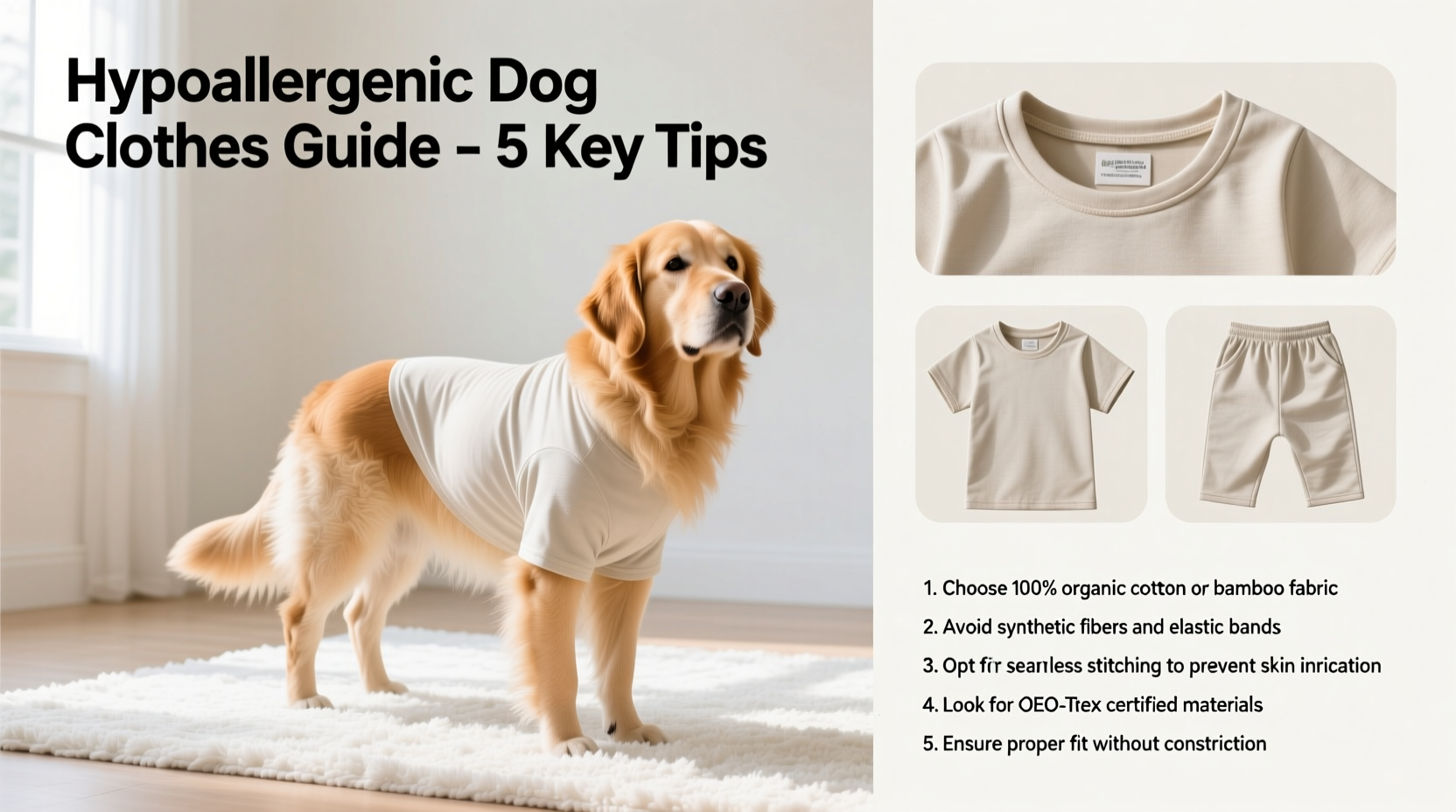
Dog skin is significantly more sensitive than human skin, with a thinner epidermal layer and a higher pH. This makes it vulnerable to irritation from chemicals, dyes, and rough textiles. Common signs of allergic reactions include excessive licking, redness, flaky skin, hair loss, and persistent itching. While food and environmental allergens (like pollen or dust mites) are frequent culprits, synthetic fabrics in dog clothing can also trigger contact dermatitis.
Hypoallergenic dog apparel aims to eliminate these triggers by using natural, breathable, and non-irritating materials. These garments act as a protective barrier between your dog’s skin and potential allergens without introducing new sources of discomfort.
“Many dogs referred to our clinic for chronic skin issues show improvement simply by switching to natural-fiber clothing and eliminating chemical detergents.” — Dr. Lena Torres, Veterinary Dermatologist, American College of Veterinary Dermatology
Key Features of Hypoallergenic Dog Clothes
Not all dog clothes labeled “hypoallergenic” meet the same standards. To make an informed decision, focus on the following attributes:
- Fabric Type: Prioritize natural fibers such as organic cotton, bamboo, hemp, or medical-grade merino wool. These materials are soft, breathable, and less likely to cause irritation.
- Dye-Free or Naturally Dyed: Avoid bright colors treated with synthetic dyes, which often contain allergenic compounds. Look for undyed, earth-toned, or plant-based dyed options.
- No Metal Fasteners: Zippers, snaps, and buckles made of nickel or low-grade alloys can cause contact allergies. Opt for stretch-fit designs, Velcro-free closures, or soft elastic bands.
- Seamless or Flat-Seam Construction: Raised seams can rub against sensitive skin. Garments with flat-lock stitching or seamless knitting reduce friction.
- Chemical-Free Manufacturing: Ensure the clothing is free from formaldehyde, flame retardants, and finishing agents commonly used in textile processing.
Step-by-Step Guide to Selecting the Right Garment
Choosing the ideal hypoallergenic outfit for your dog doesn’t have to be overwhelming. Follow this practical sequence to ensure safety, comfort, and effectiveness.
- Assess Your Dog’s Needs: Is the clothing for allergy protection, warmth, sun shielding, or post-bath hygiene? Define the primary purpose to narrow your choices.
- Check Material Labels: Look for 100% organic cotton, bamboo viscose, or TENCEL™—a sustainable fiber known for its smooth texture and moisture-wicking properties.
- Measure Accurately: Use a soft tape measure to record your dog’s neck girth, chest circumference, and back length. Refer to brand-specific sizing charts—never guess.
- Test for Fit and Mobility: The garment should allow full range of motion without being too tight. You should be able to slide two fingers comfortably under any band.
- Monitor Initial Wear: Let your dog wear the clothing for short intervals at first. Watch for signs of discomfort, chewing at seams, or increased scratching.
- Wash and Reassess: After laundering (using pet-safe detergent), check for shrinkage or stiffness. Retest for comfort.
Best Fabrics Compared: Do’s and Don’ts
| Fabric Type | Benefits | Risks | Recommended? |
|---|---|---|---|
| Organic Cotton | Breathable, soft, biodegradable, gentle on skin | Can retain moisture if not dried properly | ✅ Yes – ideal for daily wear |
| Bamboo Fiber | Naturally antibacterial, moisture-wicking, UV-resistant | May be blended with synthetics—check labels | ✅ Yes – excellent for sensitive skin |
| Polyester | Durable, retains shape, water-resistant | Traps heat, may cause itching, non-breathable | ❌ No – avoid for allergy-prone dogs |
| Nylon | Lightweight, quick-drying | Prone to static, can irritate skin, holds odors | ❌ No – high allergy risk |
| Merino Wool (Medical Grade) | Thermoregulating, antimicrobial, itch-free | Must be pure—avoid lanolin-heavy blends | ✅ Yes – best for cold weather |
Real Example: Managing Allergies in a Shih Tzu
Milo, a 4-year-old Shih Tzu from Portland, Oregon, suffered from year-round itching, especially during spring pollen season. His owner, Sarah, noticed raw patches behind his ears and along his belly. After ruling out food allergies and treating secondary infections, the vet suggested minimizing environmental exposure. Sarah began dressing Milo in a lightweight, seamless bamboo turtleneck during walks.
Within three weeks, Milo’s scratching decreased by over 70%. The fabric acted as a barrier against airborne allergens while allowing his skin to breathe. Sarah now uses only dye-free, organic cotton pajamas for indoor wear and washes them weekly with a fragrance-free detergent. “It’s not a cure,” she says, “but it’s given him real relief—and fewer vet visits.”
Checklist: How to Evaluate Hypoallergenic Dog Clothing
- ☑ Fabric is 100% natural (cotton, bamboo, hemp, or medical wool)
- ☑ Free from synthetic dyes and optical brighteners
- ☑ No zippers, metal buttons, or plastic snaps
- ☑ Flat or seamless stitching to prevent chafing
- ☑ Sized correctly based on actual measurements
- ☑ Machine washable with cold water setting
- ☑ Manufactured without formaldehyde or flame retardants
- ☑ Vet-recommended or certified by a pet dermatology association
Frequently Asked Questions
Can dog clothes really help with allergies?
Yes. For dogs with environmental allergies (pollen, grass, dust), clothing acts as a physical barrier that prevents allergens from settling on the skin. Hypoallergenic fabrics further reduce the risk of irritation from the garment itself, making them a valuable part of an allergy management plan.
How often should I wash hypoallergenic dog clothes?
Wash after every 2–3 wears, or immediately after outdoor activity during high-allergen seasons. Use a mild, unscented detergent formulated for sensitive skin, and avoid fabric softeners, which can leave residue that irritates the skin.
Are there dog clothes for specific conditions like eczema or hot spots?
Yes. Some brands offer therapeutic garments infused with colloidal oatmeal or designed with extended coverage for areas prone to lesions. These are often recommended by veterinarians for dogs with diagnosed skin conditions. Look for veterinarian-approved lines such as Vet’s Best or DermPet Wear.
Final Thoughts: Comfort Starts with Careful Choices
Selecting hypoallergenic dog clothes is about more than fashion—it’s an act of care for a pet who can’t speak for themselves. By prioritizing natural materials, thoughtful design, and proper fit, you create a safer, more comfortable experience for dogs with sensitive skin. Whether managing a chronic condition or simply protecting against seasonal allergens, the right clothing can make a meaningful difference in your dog’s quality of life.
💬 Have a success story with hypoallergenic dog wear? Share your experience or ask questions in the comments—your insight could help another pet parent find relief for their furry friend.








