Every decision you make for your dog, from food to toys, impacts their long-term well-being. One often overlooked but vital choice is the type of dog bowl you use. Many plastic bowls contain bisphenol A (BPA), a chemical linked to hormonal disruptions, organ damage, and even cancer in animals. Opting for a BPA-free dog bowl isn't just a trend—it’s a responsible step toward safeguarding your pet’s health. With countless options on the market, knowing what to look for can be overwhelming. This guide breaks down everything you need to know to select a safe, durable, and functional bowl that supports your dog’s daily nutrition and overall wellness.
Understanding BPA and Its Risks to Dogs
Bisphenol A (BPA) is an industrial chemical used in the production of certain plastics and resins since the 1960s. It’s commonly found in polycarbonate plastics, including some food containers and water bottles. When ingested, BPA can leach into food or water, especially when exposed to heat, wear, or acidic substances.
In dogs, chronic exposure to BPA has been associated with several health concerns:
- Endocrine disruption affecting thyroid and reproductive hormones
- Increased risk of obesity and insulin resistance
- Potential liver and kidney strain
- Developmental issues in puppies
A study published in the journal *Chemosphere* found detectable levels of BPA in the urine of household dogs, suggesting regular exposure likely through food contact materials. While more research is needed, veterinary experts recommend minimizing preventable risks—starting with your dog’s feeding bowl.
“Pet owners should treat BPA exposure like secondhand smoke for dogs—avoidable and unnecessary. Simple swaps like using BPA-free or non-plastic bowls can significantly reduce toxic load.” — Dr. Laura Chen, DVM, Veterinary Toxicologist
Types of Dog Bowls: Materials Compared
Not all dog bowls are created equal. The material determines not only durability and ease of cleaning but also safety. Below is a comparison of common bowl types based on BPA risk, hygiene, and practicality.
| Material | BPA Risk | Durability | Cleanability | Best For |
|---|---|---|---|---|
| Stainless Steel | None (inherently BPA-free) | High – resistant to chewing and scratching | Excellent – dishwasher safe, non-porous | All dogs, especially chewers and allergy-prone pets |
| Ceramic | Low (if glazed properly) | Moderate – can chip or crack | Good – but porous if poorly glazed | Indoor use, calm eaters |
| Glass | None | Low – fragile, breaks easily | Excellent – non-porous, easy to sanitize | Small dogs, supervised settings |
| Plastic (BPA-Free) | Low (if certified) | Low – scratches easily, harbors bacteria | Fair – hard to fully disinfect over time | Temporary or travel use only |
| Silicone | None (if food-grade) | Moderate – flexible but can tear | Good – lightweight and foldable | Travel, puppies, portable feeding |
While BPA-free plastic may seem like a safe compromise, it often degrades quickly. Scratches become breeding grounds for bacteria like Salmonella and E. coli, posing a greater risk than the original chemical concern.
Tip: Avoid placing any plastic dog bowl in the dishwasher regularly—heat accelerates BPA leaching and surface degradation.How to Identify Truly BPA-Free Bowls
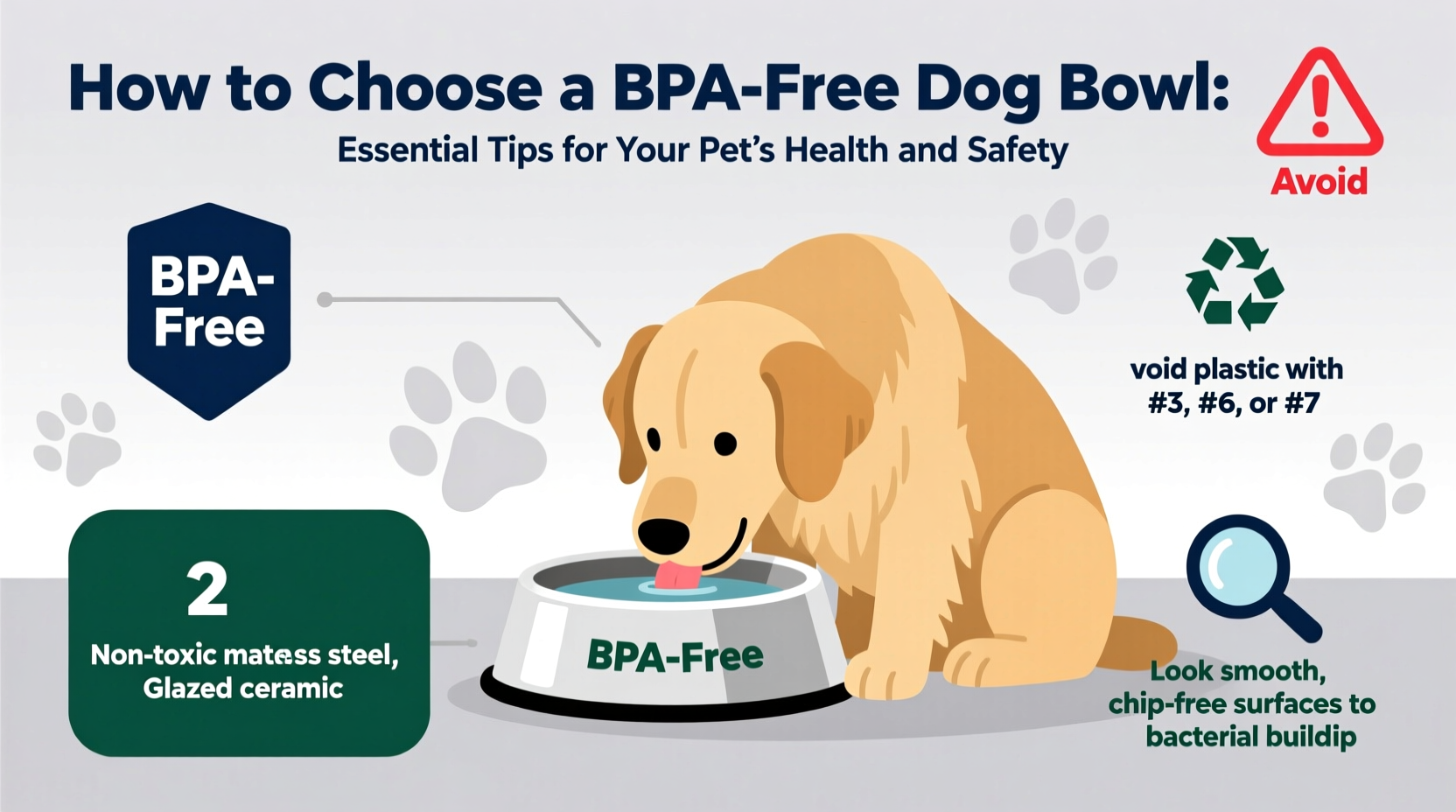
Not all “BPA-free” labels are trustworthy. Some manufacturers replace BPA with similar chemicals like BPS or BPF, which may carry comparable health risks. To ensure true safety, follow these verification steps:
- Check for third-party certifications: Look for labels such as “FDA-compliant,” “food-grade,” or certifications from NSF International.
- Read the fine print: Avoid vague claims like “eco-friendly” or “safe plastic.” Instead, seek explicit statements like “BPA, BPS, and phthalate-free.”
- Inspect the recycling code: Plastics labeled #3 (PVC) and #7 (polycarbonate) are most likely to contain BPA. Steer clear unless explicitly labeled safe.
- Choose reputable brands: Established pet product companies often publish material safety data sheets (SDS) upon request.
Real Example: Choosing Safely After a Health Scare
Sarah, a dog owner from Portland, noticed her 3-year-old Border Collie, Max, was lethargic and drinking excessively. Blood work revealed mild liver enzyme elevation. Her vet asked about feeding habits and discovered Max ate from a scratched blue plastic bowl heated daily in the microwave to warm his food. The combination of heat and wear likely caused chemical leaching. Switching to a stainless steel bowl and feeding room-temperature meals led to noticeable improvement within weeks. “I had no idea the bowl could be part of the problem,” Sarah said. “Now I check every label before buying anything that touches his food.”
Step-by-Step Guide to Selecting the Right Bowl
Follow this five-step process to confidently choose a safe, functional dog bowl:
- Assess your dog’s eating behavior: Is your dog a slow eater, a gulper, or a vigorous chewer? Aggressive chewers need stainless steel; gentle eaters can use ceramic or silicone.
- Determine size and height needs: Large breeds benefit from elevated feeders to reduce neck strain. Small dogs do well with shallow, wide bowls to avoid whisker fatigue.
- Prioritize non-toxic materials: Choose stainless steel or glass as first options. If using plastic, confirm it’s certified BPA-, BPS-, and phthalate-free.
- Ensure easy cleaning: The bowl should be dishwasher-safe or easily hand-washed. Narrow rims or double bowls with crevices can trap grime.
- Monitor for wear and replace promptly: Replace any bowl showing cracks, deep scratches, or discoloration—even if labeled “durable.”
Essential Checklist Before Buying a Dog Bowl
Use this checklist to ensure you're making a health-conscious, practical choice:
- ☑ Made from stainless steel, ceramic, glass, or food-grade silicone
- ☑ Explicitly labeled BPA-free, BPS-free, and phthalate-free (if plastic)
- ☑ Non-porous surface to prevent bacterial buildup
- ☑ Dishwasher-safe or easy to sanitize by hand
- ☑ Appropriate size and depth for your dog’s breed and age
- ☑ No sharp edges or unstable base
- ☑ From a brand with transparent material sourcing
Frequently Asked Questions
Are all stainless steel bowls BPA-free?
Yes. Stainless steel is a metal alloy and does not contain BPA or other plasticizers. It is one of the safest materials for dog bowls, provided it’s food-grade (typically 304 or 18/8 stainless steel).
Can I reuse human food storage containers for my dog’s meals?
Only if they are confirmed BPA-free and made from safe materials like glass or stainless steel. Never use cracked plastic containers, and avoid those not designed for repeated food use.
How often should I replace my dog’s bowl?
Inspect weekly. Replace plastic bowls every 3–6 months, or sooner if scratched. Stainless steel and ceramic bowls can last years if undamaged. Glass should be replaced at the first sign of chips or stress cracks.
Final Thoughts: Prioritizing Safety in Everyday Choices
Your dog depends on you to create a safe living environment—one where even the smallest details matter. A feeding bowl might seem insignificant, but it’s in constant contact with your pet’s mouth, digestive system, and immune defenses. By choosing a BPA-free, non-toxic bowl, you’re not just preventing potential illness—you’re investing in a longer, healthier life for your companion.
Start today: examine your current bowl, research safer alternatives, and make the switch without delay. Your dog won’t read the label, but they’ll feel the difference in their energy, coat, and overall vitality.
💬 Have you switched to a BPA-free dog bowl? Share your experience or brand recommendations in the comments—your insight could help another pet parent make a safer choice!








