Fireworks can transform a festive evening into a terrifying experience for dogs. The sudden loud booms, bright flashes, and unpredictable rhythms trigger deep-seated fear in many animals. Unlike humans, dogs don’t understand that fireworks are temporary or celebratory—they perceive them as threats. While some owners turn to prescription medications, there are numerous effective, non-pharmaceutical strategies to help your dog stay calm. With preparation, environmental control, and behavioral techniques, you can significantly reduce your dog’s stress during firework displays.
Create a Safe, Soundproofed Space
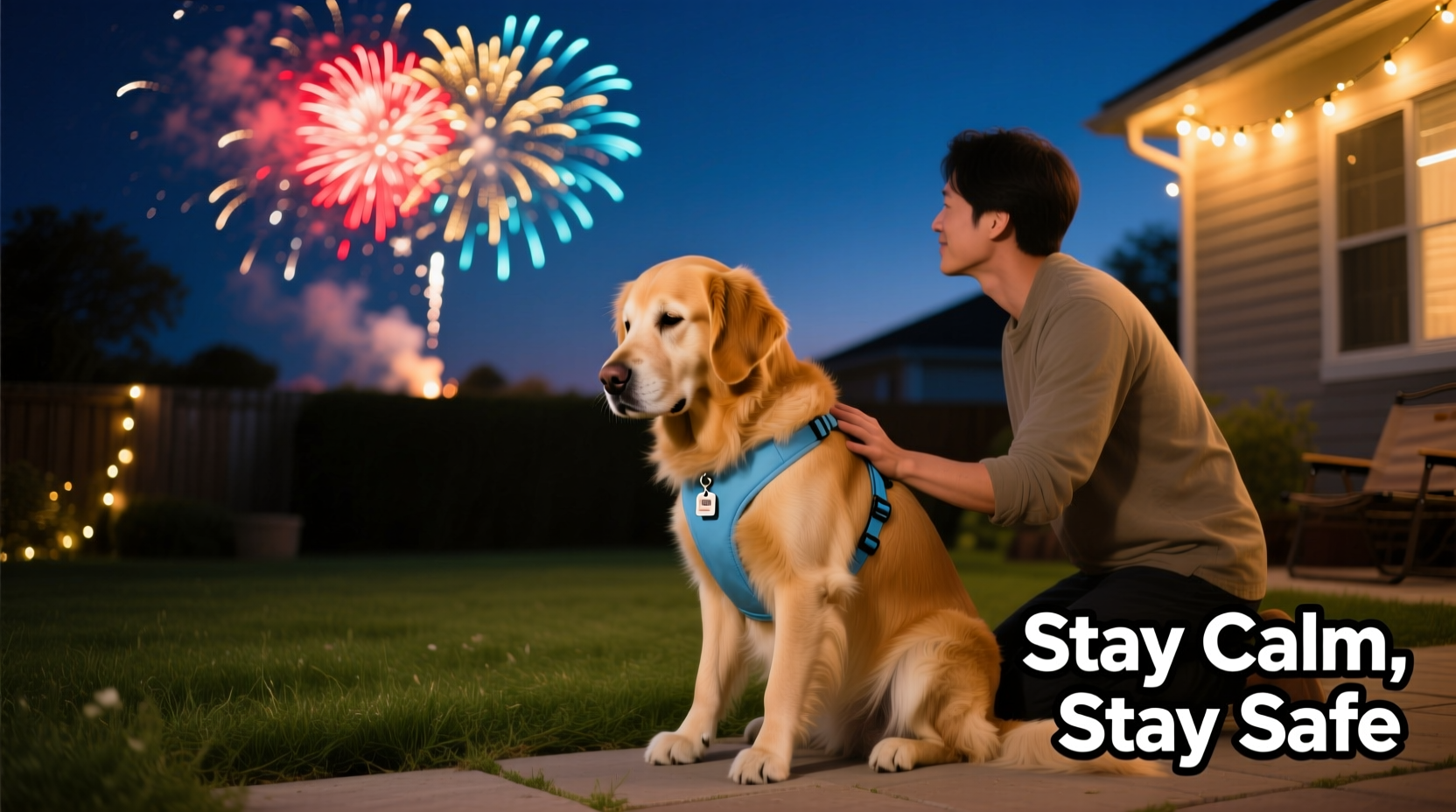
Dogs seek shelter when frightened. Providing a designated safe space gives them an instinctual outlet for coping with fear. This area should be quiet, enclosed, and familiar—somewhere your dog already chooses to rest when relaxed.
Start by selecting an interior room with no windows, such as a bathroom, closet, or basement. Avoid rooms near doors or garages where sounds penetrate more easily. Line the space with soft bedding, favorite toys, and items that carry your scent, like a recently worn shirt. A covered crate with a blanket over it can simulate a den-like environment, which many dogs find comforting.
Tip: Introduce the safe space well before firework season. Let your dog explore it during calm times so it becomes associated with comfort, not fear.To reduce noise, use heavy curtains, towels rolled along door gaps, and white noise machines. Even a simple fan can mask high-frequency pops and cracks. Some owners use specialized soundproofing panels or foam tiles in recurring problem areas, though thick rugs and upholstered furniture also help absorb sound.
Use Sound Therapy and Masking Techniques
Controlling auditory input is one of the most powerful tools in managing canine noise anxiety. The goal isn’t silence—it’s predictable, soothing sound that drowns out the erratic bursts of fireworks.
Play calming music designed specifically for dogs. Studies have shown that classical music, reggae, and soft rock can lower heart rates and reduce stress behaviors in kennels. Albums like “Through a Dog’s Ear” are engineered with simplified arrangements and reduced frequency ranges to be less stimulating.
Alternatively, use white noise apps, nature sounds (like rain or ocean waves), or even a talk radio station with steady human voices. The consistency helps override the unpredictability of fireworks.
“Dogs respond best to auditory environments they can predict. Familiar sounds create a buffer against chaotic external stimuli.” — Dr. Karen Overall, Veterinary Behavioral Medicine Specialist
Recommended Sound Options for Dogs
| Type | Effectiveness | Best For |
|---|---|---|
| Classical Music | High | Most breeds, especially sensitive dogs |
| White Noise | High | Blocking sharp, sudden sounds |
| Nature Sounds | Moderate | Dogs who enjoy outdoor cues |
| TV or Radio | Moderate | Dogs responsive to human voices |
| Dog-Specific Audio | Very High | Severe noise phobia cases |
Apply Calming Pressure and Touch-Based Therapies
Physical sensation can interrupt anxiety cycles. Gentle pressure mimics the comfort of being held, which releases calming neurotransmitters like oxytocin.
The Thundershirt is one of the most widely used tools. It wraps snugly around the dog’s torso, applying constant, gentle pressure. Clinical studies suggest up to 80% of dogs show reduced anxiety symptoms when wearing such garments. Ensure proper fit—tight enough to stay in place but not restrictive.
Other options include weighted blankets (used cautiously and only under supervision) or simply sitting close and placing a hand lightly on your dog’s back. Avoid hugging, which can increase stress in dogs who feel trapped.
Tip: Test pressure garments during calm periods. Some dogs dislike them initially—introduce them gradually with treats and praise.Massage techniques focused on slow strokes along the spine, ears, and paws can also promote relaxation. Start with short sessions and observe your dog’s response. Signs of acceptance include yawning, blinking slowly, or lying down.
Implement a Distraction and Engagement Routine
Redirecting your dog’s focus away from fireworks can prevent panic escalation. The key is starting early—before fear sets in—so your dog doesn’t associate the distraction with danger.
Engage your dog in mentally stimulating activities such as puzzle toys, treat-dispensing balls, or obedience games. A frozen KONG filled with peanut butter (xylitol-free) or yogurt can occupy a dog for 20–30 minutes. Training sessions using low-distraction commands (“sit,” “down,” “touch”) reinforce confidence and focus.
- Begin the activity 30 minutes before expected fireworks.
- Use high-value treats to increase engagement.
- Keep sessions calm—avoid exciting play that raises arousal.
- Repeat every hour if fireworks continue.
Some owners train a “settle” command in advance, pairing it with a mat or bed. When practiced consistently, this cue tells the dog to lie down and relax, even amid distractions.
Mini Case Study: Max, the Border Collie
Max, a 4-year-old Border Collie in Colorado, began trembling at the first firework of July 4th. His owners, noticing his pacing and panting, tried closing windows and playing music—but Max remained alert and reactive. The next year, they prepared earlier. They created a soundproofed basement corner with his bed, introduced the Thundershirt weeks prior, and froze several KONGs filled with banana and cottage cheese. On the holiday, they started playing dog-specific classical music at dusk and gave Max his KONG before the first boom. Though he glanced toward the ceiling, he stayed on his mat and finished the toy within 25 minutes. By the end of the night, Max slept through intermittent fireworks—a dramatic improvement from the previous year.
Behavioral Desensitization and Long-Term Training
While immediate calming techniques are essential, long-term relief comes from changing your dog’s emotional response to loud noises. Desensitization involves controlled exposure to firework sounds at low volumes, gradually increasing intensity over weeks or months.
Start by playing recorded firework audio at a volume so low your dog doesn’t react. Pair it with positive experiences: treats, play, or grooming. Repeat daily, increasing volume slightly only when your dog remains relaxed. Never rush—progress may take weeks.
This method works best when begun outside firework season. Use apps or YouTube videos labeled “fireworks desensitization for dogs.” Always monitor body language: pinned ears, lip licking, or whale eye indicate stress—back off immediately.
“Desensitization isn’t about habituation—it’s about creating a new emotional association. The sound must predict something good.” — Sophia Yin, DVM, Animal Behaviorist
Counter-conditioning pairs the feared stimulus (fireworks) with something pleasurable (treats). Over time, the brain begins to anticipate rewards instead of danger. Consistency is critical; sporadic attempts won’t rewire fear pathways.
Step-by-Step Desensitization Plan
- Week 1: Play firework sounds at inaudible-to-low volume during mealtime.
- Week 2–3: Increase volume slightly; pair with chew toys or training games.
- Week 4–6: Gradually raise volume while maintaining calm behavior.
- Ongoing: Practice monthly or before known firework events.
Checklist: Firework Preparedness for Dogs
- Identify a quiet, interior room for your dog’s safe zone
- Stock up on high-value treats and puzzle toys
- Test and fit any anxiety wrap or vest
- Download calming music or sound masking apps
- Seal gaps under doors with towels
- Close windows and blinds
- Start calming routines before fireworks begin
- Avoid reinforcing fearful behavior (e.g., excessive petting)
- Keep ID tags and microchip info updated in case of escape
- Practice desensitization training during quiet months
Common Mistakes to Avoid
Even well-meaning owners can worsen anxiety through unintentional actions. Recognizing these pitfalls improves outcomes.
- Forcing exposure: Taking your dog outside to “get used to” fireworks increases trauma.
- Punishing fear: Yelling or correcting shaking, barking, or hiding reinforces distress.
- Over-handling: Frantic cuddling signals that danger is real—stay calm and neutral.
- Waiting until fireworks start: Prevention is more effective than intervention.
- Using scented candles or diffusers indiscriminately: Strong smells can heighten anxiety in sensitive dogs.
Frequently Asked Questions
Can I leave my dog alone during fireworks?
It depends on your dog’s history. Dogs with mild anxiety may cope in a well-prepared space. However, dogs with severe phobias should not be left unattended—they may injure themselves trying to escape. If you must leave, arrange for a trusted person to stay with them or consider a professional pet sitter experienced in anxiety cases.
Do calming supplements work without medication?
Some natural supplements like L-theanine, chamomile, or CBD oil (where legal) may support relaxation, but they are not regulated like pharmaceuticals. Research varies, and effects are mild compared to behavioral interventions. Always consult your vet before use, especially if your dog has health conditions.
How do I know if my dog’s fear is severe?
Signs of severe anxiety include destructive behavior, uncontrollable shaking, vomiting, diarrhea, or attempts to break through windows or doors. If your dog exhibits these, consult a veterinary behaviorist. Chronic stress harms physical health and requires structured treatment beyond home remedies.
Conclusion
Calming your dog during fireworks without medication is entirely possible with foresight, patience, and consistent effort. There is no single solution—success lies in combining environment, sound management, physical comfort, and behavioral training. The safest dogs aren’t those who never react, but those who have reliable coping strategies and supportive owners. Start preparing now, even if firework season has passed. Small investments in training and setup today can prevent years of seasonal distress. Your dog relies on you to interpret the world when it feels overwhelming. By creating predictability in chaos, you offer more than comfort—you provide trust.
🚀 Take action tonight: Set up your dog’s safe space, download a calming playlist, and freeze a KONG. Small steps build resilience—one quiet moment at a time.








