
Thunderstorms can be terrifying—not just for humans caught in the rain, but especially for dogs. The sudden booms of thunder, flickering lightning, changes in barometric pressure, and static electricity can trigger intense fear in even the most confident canines. For many pet owners, watching their dog tremble, pace, or hide under furniture during a storm is deeply distressing. While prescription sedatives are sometimes used, they come with side effects and don’t address the root cause of anxiety. Fortunately, there are safe, effective, and natural methods to help your dog feel secure—without medication.
Dogs don’t understand weather patterns. To them, thunder sounds like an unpredictable explosion nearby. Their heightened senses make storms far more overwhelming than they are to us. The good news is that with patience, consistency, and the right techniques, you can significantly reduce your dog’s fear and help them cope—or even relax—during storms.
Understanding Canine Storm Anxiety
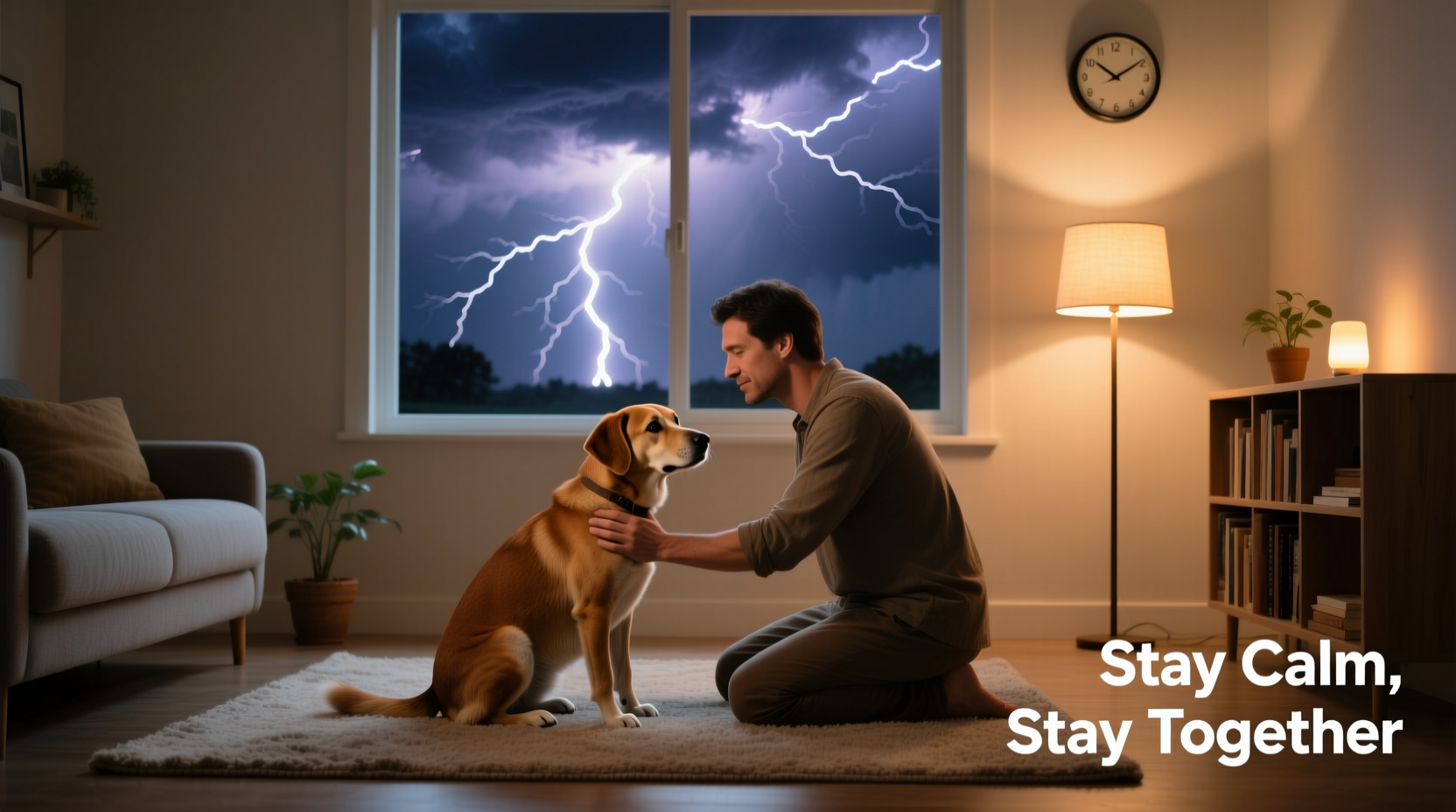
Storm phobia in dogs isn't just about loud noises. It's often a combination of sensory triggers: the deep rumble of thunder, flashes of lightning, wind howling, changes in atmospheric pressure, and even static buildup on their fur. Some dogs react within minutes of a storm’s approach, long before humans notice any signs—suggesting they may detect shifts in air pressure or static electricity.
Common signs of storm anxiety include:
- Panting, drooling, or trembling
- Pacing or inability to settle
- Hiding (in closets, under beds, behind furniture)
- Whining, barking, or howling
- Destructive behavior (chewing, scratching doors)
- Attempts to escape
- Accidents indoors despite being house-trained
Repeated exposure without intervention can deepen the fear response over time. However, with early and consistent support, many dogs can learn to tolerate or even ignore storm-related stimuli.
“Fear-based behaviors in dogs escalate when not addressed. The goal isn’t suppression through sedation, but empowerment through safety and predictability.” — Dr. Karen Overall, Veterinary Behaviorist
Creating a Safe Indoor Environment
The foundation of helping a storm-anxious dog is providing a predictable, comforting space where they feel protected. This “safe zone” should be accessible year-round so your dog associates it with calmness, not just fear.
Choose a quiet interior room—like a bathroom, closet, or basement—with minimal windows to reduce visual lightning flashes and sound amplification. Line the area with soft bedding, familiar toys, and items that carry your scent (like an old t-shirt). Consider adding white noise or calming music to mask thunderclaps.
Tip: Introduce the safe space during calm weather with treats and playtime so your dog forms positive associations.Sound-dampening materials can make a big difference. Heavy curtains, rugs, and closed doors help absorb sound. Some owners use noise machines or apps designed specifically for pets, such as iCalmPet or Through a Dog’s Ear, which feature low-frequency music shown to reduce canine stress.
Using Thundershirts and Compression Vests
Thundershirts apply gentle, constant pressure around a dog’s torso, similar to swaddling an infant. This tactile input can have a calming effect by activating the parasympathetic nervous system.
Studies and anecdotal reports suggest that up to 80% of dogs show reduced anxiety symptoms when wearing properly fitted anxiety wraps. However, effectiveness varies by dog and must be introduced gradually during neutral conditions.
| Product Type | How It Works | Best For |
|---|---|---|
| Thundershirt | Light compression via adjustable straps | Mild to moderate anxiety; small/medium dogs |
| Anxiety Wrap (e.g., Anxiety Wrap®) | More structured pressure application | Dogs needing stronger tactile feedback |
| Calming Vest (e.g., Sensiong) | Combines fit with reflective design | Nervous dogs who also bolt easily |
Note: These tools work best when combined with other behavioral strategies. They are not standalone solutions.
Behavioral Training Techniques
Desensitization and counterconditioning are gold-standard approaches for treating noise phobias. These methods involve gradually exposing your dog to recorded storm sounds at low volumes while pairing them with positive experiences—like treats, toys, or massage.
Step-by-Step Desensitization Plan
- Obtain high-quality storm recordings (apps or YouTube videos featuring realistic thunderstorm audio).
- Start at the lowest volume—so low your dog barely notices it.
- Pair the sound with something highly rewarding, such as chicken bits, peanut butter, or a favorite game.
- Repeat daily for 5–10 minutes, ensuring your dog remains relaxed.
- Only increase volume slightly once your dog shows no signs of stress at the current level.
- Progress slowly—this process may take weeks or months.
- Pause if anxiety appears and return to a previous comfortable level.
Consistency is key. Skipping ahead too fast can worsen fear. The goal is to change your dog’s emotional response from “danger!” to “Oh, that sound means good things happen.”
Tip: Use a clicker or verbal marker (“yes!”) the moment your dog looks calm during playback to reinforce desired behavior.Teaching a “Settle” Command
Train your dog to lie down calmly on cue in neutral settings first. Use high-value rewards and short sessions. Once reliable, practice this command during mild distractions, then eventually during faint storm sounds.
A well-practiced “settle” cue gives you a tool to guide your dog into relaxation mode before anxiety escalates.
Environmental and Sensory Support Strategies
Beyond training, several science-backed environmental adjustments can reduce your dog’s sensory overload during storms.
Reduce Static Electricity
Many dogs react strongly to the sensation of static buildup on their fur during storms. This invisible discomfort can heighten panic.
To minimize static:
- Wipe your dog’s coat with a dryer sheet (unscented, pet-safe type) before storms.
- Use humidifiers to increase indoor moisture levels.
- Apply a light spritz of pet-safe anti-static spray.
- Try a grounding mat designed for pets (placed under bedding).
Leverage Scent for Calm
Dogs rely heavily on smell. Calming pheromone products like Adaptil release synthetic versions of the natural appeasing pheromones mother dogs produce. Available as diffusers, sprays, or collars, these can reduce stress signals in the home environment.
Research published in the *Journal of Veterinary Behavior* indicates that dogs exposed to DAP (Dog Appeasing Pheromone) showed significantly lower heart rates and fewer vocalizations during simulated storms.
Engage the Mind with Food Puzzles
Distraction works best when it engages your dog’s brain. Long-lasting food puzzles—such as frozen Kongs, snuffle mats, or treat-dispensing balls—can redirect focus away from external noises.
Freeze a Kong stuffed with yogurt, banana, and kibble 12–24 hours before expected storms. The extended licking and chewing stimulate endorphins and promote relaxation.
“Food-based enrichment during stress events provides both distraction and neurochemical comfort. It’s one of the most underused tools in managing canine anxiety.” — Dr. Sophia Yin, Animal Behavior Specialist
Real-Life Example: Helping Max Through Storm Season
Max, a 4-year-old Border Collie mix adopted from a rural shelter, began showing extreme fear during summer thunderstorms. He would bark incessantly, scratch at the bathroom door, and once chewed through a window screen trying to escape.
His owner, Lisa, avoided sedatives due to Max’s sensitivity to medications. Instead, she implemented a multi-pronged approach:
- Created a padded safe zone in her walk-in closet with blackout curtains and a white noise machine.
- Started desensitization training in October (off-season), using storm recordings and cheese rewards.
- Introduced a Thundershirt during calm periods, gradually increasing wear time.
- Used an Adaptil diffuser in the living area year-round.
- Prepared frozen Kongs every spring as storm season approached.
By the second summer, Max still sought his safe space during storms—but he entered calmly, lay down, and focused on his treat toy. No pacing, no vocalizing. Lisa reported a 90% reduction in visible distress.
This case illustrates that progress is possible even with severe anxiety, provided interventions are consistent and layered.
What Not to Do: Common Mistakes
Well-meaning owners sometimes unintentionally reinforce fear. Avoid these pitfalls:
| Don’t | Why It’s Harmful | Do This Instead |
|---|---|---|
| Punish or scold anxious behavior | Increases stress; teaches dog that fear leads to conflict | Stay neutral; gently guide to safe space |
| Over-soothe or excessively pet | Can reward panic, reinforcing the behavior | Offer calm companionship without emotional intensity |
| Force exposure to storms | Risks trauma and learned helplessness | Allow retreat; control exposure gradually |
| Wait until storm starts to intervene | Too late to prevent escalation | Prepare in advance using weather alerts |
FAQ: Common Questions About Thunderstorm Anxiety
Can my dog outgrow storm fear?
Some puppies may become less reactive with age, but most adult dogs do not naturally outgrow storm phobia. Without intervention, fear often worsens. Early training offers the best chance of improvement.
Are certain breeds more prone to storm anxiety?
Herding breeds (like Border Collies and Australian Shepherds), retrievers, and hounds tend to show higher rates of noise sensitivity. However, any dog—regardless of breed—can develop storm fear, especially if under-socialized or previously traumatized.
Should I stay with my dog during a storm?
Yes, but maintain a calm demeanor. Your energy influences your dog. Sit quietly in the safe space reading or meditating—your presence alone is reassuring. Avoid frantic reassurance or dramatic reactions to thunder.
Action Checklist: How to Help Your Dog This Storm Season
Use this checklist to build a comprehensive, non-sedative plan:
- ✅ Identify a quiet, interior room for a safe space
- ✅ Stock calming tools: Thundershirt, white noise machine, pheromone diffuser
- ✅ Begin desensitization training during calm weather
- ✅ Prepare food puzzles (e.g., freeze Kongs)
- ✅ Monitor weather forecasts and prepare 30+ minutes before storms
- ✅ Wipe coat with pet-safe dryer sheet to reduce static
- ✅ Practice “settle” command daily in low-distraction environments
- ✅ Avoid reinforcing fearful behavior with excessive petting or scolding
Conclusion: Empowerment Over Sedation
Fear of thunderstorms doesn’t have to mean years of panic and medication. With understanding, preparation, and compassionate training, you can transform your dog’s experience from terror to tolerance—and possibly even calm. The methods outlined here don’t mask symptoms; they build resilience. They give your dog tools to cope, confidence in their environment, and trust in your leadership.
Start today. Even if storm season isn’t imminent, now is the time to create safe spaces, begin desensitization, and stock up on calming resources. Small, consistent efforts compound into profound change. Your dog is counting on you—not to fix everything instantly, but to stand by them with patience and purpose.
💬 Have a success story or tip for calming a storm-scared dog? Share your experience in the comments—your insight could help another pet parent feel less alone.








