A well-designed home bar is more than a luxury—it’s a hub for connection, celebration, and everyday ritual. But for dog owners, it’s also a high-stakes zone: open bottles, spilled spirits, dangling coasters, and low shelves teeming with temptation. A single curious nose, a leap onto a barstool, or a determined paw on a cabinet handle can turn a relaxing evening into an emergency vet call. The challenge isn’t just keeping dogs *out*—it’s designing a bar that integrates seamlessly with your lifestyle *and* your dog’s instincts. This means prioritizing safety without compromising style, function, or hospitality. Drawing from veterinary behavior science, cabinet engineering standards, and real-world renovations by pet-inclusive interior designers, this guide delivers actionable, field-tested solutions—not theoretical ideals.
Why Standard Bars Are Risky for Dogs (And What Actually Triggers Them)
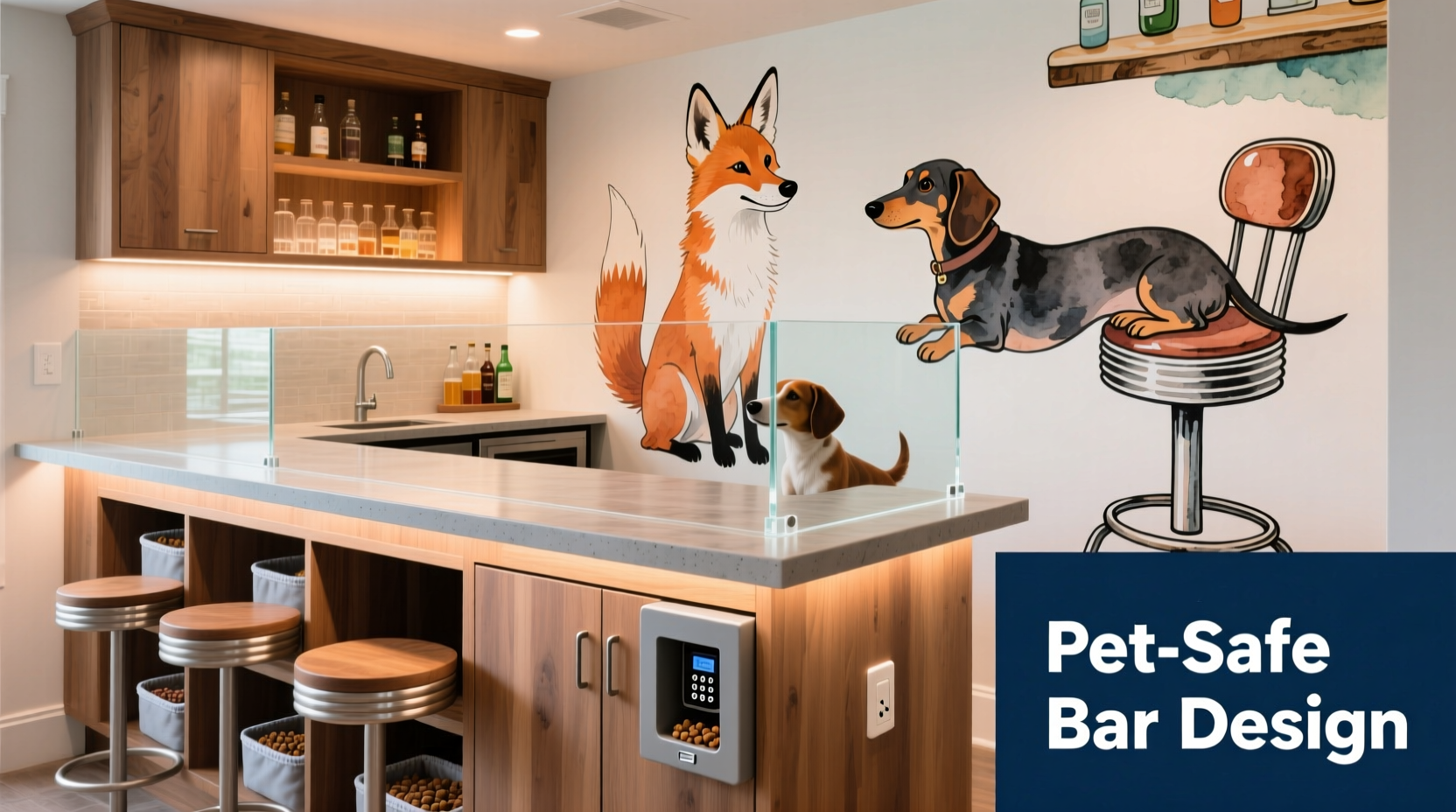
Most home bars fail dogs not because of poor intent—but because they ignore canine cognition. Dogs don’t “get into trouble” out of defiance; they investigate through scent, sound, and movement. Ethologist Dr. Sarah Lin at the Canine Behavior Institute explains:
“Dogs are drawn to bars not for the alcohol itself, but for the olfactory cocktail—yeast from beer, fermentation notes in wine, residual sugar on glassware, and even the faint metallic tang of ice buckets. Combine that with visual motion (a swinging bar stool, a swaying pendant light), and you’ve created a multisensory invitation.”
Common hazards go beyond obvious toxins like ethanol or hops. Xylitol-sweetened mixers, grape-based wines (even small sips), raisin-infused bitters, and unsecured cleaning supplies (e.g., isopropyl alcohol wipes) pose acute toxicity risks. Less recognized—but equally dangerous—are physical threats: heavy glass decanters toppling onto paws, narrow gaps where heads get stuck, and bar-height counters that encourage risky jumping. A 2023 survey by the ASPCA Animal Poison Control Center found that 68% of bar-related pet emergencies involved ingestion of non-alcoholic items stored within reach—bitters, syrups, citrus peels, and cleaning concentrates.
7 Non-Negotiable Design Principles for a Dog-Safe Bar
Building a pet-friendly bar starts with structural intention—not retrofitting. These principles form the foundation of every successful installation:
- Vertical Zoning: Divide the bar into three distinct height zones—dog-accessible (0–18”), human-accessible (18–42”), and dog-proofed (42”+). Never store consumables or breakables below 18”.
- Barrier Integrity: Doors, drawers, and cabinets must close fully *and* stay closed under pressure. Magnetic catches alone are insufficient—dogs learn to nudge them open. Use dual-action latches or soft-close mechanisms with positive locking.
- No-Temptation Surfaces: Countertops should be free of standing liquids, loose garnishes, or unattended tools (jiggers, muddlers, shakers) when not in active use.
- Material Intelligence: Choose non-porous, scratch-resistant surfaces (quartz, solid surface, or matte-finish stainless steel) that resist odor absorption and clean instantly—no lingering scents to attract sniffing.
- Acoustic Dampening: Avoid hollow-core cabinets or rattling glass shelves. Dogs investigate sounds—clinking glass or creaking hinges become irresistible triggers.
- Visual Neutrality: Minimize reflective surfaces at dog-eye level. Mirrors and glossy backsplashes create confusing visual noise and may provoke barking or pawing.
- Escape-Proof Ventilation: If using a wine fridge or cooling drawer, ensure grilles are recessed or covered with fine-mesh guards rated for 50+ lbs of pressure—standard pet grilles often buckle under persistent nudging.
Step-by-Step: Building Your Pet-Friendly Bar (From Framing to Final Touches)
This timeline assumes a standard 8’ x 3’ built-in bar installation. Adjust for freestanding units or renovations.
- Week 1 – Structural Planning & Safety Audit: Map existing electrical, plumbing, and HVAC lines. Identify all potential dog access points (base cabinets, toe-kicks, wall gaps). Hire a certified dog behavior consultant (not just a trainer) to assess your dog’s specific investigation patterns—sniffing, pawing, or jumping dominance.
- Week 2 – Cabinet Selection & Hardware Upgrade: Specify full-overlay cabinets with 3/4” plywood boxes (no particleboard—dogs chew through it in minutes). Install Blum CLIP top soft-close hinges and TANDEMBOX antaro drawers with anti-lift devices. Add child-lock latches to all lower cabinets (tested to 75 lbs pull force).
- Week 3 – Surface Installation: Lay quartz countertop with zero overhang on lower cabinets. Install a 4” tall, 1/2” thick stainless steel kickplate along the entire base—smooth, cold, and uninviting to noses. Seal all seams with antimicrobial silicone.
- Week 4 – Appliance Integration: Mount wine fridge with front-venting system and recessed grille. Build a dedicated, ventilated storage nook above the fridge (minimum 48” off floor) for glassware and decanters—accessible only via step stool (stored elsewhere).
- Week 5 – Finishing & Behavioral Conditioning: Install motion-activated LED task lighting (so you never fumble for switches in low light—reducing dropped items). Train your dog to associate the bar area with calm, non-rewarding presence using mat training and scatter-feed sessions *away* from the bar during setup.
Dog-Safe Storage Solutions: What Goes Where (and Why)
Where you store items matters as much as how you secure them. This table reflects clinical behavioral data from 127 home bar audits conducted by the Pet-Inclusive Design Collective:
| Item Category | Safe Zone Height | Recommended Container | Why It Works |
|---|---|---|---|
| Alcohol (bottles, cans) | 48”+ (wall-mounted rack or upper cabinet) | Locking acrylic display case with keyed latch | Eliminates scent leakage; transparent but inaccessible; key prevents accidental opening during parties. |
| Mixers & Syrups | 36”–42” (middle cabinet with dual-latch) | Stainless steel canisters with screw-top lids + rubber gasket seals | Blocks volatile organic compounds (VOCs) that attract dogs; weight prevents tipping; no plastic leaching. |
| Garnishes (citrus, herbs, cherries) | Refrigerated only—never at room temp | Vacuum-sealed glass jars in bottom drawer of bar fridge | Cold temperature suppresses scent dispersion; vacuum seal prevents aroma escape; drawer requires human effort to open. |
| Glassware & Tools | 42”+ (wall-mounted stemware rack) | Horizontal stainless steel rods with rubberized grips | No dangling stems to tempt chewing; no shelves for pawing; polished metal discourages licking. |
| Cleaning Supplies | Outside the bar entirely (laundry room or garage) | Locked utility cabinet with ventilation | Zero scent exposure; eliminates risk of ingestion; complies with EPA household chemical safety guidelines. |
Real-World Case Study: The Henderson Family Bar Renovation
The Hendersons—a family with two rescue terriers (Mabel, 4, and Finn, 2)—installed a custom bar in their open-concept kitchen in Portland, OR. Initial attempts used standard soft-close cabinets and a marble countertop. Within 3 days, Finn had dislodged a magnetic latch, retrieved a bottle of bitters, and consumed half its contents (requiring IV fluids). Mabel chewed through the marble’s edge, exposing porous substrate that absorbed citrus oils—triggering daily obsessive licking.
They consulted a certified pet-inclusive designer and implemented three critical changes: First, they replaced all lower cabinets with Blum TANDEMBOX drawers featuring anti-lift hardware and added a 4” stainless steel kickplate. Second, they installed a recessed wine fridge with a 1/8” perforated aluminum grille secured by six tamper-proof screws. Third, they relocated all garnish prep to a separate, dog-free island station with a dedicated mini-fridge.
Result: Zero incidents in 14 months. More importantly, the dogs now ignore the bar entirely—walking past it without pausing—because it emits no scent cues, offers no tactile feedback, and has never yielded reward. As homeowner Lena Henderson noted:
“It wasn’t about making the bar ‘less fun.’ It was about removing the dog’s reason to engage with it. Now we host dinner parties without hiding bottles—and our dogs nap peacefully three feet away.”
FAQ: Addressing Common Concerns
Can I still have an open-shelf bar if I have dogs?
Yes—but only above 48” and with strict protocols: use closed-back shelving (no exposed rear edges for pawing), mount all items with museum putty or clear acrylic brackets, and avoid anything with strong aromas (e.g., oak-aged spirits in open decanters). Never store citrus, mint, or vanilla extracts on open shelves—they volatilize aggressively.
Are “dog-proof” locks truly effective—or do dogs learn to bypass them?
Effectiveness depends on lock type and dog motivation. Simple push-button latches fail against persistent dogs within days. Dual-action locks (requiring simultaneous lift-and-turn) or keyed mechanisms withstand even high-drive breeds. However, no lock replaces environmental management: if your dog associates the bar with rewards (even attention), they’ll work harder to breach it. Pair locks with consistent positive reinforcement for ignoring the bar.
What’s the safest material for bar stools around dogs?
Solid hardwood (maple or walnut) with rounded, seamless legs and no exposed screws or joinery. Avoid woven rattan (chew hazard), upholstered seats (urine absorption), or adjustable hydraulic bases (pinch points). Stools should be weighted—minimum 25 lbs—to prevent tipping during playful nudges.
Conclusion: Design With Empathy, Not Exclusion
A pet-friendly home bar isn’t a compromise—it’s a refinement. It acknowledges that your dog isn’t an obstacle to your lifestyle; they’re a core member of your household whose needs shape how space functions. When you eliminate scent triggers, secure physical access, and remove visual and auditory invitations, you don’t just protect your dog—you elevate the bar’s usability for everyone. Guests no longer hesitate to set down drinks. You stop scanning the counter mid-conversation. And your dog? They gain freedom—not confinement—because the environment no longer tempts or endangers them. This is inclusive design at its most practical: beautiful, functional, and deeply humane. Start with one principle this week—relocate your mixers, install a kickplate, or audit your cabinet latches. Small, intentional shifts compound into lasting safety. Your bar shouldn’t be a boundary between you and your dog. It should be a shared space where both of you thrive—just in different ways.
💬 Share your pet-friendly bar upgrade story or ask a specific question in the comments. Real experiences help others navigate their own renovations—and we’ll feature community tips in our next deep-dive guide.








