Combining the rich pigment of lipstick with the lustrous shine of lip oil has become a go-to technique in modern makeup routines. When done correctly, this method delivers a high-impact look—vibrant color meets glass-like gloss—that lasts longer than either product alone. The key lies not just in the products you choose, but in the application technique. With the right steps, you can avoid patchiness, feathering, and premature fading while enhancing comfort and hydration.
Why Layer Lip Oil Over Lipstick?
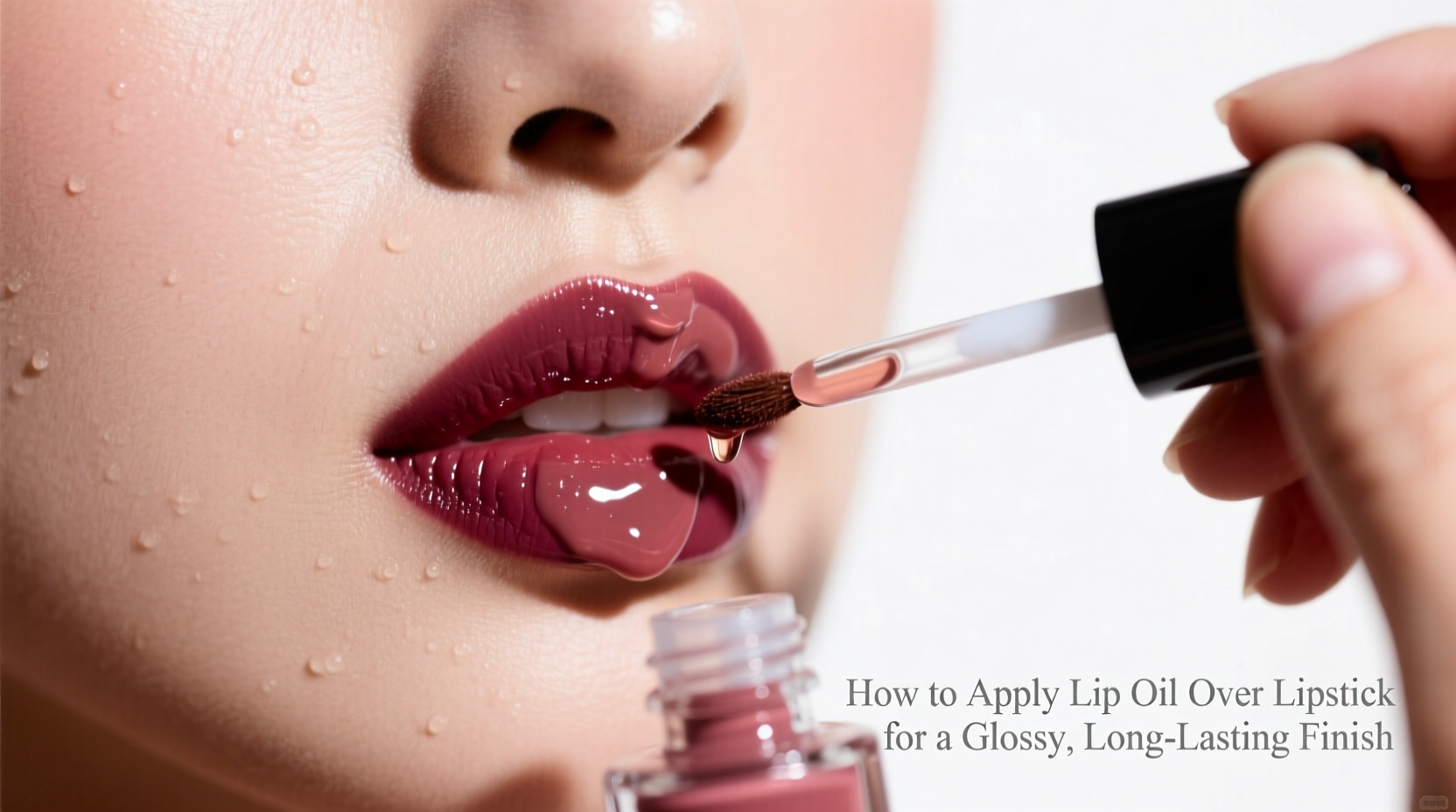
Lipstick provides depth, coverage, and staying power. Lip oils, on the other hand, offer moisture, shine, and a plumping effect due to their emollient-rich formulas. When layered strategically, these two products complement each other: the lipstick anchors the color, while the oil seals in hydration and adds dimension.
This hybrid approach is especially effective for long wear events—meetings, dates, or travel—where reapplication isn’t always convenient. Unlike traditional glosses that can slide off or feel sticky, lip oils absorb slightly into the top layer of the skin, creating a more integrated finish.
“Layering lip oil over lipstick isn’t just about shine—it’s about creating a protective barrier that locks in pigment and prevents dryness.” — Naomi Reyes, Celebrity Makeup Artist
Step-by-Step Guide to Applying Lip Oil Over Lipstick
Achieving a flawless, glossy, and enduring result requires precision. Follow this timeline-tested method for optimal results:
- Prep Your Lips: Begin with clean, exfoliated lips. Use a soft toothbrush or sugar scrub to remove dead skin. Dry flakes will cause lipstick to cling unevenly and create patchiness under oil.
- Hydrate Lightly: Apply a thin layer of non-greasy lip balm 5–10 minutes before makeup. Blot thoroughly to prevent slippage. You want a hydrated base, not a slick one.
- Line and Fill: Use a lip liner that matches your lipstick to outline and lightly fill in your lips. This creates a foundation for the color and helps prevent feathering.
- Apply Lipstick Evenly: Use a lip brush for precision. Apply your chosen lipstick in thin layers, building up color gradually. Let the first layer set for 30 seconds, then blot gently with tissue.
- Wait Before Adding Oil: Allow the lipstick to oxidize slightly (about 60 seconds). This prevents the oil from lifting the pigment upon contact.
- Apply Lip Oil Strategically: Using the applicator, deposit a small amount of oil in the center of both lips. Gently press your lips together to spread it evenly. Avoid overloading the outer edges, where pooling can occur.
- Blot Once More (Optional): For a natural sheen instead of high gloss, lightly blot with a single-ply tissue. Reapply a touch of oil only to the center for dimension.
Choosing the Right Products: What Works Best Together
Not all lipsticks and oils are compatible. Matte liquid lipsticks, for instance, form a film that resists layering, while creamy or satin-finish bullet lipsticks integrate better with oils.
| Lipstick Type | Compatibility with Lip Oil | Recommendation |
|---|---|---|
| Matte Liquid | Low | Apply oil before lipstick for a “stained” effect. Avoid layering oil on top unless using a compatible hybrid gloss. |
| Satin/Cream Bullet | High | Ideal for layering. Sets well and accepts oil without pilling. |
| Sheer Tinted Balm | Moderate | Adds shine but limited pigment retention. Best for daytime casual looks. |
| Long-Wear Cream | Medium-High | Test compatibility. Some brands allow oil layering after full setting (2–3 minutes). |
For best performance, select lip oils with a serum-like consistency. Thick, jelly-style oils may disturb the lipstick, while lightweight, fast-absorbing oils enhance gloss without disrupting the base.
Common Mistakes and How to Avoid Them
- Applying oil immediately after lipstick: This can lift pigment, especially with alcohol-based formulas. Wait at least 30–60 seconds.
- Using too much oil: Excess oil pools at the cupid’s bow and corners, leading to smudging. Less is more—start with one pump or drop.
- Skipping lip liner: Without definition, color tends to bleed when sealed with oil, which amplifies any migration.
- Reapplying oil multiple times: Each layer risks disturbing the lipstick. If shine fades, use a tissue to refresh the surface before re-oiling.
Real-Life Example: A Full-Day Wear Test
Sophia, a marketing executive, tested this technique during a 10-hour workday that included client meetings, lunch, and coffee breaks. She used a satin-finish rosewood lipstick, lined her lips in a matching shade, and applied a vitamin-enriched lip oil after letting the color set for one minute.
The result? After eating and drinking, her lips retained 80% of the original color, with only slight fading at the center. The oil had worn down naturally, but the underlying lipstick remained intact. She reapplied a single drop of oil after lunch, restoring the glossy finish without needing to reapply color.
Compared to using lipstick alone (which faded unevenly by mid-afternoon) or gloss alone (which disappeared within an hour), the layered method proved superior in both aesthetics and endurance.
Checklist for a Glossy, Long-Lasting Finish
- Exfoliate lips gently
- Apply light balm and blot thoroughly
- Line and fill lips with matching pencil
- Apply lipstick in thin layers, blot between coats
- Wait 60 seconds before adding oil
- Use a small amount of lightweight lip oil
- Press lips together to distribute evenly
- Carry blotting paper and liner for touch-ups
Frequently Asked Questions
Can I use any lip oil over lipstick?
No—not all formulas work well. Avoid heavy, sticky oils or those with silicones that don’t absorb. Opt for fast-absorbing, non-tacky oils enriched with nourishing ingredients like argan or avocado oil.
Will lip oil make my lipstick last longer?
Indirectly, yes. While oil itself doesn’t increase pigment longevity, it forms a protective seal that reduces moisture loss and minimizes friction from eating or talking, helping the lipstick stay intact longer.
What if my lipstick pills when I apply oil?
Pilling usually happens when products repel each other. This can be caused by incompatible formulas (e.g., silicone-heavy lipstick vs. water-based oil) or applying oil too soon. Try blotting the lipstick more thoroughly or switch to a more compatible oil-lipstick pair.
Final Thoughts: Elevate Your Lip Game
The fusion of lipstick and lip oil is more than a trend—it’s a functional upgrade to your beauty routine. By understanding the science of layering and respecting the timing and texture of each product, you achieve a finish that’s both radiant and resilient. It’s not about covering flaws but enhancing what already works: bold color grounded in lasting comfort.
Mastering this technique takes practice, but once perfected, it becomes second nature. Whether you're aiming for subtle daytime elegance or evening drama, the combination delivers versatility and confidence.
💬 Have a favorite lipstick-oil duo? Share your go-to combo in the comments and help others discover long-lasting, glossy perfection!








