Cat owners know the joys of feline companionship—soft purrs, playful pounces, and quiet cuddles. But along with those pleasures often comes an unavoidable challenge: the lingering odor of cat litter. While commercial air fresheners and chemical deodorizers promise relief, many contain synthetic fragrances and toxins that can harm pets and humans alike. Fortunately, nature offers safer, more sustainable alternatives. With simple household ingredients and consistent habits, you can neutralize odors at the source and maintain a clean-smelling home—without compromising your cat’s health or your peace of mind.
Understanding the Source of Cat Litter Odor
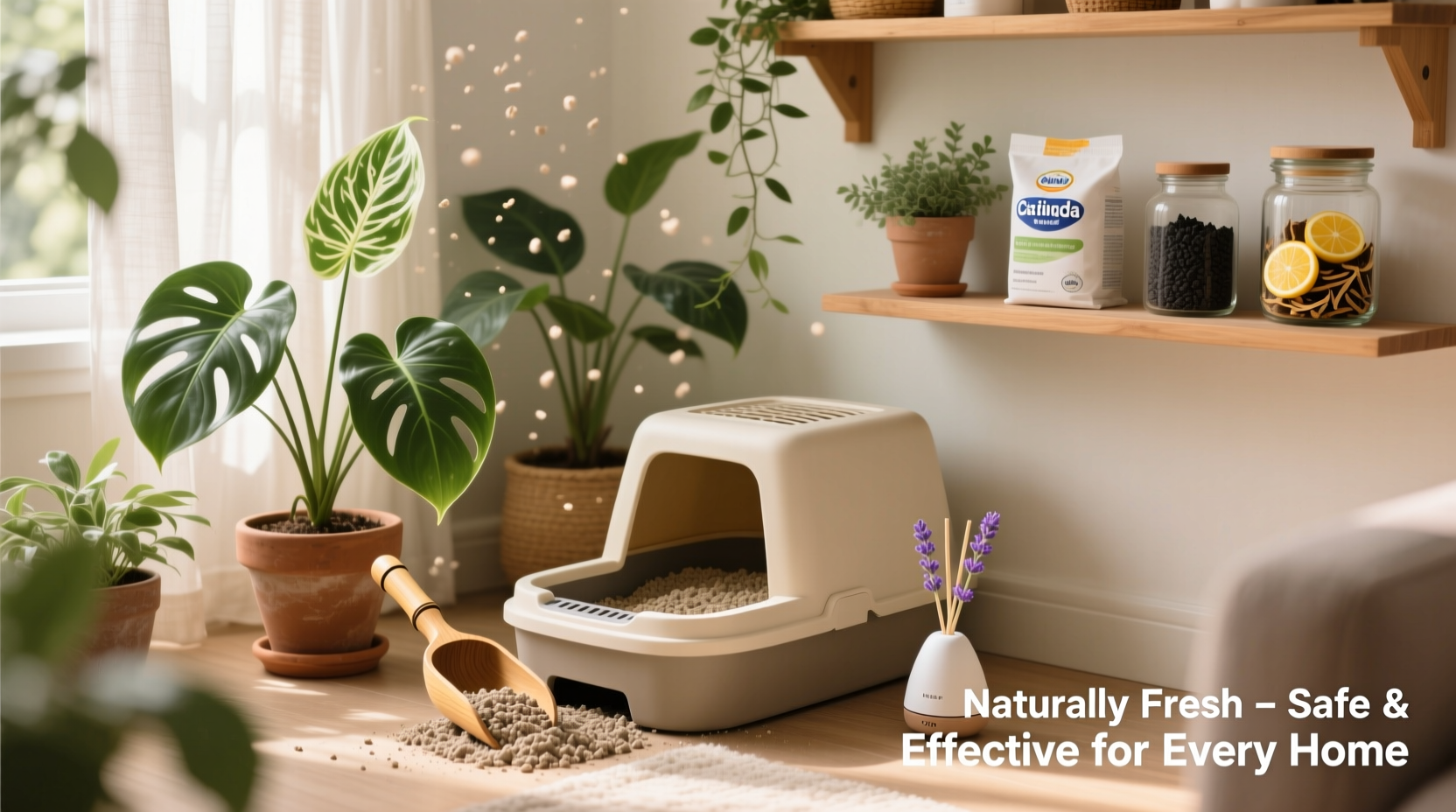
Cat litter smell primarily stems from ammonia produced when urine breaks down, especially in clumping clay litters. Feces also contribute volatile organic compounds (VOCs) that create unpleasant scents. Over time, these odors can embed into carpets, baseboards, and even ventilation systems if not addressed promptly. The key to lasting freshness isn’t masking smells with perfumes—it’s absorbing and neutralizing them using materials that are non-toxic and environmentally sound.
Traditional baking soda has long been used as a natural deodorizer, but modern research shows that other natural agents like activated charcoal, diatomaceous earth, and certain essential oils (used safely) can offer superior absorption and microbial control.
Tip: Clean the litter box daily—removing waste within 12 hours reduces ammonia buildup by up to 70%.Natural Absorbents That Actually Work
Not all natural remedies are equally effective. Some popular DIY suggestions, like sprinkling cinnamon or vinegar directly into litter, may irritate your cat’s respiratory system or paws. Instead, focus on proven, pet-safe materials that target odor molecules rather than simply covering them up.
Baking Soda: The Classic Choice
Sprinkle a thin layer of food-grade baking soda at the bottom of the litter box before adding fresh litter. It absorbs moisture and neutralizes acidic compounds in urine. Replace it completely during each full box change.
Activated Charcoal: The Hidden Powerhouse
Unlike regular charcoal, activated charcoal has a porous structure that traps odor-causing gases. Place small mesh bags of activated charcoal near the litter area or use filters in nearby air purifiers. It's inert and safe around pets when contained properly.
Diatomaceous Earth (Food Grade)
This fine powder, derived from fossilized algae, absorbs moisture and deters bacteria. Use sparingly—no more than a tablespoon per box—and ensure it’s labeled “food grade” to avoid harmful crystalline silica. Avoid inhalation by both pets and humans.
Unscented Clay or Silica Gel Packs
Re-use those little packets from shoeboxes or jerky bags. Place them around the litter station to passively pull moisture from the air. Replace monthly or when they clump.
“Odor control starts with pH balance. Baking soda raises pH slightly, which inhibits bacterial growth responsible for decomposition smells.” — Dr. Lena Patel, Veterinary Environmental Health Specialist
Step-by-Step Guide to a Naturally Fresh Litter Area
Eliminating cat litter smell requires consistency and the right sequence of actions. Follow this routine weekly to maintain a clean environment:
- Remove waste daily: Scoop solids and clumps every morning or evening.
- Ventilate the space: Open a window or run a fan for 15–30 minutes daily near the litter zone.
- Deep clean the box weekly: Empty all litter, wash the box with warm water and mild dish soap (avoid bleach), then dry thoroughly.
- Layer smartly: Add ½ cup baking soda, followed by fresh litter (natural options like pine, paper, or walnut work best).
- Refresh surrounding areas: Wipe baseboards, vacuum under the box, and place open containers of activated charcoal nearby.
- Monitor humidity: If the room feels damp, use a dehumidifier—moisture accelerates odor development.
Do’s and Don’ts of Natural Odor Control
| Do | Don’t |
|---|---|
| Use unscented, plant-based litters (pine, corn, recycled paper) | Use heavily perfumed litters or sprays |
| Place bowls of white vinegar in corners to absorb airborne odors | Pour vinegar directly into litter (can deter cats from using it) |
| Wash litter mats weekly with enzyme cleaner | Ignore tracking—litter granules carry bacteria and odors across floors |
| Try zeolite rocks in a breathable pouch near the box | Use essential oils near litter (e.g., tea tree, citrus—many are toxic to cats) |
Real-Life Example: A Multi-Cat Household Success Story
Sarah Thompson, a pet behavior consultant in Portland, lives with three cats in a 900-square-foot apartment. Despite diligent scooping, she struggled with persistent ammonia smells, especially in winter when windows stayed closed. After switching from clay litter to a pine pellet formula and placing activated charcoal bags in fabric pouches around the utility closet where the boxes were kept, she noticed a dramatic difference within five days.
She also began lining the litter mat with a microfiber towel that she laundered weekly with oxygen-based detergent and added a small bowl of white vinegar on a high shelf nearby. Within two weeks, guests stopped commenting on \"that cat corner smell.\" Sarah says, “I didn’t realize how much odor was just hanging in the air until it was gone.”
Frequently Asked Questions
Can I mix baking soda directly into all types of cat litter?
Yes, in moderation. Baking soda is safe with most litters, including clay, crystal, and plant-based formulas. However, some natural litters (like wheat or corn) may clump excessively when combined with baking soda. Test a small batch first and monitor your cat’s reaction.
Are natural solutions as effective as chemical deodorizers?
When used correctly, yes. Natural methods work slower but last longer because they neutralize rather than mask odors. For example, baking soda continues absorbing long after application, while aerosol sprays only provide temporary cover. Consistency is key—natural approaches require routine maintenance, not one-time fixes.
What should I do if my cat avoids the litter box after trying a new odor absorber?
Stop using the product immediately. Cats have sensitive noses and paws. Even subtle changes in texture or scent can deter usage. Return to a plain, unscented litter and reintroduce additives gradually, one at a time. Never force a solution that compromises your cat’s comfort.
Your Action Checklist for a Fresher Home
- ☑ Scoop waste daily, ideally twice a day
- ☑ Wash the litter box weekly with mild soap and water
- ☑ Add ½ cup baking soda to the bottom of the clean box
- ☑ Place activated charcoal or open vinegar bowls near the area
- ☑ Vacuum and wipe surfaces around the litter station weekly
- ☑ Use a HEPA air purifier with carbon filter if odors persist
- ☑ Switch to a low-dust, plant-based litter for better overall air quality
“The safest air freshener for a home with cats is prevention. A clean box, good airflow, and non-toxic absorbents make all the difference.” — Dr. Marcus Liu, Indoor Air Quality & Pet Health Researcher
Conclusion
Keeping your home free of cat litter odor doesn’t require harsh chemicals or expensive gadgets. By understanding how odors form and using nature’s own absorbents—baking soda, activated charcoal, vinegar, and proper ventilation—you can create a fresher, healthier environment for both you and your cat. These methods are gentle, cost-effective, and sustainable over time. Most importantly, they respect your pet’s well-being while restoring comfort to your living space.
💬 Have a natural trick that tamed your litter box smell? Share your experience below and help fellow cat lovers breathe easier!








