Choosing the perfect plush toy for a child may seem simple, but it’s more nuanced than it appears. While both horse plushies and stuffed dogs are beloved by children worldwide, their appeal varies based on age, personality, developmental stage, and even cultural influences. Parents, caregivers, and gift-givers often wonder: which one truly wins in the hearts of kids? The answer isn’t universal, but understanding key factors can help guide better decisions—and create lasting emotional connections through play.
The Emotional and Developmental Role of Plush Toys
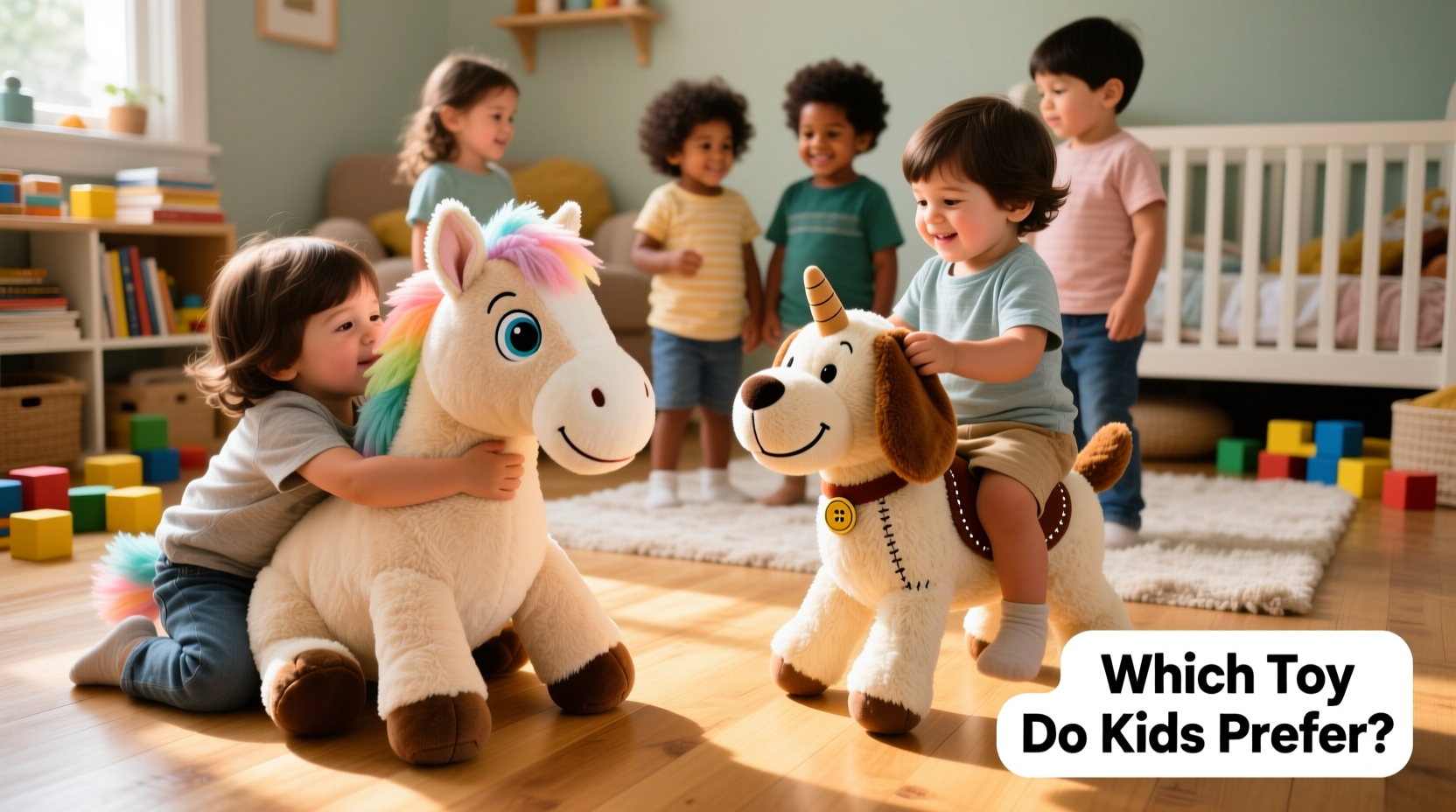
Plush toys aren’t just soft decorations or temporary distractions. They serve as companions during critical stages of childhood development. From fostering emotional regulation to supporting language growth, these toys act as silent allies in a child’s journey toward independence.
Children often project feelings onto plush animals, using them as confidants during moments of stress or joy. This form of imaginative play strengthens empathy, narrative thinking, and social skills. Psychologists note that consistent interaction with a comfort object—especially between ages 2 and 7—can improve resilience and self-soothing behaviors.
“Stuffed animals function as transitional objects, helping children navigate separation anxiety and build confidence in unfamiliar environments.” — Dr. Laura Bennett, Child Development Specialist
Both horses and dogs hold symbolic meaning in children’s minds. Dogs are typically associated with loyalty, protection, and friendship. Horses evoke freedom, adventure, and grace. These associations subtly influence preference, especially as children begin to assign roles and stories to their toys.
Comparing Horse Plushies and Stuffed Dogs: Key Differences
To understand which plush toy resonates more with children, it helps to examine core differences beyond appearance. Below is a detailed comparison across several important dimensions:
| Feature | Horse Plushie | Stuffed Dog |
|---|---|---|
| Sensory Appeal | Longer mane and tail offer tactile stimulation; often made with silky or fuzzy fabrics. | Soft fur textures mimic real pets; floppy ears add interactive elements. |
| Imaginative Play Scenarios | Riding adventures, fairy tales, farm settings, fantasy kingdoms. | Pet care routines, backyard exploration, rescue missions, family role-play. |
| Portability | Larger size may limit ease of carrying; best suited for home or bed. | Compact designs available; many fit easily in backpacks or strollers. |
| Gender Association (Perceived) | Often marketed toward girls; strong link to princess themes. | More gender-neutral appeal; widely accepted across demographics. |
| Emotional Connection | Fantasy-based bonding; ideal for dreamers and storytellers. | Companionship-focused; mirrors real-life pet relationships. |
This table reveals that while both toys support healthy development, they cater to different styles of engagement. A child drawn to storytelling and grand narratives might gravitate toward a horse, whereas one interested in caregiving and daily routines may prefer a dog.
Tip: Observe your child’s existing play patterns before choosing a plush toy. If they frequently pretend to ride animals or save unicorns, a horse could be ideal. If they “feed” dolls or carry around a favorite blanket like a pet, a dog may resonate more.Real-World Preferences: What Data and Observations Show
A 2023 survey conducted by the Early Childhood Play Research Group observed 412 children aged 2–8 in daycare centers and homes across three countries. When given equal access to high-quality horse and dog plush toys, results showed:
- 58% of children initially chose the stuffed dog.
- Girls aged 4–6 were twice as likely to select the horse plushie.
- Boys under 5 showed no significant preference between the two.
- Children with siblings were more likely to treat the dog as a “family member” in role-play.
These findings suggest that while dogs have broader initial appeal, horses capture deeper emotional investment among certain groups—particularly young girls engaged in fantasy play.
Mini Case Study: Emma and the Blue Pony
Emma, age 5, received a gray horse plushie with a lavender mane for her birthday. Initially excited, she named him Stardust and carried him everywhere. Within weeks, however, he was replaced by a smaller brown dog plush from a grocery store giveaway. Her mother noticed a shift: Emma began mimicking feeding, walking, and vet visits—activities she observed from her neighbor’s Labrador.
Despite the horse being visually striking, the dog aligned more closely with Emma’s lived experiences. She didn’t need a fantasy companion; she wanted to practice caretaking. This illustrates a crucial point: familiarity often trumps novelty in long-term attachment.
How to Choose the Right Plush Toy: A Practical Checklist
Instead of assuming one type is universally better, use this checklist to match the toy to the child’s unique needs:
- Assess the child’s current interests: Do they love farms, riding, or magical creatures? Or are they fascinated by pets and animal care?
- Consider sensory preferences: Some children enjoy running fingers through long manes; others prefer the dense, huggable feel of dog-shaped plush.
- Evaluate portability needs: Will the toy travel to preschool, grandparents’ houses, or bedtime only?
- Check for safety standards: Look for securely stitched eyes, non-toxic materials, and machine-washable fabric.
- Allow room for surprise: Sometimes a child bonds unexpectedly. Offer variety when possible without overwhelming.
When the Horse Wins—and When the Dog Does
Certain situations tip the scale in favor of one plush over the other. Understanding these contexts can lead to smarter choices.
Horse plushies shine when:
- The child engages in fantasy or dress-up play.
- They’re learning about animals, farms, or mythology.
- There’s a desire for a “noble” or majestic figure in their world.
- The toy serves as a decorative bedroom piece.
Stuffed dogs win when:
- The family has—or recently lost—a real dog.
- The child seeks emotional security during transitions (e.g., starting school).
- They enjoy nurturing behaviors like “feeding” or “walking” toys.
- Practicality and durability are top priorities.
“Kids don’t fall in love with species—they fall in love with presence. It’s not whether it’s a horse or a dog, but whether it feels like a friend.” — Miguel Reyes, Pediatric Play Therapist
FAQ
Do boys prefer stuffed dogs over horse plushies?
Not necessarily. While marketing often steers boys away from horses, many boys enjoy horse-themed toys, especially if connected to adventure or sports like polo or racing. Avoid assumptions based on gender; focus on individual interests instead.
Can a plush toy help with anxiety?
Yes. Both horse and dog plushies can serve as comfort objects. Dogs may feel more immediately reassuring due to their association with loyalty, but any well-chosen plush that a child identifies with can reduce nighttime fears or separation stress.
At what age do kids stop playing with plush toys?
Most children naturally phase out intense plush attachment between ages 7 and 9. However, some maintain sentimental bonds into adolescence. Never force a child to give up a toy—gradual transition works best.
Final Thoughts: It’s About Connection, Not Category
The debate between horse plushie and stuffed dog ultimately misses the bigger picture. Children don’t choose toys based on species alone—they choose based on how the toy makes them feel. Is it brave? Soft? Trustworthy? Imaginative?
While data shows stuffed dogs have slightly wider initial appeal, horse plushies often inspire deeper creative engagement. The best approach is not to pick a winner, but to understand the child behind the choice. Observe their stories, listen to their questions, and notice what kinds of animals they draw or talk about.
Whether galloping across imaginary meadows or trotting beside a child through tough days, both plushies have earned their place in childhood. The true measure of a toy’s value isn’t popularity—it’s the quiet moment when a child whispers secrets into its ear and believes, just for a second, that it listens.
💬 Have a story about a child’s favorite plush toy? Share your experience below—your insight could help another parent make the perfect choice.








