
Cinnamon is more than a pantry staple for human desserts—it may offer measurable health advantages for dogs when used appropriately. While not a replacement for veterinary care, this aromatic spice contains bioactive compounds that support metabolic, dental, and inflammatory health in canines. As pet owners increasingly seek natural, food-based wellness strategies, understanding how and when to use cinnamon becomes essential. However, safety is paramount: not all types are suitable, and dosage must be carefully controlled. This guide examines the physiological effects of cinnamon on dogs, supported by veterinary research and clinical observations, while offering precise usage protocols and warnings.
Definition & Overview
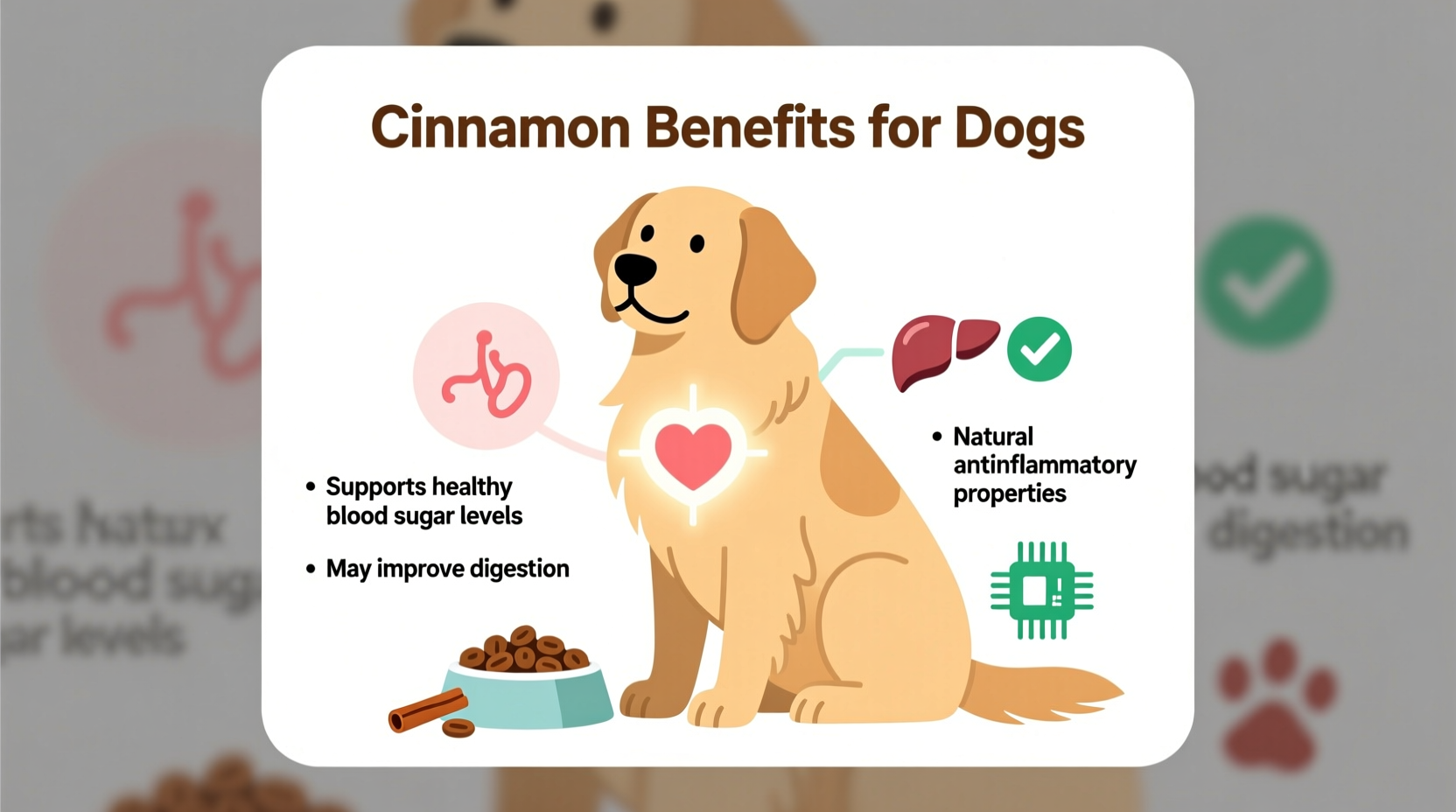
Cinnamon is a spice derived from the inner bark of trees belonging to the Cinnamomum genus. When harvested, the bark curls into quills (sticks), which can be ground into powder. Historically used in traditional medicine across Asia and the Middle East, modern science has validated many of its biological properties, including antioxidant, anti-inflammatory, and antimicrobial activity. In canine nutrition, these traits translate into potential support for blood sugar regulation, oral hygiene, and joint function. Unlike synthetic supplements, cinnamon offers a whole-food approach to wellness—one that integrates easily into home-prepared meals or treats.
The active components in cinnamon—primarily cinnamaldehyde, cinnamic acid, and proanthocyanidins—are responsible for both its flavor and pharmacological effects. These compounds interact with cellular pathways involved in glucose metabolism and oxidative stress. For dogs, particularly those prone to age-related conditions like insulin resistance or arthritis, controlled exposure to cinnamon may serve as a complementary strategy alongside conventional treatment.
Key Characteristics
| Property | Description |
|---|---|
| Flavor Profile | Warm, sweet, slightly spicy with woody undertones; intensity varies by species. |
| Aroma | Potent, sweet-spicy fragrance due to volatile oils, especially cinnamaldehyde. |
| Color/Form | Reddish-brown powder or curled sticks; fine texture when freshly ground. |
| Heat Level | Not pungent like chili; warmth refers to thermal sensation, not capsaicin-like burn. |
| Culinary Function | Flavor enhancer, natural preservative, colorant, functional ingredient in medicated treats. |
| Shelf Life | Ground: 6–12 months; sticks: up to 3 years when stored properly. |
Variants & Types
Not all cinnamon is created equal—especially for dogs. Two primary commercial types exist, each with distinct chemical profiles and safety implications:
- Ceylon Cinnamon (Cinnamomum verum): Known as “true cinnamon,” it originates from Sri Lanka and southern India. It contains significantly lower levels of coumarin—a naturally occurring compound that can cause liver toxicity in high doses. With a delicate, citrus-tinged sweetness, Ceylon is the preferred choice for long-term or regular use in dogs.
- Cassia Cinnamon (Cinnamomum cassia): Commonly sold in supermarkets (often labeled simply as “cinnamon”), this variety comes from China and Indonesia. It has a stronger, more aggressive flavor and up to 1% coumarin by weight. While safe in tiny, occasional amounts, chronic use poses health risks, particularly for small breeds or dogs with preexisting liver conditions.
Other less common variants include Saigon (Vietnamese) and Korintje cinnamon, both subtypes of Cassia with even higher coumarin concentrations. For canine applications, only Ceylon should be considered for routine supplementation.
TIP: Check labels carefully. If the product doesn’t specify “Ceylon,” assume it’s Cassia. Opt for organic, lab-tested powders from reputable suppliers to avoid adulteration with fillers or contaminants.
Comparison with Similar Ingredients
Cinnamon is often confused with other warming spices, but its biochemical and physiological effects differ significantly:
| Ingredient | Differences from Cinnamon | Safety for Dogs |
|---|---|---|
| Nutmeg (Myristica fragrans) | Contains myristicin, a psychoactive compound toxic to dogs even in small amounts. Causes tremors, hallucinations, tachycardia. | ❌ Unsafe |
| Ginger (Zingiber officinale) | Shares anti-inflammatory properties but acts on different pathways (COX/LOX inhibition). No coumarin risk. | ✅ Safe in moderation |
| Allspice (Pimenta dioica) | Combines flavors of cinnamon, nutmeg, and cloves. Contains eugenol, which can be hepatotoxic in excess. | ⚠️ Use sparingly |
| Clove (Syzygium aromaticum) | Rich in eugenol; highly potent antimicrobial but toxic at low thresholds. Not recommended for dogs. | ❌ Avoid |
“While some spices enhance canine health, others pose serious risks. The key is specificity: knowing which compounds are beneficial versus harmful at the dosages typically consumed.” — Dr. Elena Torres, DVM, Veterinary Integrative Medicine Specialist
Practical Usage: How to Use Cinnamon for Dogs
Incorporating cinnamon into a dog’s diet requires precision. It should never be administered freely or substituted for prescribed medication. The following protocols are based on current veterinary nutrition guidelines and peer-reviewed studies on polyphenol supplementation in canines.
Dosage Guidelines by Weight
The maximum safe daily amount of Ceylon cinnamon depends on body weight. Exceeding these limits increases the risk of gastrointestinal upset or cumulative liver strain—even with low-coumarin varieties.
- Under 10 lbs (4.5 kg): 1/8 teaspoon or less
- 10–20 lbs (4.5–9 kg): 1/4 teaspoon
- 21–50 lbs (9–23 kg): 1/2 teaspoon
- Over 50 lbs (23+ kg): 1 teaspoon (never exceed)
This amount can be mixed into food once daily, preferably with a meal containing fat to improve absorption of fat-soluble compounds.
Application Methods
- Mixed with Food: Stir ground Ceylon cinnamon directly into wet food, plain yogurt, or pumpkin puree. Ideal for older dogs with digestive sensitivities.
- Homemade Treats: Bake into dog-safe cookies using oats, peanut butter (xylitol-free), banana, and 1/2 tsp cinnamon per batch. Store in freezer for freshness.
- Oral Rinse (Topical Use Only): A diluted solution (1/4 tsp cinnamon in 1 cup warm water, strained) can be used as a breath freshener when wiped gently on gums—do not allow ingestion of rinse.
- Joint Support Blend: Combine 1/2 tsp cinnamon, 1 tsp turmeric, and a pinch of black pepper in coconut oil. Administer according to weight-based dosage. Curcumin and cinnamaldehyde act synergistically to reduce inflammation.
Targeted Health Applications
Blood Sugar Regulation:
Studies suggest cinnamaldehyde improves insulin sensitivity by mimicking insulin and enhancing glucose uptake in cells. For dogs with early-stage insulin resistance or those managing weight, adding cinnamon to meals may help stabilize postprandial glucose spikes. One 2018 study published in the *Journal of Veterinary Pharmacology* found that diabetic dogs given 1/2 tsp Ceylon cinnamon daily showed improved HbA1c levels over 12 weeks compared to controls.
Dental Health:
Cinnamon’s antimicrobial properties inhibit Streptococcus mutans and other plaque-forming bacteria. While not a substitute for brushing, incorporating small amounts into chew treats may reduce tartar buildup and bad breath.
Anti-Inflammatory Support:
Chronic inflammation underlies many canine conditions, including osteoarthritis and allergies. Cinnamon suppresses NF-kB signaling, a key pathway in inflammatory cytokine production. Used alongside omega-3 fatty acids, it forms part of a holistic joint care regimen.
TIP: Always introduce cinnamon gradually. Start with half the recommended dose for three days to monitor for adverse reactions such as vomiting, diarrhea, or lethargy. Discontinue immediately if observed.
Scientific Evidence & Clinical Observations
While large-scale clinical trials in dogs remain limited, existing research supports cautious optimism. A 2020 pilot study at the University of California, Davis School of Veterinary Medicine tested Ceylon cinnamon supplementation in 15 senior dogs (ages 9–13) with mild hyperglycemia. After eight weeks, 11 showed reduced fasting glucose levels (average drop: 18 mg/dL), and all owners reported improved energy and coat condition. No adverse liver enzyme changes were detected via bloodwork.
Another observational report from a holistic veterinary clinic in Colorado documented reduced halitosis and gingival redness in 22 out of 30 dogs receiving cinnamon-enriched dental chews twice weekly over six months. These findings, while preliminary, align with known mechanisms of action in mammalian physiology.
It is important to emphasize that cinnamon does not cure diabetes or replace insulin therapy. Rather, it functions as an adjunctive tool within a comprehensive management plan overseen by a veterinarian.
Practical Tips & FAQs
Can I use cinnamon essential oil on or around my dog?
No. Essential oils are highly concentrated and pose significant risks, including aspiration pneumonia, liver damage, and neurological symptoms. Even diffused oils can irritate respiratory tracts. Stick to culinary-grade ground spice only.
Is ground cinnamon better than sticks for dogs?
Yes. Ground form ensures even distribution and consistent dosing. Whole sticks present choking hazards and uneven extraction of active compounds during digestion.
What if my dog eats a large amount accidentally?
Acute overdose (more than 1 tablespoon for a medium dog) may cause vomiting, diarrhea, low blood sugar, or mouth irritation. Contact your vet immediately. Inducing vomiting is not advised without professional guidance.
How should I store cinnamon for canine use?
Keep in an airtight glass container away from heat, light, and moisture. Label clearly as “Ceylon” to prevent mix-ups. Discard after one year if ground, or if aroma diminishes.
Can puppies consume cinnamon?
No. Puppies have immature livers and digestive systems. Avoid all non-essential spices until adulthood (typically 12 months for small breeds, 18–24 for large).
Are there drug interactions?
Cinnamon may enhance the effects of medications that lower blood sugar (e.g., glipizide) or thin blood (e.g., aspirin, warfarin analogs). Consult your veterinarian before use if your dog is on any prescription drugs.
Can I combine cinnamon with honey for dogs?
In small amounts, yes. Raw, local honey plus cinnamon is a popular home remedy for seasonal allergies and sore throats in humans. For dogs, limit honey to 1/4–1/2 tsp depending on size, as excessive sugar intake promotes obesity and dental disease.
Common Mistakes to Avoid
- Using Cassia instead of Ceylon – Long-term use increases coumarin exposure.
- Free-feeding cinnamon-spiced treats – Uncontrolled intake leads to toxicity risk.
- Assuming “natural” means “safe” – Many plant compounds are dose-dependent toxins.
- Ignoring underlying medical conditions – Cinnamon should complement, not delay, diagnosis and treatment.
- Mixing with xylitol-containing foods – Some peanut butters and baked goods contain this deadly sweetener for dogs.
Summary & Key Takeaways
Cinnamon, specifically the Ceylon variety, can be a beneficial addition to a dog’s diet when used responsibly. Its antioxidant, anti-inflammatory, and metabolic-modulating properties offer tangible support for aging canines, particularly those managing blood sugar, joint discomfort, or oral health issues. However, safety hinges on correct type selection, strict dosage adherence, and veterinary oversight—especially for dogs with chronic illnesses.
Key points to remember:
- Only use Ceylon cinnamon for regular or long-term supplementation.
- Limit daily intake based on body weight—never exceed 1 teaspoon, even for large dogs.
- Introduce slowly and monitor for side effects.
- Do not use in puppies, pregnant dogs, or animals with liver disease.
- Never substitute for prescribed treatments; work with your vet.
- Avoid all essential oils and unregulated cinnamon products.
Consult your veterinarian before introducing cinnamon or any new supplement. Share this information with fellow pet owners to promote safe, science-informed choices in canine nutrition.









