French Bulldogs are beloved companions known for their compact build, expressive eyes, and affectionate nature. However, their distinctive flat-faced (brachycephalic) anatomy comes with unique health challenges—especially when it comes to breathing. One of the most critical decisions a French Bulldog owner must make involves choosing between a collar and a harness for walks. Given that these dogs already struggle with airflow due to narrowed airways, any added pressure on the neck can worsen respiratory distress. Understanding the physiological risks and long-term implications of each option isn't just about comfort—it’s about safety.
Anatomy of a French Bulldog: Why Breathing Matters
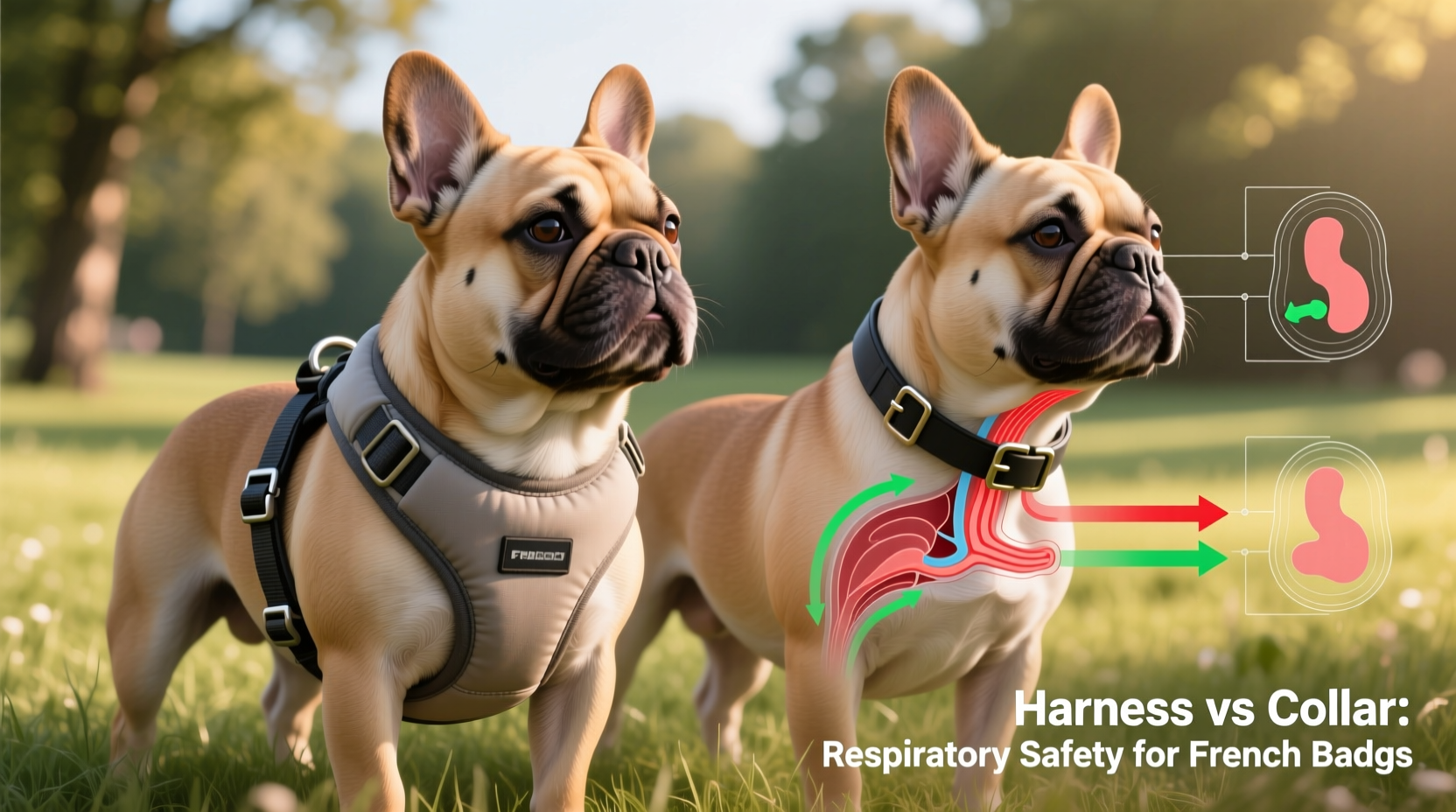
French Bulldogs belong to the brachycephalic breed group, meaning they have shortened skulls and compressed nasal passages. This structure leads to a condition known as Brachycephalic Obstructive Airway Syndrome (BOAS), which affects many flat-faced dogs. Components of BOAS include stenotic nares (narrowed nostrils), an elongated soft palate, a narrow trachea, and everted laryngeal saccules—all of which restrict airflow and increase respiratory effort.
Because of this compromised airway system, French Bulldogs often breathe through their mouths, snort, snore, or pant heavily even at rest. Any external pressure on the trachea or neck can further restrict breathing, leading to coughing, gagging, or in severe cases, collapse. Veterinarians consistently emphasize minimizing stress on the upper airway, especially during physical activity like walking or play.
“Applying pressure to the neck of a brachycephalic dog—even briefly—can trigger tracheal irritation, spasms, or oxygen deprivation. Harnesses eliminate this risk by distributing force across the chest rather than the throat.” — Dr. Laura Simmons, DVM, Veterinary Respiratory Specialist
Collars: Risks for Brachycephalic Dogs
Traditional collars fasten around the neck and are commonly used for identification tags and everyday control. While acceptable for some breeds, they pose significant dangers for French Bulldogs:
- Tracheal Compression: Even light pulling can compress the windpipe, which is already narrower than average in Frenchies.
- Aggravation of BOAS Symptoms: Pressure on the neck may worsen existing airway obstructions, increasing labored breathing.
- Coughing and Gagging: Many owners report their French Bulldog choking or making honking noises when wearing a collar—often a sign of tracheal irritation.
- Long-Term Damage: Chronic pressure can lead to tracheal collapse, a painful and potentially life-threatening condition requiring surgery.
A 2020 study published in The Veterinary Journal found that dogs restrained via neck collars experienced significantly higher spikes in respiratory rate and signs of distress compared to those using front-clip harnesses—especially during brief tugs or sudden movements.
Tip: If you must use a collar—for ID tags, for example—choose one made of soft, wide material and only use it alongside a properly fitted harness during walks.Harnesses: The Safer Alternative
Harnesses distribute pressure over the dog’s torso instead of concentrating it on the neck. For French Bulldogs, this shift in load-bearing is not just preferable—it’s medically advisable. There are several types of harnesses, but not all offer equal benefits.
Types of Harnesses Compared
| Type | Pressure Distribution | Safety for French Bulldogs | Notes |
|---|---|---|---|
| Back-Clip Harness | Moderate; force pulls from behind shoulders | Acceptable, but allows pulling | Can encourage leash-pulling behavior; less control |
| Front-Clip Harness | Excellent; redirects dog toward handler | Highly recommended | Reduces strain, discourages pulling, better control |
| Vest-Style Harness | Even across chest and back | Very safe if properly fitted | Comfortable for long walks; ensure no rubbing under arms |
| Choke Chain / Prong Collar | Concentrated on neck | Not recommended | Extremely dangerous for brachycephalic breeds |
Front-clip harnesses are widely considered the gold standard for French Bulldogs. When the dog pulls, the design gently turns them back toward the owner, reducing tension and preventing lunges that could strain the airway. They also minimize twisting and chafing, which is crucial for dogs with sensitive skin—a common trait in Frenchies.
Real-Life Example: Max the Frenchie’s Turning Point
Max, a three-year-old French Bulldog from Portland, Oregon, had always worn a standard nylon collar. His owner, Sarah, noticed he frequently coughed after walks and seemed reluctant to go outside during warmer months. After a vet visit, Max was diagnosed with early-stage tracheal irritation linked to collar use. The veterinarian recommended switching immediately to a front-clip harness.
Within two weeks of using a padded, adjustable harness, Sarah observed dramatic changes: Max walked more willingly, stopped coughing mid-walk, and no longer panted excessively afterward. A follow-up exam confirmed reduced inflammation in his upper airway. “I didn’t realize something as simple as changing his walking gear could make such a difference,” Sarah said. “It wasn’t just comfort—it was protecting his ability to breathe.”
Step-by-Step Guide to Choosing and Using a Safe Harness
Selecting the right harness is only half the battle—proper fit and consistent use are equally important. Follow this timeline to ensure your French Bulldog stays safe and comfortable.
- Week 1: Research and Select
Choose a front-clip or vest-style harness made from breathable, lightweight material. Look for adjustable straps at the neck, chest, and girth. Popular trusted brands include Rabbitgoo, Kurgo, and 2 Hounds Design. - Day 1: Introduce Gradually
Let your dog sniff and explore the harness. Place it near treats or meals. Do not fasten it yet. - Day 2–3: Short Wear Sessions
Put the harness on for 5–10 minutes at home with no pressure. Reward calm behavior with praise or treats. - Day 4–5: Practice Movement
Walk your dog around the house or yard while wearing the harness. Use a leash but avoid tension. - Day 6–7: Outdoor Testing
Take short outdoor walks (5–10 minutes). Monitor for signs of discomfort, slipping, or restricted movement. - Ongoing: Daily Checks
Inspect the harness weekly for wear, and recheck fit monthly—especially in younger dogs who are still growing.
Checklist: Is Your French Bulldog’s Walking Gear Safe?
- ✅ Uses a front-clip or well-fitted vest harness
- ✅ Avoids neck collars during walks or training
- ✅ Has identification tags attached to a separate soft collar (if needed)
- ✅ Shows no signs of coughing, gagging, or heavy panting post-walk
- ✅ Fits properly—snug without restricting movement or circulation
- ✅ Made of non-irritating, breathable fabric (e.g., neoprene, mesh)
- ✅ Replaced every 12–18 months or sooner if worn
Frequently Asked Questions
Can I ever use a collar on my French Bulldog?
You can use a soft, wide collar for holding ID and vaccination tags, but never rely on it for walking or restraint. Always pair it with a harness during outdoor activity. Avoid narrow or rigid collars, which concentrate pressure on small areas of the neck.
What if my French Bulldog resists wearing a harness?
Resistance is often due to unfamiliarity or past discomfort. Introduce the harness slowly using positive reinforcement. Let your dog associate it with treats, play, or mealtime. If chafing occurs, switch to a model with more padding or a different cut. Some dogs prefer step-in harnesses over overhead styles.
Are retractable leashes safe with a harness?
No. Retractable leashes encourage pulling and can cause sudden jerks that strain the chest and shoulders—even with a harness. They also increase the risk of injury if the dog lunges forward unexpectedly. Use a standard 4–6 foot fixed-length leash for better control and safety.
Expert Consensus and Industry Recommendations
Major veterinary organizations—including the American Veterinary Medical Association (AVMA) and the Royal Society for the Prevention of Cruelty to Animals (RSPCA)—advocate for harness use in brachycephalic breeds. Training professionals and canine rehabilitation specialists echo this guidance, emphasizing that prevention of respiratory trauma begins with daily choices like equipment selection.
Dr. Alicia Nguyen, a certified canine rehabilitation therapist, notes: “We see too many French Bulldogs come in with chronic coughs or exercise intolerance that trace back to years of collar use. Switching to a harness isn’t just a preference—it’s preventive medicine.”
Conclusion: Prioritizing Breathability for a Healthier Life
For French Bulldog owners, every decision impacts their pet’s fragile respiratory balance. Choosing a harness over a collar is one of the simplest yet most impactful steps you can take to safeguard your dog’s breathing, reduce stress, and improve quality of life. It’s not merely about avoiding immediate harm—it’s about fostering long-term wellness in a breed predisposed to airway challenges.
The shift requires minimal effort but delivers lasting benefits: calmer walks, fewer vet visits, and a happier, healthier companion. Whether you’re a new Frenchie parent or a seasoned owner, now is the time to evaluate your current gear and make the switch if needed. Your dog can’t speak for themselves—but you can act on their behalf.
💬 Have experience with harnesses or concerns about your French Bulldog’s breathing? Share your story or ask questions in the comments—your insight could help another owner make a safer choice today.








