For dog owners dealing with a strong or excitable pet that pulls on walks, choosing the right walking gear isn't just about convenience—it's about safety, comfort, and long-term health. The debate between harnesses and collars for pulling dogs centers on one critical question: which provides superior control while eliminating the risk of choking? While traditional collars have long been standard, modern training science and veterinary research increasingly favor harnesses—especially for dogs prone to tugging. Understanding the mechanics, risks, and benefits of each option is essential for making an informed decision that protects your dog’s well-being while improving your walking experience.
How Pulling Affects Your Dog’s Body
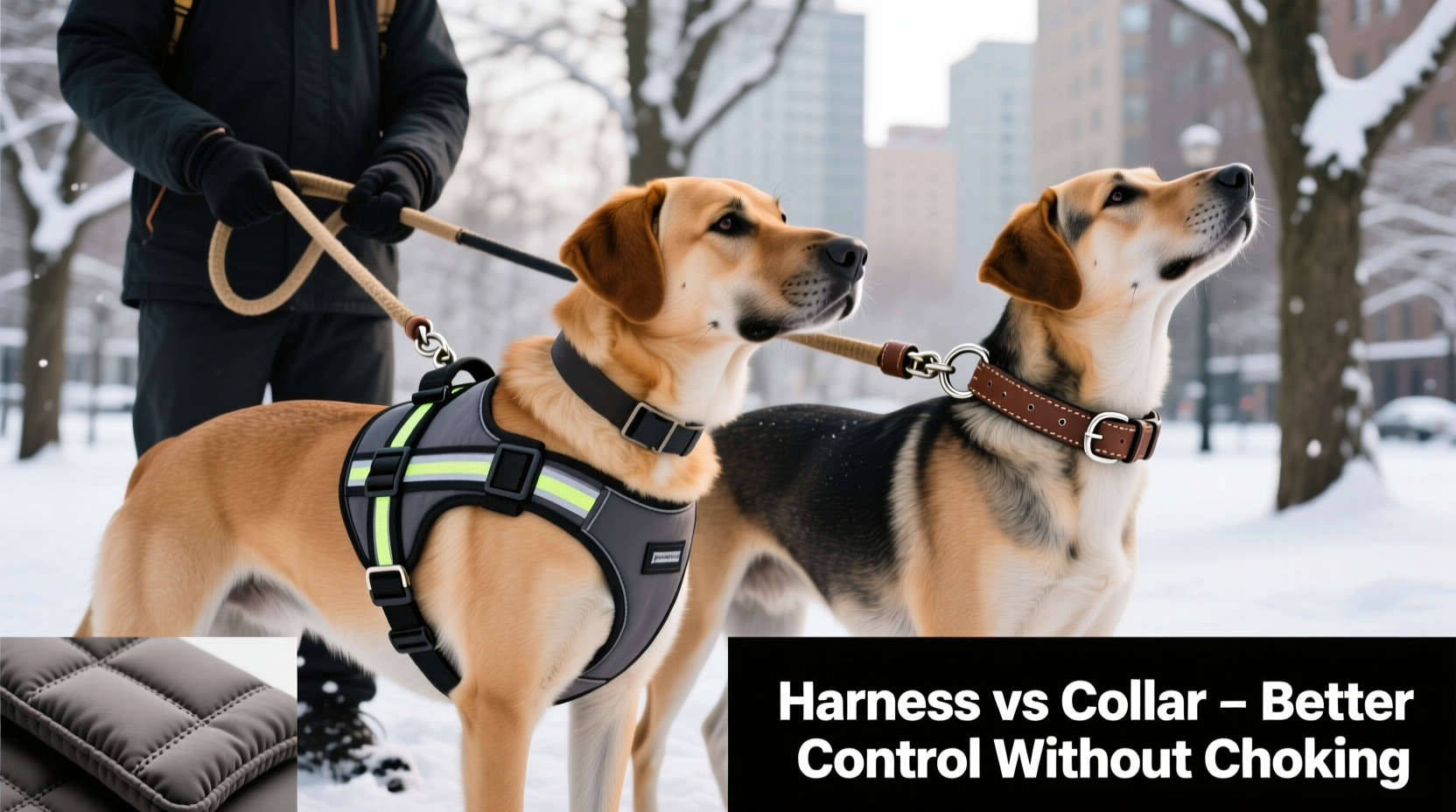
When a dog pulls on a leash, especially while wearing a collar, significant pressure is applied directly to the neck. This area houses the trachea, thyroid gland, lymph nodes, and cervical spine. Repeated strain can lead to chronic issues such as tracheal collapse, eye pressure changes (a concern for breeds predisposed to glaucoma), and even nerve damage. Studies show that even brief episodes of forceful pulling can generate enough pressure to temporarily restrict blood flow to the brain.
Dogs that lunge suddenly—often in response to stimuli like other animals or loud noises—are particularly vulnerable. A sudden jerk on a collar can cause microtrauma over time, leading to coughing, gagging, or reluctance to walk. In brachycephalic breeds like Pugs or Bulldogs, whose airways are already compromised, this risk is amplified.
“Dogs don’t outgrow pulling—they learn from it. Every yank on the neck teaches them that tension equals forward motion. That’s why we must use equipment that redirects rather than punishes.” — Dr. Sarah Wilson, Veterinary Behaviorist
Collars: Simplicity with Serious Drawbacks
Flat collars are convenient for holding ID tags and are often used for everyday wear. However, when it comes to controlling a pulling dog, they present several disadvantages:
- Neck trauma risk: Direct pressure on sensitive structures increases injury potential.
- Limited control: Dogs can easily twist out of collars, especially if improperly fitted.
- Reinforces pulling behavior: Forward momentum during pulls conditions dogs to pull harder.
- Ineffective for training: Offers no leverage for redirection or guidance.
Some owners turn to correction collars like choke chains or prong collars, believing they offer more control. These tools rely on pain or discomfort to deter pulling, but they carry ethical and medical concerns. Research published in the *Journal of Veterinary Behavior* indicates that aversive tools increase stress hormones and can damage the human-animal bond.
Tip: Never use a retractable leash with a collar on a dog that pulls. The extended length encourages lunging, and sudden stops can cause severe neck injuries.Harnesses: Design, Types, and Advantages
A well-designed harness distributes pressure across the dog’s chest and shoulders instead of concentrating it on the neck. This makes harnesses inherently safer for dogs that pull. Not all harnesses are created equal, though. There are three primary types commonly used for managing pulling behavior:
| Type | Pressure Distribution | Control Level | Best For |
|---|---|---|---|
| Standard Back-Clip Harness | Chest and back | Moderate | Casual walkers with mild pulling |
| Front-Clip Harness | Chest and shoulders | High | Dogs that pull strongly |
| No-Pull Harness (Dual-Clip) | Full torso | Very High | Training and behavior modification |
Front-clip harnesses attach the leash to a ring on the dog’s chest. When the dog pulls forward, the harness gently turns them back toward the handler—a natural resistance that discourages pulling without causing pain. Dual-clip harnesses offer versatility: use the front clip for training and the back clip for relaxed walks once behavior improves.
Proper fit is crucial. A loose harness can chafe or allow escape; a tight one restricts movement. To check fit, slide two fingers under each strap. The harness should lie flat without twisting, and the chest clip should sit just above the shoulders.
Real-World Example: Transforming a Reactive Puller
Max, a two-year-old German Shepherd, was adopted by a first-time owner who struggled with daily walks. At every sight of another dog or cyclist, Max would lunge violently, choking himself on his nylon collar. His owner feared losing control and considered rehoming him. After consulting a certified trainer, they switched to a front-clip no-pull harness and began a structured training plan.
Within three weeks, Max’s pulling decreased by 70%. The harness redirected his forward motion, giving his owner time to cue calm behavior. Combined with positive reinforcement, the tool became part of a broader strategy—not a quick fix, but a key component in building focus and self-control.
“The harness didn’t train Max,” his owner said. “It gave us both a chance. Before, every walk was a battle. Now, he looks at me for cues instead of charging ahead.”
Step-by-Step Guide to Transitioning from Collar to Harness
Switching to a harness requires patience and consistency. Follow these steps to ensure a smooth transition:
- Choose the right type: Start with a front-clip or dual-clip no-pull harness suited to your dog’s size and strength.
- Introduce gradually: Let your dog sniff and inspect the harness. Reward curiosity with treats.
- Practice indoors: Put the harness on for short periods while doing calm activities. Remove it after positive interactions.
- Add leash pressure simulation: Gently tug the leash to mimic walking resistance, rewarding your dog for staying calm.
- Begin short outdoor sessions: Walk in low-distraction areas. Redirect pulls using the harness’s turning effect and reward attention.
- Phase in training: Combine the harness with commands like “heel” or “let’s go” to reinforce desired behavior.
- Monitor fit and comfort: Check for rubbing or restricted movement weekly, adjusting as needed.
Common Myths About Harnesses Debunked
Despite growing evidence supporting harnesses, misconceptions persist:
- Myth: Harnesses encourage pulling.
Reality: Poorly designed or incorrectly used harnesses may allow pulling, but front-clip models actively discourage it through directional feedback.
- Myth: Harnesses are only for small dogs.
Reality: Large, powerful breeds benefit most from the even weight distribution and improved handling control.
- Myth: Dogs will become dependent on the harness.
Reality: A harness is a management tool, not a crutch. Paired with training, it helps dogs learn better habits.
Checklist: Choosing the Right Equipment for a Pulling Dog
Use this checklist before purchasing a harness or collar:
- ✅ Does the dog pull consistently or lunge unpredictably?
- ✅ Has the dog shown signs of neck discomfort (coughing, gagging)?
- ✅ Is the breed prone to respiratory or spinal issues?
- ✅ Am I committed to combining equipment with positive reinforcement training?
- ✅ Have I measured my dog’s chest girth and neck size accurately?
- ✅ Does the harness allow full range of motion without riding up?
- ✅ Can I adjust the straps for a snug, non-restrictive fit?
- ✅ Is the material durable and easy to clean?
Expert Recommendations and Long-Term Strategy
Veterinary professionals and certified trainers overwhelmingly recommend harnesses for dogs that pull. The American Animal Hospital Association (AAHA) guidelines state that \"non-aversive tools that minimize physical strain should be prioritized in canine training.\"
However, no piece of equipment replaces training. A harness enhances control and reduces harm, but lasting change comes from teaching alternative behaviors. Techniques like capturing attention, using high-value rewards, and managing the environment are essential complements.
“The best control isn’t force—it’s communication. A good harness supports that dialogue by keeping the dog comfortable and focused.” — Karen Patel, CPDT-KA Certified Dog Trainer
Think of the harness as seatbelt for walking: it doesn’t drive the car, but it keeps everyone safe when unexpected movements occur.
Frequently Asked Questions
Can I still use a collar with a harness?
Yes. Many owners keep a lightweight collar under the harness for ID tags. Just ensure the collar doesn’t interfere with the harness fit or rub against the dog’s skin.
Will a harness stop my dog from pulling completely?
Not on its own. A front-clip harness significantly reduces pulling by redirecting momentum, but consistent training is required to teach your dog to walk calmly beside you.
Are there any dogs that shouldn’t wear a harness?
Dogs with certain orthopedic conditions (like shoulder injuries) may need special designs. Always consult your vet if your dog has a known medical issue. Most dogs, however, benefit from a properly fitted harness.
Conclusion: Prioritize Safety, Control, and Connection
The choice between a harness and a collar for a pulling dog isn’t merely about preference—it’s a decision that impacts your dog’s physical health and emotional well-being. While collars remain suitable for identification and well-trained dogs, they fall short when it comes to managing pulling safely. Modern harnesses, particularly front-clip and dual-clip designs, offer superior control without compromising comfort or risking injury.
Equipping yourself with the right tool is only the beginning. True success lies in combining effective gear with patient, reward-based training. Every walk becomes an opportunity to strengthen your bond, build trust, and guide your dog toward calmer, more attentive behavior.
💬 Ready to transform your walks? Start by measuring your dog for a well-fitted front-clip harness and commit to one week of distraction-free training. Share your progress or questions in the comments—your journey could inspire others facing the same challenges.








