Dogs that pull on the leash are a common challenge for pet owners. While some see it as a behavioral issue, others recognize the physical risks involved—especially to the dog’s neck and throat. When a dog pulls while wearing a collar, pressure is directly applied to the trachea, cervical spine, and surrounding soft tissues. Over time, this can lead to chronic injuries, breathing difficulties, and even long-term neurological issues. The choice between a harness and a collar isn’t just about control—it’s about health. Understanding which option causes less throat damage is essential for responsible dog ownership.
Anatomy of Canine Neck Stress During Leash Pulling
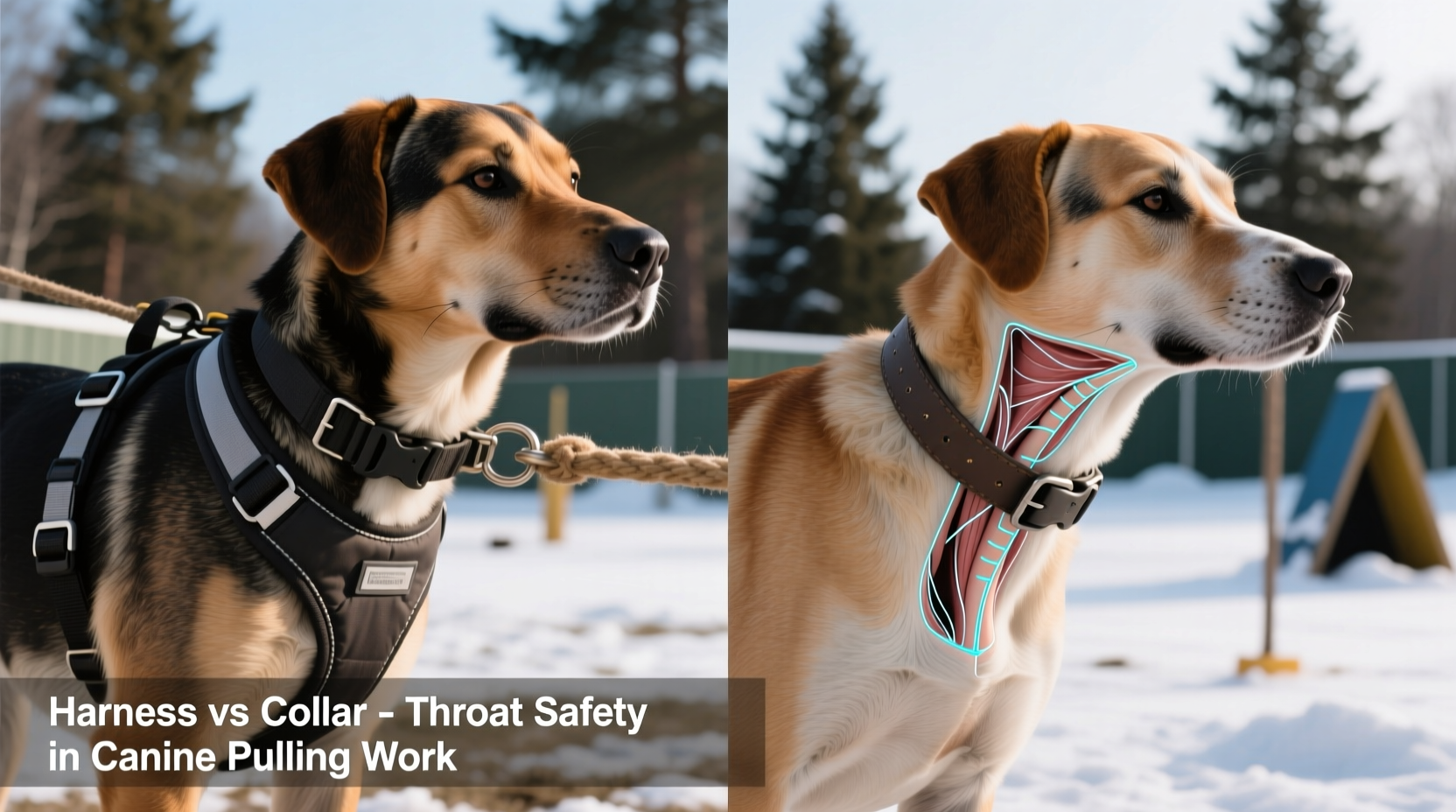
A dog’s neck contains vital structures: the trachea (windpipe), esophagus, thyroid glands, jugular veins, carotid arteries, and cervical vertebrae. Unlike humans, dogs do not have a reinforced neck structure designed to withstand forward traction forces. When a dog pulls against a traditional neck collar, the force concentrates across a small area of the neck, often at the base where the trachea is most exposed.
Studies using pressure sensors and veterinary imaging have shown that even moderate pulling can generate over 30 pounds of force on a collar. This pressure can collapse the tracheal rings, especially in small breeds like Pomeranians, Chihuahuas, and Yorkshire Terriers, which are predisposed to tracheal collapse. In larger breeds, sustained strain may contribute to disc degeneration or nerve impingement in the neck.
“Repeated pressure on a dog’s neck from collar pulling can lead to irreversible damage, including tracheal deformation and laryngeal paralysis.” — Dr. Karen Bennett, Veterinary Neurologist
The mechanics are straightforward: the harder the dog pulls, the greater the compression. Even brief episodes during an excited walk can accumulate into chronic conditions over months or years. This makes selecting the right walking equipment not just a matter of convenience, but of preventive medicine.
How Harnesses Reduce Throat Pressure
Harnesses distribute force across broader areas of the body—the chest, shoulders, and back—rather than focusing it on the neck. A well-fitted front-clip harness, in particular, redirects pulling by turning the dog gently to the side when tension occurs, reducing strain and discouraging forward momentum.
There are three main types of harnesses used for dogs that pull:
- Front-clip harnesses: Attach the leash to a ring on the dog’s chest. These are most effective at discouraging pulling because they create gentle steering resistance.
- Rear-clip harnesses: Clip at the back, offering more comfort but less control. They still protect the neck but may encourage pulling in strong dogs due to increased leverage.
- No-pull hybrid harnesses: Combine elements of both, often with dual clips and adjustable straps to balance safety and training effectiveness.
Research published in the *Journal of Veterinary Behavior* found that dogs wearing front-clip harnesses exhibited significantly reduced tracheal pressure compared to those on neck collars—even when pulling with equal force. The study concluded that switching to a harness could reduce the risk of respiratory injury by up to 75% in chronically pulling dogs.
Tip: Always adjust the harness snugly so it doesn’t shift or rub, but ensure you can fit two fingers underneath any strap for proper fit.When Collars Pose the Greatest Risk
While collars remain popular for identification tags and everyday wear, their use during walks—especially with pulling-prone dogs—is increasingly discouraged by veterinarians and trainers alike. Certain situations dramatically increase the danger:
- Reactive lunging: Dogs that lunge at other animals or stimuli create sudden, high-force impacts on the neck. This can fracture tracheal cartilage or induce fainting episodes due to vagus nerve stimulation.
- Chronic daily strain: Daily walks with consistent pulling may seem minor individually, but cumulative stress leads to inflammation, scar tissue formation, and progressive airway narrowing.
- Pre-existing conditions: Dogs with brachycephalic syndrome (e.g., Bulldogs, Pugs) already struggle with airflow. Adding collar pressure exacerbates breathing problems and increases heatstroke risk.
Even “gentle” correction tools like prong or choke collars, often marketed as safer alternatives, apply concentrated pressure points around the neck. These devices rely on discomfort to modify behavior but do nothing to prevent anatomical harm—they may, in fact, increase the risk of soft tissue injury.
In contrast, harnesses eliminate direct neck loading entirely. Even if a dog pulls hard, the force is absorbed by musculoskeletal structures better equipped to handle it, such as the pectoral muscles and ribcage.
Comparison: Harness vs Collar for Throat Safety
| Feature | Neck Collar | Harness (Front-Clip) |
|---|---|---|
| Pressure on Trachea | High – direct compression | Negligible – force redirected |
| Risk of Injury Over Time | High – chronic strain possible | Low – distributed load |
| Suitability for Pullers | Poor – encourages injury | Excellent – reduces pulling instinctively |
| Impact on Breathing | Can restrict airflow during tension | No effect on windpipe |
| Ease of Use | Simple to put on | May require adjustment period |
| Veterinarian Recommendation | Not recommended for pullers | Strongly recommended |
This comparison underscores why modern canine care guidelines favor harnesses for walking, particularly for dogs that haven’t yet learned loose-leash manners. While collars still serve a purpose for ID tags and short indoor use, they should not be the primary attachment point during walks involving any degree of pulling.
Real-World Example: Transforming a Puller with a Harness
Max, a two-year-old Australian Shepherd, was brought to a Denver-based dog training clinic after his owner reported frequent coughing and reluctance to walk. Max pulled so aggressively that walks had become stressful for both dog and handler. A veterinary exam revealed mild tracheal irritation and early signs of bronchial inflammation.
The trainer replaced Max’s nylon collar with a front-clip harness and introduced positive reinforcement techniques for attention and heel work. Within three weeks, Max’s pulling decreased by over 70%, and his coughing episodes ceased entirely. Follow-up X-rays six months later showed no progression of airway changes.
His owner noted, “I didn’t realize how much pain he might have been in. Switching to the harness wasn’t just about training—it was about protecting his health.”
This case illustrates how a simple equipment change can yield both behavioral and medical benefits. It also highlights the importance of early intervention before permanent damage occurs.
Step-by-Step Guide to Transitioning from Collar to Harness
Switching your dog from a collar to a harness requires patience and consistency. Follow these steps to ensure a smooth transition:
- Choose the right harness: Select a front-clip model designed for pulling dogs. Ensure it fits properly—snug but not tight, with adjustable chest and girth straps.
- Introduce it gradually: Let your dog sniff and inspect the harness. Offer treats during handling to create positive associations.
- Practice indoors: Put the harness on for short periods inside the house while playing or feeding. Gradually increase duration.
- Attach the leash without walking: Let your dog drag the leash (supervised) to get used to the feeling. Reward calm behavior.
- Begin short outdoor sessions: Start with five-minute walks in low-distraction areas. Use treats to reward walking beside you.
- Be consistent: Use the harness every time you go outside. Avoid switching back to the collar for walks.
- Monitor fit and function: Check for chafing, slipping, or restricted movement. Adjust straps as needed.
Most dogs adapt within one to two weeks. Pairing the harness with training reinforces good habits and accelerates progress.
Checklist: Choosing a Safe Walking System
- ✅ Prioritize a harness for all walks, especially with known pullers
- ✅ Choose a front-clip design for maximum pulling reduction
- ✅ Ensure the harness fits securely—no slipping or pinching
- ✅ Continue using a collar for ID tags, but remove it during walks if using a harness
- ✅ Avoid prong, choke, or shock collars—they increase injury risk
- ✅ Consult a veterinarian if your dog shows coughing, gagging, or breathing changes
- ✅ Reinforce good leash behavior with rewards, not corrections
Frequently Asked Questions
Can a dog still choke while wearing a harness?
Properly fitted harnesses do not compress the trachea, so choking is extremely unlikely. However, an ill-fitting harness that slips upward toward the neck could potentially press on the throat. Always ensure the harness sits behind the front legs and does not ride up.
Is it okay to use a collar for walking if my dog only pulls occasionally?
Even occasional pulling generates harmful pressure spikes. If your dog lunges at squirrels or other dogs, a momentary jerk on a collar can cause injury. For safety, switch to a harness for all outdoor excursions involving leash use.
Do harnesses make dogs pull more?
This misconception comes from rear-clip harnesses, which can give strong dogs more leverage. Front-clip harnesses are specifically designed to discourage pulling by redirecting movement. Used correctly, they reduce pulling over time when combined with training.
Expert Consensus and Industry Trends
The veterinary and professional dog training communities overwhelmingly support harness use for dogs that pull. Organizations such as the American Animal Hospital Association (AAHA) and the Pet Professional Guild (PPG) advocate for force-free methods and equipment that minimize physical risk.
“We’ve moved beyond debating whether harnesses are better—we now ask why anyone would choose to walk a pulling dog on a collar.” — Sarah Thornton, CPDT-KA, Canine Behavior Consultant
Modern dog sports, including agility and obedience trials, now require harnesses for safety. Even police and service dog programs are adopting harness-based systems during training phases to protect long-term health.
Conclusion: Protect Your Dog’s Health with the Right Choice
The evidence is clear: harnesses cause significantly less throat damage than collars for dogs that pull. While collars have their place in identification and casual use, they are not designed to manage the forces generated during active walking—especially with energetic or reactive dogs.
Choosing a harness isn’t just about improving control; it’s an investment in your dog’s long-term well-being. Preventing tracheal injury, reducing strain on the spine, and supporting healthy respiration are outcomes every responsible pet owner should prioritize.
If your dog pulls, consider the switch to a front-clip harness today. Pair it with positive reinforcement training, and you’ll not only protect their throat—you’ll transform your walks into enjoyable, stress-free experiences for both of you.
💬 Have questions about harnesses or want to share your success story? Join the conversation below and help fellow dog owners make safer choices.








