
French Bulldogs are beloved for their expressive faces, compact build, and affectionate personalities. However, their unique anatomy—particularly their brachycephalic (short-nosed) structure and predisposition to respiratory issues—makes proper walking gear essential. Choosing between a collar and a harness isn't just about style or convenience; it's a decision that directly impacts your dog’s ability to breathe safely during daily walks. For French Bulldogs, even minor pressure on the neck can lead to breathing difficulties, tracheal collapse, or long-term airway damage. Understanding the differences between collars and harnesses, and how each affects your Frenchie’s health, is critical for responsible pet ownership.
Anatomy Matters: Why French Bulldogs Are at Risk
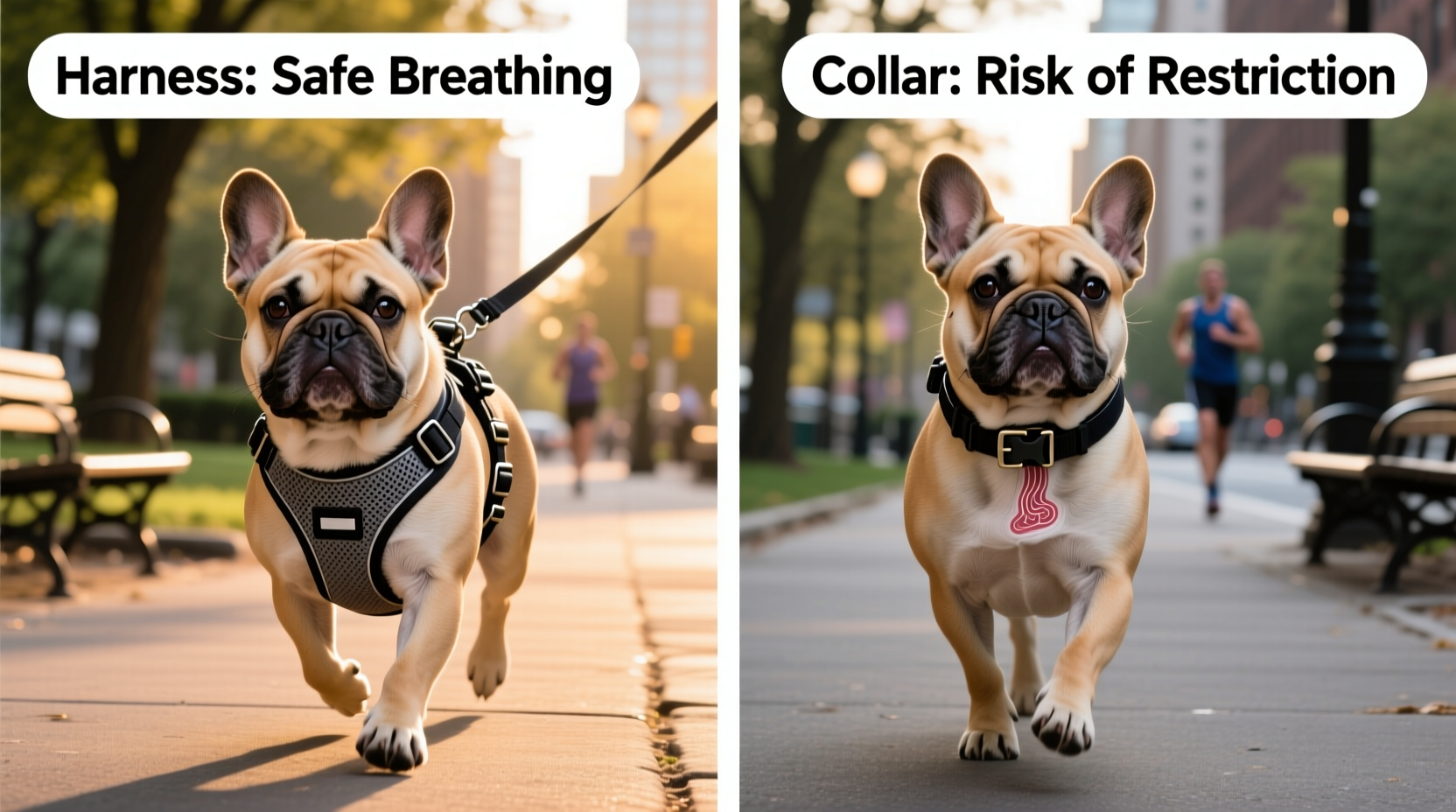
French Bulldogs are brachycephalic, meaning they have shortened skulls and compressed nasal passages. This anatomical feature leads to Brachycephalic Obstructive Airway Syndrome (BOAS), a condition affecting airflow and increasing the risk of overheating, snoring, and exercise intolerance. Their windpipes are naturally narrower than those of other breeds, making them more vulnerable to compression.
When a leash is attached to a collar, any pulling—even gentle tugging—transfers force directly to the trachea and neck muscles. Over time, this pressure can cause inflammation, cartilage weakening, and in severe cases, tracheal collapse. A 2020 study published in The Veterinary Journal found that dogs with pre-existing respiratory conditions experienced significantly higher respiratory rates when walked with collars versus harnesses.
“Applying pressure to the neck of a brachycephalic breed like the French Bulldog can exacerbate existing breathing problems and potentially lead to irreversible damage.” — Dr. Sarah Thompson, DVM, Canine Respiratory Specialist
Because Frenchies often get excited on walks, sudden lunges or distractions can result in abrupt strain on the neck. Even well-trained dogs may react unpredictably to stimuli like squirrels or loud noises. Given these risks, many veterinarians now recommend avoiding traditional neck collars altogether for short-faced breeds.
Collar vs. Harness: A Functional Comparison
At first glance, collars seem simpler: easy to put on, lightweight, and ideal for holding ID tags. But functionality must be weighed against safety, especially for dogs with compromised airways. Here’s a detailed comparison:
| Feature | Neck Collar | Harness |
|---|---|---|
| Pressure Distribution | Concentrated on neck and trachea | Distributed across chest and shoulders |
| Safety for Breathing | Poor – risk of airway compression | Excellent – minimizes neck strain |
| Control During Walks | Moderate – prone to slipping or choking | High – better steering and redirection |
| Comfort for Sensitive Skin | Risk of chafing behind ears and throat | Generally higher comfort if properly fitted |
| Ease of Use | Very easy to put on/take off | May require adjustment; some styles take practice |
| Suitable for Pulling | No – increases injury risk | Yes – especially front-clip designs |
While collars may suffice for brief identification purposes, they fail as primary walking equipment for French Bulldogs. Harnesses, particularly those designed with front-clip attachment points, offer superior control without compromising respiratory function.
Tip: Always attach the leash to the front ring of a no-pull harness to discourage pulling and reduce forward momentum.Types of Harnesses: Which One Is Best for Your Frenchie?
Not all harnesses are created equal. Some styles provide better support and safety than others. Here are the most common types and their suitability for French Bulldogs:
- Back-Clip Harness: The leash attaches to a ring on the dog’s back, between the shoulder blades. While widely available, this design still allows dogs to pull effectively and shifts weight toward the front legs. Acceptable for calm dogs but not ideal for strong pullers.
- Front-Clip Harness: Leash connects to a ring on the chest, redirecting the dog’s movement when they pull. This encourages them to turn toward the handler, reducing strain and promoting better walking behavior. Highly recommended for French Bulldogs.
- Y-Harness (Dual-Attachment): Features both front and back clips, offering versatility. You can use the front clip for training and the back clip for relaxed walks. Provides balanced support and is excellent for transitional training.
- Vest Harness: Covers more of the torso and distributes pressure evenly. Often padded for comfort. Ideal for dogs with sensitive skin or anxiety, but ensure it doesn’t restrict shoulder movement.
When selecting a harness, prioritize fit over fashion. A poorly fitted harness—too tight or too loose—can cause chafing, limit mobility, or slip off entirely. Measure your dog’s girth behind the front legs and consult sizing charts before purchasing.
Real Example: From Wheezing to Walking Comfortably
Mark adopted a 2-year-old French Bulldog named Milo who loved walks but often stopped mid-route, panting heavily and refusing to move. His veterinarian diagnosed mild tracheal irritation and suggested switching from a nylon collar to a front-clip harness. Within a week of using a Y-harness with reflective stitching and padded straps, Milo’s breathing improved dramatically. He now completes full neighborhood circuits without distress. Mark noted, “I didn’t realize how much pressure I was putting on his neck just by letting him sniff ahead. The harness changed everything.”
Step-by-Step Guide to Transitioning to a Harness
If your French Bulldog has always worn a collar, transitioning to a harness requires patience and positive reinforcement. Follow these steps to ensure a smooth adjustment:
- Introduce the harness indoors: Let your dog sniff and explore it. Offer treats near the harness to create a positive association.
- Practice wearing it briefly: Fasten the harness and let your Frenchie wear it for 5–10 minutes while playing or eating. Gradually increase duration over several days.
- Attach the leash inside: Once comfortable, clip the leash and walk around the house. Reward calm behavior with praise and small treats.
- Begin outdoor walks: Start with short outings in quiet areas. Use the front clip to gently guide your dog if they pull.
- Monitor fit and feedback: Check for rubbing, slipping, or signs of discomfort. Adjust straps as needed and replace if wear appears.
Avoid forcing the process. If your dog resists, return to earlier steps and reinforce with consistency and kindness. Most French Bulldogs adapt within a week.
Essential Checklist Before Buying a Harness
To ensure you select the safest and most effective option, use this checklist before making a purchase:
- ✅ Designed specifically for small or brachycephalic breeds
- ✅ Adjustable straps at neck, chest, and belly for secure fit
- ✅ Front leash attachment point to discourage pulling
- ✅ Made from breathable, non-abrasive materials (e.g., neoprene, mesh)
- ✅ Reflective elements for visibility in low light
- ✅ Easy to clean (machine washable or wipeable)
- ✅ No metal parts pressing into armpits or under shoulders
- ✅ Lightweight construction to avoid overheating
Frequently Asked Questions
Can I still use a collar with a harness?
Yes, many owners keep a lightweight collar under the harness solely for ID tags. Just make sure the collar is loose enough not to press against the skin and never attach the leash to it during walks.
Are there situations where a collar might be acceptable?
In controlled environments—such as indoors or in a fenced yard—a collar may be used temporarily. However, for any form of walking, training, or public access, a harness is strongly advised for French Bulldogs.
How tight should the harness be?
The harness should fit snugly but allow two fingers to slide between the straps and your dog’s body. Too loose, and it may slip off; too tight, and it can restrict breathing or cause chafing.
Final Thoughts: Prioritizing Health Over Habit
The choice between a collar and a harness for your French Bulldog isn’t merely logistical—it’s a health decision. These dogs are not built for the kind of neck pressure that traditional collars impose. By switching to a well-fitted, front-clip harness, you’re not only preventing potential injury but also enhancing your dog’s comfort, confidence, and enjoyment of outdoor activity.
Many owners resist change because collars feel familiar or because their dog initially resists the harness. But with thoughtful introduction and consistent use, the benefits far outweigh the transition effort. Your French Bulldog relies on you to make choices that support their physical well-being, especially when they can’t speak for themselves.
🚀 Take action today: Evaluate your current walking gear. If you're using a collar, consider investing in a high-quality harness designed for brachycephalic breeds. Your Frenchie’s next walk could be their easiest and safest one yet.








