
For dog owners dealing with a strong or excitable pet, walking can quickly turn into a battle of wills. When a dog pulls on the leash, it’s not just frustrating—it can be dangerous. The wrong equipment can lead to injury, discomfort, or even long-term health issues for your dog. The central question becomes: should you use a harness or a collar for dogs that pull? Both have their place, but when it comes to control and safety, one often outperforms the other depending on the situation.
Understanding the biomechanics of pulling, the design differences between collars and harnesses, and how each affects your dog’s body is essential in making an informed decision. This article breaks down the pros and cons, compares real-world performance, and offers actionable guidance so you can choose the safest, most effective option for your four-legged companion.
How Pulling Affects Your Dog’s Body
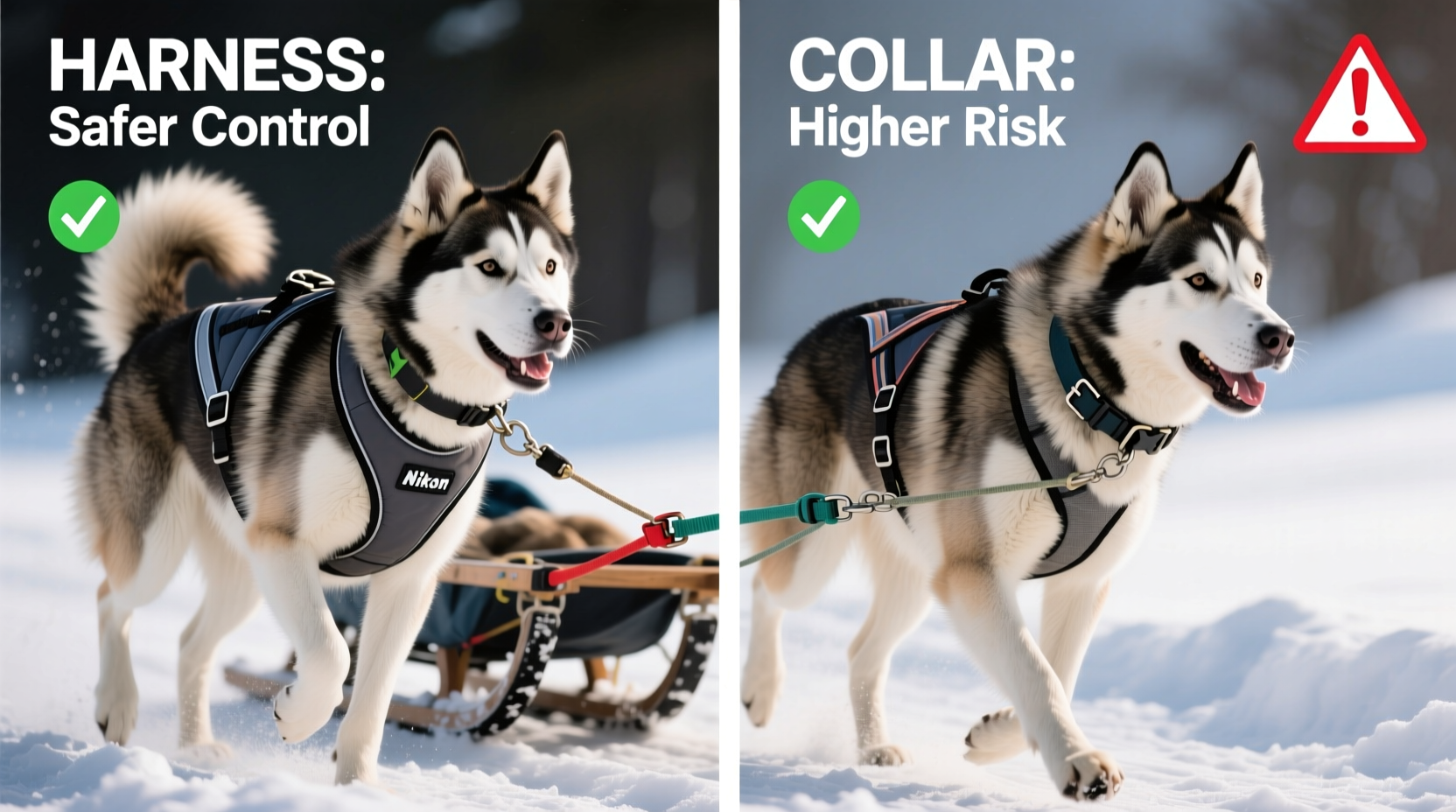
When a dog pulls against a collar, significant pressure is exerted on the neck—specifically around the trachea, thyroid, and cervical spine. Repeated strain can lead to chronic conditions such as collapsed trachea, hypothyroidism from gland compression, or nerve damage. Small breeds like Pomeranians or Chihuahuas are especially vulnerable due to their delicate airways.
A study published in the *Journal of Veterinary Behavior* found that dogs wearing traditional neck collars experienced spikes in intraocular pressure during leash pulling—indicating stress on the nervous system. This effect was significantly reduced when dogs wore well-fitted front-clip harnesses.
In contrast, a properly designed harness distributes force across the chest and shoulders, areas better equipped to handle tension. This reduces strain on sensitive anatomical regions and allows for more humane control.
“Dogs that pull consistently on collars risk both acute injuries and long-term degenerative issues. Harnesses, particularly front-attaching models, offer a safer alternative by redirecting force away from the neck.” — Dr. Sarah Jensen, DVM, Canine Rehabilitation Specialist
Types of Collars and Their Risks for Pulling Dogs
Not all collars are created equal. While some are designed for identification or light walking, others attempt to manage pulling through aversive mechanisms. Here's a breakdown of common collar types and their suitability for dogs that pull:
| Type of Collar | How It Works | Safety Concerns | Suitable for Pullers? |
|---|---|---|---|
| Flat Buckle Collar | Holds ID tags; minimal control | Neck pressure during pulling | No – high risk if used alone |
| Choke Chain (Check Chain) | Tightens around neck when pulled | Potential tracheal damage, spinal injury | No – banned in many countries |
| Prong/Pinch Collar | Metal prongs press into neck skin | Pain-based correction; skin abrasions | Rarely – only under professional supervision |
| Head Halter (e.g., Gentle Leader) | Controls head movement via nose loop | Can cause panic if misused; improper fit leads to eye strain | Yes – with proper training and fit |
While head halters offer more control than standard collars, they still rely on restricting head motion, which some dogs find aversive. They require careful introduction and positive reinforcement to avoid fear-based reactions.
Tip: Never use choke or prong collars without direct guidance from a certified trainer. These tools carry significant risk and are ineffective without consistent behavioral training.Types of Harnesses: Which Offers the Best Control?
Harnesses vary widely in design, attachment points, and functionality. For dogs that pull, the key factors are control, comfort, and safety. Below are the main types:
- Back-Clip Harness: Attaches at the top of the back, between the shoulders. Common and comfortable, but does little to discourage pulling—dogs can lean forward easily.
- Front-Clip Harness: Leash attaches to a ring on the chest. When the dog pulls, the harness gently turns them toward you, discouraging forward momentum. Offers superior control and is ideal for training.
- Dual-Clip Harness: Features rings on both the front and back. Allows flexibility—you can use the front clip for training and switch to the back for relaxed walks once behavior improves.
- No-Pull Harness: Often combines front clipping with structural features like martingale tightening or steering redirection. Brands like Easy Walk and Freedom Harness fall into this category.
Front-clip harnesses are widely recommended by veterinarians and trainers for dogs that pull. Research shows they reduce pulling force by up to 70% compared to back-clip designs, simply due to the mechanical redirection they provide.
Why Front-Clip Harnesses Work Better
The physics are simple: when a dog lunges forward while wearing a front-clip harness, the leash tension rotates their body slightly toward the handler. This natural pivot makes it harder to maintain forward momentum and encourages attention. Over time, this feedback helps dogs learn that pulling doesn’t get them where they want to go.
Additionally, because pressure is distributed across the sternum and shoulders—areas with more muscle and less vulnerability—the risk of injury is dramatically lower than with neck-based restraint.
Step-by-Step Guide to Transitioning from Collar to Harness
If you're switching from a collar to a harness for better control, do it gradually to ensure your dog adapts comfortably and positively.
- Choose the Right Harness: Measure your dog’s girth behind the front legs and consult sizing charts. Ensure snugness without restriction—two fingers should fit beneath any strap.
- Introduce Off-Leash First: Let your dog wear the harness indoors with treats and praise. Avoid attaching a leash initially.
- Add Leash Gradually: After 2–3 days of successful indoor wear, attach the leash in a distraction-free area (like your backyard).
- Practice Directional Cues: Use treats to guide your dog into turns whenever they move forward. Reward any shift toward you when tension occurs.
- Start Short Walks: Begin with 5–10 minute walks in low-distraction environments. Focus on reinforcing loose-leash walking.
- Monitor Fit and Skin Health: Check weekly for chafing, especially under the armpits. Adjust straps as needed.
Consistency over two to four weeks typically results in noticeable improvement in pulling behavior, especially when paired with positive reinforcement techniques.
Real-World Example: Transforming a Strong-Pulling Labrador
Meet Max, a three-year-old Labrador Retriever adopted from a shelter. Max loved squirrels, bicycles, and pulling his owner halfway down the block before she could react. His previous owner used a standard flat collar, resulting in frequent coughing and strained walks.
His new owner consulted a certified dog trainer who recommended a front-clip harness (the PetSafe Easy Walk model) combined with reward-based training. Within the first week, Max began turning toward his handler when he felt leash tension. By week three, he was walking within arm’s length on 80% of outings. After six weeks, off-leash recalls and focus improved significantly.
Critically, Max stopped coughing after walks—a sign that neck strain had been reduced. His owner reported feeling more confident and less physically drained. This case illustrates how the right tool, used correctly, can transform both behavior and well-being.
Do’s and Don’ts: Harness vs Collar Safety Checklist
Checklist:- DO measure your dog accurately before buying a harness.
- DO choose a front-clip or dual-clip harness for dogs that pull.
- DO pair equipment changes with positive reinforcement training.
- DO check harness fit monthly, especially in growing puppies.
- DON’T use choke, prong, or shock collars as a first-line solution.
- DON’T allow excessive slack in the leash—tight lines encourage pulling.
- DON’T ignore signs of discomfort like limping, coughing, or reluctance to walk.
Frequently Asked Questions
Can I still use a collar with a harness?
Yes—and you should. Most experts recommend keeping a lightweight collar with ID tags even when using a harness. The harness handles control, while the collar ensures your dog can be identified if lost. Just make sure the collar isn’t tight enough to cause friction under the harness straps.
Are harnesses bad for a dog’s shoulders?
Poorly designed or ill-fitting harnesses can restrict shoulder movement, especially in active breeds like Border Collies or Greyhounds. Look for harnesses with cutouts behind the front legs and flexible materials. Avoid models that ride too high on the chest or compress the armpits.
Will a harness stop my dog from pulling completely?
A harness alone won’t eliminate pulling—it’s a management and training tool. While front-clip harnesses greatly reduce pulling force, lasting change requires consistent training. Think of the harness as training wheels: it supports learning, but doesn’t replace instruction.
Conclusion: Prioritizing Safety and Long-Term Success
When it comes to controlling a dog that pulls, the evidence is clear: a well-fitted front-clip harness provides superior safety and control compared to traditional collars. It protects your dog’s neck, reduces injury risk, and supports humane training methods. While certain collars like head halters have niche applications, they come with limitations and potential discomfort that harnesses avoid.
The goal isn’t just to survive a walk—it’s to build a cooperative, enjoyable experience for both dog and owner. Choosing the right gear is the first step. Pairing it with patience, consistency, and positive reinforcement creates lasting results.
💬 Have you switched from a collar to a harness for your pulling dog? Share your story or tips in the comments below—your experience could help another owner make a safer choice today.








