For equestrian enthusiasts, collectors, or gift-givers, horse charms are more than decorative trinkets—they symbolize connection, passion, and personal identity. Whether dangling from a bracelet, attached to a keychain, or gifted as a sentimental token, these small emblems carry emotional weight. But when choosing between handmade and mass-produced options, a critical question arises: is the uniqueness of a handcrafted piece truly worth the higher price tag? The answer depends on what you value—uniformity and affordability, or individuality, craftsmanship, and story.
The Craft Behind Handmade Horse Charms
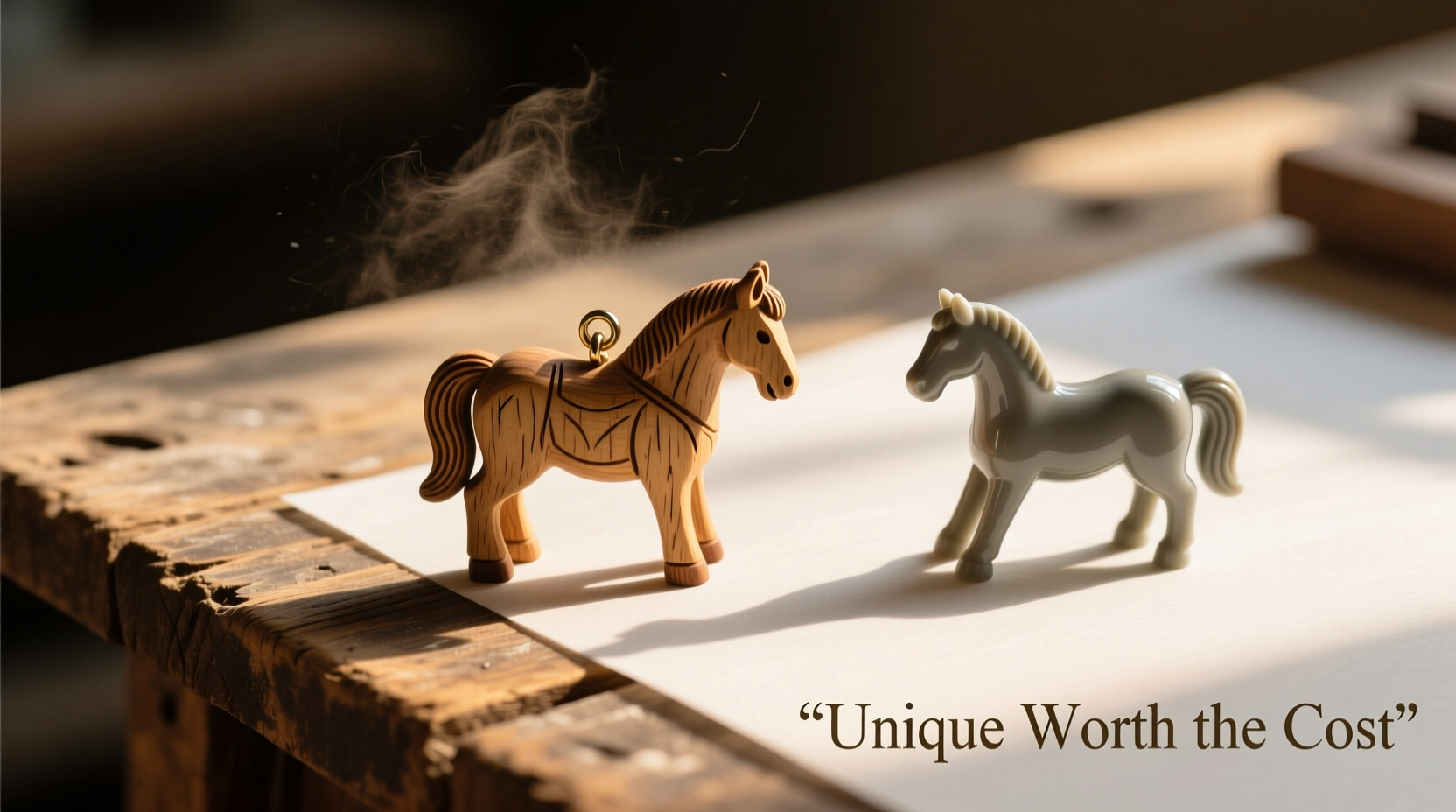
Handmade horse charms are typically created by artisans using traditional techniques such as metal casting, engraving, or sculpting in wax before pouring molten silver, bronze, or gold. Each piece begins with a sketch or model, then evolves through meticulous shaping, polishing, and finishing. Because no two are exactly alike, subtle variations in texture, weight, and detail become part of their charm.
Artisans often draw inspiration from real horses, historical equestrian motifs, or personal experiences in riding and ranch life. This emotional investment translates into work that feels alive—not just manufactured. Many makers also use ethically sourced materials and sustainable practices, appealing to environmentally conscious buyers.
Tip: When buying handmade, ask about the artist’s process and materials—authentic creators are proud to share their story.Mass Production: Efficiency at Scale
Mass-produced horse charms are typically stamped or die-cast from molds in factories, often overseas. These processes prioritize speed, consistency, and low unit costs. As a result, they’re widely available in retail stores, online marketplaces, and souvenir shops at prices often under $10.
While convenient and uniform, these charms frequently lack depth in design. Details like mane flow, musculature, or facial expression may be simplified or generic. Materials are usually base metals plated with silver or gold, which can wear off over time, exposing cheaper alloys underneath. Long-term durability is often compromised for affordability.
Additionally, because thousands of identical units are made, the emotional resonance is diminished. A mass-produced charm might represent “a horse,” but rarely conveys the spirit of a specific breed, discipline, or personal journey.
Comparing Value: A Side-by-Side Analysis
| Feature | Handmade Charms | Mass-Produced Charms |
|---|---|---|
| Uniqueness | Each piece is one-of-a-kind with minor variations | Identical across all units |
| Materials | Solid sterling silver, bronze, or gold; often recycled | Base metal with thin plating; prone to tarnishing |
| Craftsmanship | Hand-finished, detailed, and durable | Mechanically stamped, less refined details |
| Lifespan | Years to decades with proper care | Months to a few years before wear sets in |
| Price Range | $50–$200+ | $5–$25 |
| Emotional Value | High—often tied to personal meaning or gifting | Low to moderate—functional or decorative |
When Handmade Truly Pays Off
The premium for handmade isn’t just about aesthetics—it’s an investment in longevity, ethics, and emotional significance. Consider a mother commissioning a custom horse charm based on her daughter’s first pony. The artisan captures the horse’s distinctive markings, posture, and even the bridle style used in lessons. This isn’t merely jewelry; it’s a wearable memory.
“People don’t buy my charms because they need another trinket. They buy them because they want to carry a piece of something meaningful.” — Lena Torres, Equestrian Jewelry Artisan
In contrast, a mass-produced charm might look similar at first glance but lacks that narrative depth. It’s suitable for casual use, party favors, or temporary accessories—but not for heirloom-quality keepsakes.
Mini Case Study: The Bridle Path Collection
A boutique riding school in Vermont wanted to honor its top students with end-of-season gifts. They chose between two options: a $12 factory-made horse charm or a $75 locally crafted sterling silver piece. They opted for the handmade version, working with a blacksmith who specialized in equine art. Each charm was engraved with the student’s name and year.
Five years later, alumni still wear the charms. One former student shared that hers survived a move across three states, daily wear, and even a swimming accident—still shining without tarnish. Meanwhile, the school had previously given out plated charms that flaked within months. The initial savings weren’t worth the long-term disappointment.
How to Choose What’s Right for You
Not every situation demands a handmade charm. Your decision should align with your purpose, budget, and values. Use this checklist to guide your choice:
- ✅ Am I buying this as a lasting gift or personal keepsake?
- ✅ Do I value craftsmanship and supporting independent artists?
- ✅ Will this be worn daily or stored as a memento?
- ✅ Am I willing to pay more for eco-friendly materials and ethical production?
- ✅ Is visual uniqueness important, or do I prefer uniformity?
If most answers are “yes,” handmade is likely the better fit. If you’re outfitting a group event on a tight budget or need temporary decor, mass-produced may suffice.
Step-by-Step Guide to Buying a Quality Handmade Charm
- Define your purpose: Is it for gifting, collecting, or personal wear?
- Set a realistic budget: Expect to spend $50+ for quality materials and labor.
- Research artisans: Look for verified sellers on platforms like Etsy, craft fairs, or equestrian expos.
- Review materials: Confirm if the charm is solid metal, not plated.
- Ask questions: Inquire about production time, customization, and return policies.
- Check reviews: Read feedback from past buyers about durability and customer service.
- Purchase with confidence: Support makers who stand behind their work.
Frequently Asked Questions
Are handmade horse charms more durable than mass-produced ones?
Generally, yes. Handmade charms are often crafted from solid metals like sterling silver or bronze, making them more resistant to wear and corrosion. Mass-produced versions frequently use thin plating over base metals, which chips or tarnishes quickly with regular use.
Can I customize a handmade horse charm?
Most artisans offer customization options such as engraving names, dates, or specific horse breeds. Some can even create a design based on a photo. This level of personalization is rarely available with factory-made products.
Do handmade charms come with certification of authenticity?
Reputable makers often provide a certificate of authenticity, especially for precious metals. This includes details like metal type, weight, and the artist’s signature—adding value for collectors and resellers.
Conclusion: Beyond Price, Toward Meaning
The higher cost of a handmade horse charm isn’t just about labor and materials—it reflects intention, artistry, and legacy. While mass-produced options serve a practical role, they rarely inspire the same emotional connection. For those who ride, love horses, or cherish symbolic tokens, investing in a handcrafted piece means owning something that tells a story, endures over time, and supports creative independence.
In a world of endless replication, choosing handmade is a quiet act of appreciation—for skill, for beauty, and for the unique bond between humans and horses. If you’ve ever felt that certain objects carry more soul than others, a handmade charm might be worth every extra dollar.
💬 Have a favorite horse charm story? Share your experience in the comments—whether it’s handmade or cherished despite being mass-produced, your insight could help others make meaningful choices.








