Types of Hamster Cage Water Bottles
A reliable water bottle is essential for keeping your hamster hydrated, healthy, and active. Unlike open water dishes, bottles reduce contamination from bedding, food, and waste. With various designs and materials available, choosing the right type ensures consistent access to clean water while minimizing spills and maintenance.
Below is a detailed breakdown of the most common types of hamster cage water bottles, each with unique features, advantages, and considerations to help you make an informed decision.
Stainless Steel Bottles
Durable and resistant to rust and chewing, stainless steel bottles are a long-term investment for responsible pet owners.
Advantages
- Extremely durable and chew-resistant
- Does not degrade or discolor over time
- Hygienic and easy to clean
- Secure cage attachment prevents tipping
Limitations
- Higher initial cost
- Heavier than plastic alternatives
- Limited availability in small sizes
Best for: Owners seeking long-term durability and chew-proof solutions
Nozzle Bottles
Equipped with precision nozzles that release water only when touched, these bottles minimize leaks and waste.
Advantages
- Prevents spillage and dripping
- Controlled water flow reduces waste
- Adjustable nozzle height for proper ergonomics
- Widely available and affordable
Limitations
- Nozzle may clog with mineral buildup
- Requires regular cleaning and testing
- Some hamsters need time to learn how to use it
Best for: Most hamster cages, especially those with limited space or active pets
Automatic Water Dispensers
These smart bottles maintain a continuous flow of fresh water using valve-controlled systems that activate on demand.
Advantages
- Ensures constant hydration
- Reduces frequency of refills
- Minimizes evaporation and contamination
- Ideal for travel or multi-pet households
Limitations
- More complex mechanism = higher failure risk
- Potential for leaks if not installed properly
- Requires thorough cleaning to prevent biofilm
Best for: Busy owners, breeders, or multi-hamster enclosures
Gravity-Fed Bottles
Utilizes natural water pressure to refill the drinking chamber as levels drop, maintaining consistent availability.
Advantages
- Simple, reliable design with no moving parts
- Low maintenance and easy to refill
- Inexpensive and widely used
- Effective for short-term or temporary setups
Limitations
- May develop airlocks preventing flow
- Requires frequent monitoring of water level
- Potential for overflow if tipped
Best for: Basic enclosures, temporary housing, or budget-friendly setups
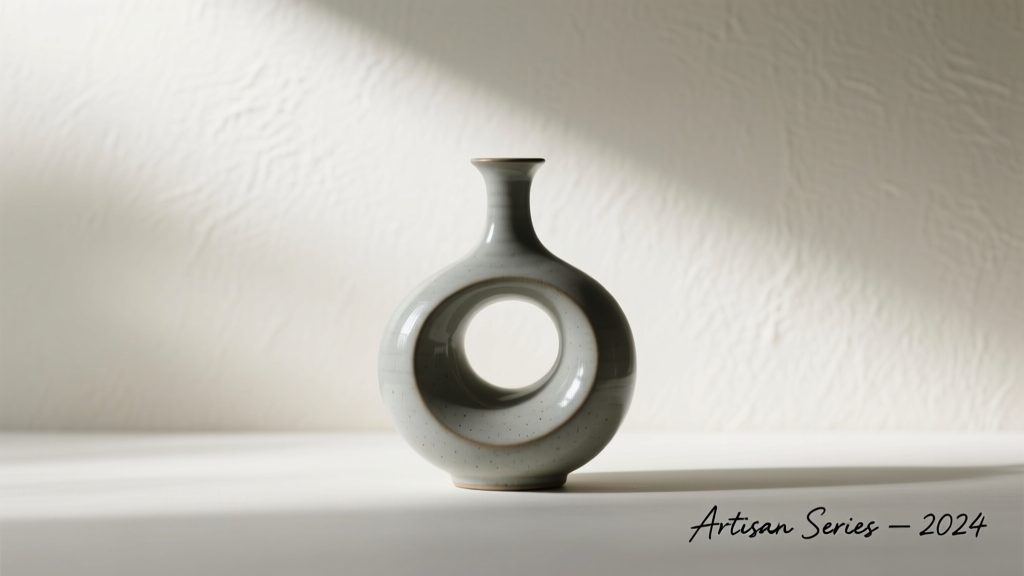
Ceramic Bottles
Heavy-duty, non-toxic ceramic bottles offer a chew-proof and stable water solution for energetic hamsters.
Advantages
- Naturally chew-resistant and safe
- Heavy base prevents tipping
- Non-porous surface resists bacteria
- Eco-friendly and free from plastics
Limitations
- Fragile—can crack or chip if dropped
- Difficult to mount securely on some cages
- Limited design options and flow control
Best for: Active or aggressive chewers, natural-material enthusiasts
| Type | Durability | Chew Resistance | Hygiene | Best For |
|---|---|---|---|---|
| Stainless Steel | Excellent | Excellent | Excellent | Long-term use, chew-proof needs |
| Nozzle Bottles | Good | Good | Very Good | Most standard cages, leak prevention |
| Automatic Dispensers | Good | Good | Very Good | Multihousing, low-maintenance setups |
| Gravity-Fed | Fair | Fair | Good | Budget setups, temporary use |
| Ceramic | Good | Excellent | Very Good | Active chewers, eco-conscious owners |
Expert Tip: Regardless of type, check your hamster's water bottle daily for clogs, leaks, or low levels. Clean bottles weekly with a bottle brush and mild vinegar solution to prevent algae and mineral buildup, ensuring your pet always has access to fresh, safe water.
Function, Features, and Design of Hamster Cage Water Bottles
Providing clean, reliable hydration is essential for maintaining the health and well-being of pet hamsters. Unlike bowls, which can be easily tipped over or contaminated by bedding and food, water bottles offer a controlled, spill-resistant method of hydration. Thoughtfully designed hamster water bottles combine functionality, durability, and ease of use to ensure your pet stays hydrated while minimizing mess and maintenance.
Primary Function: Reliable Hydration for Small Pets
The main purpose of a hamster water bottle is to deliver fresh water consistently and hygienically. Hamsters are active diggers and climbers, making open water bowls impractical—they often end up spilled, buried, or soiled. Water bottles eliminate this issue by mounting securely to the outside of the cage, allowing hamsters to drink safely from within.
Most bottles feature a metal drinking nozzle with a ball-bearing mechanism that releases water only when the hamster licks or nudges the tip. This design prevents constant dripping, reduces water waste, and keeps the cage dry and clean. The controlled flow ensures that water remains fresh for longer periods, reducing the risk of bacterial growth.
Leak-Proof Drinking Mechanism
The ball-bearing nozzle is a critical innovation in hamster water bottles. As the hamster presses its tongue against the metal ball, water flows on demand and stops immediately when released. This prevents leaks even if the bottle is jostled or tilted.
High-quality bottles use stainless steel nozzles that resist chewing and corrosion, ensuring long-term functionality. Avoid plastic tips, which can degrade over time or be damaged by persistent gnawing.
Secure Mounting & Accessibility
Water bottles are designed to attach firmly to the cage bars using a metal or durable plastic clamp. This external mounting keeps the interior clutter-free while allowing easy access for the hamster.
The nozzle should be positioned at nose level for your pet, enabling comfortable drinking without strain. Adjustable brackets allow for precise height control, accommodating different cage types and hamster breeds (e.g., Syrian vs. dwarf hamsters).
Key Features to Look For
| Feature | Why It Matters | Recommended Specification |
|---|---|---|
| Nozzle Type | Prevents leaks and chewing damage | Stainless steel with ball-bearing valve |
| Bottle Material | Affects durability and ease of cleaning | BPA-free plastic or glass (glass is more durable and less prone to scratching) |
| Capacity | Matches hydration needs without frequent refills | 150–250ml for Syrians; 100–150ml for dwarf hamsters |
| Cleaning Access | Ensures hygiene and prevents mold | Wide mouth or screw-top lid for easy scrubbing |
| Mounting System | Keeps bottle secure and accessible | Adjustable metal clamp for strong grip on cage bars |
Ergonomic and Practical Design Elements
Modern hamster water bottles are engineered with both pet and owner in mind. The transparent body allows for quick visual checks of water levels, reducing the risk of dehydration due to unnoticed empty bottles. Rounded edges and smooth surfaces prevent injury and make the bottle easier to handle during refills and cleaning.
Many bottles feature ergonomic shapes that fit comfortably in hand and include measurement markings for precise filling. The hanging mechanism is typically made from rust-resistant metal or reinforced plastic to withstand daily use and occasional chewing attempts.
Advanced models offer dual-function holders—allowing owners to switch between a water bottle and a food dish as needed—maximizing utility in compact cages. Some premium designs even include anti-drip valves with adjustable flow control, ideal for younger or older hamsters who may have difficulty activating standard nozzles.
Important: Regular maintenance is crucial. Check the water bottle daily for blockages (especially in cold environments where water may thicken), leaks, or algae growth. Clean the bottle and nozzle thoroughly at least once a week using a bottle brush and mild soap. A clogged or dirty nozzle can lead to dehydration, a serious health risk for small animals. Always test the flow before reinstalling.
Scenarios of Hamster Cage Water Bottles
Providing consistent, clean, and accessible hydration is essential for a hamster's health and well-being. The type, placement, and number of water bottles should be tailored to the hamster’s life stage, living conditions, and physical abilities. Below are key scenarios where water bottle setup plays a critical role in ensuring optimal care.
Solo Hamster
A solo hamster lives independently without sharing space with others. These small pets thrive in enriched environments that include tunnels, chew toys, exercise wheels, and personal interaction with their owner. Since they rely solely on their cage resources, proper hydration is crucial.
- Use a leak-proof 100–150ml water bottle mounted at nose level for easy access
- Position the bottle on a solid cage wall to prevent wobbling during use
- Check daily for clogs or algae buildup, especially near the metal sipper tube
- Consider a backup water dish if the hamster shows difficulty using the bottle
Pro tip: Clean and refill the bottle every 24–48 hours to maintain freshness and hygiene
Breeding Hamsters
Female hamsters raising litters have significantly increased hydration needs. Nursing mothers must stay well-hydrated to produce milk and care for their pups. Stress and dehydration can lead to abandonment or health complications.
- Install two water bottles—one at standard height and one lower for post-birth mobility
- Ensure bottles are placed away from nesting areas to avoid damp bedding and mold
- Use larger capacity bottles (150–200ml) to reduce refill frequency during sensitive periods
- Avoid automatic shut-off valves that may restrict flow under high demand
Critical note: Never disturb the mother during the first 7–10 days after birth; monitor water levels visually instead
Elderly Hamster
As hamsters age, they often develop arthritis or reduced mobility, making it harder to reach elevated water sources. Dehydration is a common issue in senior hamsters due to decreased thirst drive and physical limitations.
- Mount the water bottle at a lower height (2–3 inches above bedding) or use an angled mounting bracket
- Supplement with a shallow, heavy ceramic dish to prevent tipping and ease access
- Check for signs of dehydration: dry skin, sunken eyes, lethargy
- Clean bottles more frequently, as older hamsters may drink less but are more susceptible to bacterial contamination
Veterinary insight: Geriatric hamsters benefit from daily monitoring and moistened food if drinking decreases
During Hot Weather
High temperatures increase a hamster’s risk of overheating and dehydration. Unlike humans, hamsters don’t sweat and rely on behavioral cooling and adequate hydration to regulate body temperature.
- Use glass or metal-insulated bottles to keep water cooler longer (plastic can heat up quickly)
- Refill bottles with room-temperature (not icy) water twice daily during heatwaves
- Place the cage in a shaded, well-ventilated area away from direct sunlight
- Add a cool tile or marble stone in the cage for the hamster to lie on
Safety reminder: Water bottles are preferred over bowls in heat—they reduce evaporation and contamination from bedding
Newborn Hamsters (Pups)
Hamster pups are entirely dependent on their mother during the first 2–3 weeks of life. They consume her milk for hydration and nutrition and are too small to use water bottles or bowls.
- Do not introduce water bottles into the nesting area until pups are 3 weeks old
- The mother’s hydration directly impacts milk production—ensure she has constant access to fresh water
- Avoid handling pups or disturbing the nest to prevent maternal stress
- At 3–4 weeks, gradually introduce small water bottles as pups begin exploring and weaning
Developmental milestone: Pups typically start drinking independently by 4 weeks; monitor closely during this transition
Caregiver Recommendation: Always choose high-quality, chew-resistant water bottles with stainless steel sipper tubes. Regular maintenance—including daily checks and weekly deep cleaning with vinegar or pet-safe disinfectant—prevents clogs and bacterial growth. For multi-hamster setups or high-risk scenarios (breeding, heat, aging), redundancy is key: having both a bottle and a spill-proof dish can be a lifesaver.
| Scenario | Bottle Type | Placement Height | Additional Tips |
|---|---|---|---|
| Solo Hamster | Standard plastic or glass (100–150ml) | Nose level (~3–4 inches) | Pair with chew toys to reduce bottle chewing |
| Breeding Female | Dual bottles or high-capacity (150–200ml) | One standard, one low | Avoid disturbance; monitor from a distance |
| Elderly Hamster | Low-mount or angled bottle + dish | 2–3 inches above bedding | Use heavy-bottomed dish to prevent tipping |
| Hot Weather | Insulated or glass bottle | Shaded side of cage | Refill twice daily; add cooling elements |
| Newborn Pups (via mother) | Reliable, high-flow bottle | Easy access for mother | No water source needed for pups until weaning |
Additional Best Practices
- Material Matters: Glass bottles resist chewing and retain temperature better than plastic
- Flow Rate: Test the bottle before installation—water should drip slowly, not pour or clog
- Hygiene: Clean bottles weekly with a bottle brush and mild, unscented soap
- Chewing Prevention: Some hamsters chew tubes; consider protective metal guards if this occurs
- Transition Training: When introducing bottles to young or new hamsters, gently guide their nose to the ball tip to encourage use
How to Choose the Best Hamster Cage Water Bottle
Selecting the right water bottle for your hamster is essential for maintaining hydration, hygiene, and overall well-being. A high-quality water dispenser ensures consistent access to clean water while minimizing spills, leaks, and chewing damage. This comprehensive guide breaks down the five most critical factors to consider when choosing a hamster water bottle, helping you make an informed decision based on your pet’s breed, cage type, and long-term care needs.
Important Note: Never rely solely on a water bowl inside the cage, as bedding can easily contaminate it. A properly mounted water bottle provides a cleaner, more reliable hydration source for your hamster.
Key Factors in Choosing a Hamster Water Bottle
- Cage Compatibility
Ensure the water bottle is compatible with your hamster’s cage design and wire spacing. For wire cages, especially larger ones used for gerbils or multi-level hamster habitats, the mounting clamp must securely attach to bars spaced appropriately—typically between ½ inch to 1 inch apart. Bottles with adjustable clamps offer greater flexibility across different cage types.
For glass or plastic enclosures (such as aquarium-style or modular habitats), choose models equipped with strong suction cups or adhesive mounts. These should be positioned at a height accessible to your hamster and away from direct bedding contact to prevent clogging. Always test the mount’s stability after installation to avoid accidental detachment.
- Nozzle Height and Adjustability
The height of the water nozzle is crucial for your hamster’s comfort and accessibility. Dwarf hamsters, being smaller (3–4 inches tall), require nozzles mounted closer to the ground—ideally 2–3 inches above the bedding. Syrian hamsters, which can grow up to 6–7 inches, benefit from nozzles placed at mid-cage level (4–5 inches high).
Look for bottles with adjustable mounting brackets or removable nozzles that allow customization as your pet grows or if you switch between breeds. Some premium models feature swivel mounts or extendable tubes, offering greater positioning flexibility. Test the nozzle by gently pressing the ball bearing to ensure smooth water flow at the correct height.
- Chew-Resistant Material
Hamsters have a natural instinct to gnaw, making chew resistance a top priority. Avoid standard plastic bottles, which can be quickly damaged, leading to leaks or exposure to harmful microplastics.
Instead, opt for bottles made from heavy-duty stainless steel or thick, shatter-resistant glass. Stainless steel models are nearly indestructible and easy to clean, while glass bottles offer excellent visibility and are non-porous, reducing bacterial buildup. If you must use plastic, select BPA-free, reinforced varieties with metal guards around the nozzle and tube.
- Water Level Indicator
Monitoring water levels daily is vital to prevent dehydration. Choose a bottle with a clear, transparent reservoir that allows you to check the water level at a glance without opening or removing the bottle.
Advanced options include built-in float indicators—small markers that rise and fall with the water level—providing a visual cue when refilling is needed. Tinted or opaque bottles should be avoided, as they make it difficult to detect algae growth or sediment buildup.
- Ease of Cleaning and Maintenance
Regular cleaning prevents mold, bacteria, and mineral deposits. Select a water bottle with a wide-mouth opening at the top for easy filling and thorough scrubbing. Narrow-necked bottles trap grime and are difficult to clean effectively.
Many modern bottles are labeled as dishwasher-safe (top rack recommended), saving time and ensuring deep sanitation. If hand-washing, use a bottle brush and mild, pet-safe detergent weekly. Rinse thoroughly to avoid chemical residue. Replace the nozzle and ball bearing every 2–3 months or sooner if signs of wear appear.
| Feature | Recommended Option | Avoid | Maintenance Tip |
|---|---|---|---|
| Cage Mount Type | Adjustable clamp (wire), suction cup (glass) | Rigid or non-adjustable mounts | Test weekly for stability |
| Nozzle Height | Adjustable 2–5 inches from base | Fixed height above 6 inches | Observe drinking behavior |
| Material | Stainless steel or glass | Thin plastic or PVC | Inspect for cracks weekly |
| Visibility | Clear reservoir with float indicator | Frosted or colored plastic | Clean every 5–7 days |
| Cleaning Access | Wide opening, detachable cap | Narrow neck, sealed top | Use a bottle brush regularly |
Expert Tip: Introduce a new water bottle alongside the old one for 2–3 days to help your hamster adapt. Gently touch the ball bearing to release a drop of water, showing your pet how it works. Monitor usage closely during the transition period.
Additional Recommendations for Optimal Hydration
- Refill the bottle daily with fresh, filtered water to maintain taste and cleanliness.
- Position the bottle away from food bowls to prevent contamination from bedding or food particles.
- Check for leaks or clogs every morning—ensure the ball bearing moves freely.
- Have a backup bottle on hand in case of emergencies or during cleaning cycles.
- Consider dual-bottle setups for multi-hamster enclosures (though single housing is generally recommended).
Choosing the right water bottle goes beyond convenience—it's a key part of responsible hamster care. By prioritizing durability, accessibility, and ease of maintenance, you ensure your pet stays hydrated, healthy, and safe. Investing in a high-quality, chew-resistant bottle may cost more upfront but saves money and stress in the long run by reducing replacements and health risks.
Frequently Asked Questions About Hamster Water Bottles
Q1: Is a hamster water bottle better than a bowl?A1: Yes, a hamster water bottle is generally considered superior to a water bowl for several important reasons:
- Hygiene: Bottles significantly reduce the risk of contamination from bedding, food particles, urine, or feces that can easily enter an open bowl.
- Water Freshness: Sealed bottles help maintain cleaner water for longer periods by limiting exposure to air and contaminants.
- Prevention of Spillage: Unlike bowls, which can be tipped over by active hamsters, bottles dispense water only when the ball bearing is licked, minimizing waste and damp bedding.
- Space Efficiency: Bottles mount securely to the cage side, saving valuable floor space inside the enclosure.
While some hamsters may initially prefer bowls, transitioning to a bottle promotes better long-term health and cage cleanliness.
Q2: How often should the water in a hamster bottle be changed?A2: It’s recommended to change the water in your hamster’s bottle at least once every 24 hours, even if it appears full. Here’s why daily changes are essential:
- Prevent Bacterial Growth: Stagnant water can develop harmful bacteria or algae, especially in warm environments.
- Ensure Freshness: Hamsters are sensitive to taste; stale or biofilm-coated water may discourage drinking.
- Monitor Intake: Daily refilling allows you to track your pet’s hydration levels, which can be an early indicator of illness.
In addition to daily changes, thoroughly clean the bottle and nozzle weekly with a bottle brush and mild, pet-safe detergent to prevent clogs and buildup.
Q3: Can I use a hamster bottle for multiple hamsters?A3: While some multi-nozzle bottles exist, it's strongly advised to provide one water bottle per hamster for optimal health and social harmony:
- Prevent Dominance Issues: In shared enclosures, dominant hamsters may block others from accessing the water source, leading to dehydration.
- Ensure Equal Access: Each hamster should have reliable, stress-free access to hydration, especially important in breeding pairs or siblings (though cohabitation is generally not recommended).
- Monitor Health Individually: Separate bottles allow you to track each hamster’s water consumption, aiding in early detection of health problems like diabetes or kidney issues.
If housing multiple hamsters (only dwarf species under careful supervision), place bottles on opposite sides of the cage to reduce competition.
Q4: Why do some bottles have a floating indicator?A4: The floating indicator, often a small plastic piece inside the bottle’s reservoir, serves as a visual water level gauge with several benefits:
- Quick Monitoring: Allows owners to check water levels at a glance without handling the bottle or opening the cage.
- Prevent Dehydration: Helps avoid unexpected empty bottles, especially important when leaving your hamster unattended for short periods.
- Convenience: Particularly useful in cages with limited access points or for owners with mobility challenges.
Note: Ensure the indicator moves freely and isn’t stuck, as this could give a false reading. Also, clean around the indicator during regular maintenance to prevent mineral buildup.
Q5: Are there automatic hamster bottles available?A5: Yes, while not as common as manual bottles, automatic or self-refilling water systems are available and offer advanced hydration solutions:
- Reservoir-Based Systems: Larger tanks that connect to the cage bottle via tubing, automatically refilling it as water is consumed.
- Smart Waterers: Some high-end models include sensors that alert owners when levels are low or detect irregular drinking patterns.
- Travel & Vacation Use: Ideal for extended periods away, ensuring continuous fresh water without daily maintenance.
While more expensive and complex than standard bottles, automatic systems are excellent for breeders, multi-pet homes, or tech-savvy owners seeking convenience and consistent hydration for their pets.









