Choosing the right cage for your hamster is more than a matter of size or aesthetics—it’s a critical decision that impacts their health, comfort, and longevity. Among the most debated options are bin cages and wire cages, each with distinct advantages and drawbacks when it comes to ventilation. Poor airflow can lead to ammonia buildup from urine, mold growth, and respiratory issues in hamsters, making ventilation a non-negotiable factor in cage selection. This article dives deep into the ventilation needs of both bin and wire cages, offering practical insights, comparisons, and expert-backed recommendations to help you make an informed choice.
Ventilation Basics for Hamster Health
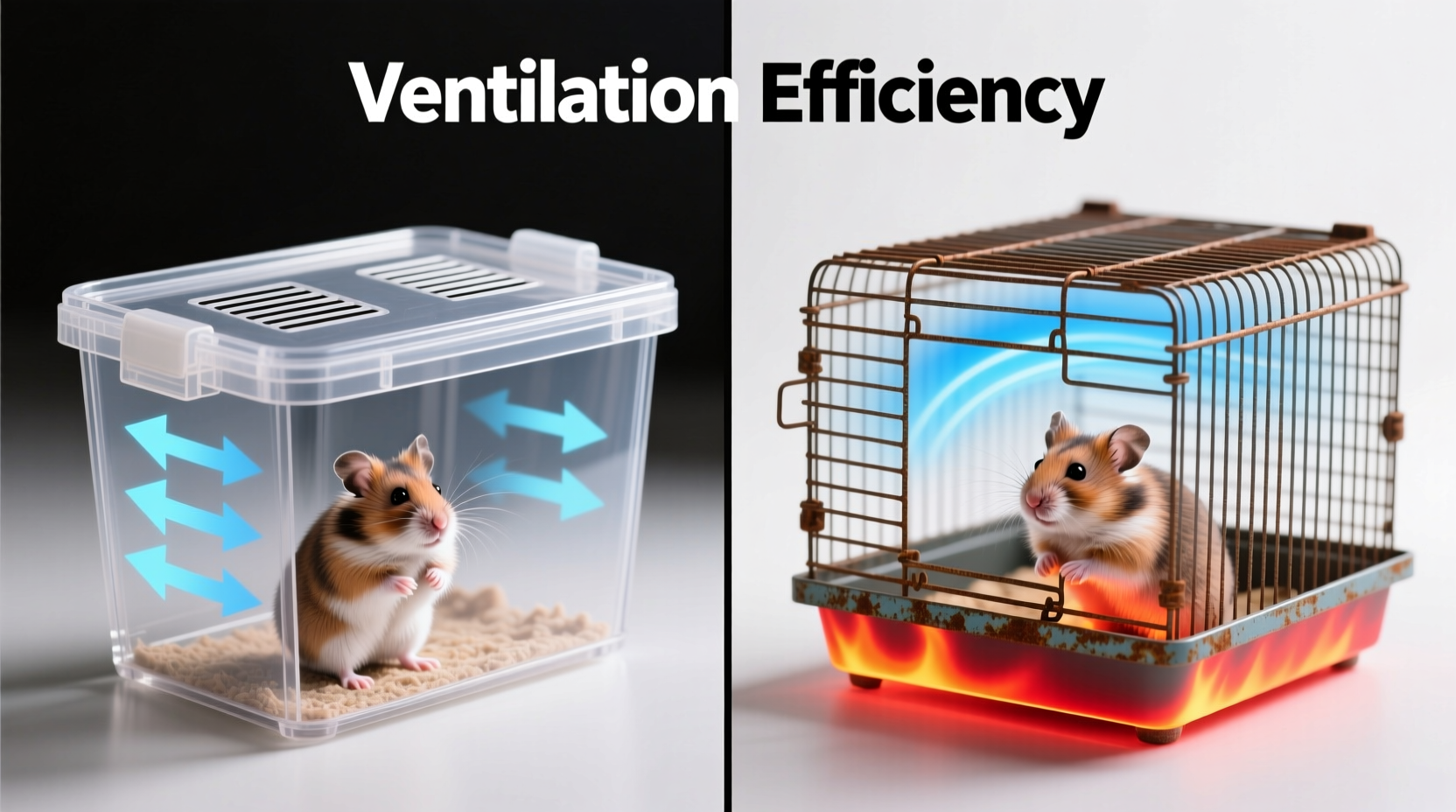
Hamsters have highly sensitive respiratory systems. Inadequate ventilation allows moisture and ammonia from waste to accumulate, creating a toxic environment even in clean-looking cages. Ammonia exposure—even at low levels—can cause chronic irritation, labored breathing, and in severe cases, pneumonia. Ideal hamster housing should promote consistent air exchange without creating drafts directly on the animal.
Natural airflow, humidity control, and breathability of materials all contribute to a safe microclimate inside the enclosure. While many owners focus on floor space (and rightly so), ventilation is equally vital. A spacious cage with poor air circulation can be more dangerous than a smaller but well-ventilated one.
“Ventilation isn’t just about holes in the cage—it’s about creating passive airflow that removes moisture and odors while maintaining stable temperatures.” — Dr. Lena Peterson, Exotic Pet Veterinarian
Bin Cages: Design, Pros, and Ventilation Challenges
Bin cages, typically made from large plastic storage containers (like Sterilite or Rubbermaid), have gained popularity among experienced hamster keepers due to their affordability, customizability, and superior containment of bedding. They offer deep bedding setups ideal for natural burrowing behavior, which is essential for Syrian and dwarf hamsters alike.
However, because they are constructed from solid plastic, bin cages are inherently airtight unless modified. Without proper ventilation, they trap humidity and odor, increasing the risk of respiratory distress. The solution lies in strategic modification.
How to Ventilate a Bin Cage Effectively
To ensure adequate airflow, owners must drill or melt ventilation holes into the upper sides and lid of the bin. Best practices include:
- Placing holes near the top third of the container to allow warm, moist air to escape.
- Using a grid pattern with 1/4-inch holes spaced 1–2 inches apart.
- Avoiding holes near the bottom where bedding could spill out or block airflow.
- Ensuring the lid has sufficient ventilation—either through drilled holes or breathable mesh inserts.
Despite modifications, bin cages rely entirely on passive ventilation. Their performance depends heavily on room airflow and placement. Placing a bin cage in a poorly ventilated closet or corner can undermine even the best hole patterns.
Wire Cages: Airflow Advantages and Hidden Risks
Traditional wire cages, often sold in pet stores, feature metal bars or mesh walls that allow constant air movement. This open design promotes excellent natural ventilation, reducing moisture retention and helping disperse odors quickly. For this reason, wire cages generally meet baseline ventilation needs out of the box.
However, their structural design introduces other concerns. Many commercial wire cages are too small, with bar spacing that risks limb injury or escape—especially for dwarf hamsters. Additionally, wire floors (common in older models) can cause bumblefoot, a painful foot infection resulting from pressure and abrasion.
Another overlooked issue is bedding retention. Wire walls don’t hold bedding well, limiting burrowing depth. Most wire cages also lack height for vertical enrichment, forcing owners to prioritize floor space over nesting complexity.
The Draft Dilemma
While good ventilation is essential, excessive airflow—especially cold drafts—can stress hamsters. Wire cages placed near windows, air conditioners, or vents may expose pets to fluctuating temperatures. Unlike bin cages, which buffer environmental changes, wire enclosures offer little insulation.
In colder climates, this can lead to chilling, suppressed immunity, and even wet tail—a potentially fatal stress-induced illness. Thus, while wire cages excel in breathability, their location within the home becomes critically important.
Direct Comparison: Bin Cage vs Wire Cage Ventilation
| Feature | Bin Cage | Wire Cage |
|---|---|---|
| Natural Airflow | Poor (requires modification) | Excellent (open structure) |
| Humidity Control | Low without ventilation holes | High (moisture escapes easily) |
| Draft Risk | Very low | Moderate to high |
| Odor Buildup | High if unmodified | Low (air circulates freely) |
| Bedding Depth & Burrowing | Excellent (deep setup possible) | Poor (shallow due to structure) |
| Safety (escape/injury) | High (solid walls) | Variable (bar spacing matters) |
| Customization | High (DIY-friendly) | Low (limited by frame) |
This comparison reveals a core trade-off: bin cages offer superior habitat customization and containment but demand active effort to achieve safe ventilation. Wire cages provide immediate airflow but often fall short in space, safety, and behavioral enrichment.
Real-World Example: Two Homes, Two Choices
In one household, Sarah uses a 40-quart bin cage modified with a mesh lid and side vents. She places it in a well-lit corner with moderate room airflow and cleans it weekly. Her Syrian hamster thrives, exhibiting natural digging and nesting behaviors with no signs of respiratory issues. The controlled environment keeps humidity stable, and the mesh lid ensures constant fresh air.
In contrast, Mark purchased a standard wire cage from a pet store. Though he likes its “ready-to-use” convenience, his apartment’s winter drafts cause temperature swings. His Roborovski hamster avoids the upper levels and nests tightly in one corner. After noticing mild wheezing, Mark consulted a vet who recommended relocating the cage away from the window and adding a fabric cover on one side to reduce wind exposure while preserving airflow. The change improved his hamster’s activity and breathing within days.
This case illustrates that ventilation isn't just about the cage type—it's about how it's used in context.
Actionable Checklist: Optimizing Ventilation in Any Cage
Whether you choose a bin or wire cage, follow this checklist to ensure your hamster gets the air quality it needs:
- ✅ Drill or cut ventilation holes in the upper third of bin cages (¼” diameter, spaced 1–2” apart).
- ✅ Cover wire cage openings with fine mesh if needed to prevent escape while maintaining airflow.
- ✅ Position the cage away from direct sunlight, heaters, and AC units to avoid temperature extremes.
- ✅ Monitor for condensation inside the cage—this indicates poor ventilation or excessive moisture.
- ✅ Clean the cage weekly with vinegar-water solution to minimize ammonia buildup.
- ✅ Use absorbent bedding like aspen shavings or paper-based substrates to reduce humidity.
- ✅ Avoid cedar or pine shavings—they release harmful phenols that irritate lungs, especially in poorly ventilated spaces.
- ✅ Observe your hamster for signs of respiratory distress: wheezing, nasal discharge, lethargy.
Hybrid Solutions: Getting the Best of Both Worlds
Some advanced keepers combine the strengths of both cage types. A popular approach is using a bin base with a wire mesh top or attaching a ventilated acrylic panel. These hybrid designs offer deep bedding and burrowing space while ensuring continuous airflow from above.
For example, a 55-gallon bin can be paired with a custom-cut aluminum mesh lid secured with clips or Velcro. This allows full visibility, prevents escapes, and enables excellent air exchange. Some owners even install small USB-powered fans (with protective grills) for rooms with stagnant air, though these are rarely necessary with proper passive ventilation.
Another innovation is the “mega cage”—a large wire enclosure converted into a deep-floor habitat by adding thick bedding trays. When lined with moisture-resistant material and filled with safe substrate, these provide both ventilation and burrowing depth.
Frequently Asked Questions
Can I use a bin cage without drilling holes?
No. An unmodified plastic bin traps moisture and ammonia, creating a hazardous environment. Even with frequent cleaning, inadequate ventilation leads to long-term health risks. Always modify bin cages for airflow before introducing a hamster.
Are glass tanks better for ventilation than bin cages?
No. Glass aquariums suffer from the same ventilation issues as bin cages—poor airflow unless modified. They are heavier, harder to drill, and more expensive. While some prefer them for visibility, they require mesh lids and careful placement to avoid overheating and stagnation.
How do I know if my cage is well-ventilated?
Perform the “hand test”: place your hand inside the cage near the bedding after it’s been closed for several hours. If the air feels damp, warm, or smells strongly of ammonia, ventilation is insufficient. Also, check for condensation on the walls—this is a clear sign of trapped moisture.
Final Recommendations
The choice between a bin cage and a wire cage ultimately hinges on your ability to manage ventilation effectively. If you’re willing to customize and maintain a DIY setup, a properly vented bin cage offers unmatched space and enrichment potential. However, if you prefer a ready-made solution and live in a draft-free environment, a spacious, bar-safe wire cage with solid flooring can work well—provided it meets minimum size requirements (at least 450 square inches of floor space).
Never prioritize aesthetics over airflow. A beautiful cage with poor ventilation endangers your hamster’s life. Instead, focus on function: deep bedding, safe materials, and consistent air exchange. Whichever cage you choose, treat ventilation as a dynamic system influenced by cage design, room conditions, bedding type, and cleaning frequency.
💬 Have experience with bin or wire cages? Share your ventilation tips or challenges in the comments—your insight could help fellow hamster owners make safer choices!








