For years, hamster balls have been marketed as a fun and safe way to let pet hamsters explore outside their cages. Brightly colored and widely available, they’ve become a staple in many small pet owners’ homes. But veterinary experts and animal behaviorists are increasingly sounding the alarm: these seemingly innocent toys may pose serious risks to your hamster’s physical and psychological health. Meanwhile, supervised playpens—open, enclosed spaces where hamsters can roam freely—are emerging as a far superior alternative. Understanding the dangers of hamster balls and the benefits of playpens isn’t just about safety—it’s about respecting your pet’s natural instincts and ensuring a higher quality of life.
The Hidden Dangers of Hamster Balls
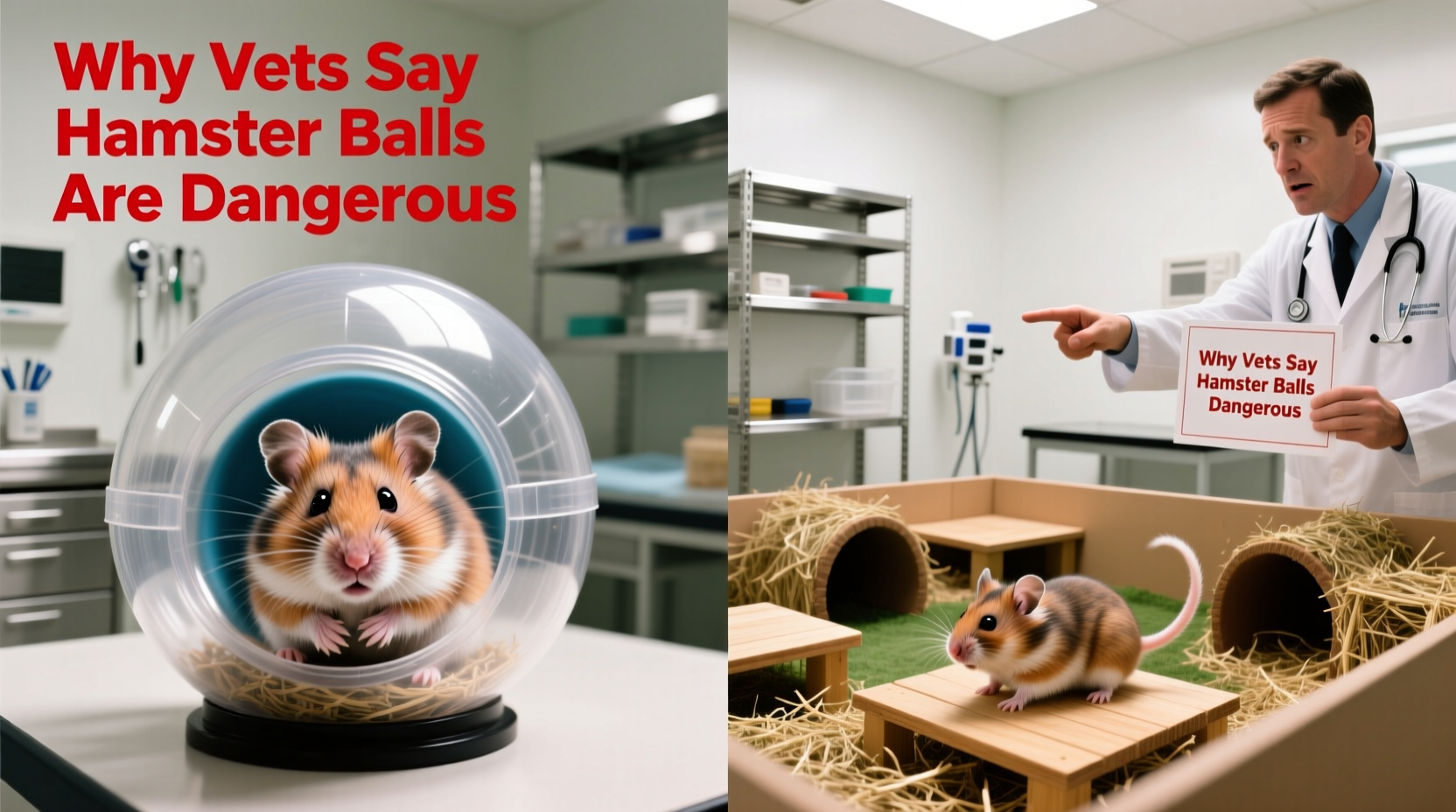
At first glance, a hamster ball appears to offer freedom—a mobile enclosure that lets your pet scurry around the house without risk of escape or injury. But this illusion of freedom masks several real and documented hazards. Veterinarians across North America and Europe have issued warnings based on clinical observations and behavioral research.
One primary concern is stress. Hamsters are prey animals with highly sensitive nervous systems. Being sealed inside a plastic sphere cuts them off from normal sensory input—they can’t hear properly, smell their surroundings, or retreat when frightened. The constant motion and inability to control direction or speed can trigger panic responses. Dr. Lena Peterson, a small mammal veterinarian at the Toronto Exotic Animal Clinic, explains:
“Hamsters in balls often exhibit signs of acute stress: rapid breathing, freezing, or frantic spinning. They’re trapped in a sensory deprivation chamber with no escape. That’s not enrichment—it’s trauma.”
Another danger is physical injury. Hamster balls lack shock absorption and can easily roll down stairs, collide with furniture, or tip over on uneven surfaces. Even on flat ground, sudden stops or bumps can cause concussions or spinal injuries. Because the ball is enclosed, owners may not immediately notice if their pet has been hurt.
Overheating is also a major issue. Plastic doesn’t breathe, and the friction from rolling generates heat. In just 10–15 minutes, internal temperatures can rise to dangerous levels, especially in warm rooms. Unlike in a cage with bedding and shaded areas, there’s no way for the hamster to cool down.
Tip: Never use a hamster ball on carpeted floors, stairs, or near drop-offs. If you do allow short sessions, monitor constantly and limit time to under 10 minutes.Why Playpens Are the Safer Alternative
A playpen—a designated, enclosed area on the floor—offers everything a hamster needs for safe exploration: space, stimulation, and control. Constructed from baby gates, cardboard walls, or plastic panels, playpens can be customized to suit your home and your pet’s personality.
Unlike a ball, a playpen allows full sensory engagement. Your hamster can sniff, dig, climb, and investigate at its own pace. It can choose when to move forward or retreat to a quiet corner. This autonomy reduces stress and supports natural behaviors like foraging and scent marking.
Playpens also make it easier to enrich the environment. You can add tunnels, hide treats, scatter paper towel pieces for nesting, or place shallow dishes of water. These activities stimulate mental health and prevent boredom-related behaviors such as bar-chewing or over-grooming.
Critically, playpens allow direct supervision. You can see your hamster’s body language—ears back, hunched posture, or freezing—and intervene if it seems overwhelmed. You can also ensure it doesn’t chew electrical cords or ingest harmful materials.
Comparing Hamster Ball and Playpen Safety
| Feature | Hamster Ball | Playpen |
|---|---|---|
| Stress Level | High (sensory isolation, no escape) | Low to moderate (controlled exposure) |
| Physical Injury Risk | High (falls, collisions, overheating) | Low (supervised, padded options) |
| Mental Stimulation | Minimal (repetitive motion only) | High (exploration, foraging, climbing) |
| Owner Supervision | Limited (hard to observe behavior) | Full visibility and interaction |
| Duration of Safe Use | Under 10 minutes recommended | 30–60 minutes, multiple times weekly |
| Natural Behavior Support | Poor (no digging, hiding, or nesting) | Excellent (full range of activities) |
This comparison shows that while hamster balls offer minimal benefit, they carry disproportionate risks. Playpens, by contrast, align with modern standards of animal welfare by promoting species-appropriate behaviors in a secure setting.
Expert Recommendations and Veterinary Guidelines
Major veterinary organizations, including the American Veterinary Medical Association (AVMA) and the Royal Society for the Prevention of Cruelty to Animals (RSPCA), now discourage the use of hamster balls. Instead, they advocate for “active enrichment” through open, supervised play.
Dr. Arjun Mehta, a veterinary behaviorist at the Chicago Small Mammal Center, emphasizes that exercise should never come at the cost of emotional well-being:
“We used to think any movement was good movement. Now we know that forced locomotion without cognitive engagement can be detrimental. A hamster running endlessly in a ball isn’t exercising—it’s escaping a perceived threat.”
Vets recommend a minimum of two 30-minute playpen sessions per week, ideally daily. These sessions should occur in a quiet, draft-free room free of other pets. The surface should be non-slip—avoid hardwood or tile unless covered with a rug or foam matting.
Additionally, the enclosure should be at least 4 feet by 4 feet, though larger is better. Height matters too: walls should be at least 18 inches tall to prevent climbing escapes, as some hamsters are adept climbers.
Creating an Ideal Hamster Playpen: A Step-by-Step Guide
Setting up a safe and enriching playpen takes little time but pays big dividends in your hamster’s happiness and health. Follow these steps for best results:
- Choose a quiet room: Pick a low-traffic area like a spare bedroom or living room corner. Turn off loud appliances and keep cats, dogs, and young children at a distance.
- Build the enclosure: Use interlocking foam mats as a base and surround them with mesh play yard panels or sturdy cardboard walls taped securely together. Ensure no gaps larger than 1 inch.
- Add enrichment items: Place shallow cardboard boxes, paper towel tubes, wooden ladders, and hideouts. Scatter unscented shredded paper or hay for digging.
- Hide treats: Bury small pieces of apple, carrot, or commercial hamster treats in the bedding or behind obstacles to encourage foraging.
- Supervise continuously: Stay in the room the entire time. Watch for signs of fatigue (slowed movement, lying down) or fear (freezing, rapid breathing).
- End with gentle return: After 30–60 minutes, gently scoop your hamster using both hands or guide it into a small box. Return it to its cage with fresh water and a quiet space to rest.
Real Example: From Ball Trauma to Playpen Recovery
Sophie, a Syrian hamster owned by Maria Gonzalez in Portland, Oregon, began showing signs of distress after regular hamster ball use. She would run frantically for five minutes, then collapse in her cage, trembling and refusing food. Concerned, Maria took her to a local exotic vet.
The veterinarian diagnosed acute stress and recommended discontinuing ball use entirely. Instead, she set up a weekly playpen routine using baby gates and repurposed household items. Within two weeks, Sophie’s appetite improved, her activity became more varied, and she began exploring instead of sprinting.
“I thought I was giving her freedom,” Maria said. “But really, I was overwhelming her. The playpen lets her choose how to spend her time. She digs, naps in corners, and even climbs now. It’s like I finally see her personality.”
This case illustrates a common pattern: owners acting with good intentions unknowingly subject their pets to stressful conditions. Shifting to play-based enrichment often leads to dramatic improvements in behavior and health.
Essential Playpen Safety Checklist
- ✅ Room is quiet and free of predators (cats, dogs)
- ✅ Floor surface is non-slip (use rugs or foam tiles)
- ✅ Enclosure walls are tall enough (minimum 18 inches)
- ✅ No electrical cords within reach
- ✅ All toxic plants and chemicals removed
- ✅ Toys and hides are chew-safe (no glue, metal, or sharp edges)
- ✅ Treats are healthy and appropriately sized
- ✅ Owner remains present for entire session
- ✅ Session duration does not exceed 60 minutes
- ✅ Hamster shows no signs of exhaustion or distress before returning
Frequently Asked Questions
Can I ever use a hamster ball safely?
Most veterinarians advise against it entirely. However, if you choose to use one, limit sessions to under 5 minutes on a smooth, ground-level surface with constant supervision. Never use it on stairs, near furniture, or in hot rooms. Many experts argue that even brief use conditions hamsters to associate movement with stress, making it best to avoid altogether.
How do I know if my hamster enjoys the playpen?
Look for relaxed body language: ears forward, nose twitching, active sniffing, and spontaneous digging or chewing. Positive signs include collecting nesting material, eating treats, or exploring new objects. Avoidance, freezing, or excessive grooming suggest anxiety—end the session early and try again in a quieter space next time.
Isn’t a hamster ball more convenient than setting up a playpen?
It may seem quicker, but convenience shouldn’t override welfare. A playpen takes less than 10 minutes to assemble if you keep materials stored together. Consider it part of responsible pet ownership—like walking a dog or cleaning a litter box. The long-term benefits to your hamster’s health far outweigh the minor setup effort.
Conclusion: Prioritizing Welfare Over Convenience
The shift away from hamster balls reflects a broader evolution in how we understand small pet care. What once seemed harmless is now recognized as potentially harmful. Vets aren’t asking owners to do more—they’re asking us to do better. Replacing a plastic ball with a thoughtful playpen isn’t just safer; it’s more respectful of the hamster as a sentient being with needs beyond mere locomotion.
Your hamster doesn’t need to run miles to be healthy. It needs mental engagement, environmental variety, and the ability to make choices. A well-designed playpen provides all of that—and more. By choosing playpens over balls, you’re not limiting your pet’s freedom; you’re redefining it in a way that honors its nature.
💬 Have you switched from hamster balls to playpens? Share your experience, tips, or questions in the comments—your story could help another pet owner make a safer choice today.








