
Experiencing hair falling out in clumps can be alarming and emotionally distressing. While it’s normal to lose 50–100 hairs per day, sudden or noticeable clumps of hair coming out—especially during washing, brushing, or upon waking—signals an underlying issue. This condition, often referred to as acute telogen effluvium or, in more severe cases, alopecia areata, can stem from a range of factors including stress, hormonal changes, nutritional deficiencies, and medical conditions. Understanding the root causes, available treatments, and effective prevention methods is essential for regaining control over your hair health.
Common Causes of Hair Falling Out in Clumps
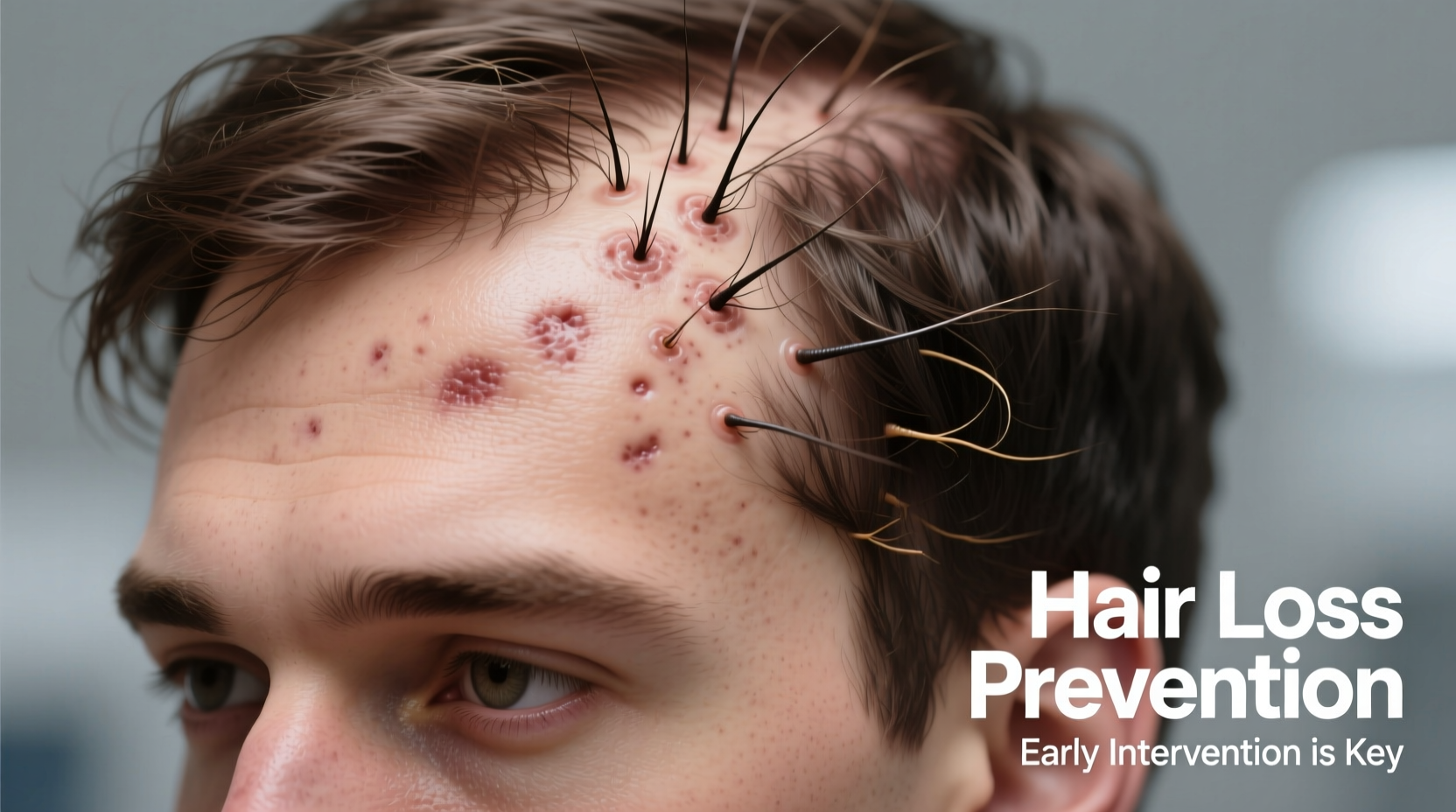
Several internal and external factors can trigger sudden, excessive hair shedding. Identifying the cause is the first step toward effective intervention.
- Stress (Physical or Emotional): Major life events such as surgery, illness, or emotional trauma can shock the body into pushing hair follicles into a resting phase, leading to rapid shedding weeks later.
- Hormonal Imbalances: Conditions like postpartum hormonal shifts, thyroid disorders (hypothyroidism or hyperthyroidism), and polycystic ovary syndrome (PCOS) disrupt the hair growth cycle.
- Nutritional Deficiencies: Lack of iron, vitamin D, zinc, or protein can impair hair follicle function. Iron deficiency, in particular, is strongly linked to diffuse hair loss.
- Autoimmune Conditions: Alopecia areata causes the immune system to attack hair follicles, resulting in round patches of baldness or widespread clumping.
- Medications: Chemotherapy drugs, anticoagulants, antidepressants, and certain blood pressure medications list hair loss as a side effect.
- Scalp Infections: Fungal infections like tinea capitis inflame the scalp and weaken hair roots, leading to patchy hair fall.
- Sudden Weight Loss or Dieting: Rapid calorie restriction can deprive hair of essential nutrients, triggering shedding within months.
Treatment Options Based on Cause
Effective treatment depends on accurately diagnosing the underlying cause. A dermatologist or trichologist may perform blood tests, scalp examinations, or biopsies to determine the appropriate course of action.
Medical Treatments
- Minoxidil (Rogaine): An FDA-approved topical treatment that stimulates hair follicles and prolongs the growth phase. Results typically appear after 3–6 months of consistent use.
- Finasteride: A prescription oral medication primarily used for male pattern baldness; not recommended for women of childbearing age.
- Corticosteroids: Used in cases of alopecia areata, administered via injections, topical creams, or oral form to suppress immune attacks on follicles.
- Iron or Vitamin D Supplements: If blood work reveals deficiencies, supplementation under medical supervision can reverse hair loss.
Lifestyle & Holistic Approaches
- Diet Optimization: Increase intake of iron-rich foods (spinach, red meat), omega-3 fatty acids (salmon, flaxseeds), and biotin sources (eggs, nuts).
- Stress Management: Practices like mindfulness meditation, yoga, and cognitive behavioral therapy (CBT) help reduce cortisol levels, which can otherwise disrupt hair cycles.
- Scalp Care: Use gentle, sulfate-free shampoos and avoid tight hairstyles that pull on roots (e.g., ponytails, braids).
“Hair is a barometer of systemic health. When patients present with sudden hair loss, we look beyond the scalp—we assess nutrition, hormones, and psychological well-being.” — Dr. Lena Torres, Board-Certified Dermatologist
Prevention Checklist: Protect Your Hair Before It’s Too Late
Preventing hair loss begins with proactive care and early detection. Follow this actionable checklist to minimize risk:
Checklist: Preventing Hair Loss- Get annual blood panels to check iron, vitamin D, thyroid, and hormone levels.
- Maintain a balanced diet rich in protein, vitamins, and minerals.
- Avoid crash diets and extreme caloric restriction.
- Manage chronic stress through regular exercise and relaxation techniques.
- Use wide-tooth combs and avoid excessive heat styling.
- Switch medications only under doctor supervision if hair loss is a known side effect.
- Seek professional help at the first sign of abnormal shedding.
Step-by-Step Guide to Addressing Sudden Hair Loss
If you’re noticing clumps of hair falling out, follow this timeline to address the issue systematically:
- Week 1: Document Symptoms – Take photos, note when shedding occurs, and track recent health or lifestyle changes.
- Week 2: Schedule Medical Consultation – Visit a dermatologist or primary care provider for blood work and evaluation.
- Week 3–4: Begin Targeted Treatment – Start supplements if deficient, apply minoxidil if recommended, or begin stress-reduction routines.
- Month 2–3: Monitor Progress – Look for reduced shedding and new baby hairs around the hairline or part.
- Month 6: Reassess with Doctor – Evaluate effectiveness of treatment and adjust plan if needed.
Patience is crucial—hair grows slowly, and recovery can take several months even with proper treatment.
Real-Life Example: Recovery from Postpartum Hair Loss
Sarah, a 32-year-old mother, began losing hair in thick clumps six months after giving birth. She found hair on her pillow, in the shower drain, and on her clothing daily. Initially panicked, she consulted a dermatologist who confirmed postpartum telogen effluvium—a common condition due to hormonal fluctuations after childbirth. Blood tests revealed low iron and vitamin D levels.
Her treatment plan included iron supplementation, a daily 10-minute walk for stress relief, and applying minoxidil twice a week. Within four months, shedding decreased significantly. By month seven, she noticed visible regrowth along her temples. Sarah’s experience highlights how timely diagnosis and a multifaceted approach can lead to full recovery.
Do’s and Don’ts: What to Avoid When Experiencing Hair Loss
| Do’s | Don’ts |
|---|---|
| Use gentle, sulfate-free shampoos | Wash hair with hot water or harsh chemicals |
| Eat a protein-rich, nutrient-dense diet | Follow fad diets low in essential nutrients |
| Handle wet hair with care (use wide-tooth comb) | Brush wet hair aggressively or use tight hairstyles |
| Seek medical advice early | Ignore persistent shedding for months |
| Practice consistent scalp hygiene | Scratch or pick at irritated scalp areas |
Frequently Asked Questions
Can hair grow back after falling out in clumps?
Yes, in most cases hair can regrow if the underlying cause is addressed. Conditions like telogen effluvium are typically reversible. However, scarring alopecias or prolonged neglect may lead to permanent loss.
How long does it take for hair to stop falling out?
Acute shedding usually peaks within 3–4 months and gradually improves over 6–12 months with proper treatment. Consistency in care and addressing root causes are key.
Is hair loss in clumps a sign of cancer?
No, hair falling out in clumps is not a direct sign of cancer. However, chemotherapy used to treat cancer commonly causes hair loss. Unexplained symptoms should always be evaluated by a doctor to rule out serious conditions.
Take Control of Your Hair Health Today
Hair falling out in clumps is more than a cosmetic concern—it’s a signal from your body that something needs attention. Whether it’s stress, a nutrient gap, or a medical condition, the path to recovery starts with awareness and action. You don’t have to accept hair loss as inevitable. With the right diagnosis, targeted treatments, and preventive habits, most people regain healthy hair growth.
💬 Your journey matters. Share your experience in the comments below—your story could help someone feel less alone and more empowered to seek help.








