
Choosing a first pet for an 8-year-old is both exciting and delicate. Parents want a companion that’s safe, manageable, and educational—something that teaches responsibility without overwhelming a child. Among small mammals, guinea pigs and hamsters are two of the most popular options. Both are small, relatively low-cost, and widely available. But when it comes to long-term care, interaction potential, and suitability for young children, they differ significantly. Understanding these differences helps families make a decision that benefits both the child and the animal.
Lifespan and Long-Term Commitment
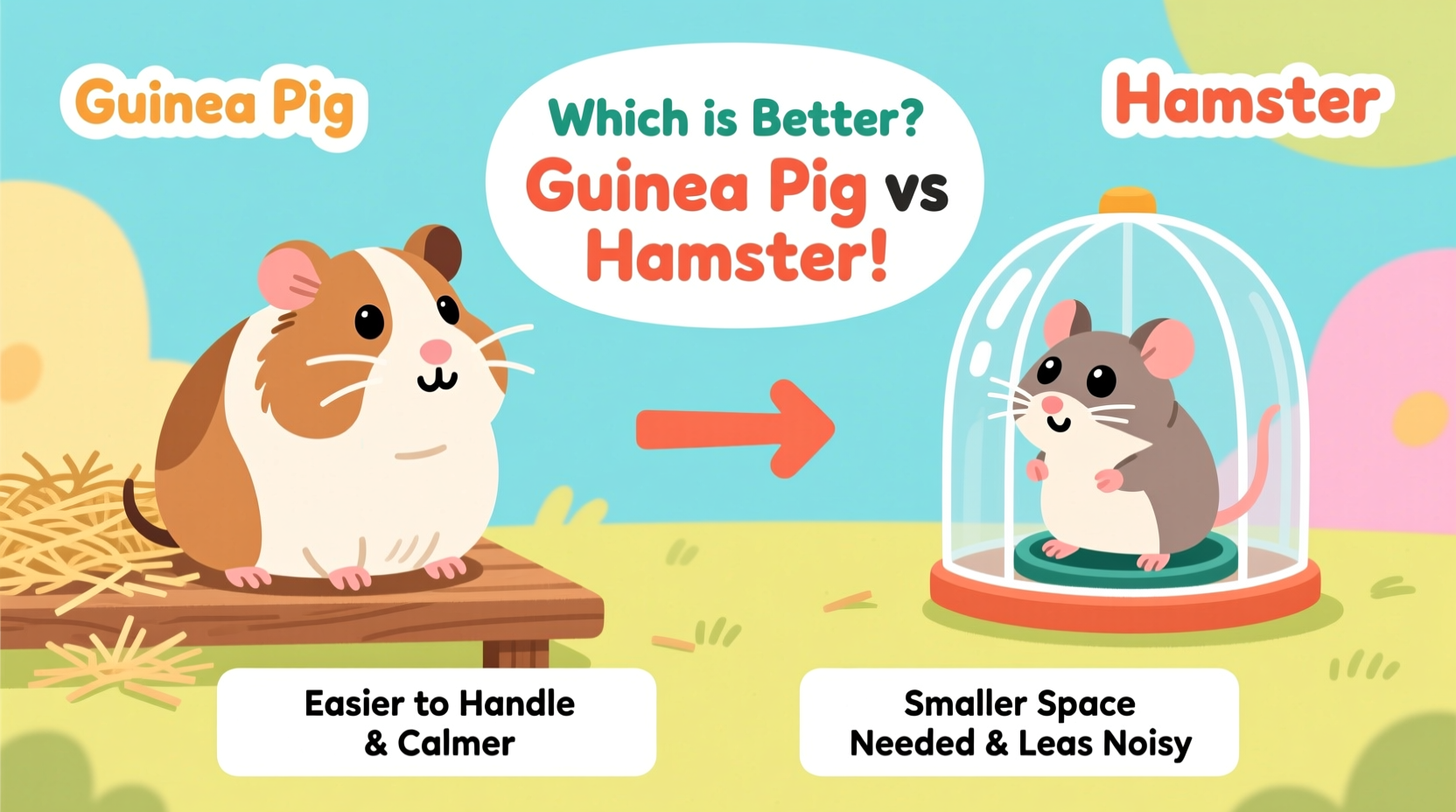
One of the most important factors often overlooked by families is lifespan. A pet isn’t just a toy—it’s a living being requiring years of consistent care. This is where guinea pigs and hamsters diverge sharply.
Hamsters typically live between 1.5 to 3 years, with most dwarf varieties averaging around 2 years. In contrast, guinea pigs commonly live 5 to 7 years, with some reaching up to 8 years under optimal conditions. That means a guinea pig could be part of a family through multiple school grades, while a hamster may only accompany a child through a single school year.
This difference impacts emotional development. While a shorter lifespan might seem easier in theory, it introduces the child to loss much sooner—and potentially more frequently if replacements are considered. On the other hand, a longer commitment encourages sustained responsibility and deeper bonding.
“Children form strong emotional attachments to pets, even small ones. A longer-lived pet like a guinea pig offers a stable opportunity to nurture empathy and consistency.” — Dr. Lena Patel, Pediatric Developmental PsychologistTip: Consider your family’s readiness for a 5–7 year commitment before choosing a guinea pig. If short-term exposure is preferred, a hamster may align better with your goals.
Temperament and Handling Safety
Safety and ease of handling are critical when selecting a pet for an 8-year-old. At this age, children are still learning how to interact gently with animals. Their enthusiasm can sometimes lead to accidental harm, especially with fragile or skittish creatures.
Guinea pigs are naturally social, vocal, and generally calm. They rarely bite unless frightened and tend to freeze or squeak when uncomfortable rather than lash out. Their size—averaging 20–25 cm and 700–1200 grams—makes them sturdy enough to be held carefully by a child who has been taught proper handling techniques.
Hamsters, particularly dwarf species, are much smaller (10–15 cm) and lighter (40–150 grams). They are nocturnal, meaning they sleep during the day and become active at night—often exactly when children want to play. A sleepy or startled hamster is more likely to bite in self-defense. Syrian hamsters are larger and slightly calmer, but even they can be jumpy and difficult to handle consistently.
Moreover, hamsters have poor eyesight and rely heavily on scent and movement. Sudden grabs or loud noises can trigger fear responses. For younger children, this increases the risk of dropping the animal or provoking a defensive bite.
Handling Comparison
| Factor | Guinea Pig | Hamster |
|---|---|---|
| Size | Large (easy to hold) | Very small (easy to drop) |
| Temperament | Gentle, social, vocal | Skittish, solitary, nocturnal |
| Bite Risk | Low | Moderate to high |
| Best Interaction Time | Daytime | Nighttime |
| Child-Friendly? | Yes, with supervision | Risky for untrained handling |
Care Requirements and Daily Maintenance
Both animals require daily attention, but their needs vary in complexity and time investment. Parents often end up managing the bulk of care, so understanding the workload is essential.
Guinea pigs need a spacious cage (at least 7.5 square feet), daily fresh vegetables (especially leafy greens and bell peppers), timothy hay available at all times, and vitamin C supplementation since they cannot produce it themselves. Their cages must be spot-cleaned daily and fully changed weekly due to heavy droppings. They also benefit from 1–2 hours of supervised out-of-cage playtime each day.
Hamsters require less space (a 450–600 sq in cage is sufficient), eat commercial pellet mixes, and do not need vitamin supplements. However, their nocturnal nature means cleaning and interaction often happen when parents are winding down for the night. They are solitary and must be housed alone, eliminating the option of companionship for the pet itself.
While hamsters may seem lower-maintenance on paper, their nighttime activity can clash with family routines. Guinea pigs, being diurnal, align better with children’s schedules, allowing for morning feeding, after-school play, and weekend outings in a playpen.
Tip: Involve your child in daily feeding and cage checks to build routine. Use a chore chart to track responsibilities like hay refills or vegetable prep.Social Needs and Emotional Engagement
Children thrive on connection. A pet that responds, interacts, and shows personality can become a true companion. Here, guinea pigs have a clear advantage.
Guinea pigs are herd animals. In the wild, they live in groups and vocalize constantly—from soft purring when content to loud “wheeking” when excited. They recognize their names, respond to voices, and often follow caregivers around the room. Many develop distinct personalities: some are bold explorers, others are cuddly lap-pigs.
Because of their social nature, guinea pigs should ideally be kept in pairs or small groups of the same sex. This reduces loneliness and promotes natural behaviors. Watching two guinea pigs groom each other or play chase can be deeply engaging for a child.
Hamsters, in contrast, are solitary by nature. Housing two together usually leads to fighting, often fatally. They do not seek companionship from humans or other animals. While some may tolerate handling over time, few show affection or recognition. Their behavior is more instinct-driven than interactive.
For a child seeking a friend, not just a pet, the guinea pig offers far richer emotional engagement. The bond formed can support language development, empathy, and emotional regulation.
Real Example: Emma and Her Pets
Emma, age 8, received a Syrian hamster for her birthday. At first, she was thrilled. But within weeks, she grew frustrated. The hamster slept all day, bit her when picked up at night, and showed no interest in toys or interaction. After six months, the hamster passed away, and Emma felt sad but disconnected.
The following year, her family adopted two female guinea pigs, Daisy and Poppy. Emma helped set up the cage, chose veggies at the grocery store, and learned to hold them gently. Within weeks, the pigs began running to her voice. She read books aloud to them during playtime and drew pictures of them for school projects. Two years later, they’re still thriving—and Emma now wants to become a veterinarian.
This shift wasn’t just about the pet; it was about meaningful interaction. The guinea pigs gave Emma someone to care for, talk to, and learn from every single day.
Health, Cost, and Practical Considerations
Initial cost is often a deciding factor. Hamsters are cheaper upfront—typically $10–$25 at pet stores, with smaller cages and accessories. Guinea pigs range from $25–$60, and their housing and food costs are higher due to space and dietary needs.
However, long-term veterinary care can balance the equation. Guinea pigs are prone to dental issues, respiratory infections, and vitamin deficiencies if diet is poor. Regular check-ups with an exotic vet (every 6–12 months) are recommended. Hamsters face risks like wet tail (a deadly bacterial infection), tumors, and eye issues—but because of their short lifespan, many never see a vet.
Despite higher initial and ongoing costs, guinea pigs offer greater longevity and stability. Spreading the expense over 5+ years often makes them more cost-effective per year than replacing hamsters every 2–3 years.
“With proper nutrition and housing, guinea pigs are remarkably hardy. The key is consistency—not complexity.” — Dr. Alan Torres, Exotic Animal Veterinarian
Pet Starter Checklist for Families
- ✅ Research local exotic vets before adoption
- ✅ Choose a large, escape-proof enclosure (C&C cages ideal for guinea pigs)
- ✅ Stock up on timothy hay, pellets, and fresh veggies (no iceberg lettuce)
- ✅ Plan for daily 10–15 minute care sessions with your child
- ✅ Teach gentle handling: scoop from below, no grabbing or dangling
- ✅ Supervise all interactions until child demonstrates consistent gentleness
- ✅ Consider adopting bonded pairs from shelters to avoid loneliness
Frequently Asked Questions
Can an 8-year-old take full responsibility for either pet?
No small pet should be fully managed by an 8-year-old. While children can assist with feeding, watering, and supervised play, parents must oversee cleaning, health monitoring, and dietary accuracy. The role of the child should be supportive, not primary caregiver.
Are guinea pigs noisy? Will they disturb sleep?
Guinea pigs are vocal but not disruptive. They make soft grunts, purrs, and occasional high-pitched squeals when excited or hungry. These sounds occur during daytime hours, so they don’t interfere with sleep. Most families find their noises endearing rather than annoying.
Do hamsters really need wheel exercise? Isn't a ball enough?
Hamsters need both. A solid-surface wheel (8–12 inches diameter) is essential for nightly running. Exercise balls can be used briefly (10–15 minutes) under direct supervision, but they block vision and communication, causing stress if overused. A wheel inside the cage is safer and more natural.
Final Recommendation: Why Guinea Pigs Are Better for 8-Year-Olds
While hamsters have their place, guinea pigs are overwhelmingly the better starter pet for an 8-year-old. Their calm demeanor, daytime activity, social nature, and longer lifespan create a more rewarding, educational, and emotionally enriching experience. They encourage patience, consistency, and compassion—values that grow alongside the child.
Yes, they require more space and attention. Yes, the commitment is longer. But these aren’t drawbacks—they’re opportunities. An 8-year-old who learns to care for a guinea pig gains confidence, routine, and a sense of purpose. They witness growth, form bonds, and experience the joy of nurturing another life.
Hamsters aren’t inherently bad pets, but they’re better suited to older children or adults who understand their limitations and nocturnal habits. For a young child’s first pet, the guinea pig offers a safer, more interactive, and enduring relationship.
🚀 Ready to welcome a furry friend into your home? Visit your local rescue or shelter to adopt a guinea pig pair today. Share your journey with other families—your experience could help someone make the perfect choice.








