Small dogs have long captured hearts with their compact size, big personalities, and adaptability to various living situations. Whether you live in a high-rise apartment, a suburban home, or a quiet countryside cottage, there’s a small breed that fits seamlessly into your daily rhythm. But choosing the right one goes beyond cuteness—it requires understanding temperament, energy levels, grooming needs, and compatibility with your routine.
From energetic companions for runners to calm lapdogs for retirees, this guide breaks down the top small breeds by lifestyle, helping you make an informed decision that benefits both you and your future pet.
Lifestyle-Based Breed Matches
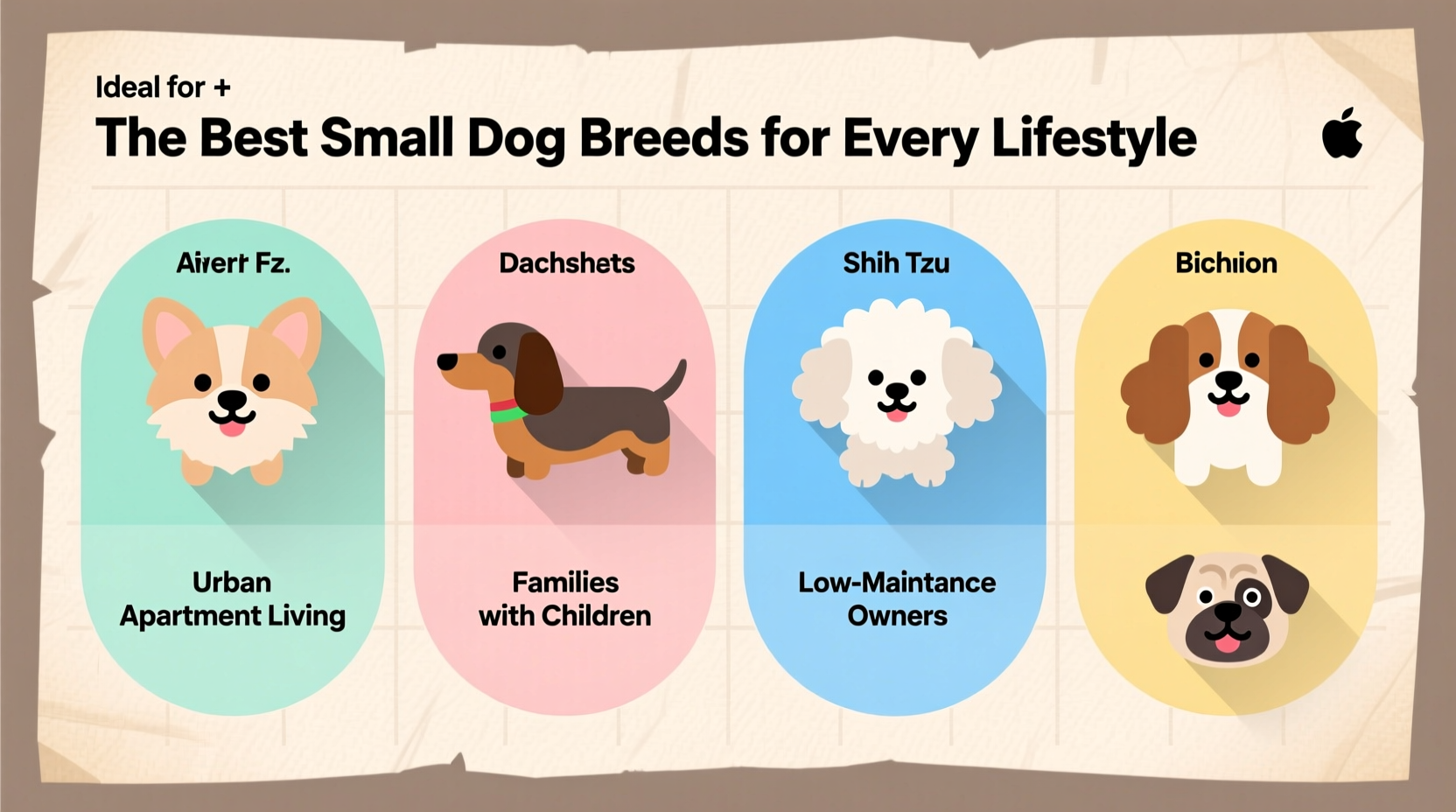
Selecting a dog isn’t just about preference—it’s about alignment. A mismatch between a dog’s needs and your lifestyle can lead to stress, behavioral issues, or even rehoming. Consider these common lifestyles and the small breeds best suited to each.
For Active Singles and Couples: The Energetic Companions
If your weekends involve hiking, jogging, or exploring urban parks, you need a small dog with high stamina and curiosity. These breeds thrive on physical and mental stimulation.
- Jack Russell Terrier: Fearless, intelligent, and bursting with energy. Needs at least an hour of vigorous exercise daily.
- Miniature Schnauzer: Alert and spirited, excels in agility training and loves outdoor adventures.
- Parson Russell Terrier: Slightly calmer than the Jack Russell but still highly active and trainable.
For Seniors and Retirees: The Calm and Affectionate
Older adults often benefit from a low-maintenance, gentle dog that enjoys quiet time but still offers companionship and emotional support.
- Cavalier King Charles Spaniel: Known for their sweet nature and love of cuddling. Adaptable and patient.
- Shih Tzu: Happy lounging beside you; minimal exercise needs but requires regular grooming.
- Pomeranian: Small enough to carry, affectionate, and alert without being overly demanding.
“Small dogs can be ideal companions for older adults, offering emotional stability and encouraging light activity.” — Dr. Laura Bennett, Veterinary Behaviorist
For Families with Children: The Patient and Playful
Not all small dogs tolerate young children well. Look for breeds known for patience, resilience, and friendliness.
- Beagle: Friendly, curious, and great with kids. Requires secure fencing due to strong scent drive.
- Bichon Frise: Hypoallergenic coat, cheerful demeanor, and social with people of all ages.
- English Toy Spaniel: Gentle and loyal, though more reserved than other family-friendly breeds.
For Apartment Dwellers: The Quiet and Adaptable
Living in close quarters means noise level, space needs, and bathroom habits matter. Choose breeds that are naturally quiet and don’t require large yards.
- French Bulldog: Low-energy, minimal barking, and content indoors. Watch for overheating in summer.
- Maltese: Soft-footed and quiet, ideal for upstairs units. Needs frequent grooming.
- Pug: Charming and undemanding, though prone to snoring and occasional stubbornness.
For Allergy Sufferers: The Hypoallergenic Picks
Dog allergies shouldn’t rule out pet ownership. While no breed is 100% hypoallergenic, some shed less dander and saliva, reducing allergic reactions.
- Yorkshire Terrier: Hair-like coat grows continuously; requires regular trimming.
- Miniature Poodle: Highly intelligent, low-shedding, and excellent for training.
- Havanese: Soft coat, playful personality, and rarely sheds.
Breed Comparison Table
| Breed | Size (lbs) | Energy Level | Grooming Needs | Good With Kids | Lifespan |
|---|---|---|---|---|---|
| Chihuahua | 3–6 | Moderate | Low | No (if not socialized) | 12–20 years |
| Cavalier King Charles Spaniel | 13–18 | Low-Moderate | High | Yes | 9–14 years |
| French Bulldog | 16–28 | Low | Low | Yes | 10–12 years |
| Miniature Poodle | 10–15 | High | High | Yes | 12–15 years |
| Shih Tzu | 9–16 | Low | Very High | Yes (older children) | 10–16 years |
Step-by-Step Guide to Choosing Your Small Dog
Finding the right match involves more than browsing photos. Follow this timeline to ensure a thoughtful decision.
- Assess Your Daily Routine (Week 1): Track your average week—work hours, exercise habits, travel frequency, and free time. Be honest about how much attention you can give a dog.
- Research Breeds (Week 2): Narrow down three breeds that align with your lifestyle. Read breeder reviews, watch behavior videos, and join online forums.
- Meet the Breed (Week 3): Attend dog shows, visit shelters, or arrange meetups with owners. Observe how the dogs interact with people and environments.
- Prepare Your Home (Week 4): Puppy-proof rooms, buy essentials (crate, leash, food), and schedule a vet appointment.
- Adopt or Purchase Responsibly (Week 5+): Choose a reputable breeder or rescue organization. Ask for health clearances and meet the puppy’s parents if possible.
Real-Life Example: Matching Lifestyle to Breed
Sarah, a 32-year-old graphic designer living in a downtown loft, worked from home and enjoyed weekend bike rides. She wanted a dog that could join her on errands and stay calm during long work sessions. After researching, she chose a Miniature Schnauzer. The breed’s moderate energy, low shedding, and alert nature fit perfectly. She trained him to walk off-leash in safe areas and enrolled in obedience classes. Two years later, he’s her constant companion—whether she’s sketching at a café or hiking local trails.
Common Mistakes to Avoid
- Choosing based solely on appearance: A cute face doesn’t guarantee a compatible personality.
- Underestimating grooming time: Breeds like the Maltese or Bichon Frise need brushing every other day.
- Ignoring socialization needs: Small dogs are often “spoiled” and not properly trained, leading to fear or aggression.
- Skipping vet screenings: Reputable breeders provide genetic testing for conditions like luxating patellas or heart disease.
Essential Checklist Before Bringing Home a Small Dog
- Home Safety:
- Secure loose wires, block small spaces under furniture, and remove toxic plants.
- Supplies:
- Collar with ID tag, microchip, food and water bowls, crate, bed, leash, and age-appropriate toys.
- Health Prep:
- Find a veterinarian, schedule first checkup, and confirm vaccination schedule.
- Training Plan:
- Decide on potty training method (paper, pad, or outdoor), and set up a consistent routine.
- Breed-Specific Research:
- Learn common health issues (e.g., dental problems in toy breeds) and prevention strategies.
FAQ
Are small dogs easier to care for than large dogs?
They’re smaller in size, but not always easier. Many small breeds require intensive grooming, are prone to dental issues, and can develop “small dog syndrome” if not trained consistently. However, they typically eat less and need less outdoor space.
Can small dogs be left alone during the day?
Most small dogs do poorly when left alone for more than 4–6 hours. They can become anxious, bark excessively, or develop destructive habits. Consider dog walkers or pet cameras if you work long hours.
Do small dogs live longer than big dogs?
Generally, yes. Smaller breeds often live 12–18 years, while larger breeds may live only 8–12 years. This makes long-term commitment planning essential.
Conclusion
Choosing the right small dog breed isn’t about trends or popularity—it’s about harmony. When your lifestyle aligns with your dog’s natural tendencies, both of you enjoy a richer, more fulfilling relationship. Whether you seek a lively partner for adventure or a serene companion for quiet evenings, the perfect small breed is out there waiting.
💬 Ready to find your match? Share your lifestyle in the comments, and we’ll suggest the best small breed for you.








