Hiking with your dog can be one of the most rewarding outdoor experiences—strengthening your bond, improving fitness, and exploring nature together. But a poor-quality leash can turn an enjoyable trail into a frustrating ordeal. The right hiking leash must balance durability, comfort, and affordability without compromising safety. With so many options on the market, choosing the best one requires understanding your dog’s needs, the terrain you’ll face, and what features truly matter when miles from civilization.
Why Your Everyday Leash Isn’t Enough for Hiking
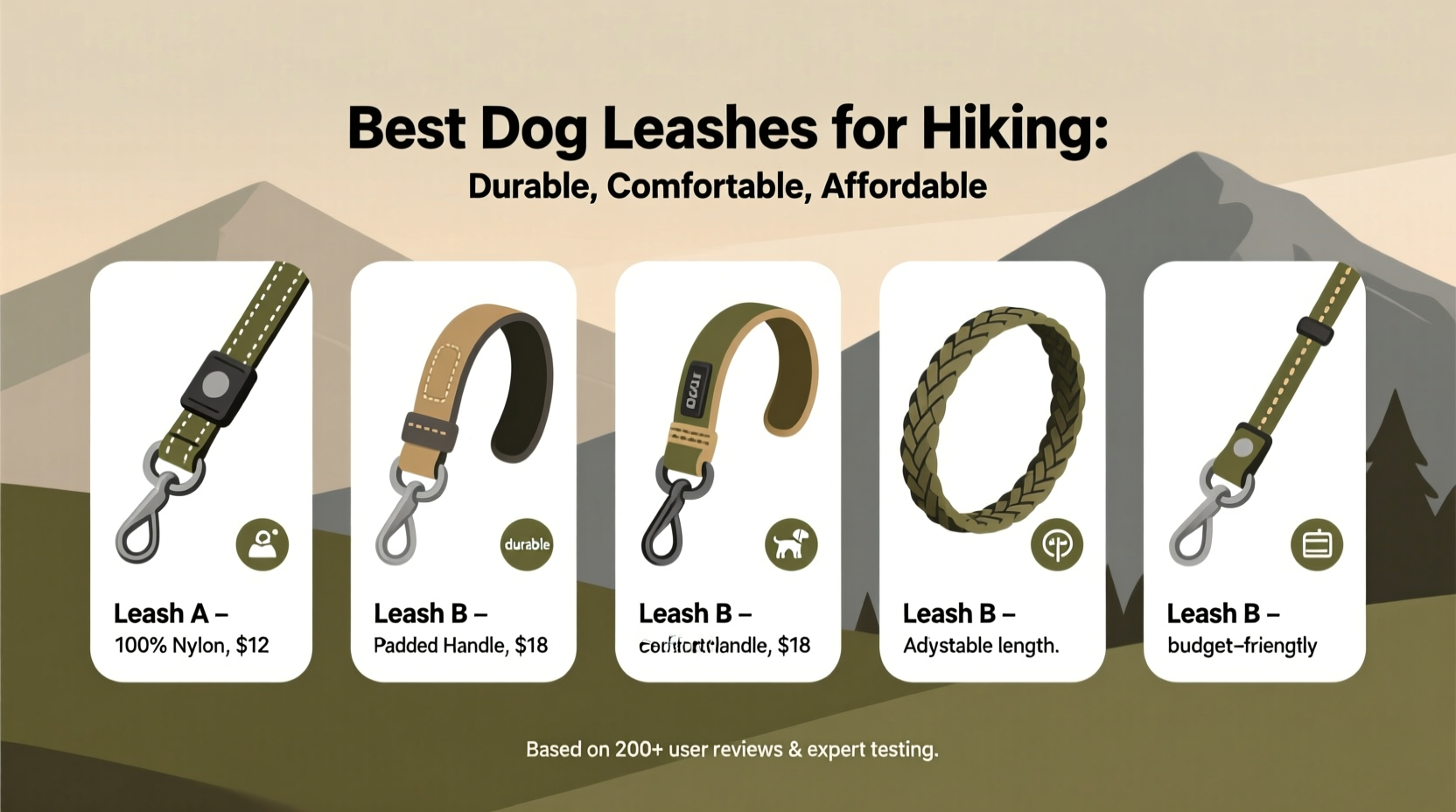
A standard 6-foot nylon leash may work fine for neighborhood walks, but it falls short in rugged environments. Hiking introduces variables like uneven terrain, water crossings, dense brush, and unpredictable wildlife encounters. A leash that stretches too much, frays easily, or lacks grip can put both you and your dog at risk.
Dogs behave differently off-leash or on trails—they’re more alert, reactive, and physically active. Pulling becomes harder to manage, and sudden lunges toward squirrels or deer are common. A hiking-specific leash is engineered to handle these challenges with reinforced stitching, weather-resistant materials, and ergonomic designs that reduce hand fatigue during long treks.
Tip: Always test a new leash in a controlled environment before heading deep into the wilderness.Key Features of the Best Hiking Leashes
Not all leashes marketed as “hiking” are created equal. To identify the best option, focus on three core attributes: durability, comfort, and value.
Durability: Built to Withstand the Elements
The best hiking leashes use high-tensile materials like polyester webbing, biothane-coated straps, or industrial-grade nylon. These resist abrasion from rocks and branches, UV degradation, and moisture absorption. Look for double or triple-stitched joints, especially at stress points like the clasp and handle. Metal hardware (such as zinc-alloy or stainless steel) outperforms plastic in longevity and strength.
Comfort: Reduce Strain on You and Your Dog
A comfortable leash distributes force evenly and minimizes jolts. Consider padded handles, shock-absorbing bungee sections, or hands-free waist belts. Some leashes feature multiple grip positions—ideal for switching between loose walking and tight control near drop-offs or switchbacks.
Affordability: Value Without Compromise
High price doesn’t always mean high performance. Many mid-range leashes ($20–$40) offer the same durability and comfort as premium models costing twice as much. Focus on user reviews, warranty policies, and return guarantees when assessing value.
“Durability isn’t just about material strength—it’s about design integrity under real-world stress.” — Dr. Lena Patel, Canine Equipment Researcher, National Trail Dog Alliance
Top Leash Types Compared
| Type | Best For | Pros | Cons | Avg. Price |
|---|---|---|---|---|
| Bungee Leash | Dogs that pull or lunge | Shock absorption, reduces strain | Harder to coil, bulkier | $25–$35 |
| Hands-Free Waist Leash | Runners or long-distance hikers | Free hands, balanced pull distribution | Limited reach, less precision | $30–$50 |
| Retractable (Lockable) | Open trails, scent exploration | Adjustable length, convenience | Potential tangling, weak clasp | $15–$25 |
| Standard Heavy-Duty Leash | All-around trail use | Reliable, simple, durable | No flexibility in length | $20–$30 |
| Multi-Position Leash | Versatile terrain changes | Adjustable lengths, secure handling | Slightly heavier | $28–$40 |
Step-by-Step Guide to Choosing the Right Leash
- Assess your dog’s behavior: Does your dog pull? Are they reactive to wildlife? Choose a bungee or multi-position leash if pulling is frequent.
- Evaluate your typical trail conditions: Rocky, muddy, or wet paths demand water-resistant materials like biothane.
- Determine preferred handling style: Do you want freedom of movement? A hands-free belt system might suit you best.
- Measure your dog: Larger breeds (over 50 lbs) need wider webbing (¾ inch or more) and reinforced clips.
- Set a realistic budget: Prioritize quality over quantity. One well-made leash lasts longer than three cheap ones.
- Read verified customer reviews: Pay attention to comments about long-term wear, clasp reliability, and handle comfort.
- Test before committing: If possible, borrow or trial a leash on a short hike before purchasing.
Real-World Example: Sarah’s Experience on the Appalachian Trail
Sarah, a thru-hiker from Asheville, North Carolina, learned the hard way about leash quality. Early in her journey with her 65-pound Australian Shepherd, Max, she used a $12 retractable leash. After two weeks, the cord snapped during a descent near Roan Mountain when Max spotted a fox. Fortunately, she was able to call him back, but the incident shook her confidence.
She switched to a lockable bungee hiking leash with a padded handle and reflective stitching. Over the next four months, covering nearly 700 miles, the leash endured river crossings, thorny thickets, and daily use. “It never frayed, the clasp stayed secure, and my hands didn’t ache after eight-hour days,” she said. “Worth every penny.”
Essential Checklist Before Buying
- ✅ Reinforced stitching at all connection points
- ✅ Durable metal clasp (preferably locking)
- ✅ Weather-resistant material (e.g., biothane or coated nylon)
- ✅ Comfortable grip or padding
- ✅ Reflective elements for low-light visibility
- ✅ Multiple length settings or adjustability
- ✅ Weight-appropriate for your dog’s size
- ✅ Manufacturer warranty or satisfaction guarantee
Frequently Asked Questions
Can I use a retractable leash for hiking?
You can—but only if it has a reliable lock feature and is built for rugged use. Standard retractables often have thin cords and flimsy casings unsuitable for rough trails. Opt for heavy-duty models designed specifically for outdoor activity.
How long should a hiking leash be?
Most experts recommend 4 to 6 feet for general trail use. This provides enough space for exploration while maintaining control near hazards. Retractable or multi-position leashes allow dynamic adjustment depending on the situation.
Are biothane leashes worth the extra cost?
For frequent hikers, yes. Biothane resists water, mud, and bacteria, dries quickly, and doesn’t degrade in sunlight. Though slightly more expensive upfront, its longevity makes it cost-effective over time—especially for dogs who love swimming or rolling in dirt.
Maintaining Your Leash for Longevity
Even the best leash will fail prematurely without care. Rinse off mud and salt after each hike, especially near coastal areas. Air dry completely before storing—never leave a damp leash coiled in your gear bag. Inspect the clasp and stitching monthly for signs of wear. Replace immediately if you notice fraying, stiffness, or weakened hardware.
Tip: Clean biothane leashes with mild soap and water; avoid harsh detergents that can strip protective coatings.Final Thoughts: Invest in Safety, Not Just Convenience
The best leash for hiking with your dog isn’t just about comfort or price—it’s about trust. When you’re miles from the trailhead, scrambling over rocks or navigating a narrow ridge, you need equipment that won’t fail. A durable, well-designed leash protects your dog, prevents accidents, and lets you focus on the beauty around you instead of worrying about broken hardware.
By prioritizing thoughtful design, proven materials, and real-world functionality, you can find a leash that delivers on all three promises: durability, comfort, and affordability. Don’t settle for less when the stakes are high and the trails are long.
🚀 Ready to upgrade your hiking experience? Choose a leash that matches your adventures, test it on your next outing, and share your story with fellow dog-loving hikers. Your perfect trail companion deserves nothing less.








