Bringing a bird into your home can be one of the most rewarding experiences for a family. Birds offer companionship, entertainment, and even educational value for children. But with over 10,000 bird species in the world, choosing the right one—and equipping your home properly—can feel overwhelming. The good news? You don’t need to spend hundreds to start. With smart choices, you can begin your avian journey with quality birds and accessories starting as low as $5.82.
Choosing the Right Bird for Your Family
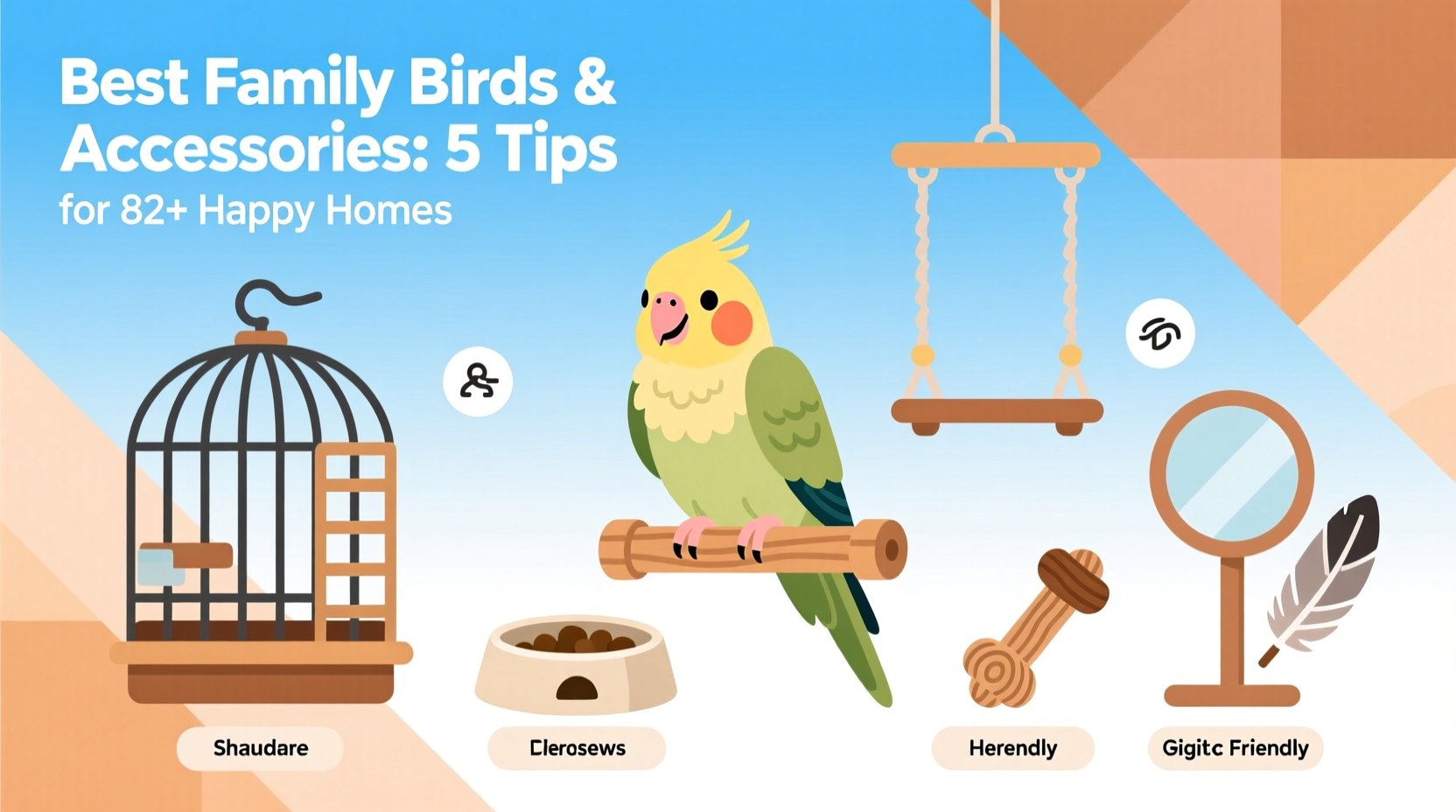
Not all birds are suited for homes with children or busy lifestyles. Some require extensive socialization, while others thrive on routine and quiet environments. Consider temperament, noise level, lifespan, and care needs before making a decision.
For families new to bird ownership, smaller, hardy species are ideal. Budgerigars (budgies), cockatiels, and lovebirds are popular choices due to their manageable size, friendly nature, and relatively simple care requirements.
- Budgies – Intelligent, talkative, and budget-friendly. They live 5–10 years and cost between $20–$35.
- Cockatiels – Gentle and affectionate, with soft whistles and head crests. Lifespan: 15–20 years. Price: $80–$150.
- Lovebirds – Social and playful but can be nippy if not handled regularly. Lifespan: 10–15 years. Price: $60–$100.
Essential Accessories Starting at $5.82
You don’t need luxury items to provide excellent care. Many high-quality accessories are available at affordable prices. Here’s a breakdown of must-have supplies and where to find them starting under $10.
| Accessory | Purpose | Starting Price | Where to Buy |
|---|---|---|---|
| Perches (natural wood) | Promote foot health | $5.82 | Online retailers, local pet supply stores |
| Food cups (set of 2) | Hold seeds and fresh food | $6.99 | PetSmart, Chewy, Amazon |
| Foraging toys (paper-based) | Mental stimulation | $7.49 | Etsy, bird specialty shops |
| Floor cage liner (pack of 50) | Easy clean-up | $8.25 | Walmart, Target |
| Water bottle feeder | Hydration without spillage | $9.99 | Amazon, Petco |
“Affordable doesn’t mean low quality. Many budget-friendly bird products meet the same safety standards as premium brands.” — Dr. Lena Torres, Avian Veterinarian, Midwest Bird Clinic
Step-by-Step Setup: From Purchase to Home Introduction
Bringing a bird home requires careful planning. Follow this timeline to ensure a smooth transition for both the bird and your family.
- Week 1: Research & Preparation
Choose your bird species, set up the cage in a calm area of the house, and purchase all essentials. Let the cage sit assembled for 48 hours to air out any odors. - Day of Arrival: Quarantine Period
Keep the bird isolated from other pets for 30 days. Monitor eating, droppings, and behavior. Minimize handling; allow adjustment time. - Days 3–7: Bonding Begins
Sit near the cage and speak softly. Offer treats through the bars. Avoid sudden movements. - Week 2–4: Hand-Feeding & Taming
Introduce your hand slowly. Use millet sprays as positive reinforcement. Begin short out-of-cage sessions in a secure room. - Month 2+: Full Integration
Allow supervised exploration. Teach simple commands. Rotate toys weekly to prevent boredom.
Real-Life Example: The Thompson Family’s First Bird
The Thompsons, a family of four in Ohio, wanted a pet that wouldn’t trigger their youngest child’s allergies. After researching, they chose a budgie named Sunny. Their total startup cost was $142—including a $35 bird, a $45 mid-size cage, $12 in perches and cups, and $50 for food, toys, and a playstand.
They began with daily 10-minute interaction sessions. Within six weeks, Sunny was stepping onto fingers and mimicking “hello.” At $5.82 for replacement perches and $8 for monthly toy swaps, ongoing costs remained low. Two years later, Sunny is a beloved household member and has even helped their son improve reading skills by listening to him practice aloud.
Common Mistakes & How to Avoid Them
Even well-intentioned owners make errors. These pitfalls can affect bird health and family harmony.
- Overlooking diet variety – Seeds alone lack nutrients. Supplement with fresh vegetables, pellets, and occasional fruit.
- Neglecting mental stimulation – Bored birds pluck feathers or scream. Rotate at least three toys weekly.
- Ignoring noise levels – Budgies chirp constantly; cockatiels whistle loudly at dawn. Consider neighbors and work-from-home schedules.
- Skipping annual vet visits – Birds hide illness well. A yearly check-up with an avian vet is crucial.
Do’s and Don’ts at a Glance
| Do | Don't |
|---|---|
| Offer a mix of pellets, seeds, and fresh produce | Feed avocado, chocolate, or onions (toxic to birds) |
| Clean food and water dishes daily | Use scented cleaners near the cage |
| Let your bird out for supervised exercise | Leave ceiling fans or open windows unsecured |
| Trim nails every 6–8 weeks | Clip flight feathers without professional guidance |
Frequently Asked Questions
Can I keep just one bird?
Some birds, like budgies and cockatiels, do best in pairs. However, if you commit to daily interaction (30+ minutes), a single bird can thrive. Lovebirds especially need companionship—either human or avian.
Are cheap accessories safe?
Yes, many affordable accessories meet safety standards. Look for non-toxic materials, no small detachable parts, and sturdy construction. Avoid painted wood or zinc-coated metals.
How much time should we spend with the bird each day?
A minimum of 20–30 minutes of direct interaction is recommended. This includes talking, training, or gentle handling. More social species benefit from longer engagement.
Your Checklist for a Successful Start
- Research species suitability for your household
- Purchase a properly sized cage (minimum 24”L x 18”W x 20”H for budgies)
- Buy essential accessories: perches, food/water dishes, liner, and 2–3 toys
- Stock up on balanced food (pellets + seeds + fresh options)
- Locate an avian veterinarian nearby
- Set up the cage in a social but quiet area
- Begin bonding with calm presence and positive reinforcement
- Schedule a wellness check within the first month
Conclusion: Start Small, Think Long-Term
A family bird doesn’t have to be a financial burden. With thoughtful selection and access to affordable, high-quality accessories starting at just $5.82, you can create a nurturing environment that lasts for years. Remember, the true investment isn’t in expensive gear—it’s in time, attention, and consistency. Birds remember kindness, respond to routine, and form deep bonds when treated with patience and respect.
💬 Ready to welcome a feathered friend? Share your first bird story or ask questions in the comments—let’s build a community of informed, compassionate bird families.








