Bringing a rabbit into your home can be one of the most rewarding pet experiences. Gentle, intelligent, and full of personality, bunnies form deep bonds with their caregivers. But not all rabbit breeds are suited to every household. Choosing the right breed depends on your lifestyle, living space, experience level, and what kind of companion you’re looking for. From energetic miniatures to calm giants, understanding breed-specific traits is key to a happy, long-term relationship.
Understanding Rabbit Temperament and Lifestyle Fit
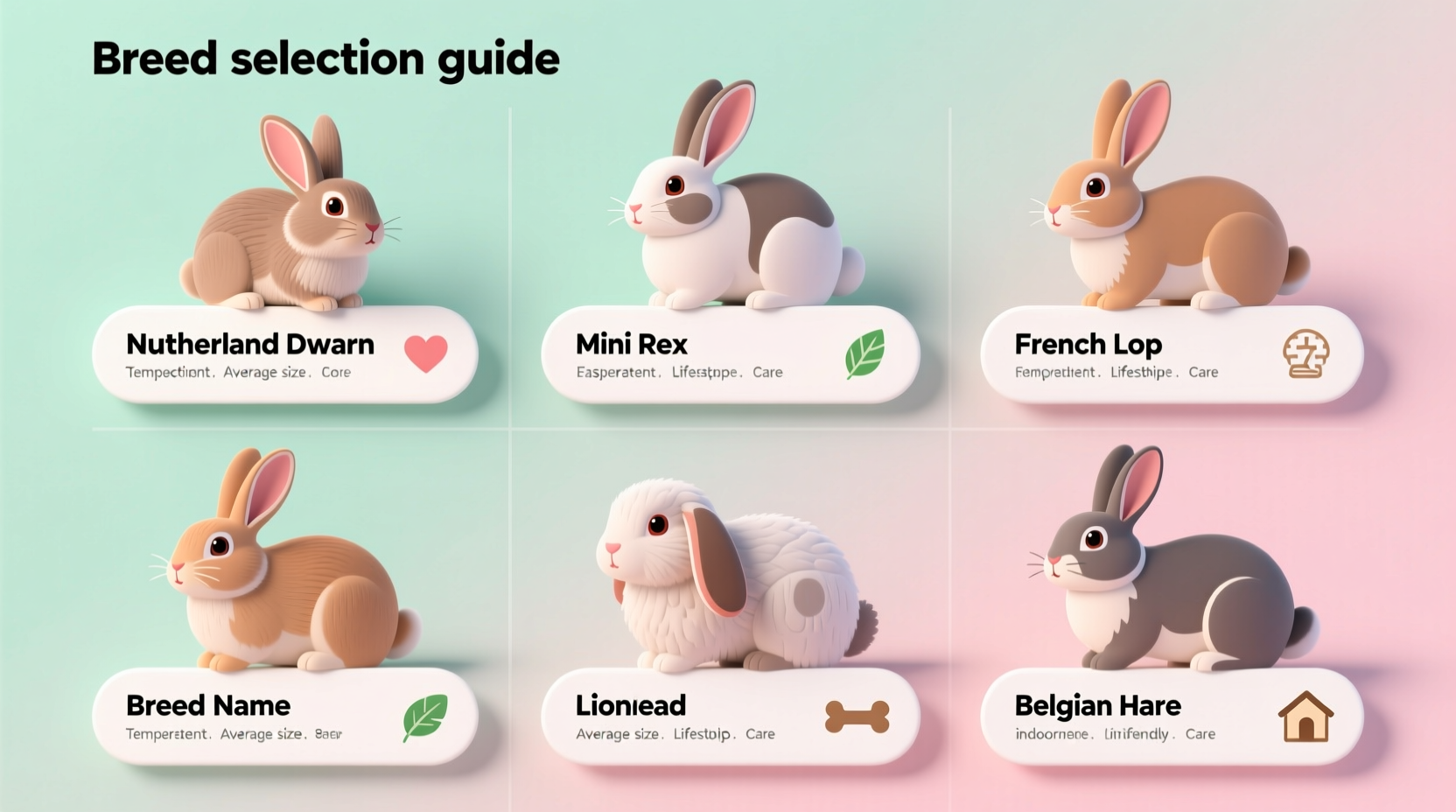
Rabbit behavior varies significantly between breeds. Some are naturally more outgoing and social, while others are shy or independent. Energy levels also differ—some breeds thrive on daily playtime and exploration, while others prefer quiet companionship.
For families with children, a calm, tolerant breed is essential. Young kids may unintentionally handle rabbits too roughly, so a patient and resilient bunny is ideal. Singles or seniors might prefer a quieter, affectionate companion who enjoys lounging nearby rather than constant activity. Apartment dwellers should consider smaller, less vocal breeds that adapt well to confined spaces.
Tip: Spend time with a breed before adopting. Visit shelters or breeders to observe how individual rabbits interact.Key Behavioral Traits by Breed Type
- Dwarf breeds (e.g., Netherland Dwarf): Often energetic and alert, but can be skittish if not socialized early.
- Lops (e.g., Holland Lop, Mini Lop): Typically gentle and good-natured, making them excellent family pets.
- Larger breeds (e.g., Rex, Flemish Giant): Calmer demeanor, often described as “lap bunnies” despite their size.
- Wool breeds (e.g., Jersey Wooly, English Angora): Require frequent grooming but tend to be sweet-tempered and enjoy human interaction.
Care Requirements Across Popular Pet Breeds
Beyond personality, maintenance is a critical factor. Grooming, diet, exercise, and veterinary needs vary across breeds. High-maintenance coats demand brushing several times a week, while short-haired breeds need only weekly attention. Larger rabbits consume more food and require bigger living spaces.
| Breed | Average Weight | Grooming Needs | Temperament | Best For |
|---|---|---|---|---|
| Netherland Dwarf | 1.5–2.5 lbs | Low (short coat) | Playful, sometimes timid | Experienced owners, quiet homes |
| Holland Lop | 2–4 lbs | Moderate (ears & face) | Sweet, affectionate | Families, first-time owners |
| Mini Rex | 3.5–4.5 lbs | Low (dense plush coat) | Calm, curious | All households |
| Jersey Wooly | 2–3.5 lbs | High (wool shedding) | Gentle, docile | Dedicated groomers |
| Flemish Giant | 13–15+ lbs | Moderate (seasonal shedding) | Docile, friendly | Spacious homes, experienced caretakers |
“Rabbits aren’t low-maintenance pets. They need daily interaction, proper diet, and mental stimulation. The right breed match reduces stress—for both rabbit and owner.” — Dr. Laura Simmons, DVM, Exotic Animal Specialist
Top 5 Best Rabbit Breeds for First-Time Owners
Starting with a forgiving, adaptable breed increases your chances of success. These five are consistently recommended by veterinarians and rabbit rescues for their balance of temperament, care needs, and availability.
- Holland Lop: Known for floppy ears and a teddy-bear appearance, this breed is exceptionally people-oriented. They bond closely with their humans and tolerate handling well when raised gently.
- Mini Rex: With a velvety coat and compact size, Mini Rex rabbits are hardy and easy to manage. Their curiosity makes training fun, and they adapt well to indoor living.
- Polish Rabbit: Small and expressive, Polish rabbits are lively but can be trained to use a litter box quickly. Best suited for attentive owners who enjoy interactive pets.
- Chinchilla Rabbit: Not to be confused with the rodent, this breed has a striking silver-gray coat and a calm disposition. They’re quiet and clean, ideal for apartments.
- Satin Angora: A wool breed with a silky coat, Satin Angoras are affectionate and enjoy being brushed. Requires commitment to grooming but rewards with deep companionship.
Step-by-Step Guide to Choosing Your Bunny
Selecting the right rabbit involves more than picking the cutest face. Follow this practical timeline to ensure a thoughtful decision.
- Assess your space: Do you have room for a large enclosure (at least 12 sq ft) plus a safe play area? Larger breeds need more room.
- Evaluate your schedule: Rabbits require daily feeding, cleaning, and at least 3–4 hours of supervised free-roam time. Can you commit?
- Research breeders or rescues: Look for those who allow meet-and-greets and provide health records. Ask about temperament history.
- Meet potential bunnies: Observe how they react to touch, noise, and handling. A confident, curious rabbit often adapts better.
- Prepare your home: Rabbit-proof electrical cords, secure toxic plants, and set up a quiet retreat zone before bringing your pet home.
Real-Life Example: The Thompson Family’s Choice
The Thompsons wanted a pet their two young children could interact with safely. After researching, they visited a local rescue and met three Holland Lops. One, named Daisy, approached the children calmly and accepted gentle pets. She’d been fostered in a family home, which helped her adjust quickly. Two years later, Daisy is fully litter-trained, enjoys daily floor time, and even hops to the door when the kids come home from school. Their careful selection paid off in a harmonious household.
Common Mistakes to Avoid When Choosing a Pet Rabbit
- Choosing based on cuteness alone: A tiny dwarf may seem adorable, but its high-strung nature can clash with active households.
- Underestimating lifespan: Many rabbits live 8–12 years. This is a long-term commitment, not a child’s passing phase.
- Ignoring grooming demands: Wool breeds like Angoras mat quickly without daily brushing, leading to painful skin issues.
- Buying from unreliable sources: Poor breeding practices lead to dental problems, weak immune systems, and behavioral issues.
- Assuming rabbits are “starter pets” for kids: Adults must assume primary care responsibility. Children can assist under supervision.
FAQ
Can I keep a rabbit outdoors?
While possible, indoor housing is strongly recommended. Indoor rabbits live longer, safer lives, protected from predators, extreme weather, and diseases like myxomatosis. If housed outside, the hutch must be predator-proof, insulated, and cleaned daily.
Do rabbits get along with other pets?
Some do, but introductions must be slow and supervised. Never leave a rabbit alone with dogs or cats, even if seemingly friendly. Rabbits perceive many animals as predators, and stress can trigger serious health issues.
Are male or female rabbits better as pets?
Unspayed females are prone to uterine cancer (up to 80% risk by age 4), and unneutered males may mark territory or become aggressive. Spaying or neutering eliminates most behavioral concerns and improves health. Personality differences post-surgery are minimal—individual temperament matters more than sex.
Final Checklist Before Adoption
- ✅ Housing
- Spacious cage or pen + daily free-roam access
- ✅ Diet Setup
- Unlimited hay, measured pellets, fresh greens, clean water
- ✅ Litter Training Supplies
- Litter box, paper-based litter, hay dispenser
- ✅ Chew Toys & Enrichment
- Wood blocks, tunnels, cardboard boxes
- ✅ Vet Plan
- Find an exotic veterinarian experienced with rabbits
- ✅ Grooming Tools
- Soft brush, nail clippers, tear-wipe cloth
Conclusion
Choosing the best bunny breed for your home isn’t just about size or fluffiness—it’s about alignment with your daily life, expectations, and ability to provide consistent care. Whether you’re drawn to the playful spark of a Netherland Dwarf or the serene presence of a Flemish Giant, the right match will enrich your days with quiet joy and unexpected affection. Take your time, do your research, and let compatibility guide your choice. A well-chosen rabbit doesn’t just survive—they thrive, becoming a cherished member of your family for years to come.
💬 Have a favorite rabbit breed or adoption story? Share your experience in the comments to help others make informed, compassionate choices.








