
Betta fish are known for their vibrant colors and flowing fins, but their reputation for aggression often leads aquarists to keep them alone. While solitary housing is safe and common, many experienced hobbyists successfully maintain bettas in community tanks—provided the right companions are chosen. Introducing tank mates requires careful planning, an understanding of betta behavior, and compatibility based on temperament, size, water needs, and swimming zones. Done correctly, a well-balanced tank can be both visually stunning and enriching for all its inhabitants.
Understanding Betta Behavior and Temperament
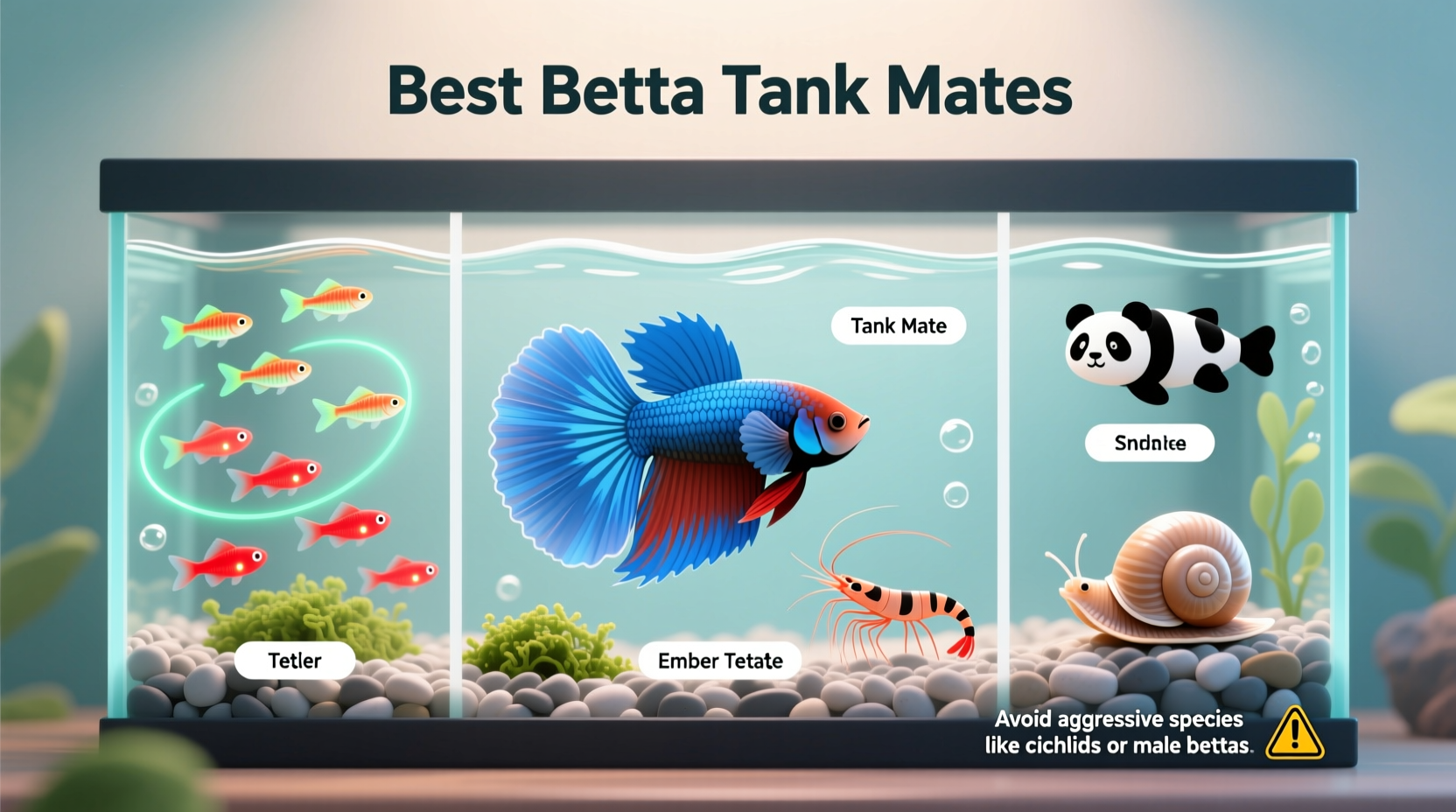
Bettas, particularly males, are naturally territorial. In the wild, they defend small patches of shallow water against intruders. This instinct doesn’t vanish in captivity. A male betta may flare at anything resembling a rival—especially fish with bright colors or long fins, such as guppies or other bettas. Females are generally less aggressive but can still display territorial behavior, especially in cramped or poorly structured tanks.
Not all bettas behave the same. Individual personalities vary widely. Some are bold and reactive; others are shy and reclusive. Before introducing any tank mate, observe your betta’s baseline behavior. Does it flare at reflections? Chase snails? Hide when startled? These cues help predict how it might react to new additions.
“Bettas aren’t inherently incompatible with community tanks—they’re just highly selective about their neighbors.” — Dr. Alicia Nguyen, Aquatic Veterinarian and Tropical Fish Specialist
Key Criteria for Choosing Compatible Tank Mates
Selecting suitable companions isn’t just about avoiding fights—it’s about creating harmony. Consider these five factors before adding any species:
- Temperament: Choose peaceful, non-aggressive species that won’t provoke or harass the betta.
- Size: Tank mates should be similar in size or smaller. Large fish may intimidate or eat the betta; very small ones could be seen as food.
- Swimming Zone: Bettas are mid-to-surface dwellers. Bottom-dwellers like corydoras or kuhli loaches minimize interaction and reduce conflict.
- Water Parameters: All species must thrive in warm (76–80°F), slightly acidic to neutral water (pH 6.5–7.5), typical for bettas.
- Activity Level: Fast-moving or nippy fish like tetras or barbs can stress bettas. Opt for slow, calm swimmers.
Best Betta Tank Mate Options
Below is a curated list of species proven to coexist peacefully with bettas when conditions are optimal:
| Species | Why It Works | Recommended Quantity | Potential Risks |
|---|---|---|---|
| Amano Shrimp | Peaceful, excellent algae eaters, occupy bottom zone | 2–4 | Rarely, bettas may see tiny shrimp as prey |
| Nerite Snails | Hardy, don’t reproduce in freshwater, clean glass | 1–2 per 10 gallons | None significant |
| Corydoras Pygmaeus | Tiny, fast, stay at bottom, schooling nature reduces stress | 6+ (schooling) | May be nipped if betta is overly aggressive |
| Kuhli Loach | Nocturnal, eel-like, hides during day | 3–5 | Needs soft substrate and tight lid (can jump) |
| Harlequin Rasbora | Calm, mid-level swimmer, subtle coloration | 6+ (schooling) | Avoid if betta shows aggression toward movement |
Note: Avoid neon tetras, guppies, and fancy goldfish. Tetras may nip fins; guppies resemble bettas too closely; goldfish prefer colder water and produce excess waste.
Step-by-Step Guide to Introducing Tank Mates
Even compatible species can trigger aggression if introduced incorrectly. Follow this timeline to increase success:
- Week 1: Ensure your betta is healthy, eating well, and settled in a fully cycled tank (minimum 5 gallons).
- Day 1: Acclimate new fish slowly using the drip method over 60–90 minutes to match water parameters.
- Introduction: Release tank mates into the aquarium first, then net the betta and place it in a transparent container (like a breeding box) for 24 hours. This allows visual acclimation without physical contact.
- Day 2: Remove the container and monitor closely for 2–3 hours. Watch for chasing, flaring, or signs of stress (clamped fins, hiding).
- First 7 Days: Be present during feeding times. If aggression occurs, separate immediately using a tank divider or secondary tank.
- Ongoing: Provide ample hiding spots with plants, caves, and driftwood to break lines of sight and create secure zones.
Mini Case Study: A Successful Community Setup
Jamie, a beginner aquarist in Portland, kept her male betta “Azure” alone for six months. After researching, she upgraded to a 10-gallon planted tank with java fern, moss balls, and a sponge filter. She added a group of six pygmy corydoras and two nerite snails.
Initially, Azure flared at the corys when they swam near the surface. But within three days, he ignored them. The corydoras stayed near the gravel, foraging for leftover food, while the snails grazed on algae. After one month, Jamie observed no aggression. In fact, Azure began associating feeding time with the corys’ presence, swimming down briefly before returning to his favorite leaf perch.
The key to her success? A spacious tank, gradual introduction, and species that occupied different zones and posed no threat.
Common Mistakes to Avoid
Even well-intentioned choices can backfire. Here are frequent errors and how to prevent them:
- Overstocking: Crowded tanks increase stress and aggression. Stick to the one-inch-per-gallon rule (excluding tail length in bettas).
- Poor Hiding Spots: Without cover, subordinate fish have nowhere to retreat. Use live or silk plants and ceramic decorations.
- Mixing Similar-Looking Fish: Avoid other labyrinth fish like gouramis, which may trigger territorial responses.
- Ignoring Water Quality: Ammonia spikes from overfeeding or overcrowding make all fish irritable. Test weekly and perform 20–30% water changes.
Frequently Asked Questions
Can I keep two female bettas with a male?
No. Male bettas will typically attack females outside of breeding contexts, especially in confined spaces. Female-only groups (a “sorority”) of 5+ can work in 20+ gallon tanks with heavy planting, but mixing genders increases risk significantly.
Are ghost shrimp safe with bettas?
Sometimes. Ghost shrimp are translucent and small, making them easy targets. While some bettas ignore them, others hunt them actively. If you try, introduce larger specimens and provide dense cover.
How do I know if my betta is stressed by tank mates?
Signs include constant hiding, loss of color, clamped fins, rapid breathing, or refusal to eat. Immediate separation is recommended if these behaviors persist beyond 48 hours after introduction.
Final Checklist Before Adding Tank Mates
- ✅ Tank is at least 5 gallons (10+ preferred for community setups)
- ✅ Fully cycled with stable ammonia, nitrite, and low nitrate levels
- ✅ Hiding places and visual barriers are provided
- ✅ New fish are quarantined and disease-free
- ✅ Chosen species meet all compatibility criteria (temperament, size, zone, water needs)
- ✅ You have a backup plan (divider or spare tank) in case of aggression
Conclusion
Choosing the best betta tank mates isn’t about chance—it’s about strategy, observation, and respect for natural behaviors. With the right environment and thoughtful selection, your betta can thrive alongside peaceful companions, transforming your aquarium into a dynamic, balanced ecosystem. Start small, prioritize safety, and let your betta’s personality guide your decisions. Every successful pairing begins with patience and preparation.
💬 Have a betta tank success story or challenge? Share your experience in the comments to help fellow aquarists build better, healthier communities.








