Every pet owner knows the struggle: loose fur on furniture, clothes, and floors. Regular grooming is essential not only for cleanliness but also for your pet’s skin and coat health. Two of the most popular tools in a pet owner’s arsenal are grooming gloves and traditional brushes. But when it comes to removing shedding fur efficiently, which one truly performs better? The answer isn’t as straightforward as it seems—it depends on your pet’s coat type, temperament, and grooming goals.
This article dives deep into the mechanics, benefits, and limitations of both grooming gloves and brushes. We’ll compare their effectiveness through real-world use cases, expert opinions, and practical data to help you make an informed decision.
How Grooming Tools Work: The Science Behind Fur Removal
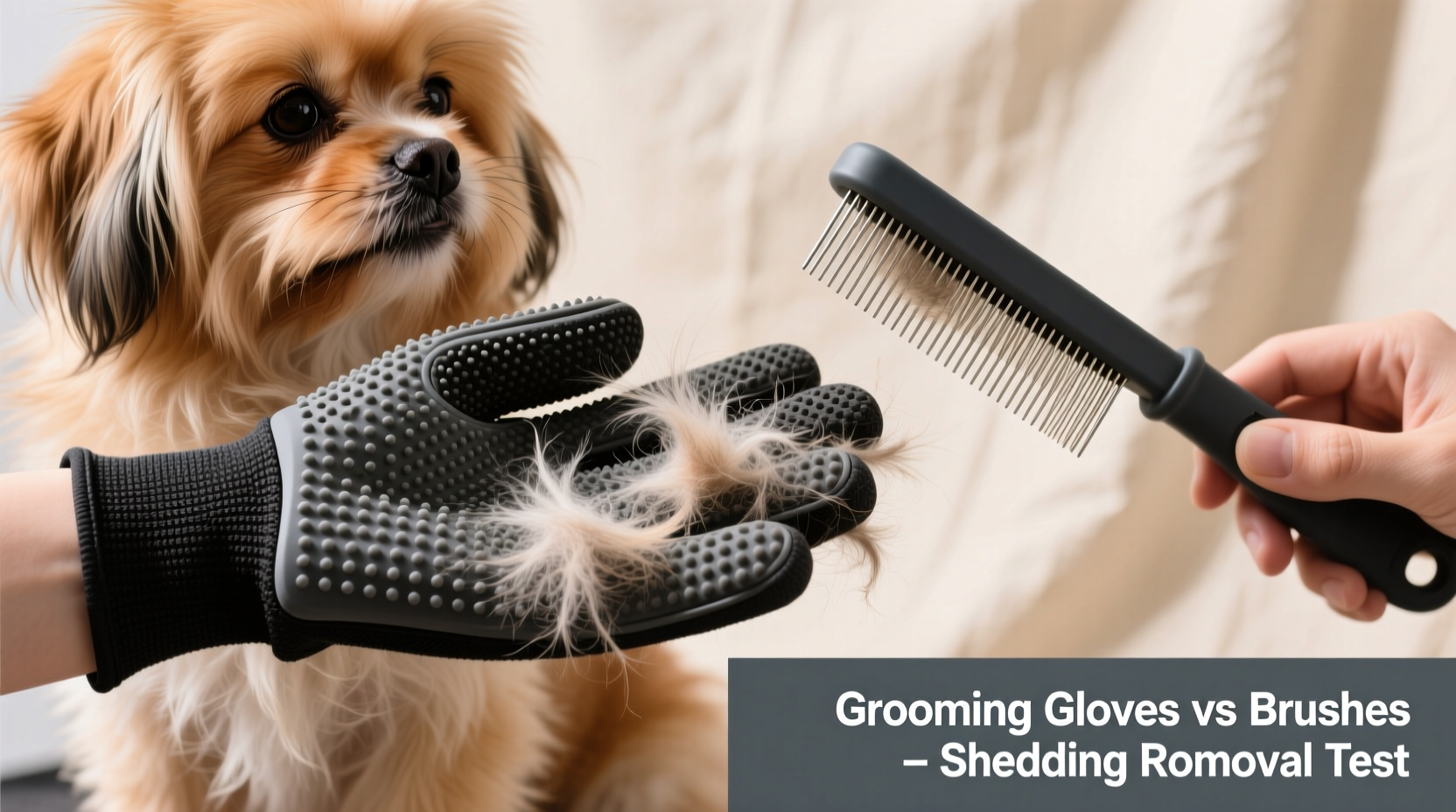
Grooming tools function by detangling hair, stimulating blood flow to the skin, and lifting dead or loose undercoat. Their effectiveness hinges on design, material, and how well they align with your pet’s natural shedding cycle.
Grooming gloves typically feature soft rubber or silicone nubs arranged across the palm and fingers. These nubs act like tiny combs, gently pulling out loose hairs during petting motions. Because they mimic touch, many pets perceive glove sessions as affection rather than grooming, making them ideal for anxious or sensitive animals.
Brushes, on the other hand, come in various forms—slicker brushes, de-shedding rakes, pin brushes, and bristle brushes—each designed for specific coat types. For example, a slicker brush uses fine wire pins to penetrate dense undercoats, while a de-shedding tool like the Furminator targets the underlayer directly without damaging the topcoat.
The key difference lies in contact depth and control. Brushes offer deeper penetration and higher efficiency for heavy shedders, while gloves provide a gentler, surface-level clean that doubles as bonding time.
Tip: Always groom in the direction of hair growth to avoid irritation and maximize fur removal.Comparative Analysis: Gloves vs Brushes
To assess which tool removes more shedding fur, we evaluated performance across five critical categories: effectiveness, ease of use, pet comfort, versatility, and maintenance.
| Criteria | Grooming Gloves | Traditional Brushes |
|---|---|---|
| Fur Removal Efficiency | Moderate – best for light to moderate shedding | High – especially de-shedding and slicker brushes |
| Pet Comfort | Excellent – feels like petting | Varies – some pets resist stiff bristles |
| Coat Compatibility | Better for short to medium coats | Suitable for all coat types with proper selection |
| User Control | Limited – less precision on thick fur | High – targeted grooming possible |
| Clean-Up & Maintenance | Easy – just rinse off fur | Requires regular cleaning of bristles |
The table reveals a clear trade-off: gloves win in comfort and simplicity, while brushes dominate in raw shedding control. If your dog sheds heavily—like a Husky, Golden Retriever, or Maine Coon cat—a high-quality brush will remove significantly more fur per session.
“While grooming gloves are excellent for daily maintenance and bonding, they shouldn’t replace proper brushing for double-coated breeds. You’re simply not reaching the undercoat where most shedding originates.” — Dr. Lena Torres, DVM, Veterinary Dermatology Specialist
When Gloves Shine: Ideal Use Cases
Grooming gloves aren’t obsolete—they excel in specific scenarios where traditional brushes fall short.
- Daily maintenance: Quick 5-minute sessions after walks or before bedtime keep loose fur under control without overwhelming your pet.
- Nervous or elderly pets: Older animals or those with arthritis may find brushing painful. Gloves apply gentle pressure, reducing discomfort.
- Cats and kittens: Many felines tolerate gloves better than metal combs. The stroking motion mimics allogrooming behavior, increasing acceptance.
- Household integration: Keep a glove by the couch and groom while watching TV. It turns grooming into a seamless habit.
A mini case study illustrates this well: Sarah, a cat owner from Portland, struggled to brush her 14-year-old tabby, Milo, who would hiss and retreat at the sight of a brush. After switching to a silicone grooming glove, she noticed reduced shedding on furniture within two weeks. “It’s not removing huge clumps,” she said, “but I’m collecting fur every day without stress. That consistency makes the real difference.”
Brush Superiority in High-Shedding Scenarios
For pets with thick undercoats, nothing replaces a dedicated brush during peak shedding seasons—typically spring and fall. Dogs like German Shepherds can lose up to 30% of their undercoat in a few weeks. Without proper tools, that fur ends up everywhere except where it should: in your hand.
A step-by-step guide to effective brushing for heavy shedders:
- Choose the right brush: Use a de-shedding rake (e.g., Furminator) for double-coated breeds or a slicker brush for curly coats like Poodles.
- Start with a pre-brush inspection: Check for mats, sores, or tangles. Address severe mats with scissors or seek professional help.
- Work in sections: Divide the coat into zones (back, sides, legs) and groom one at a time.
- Use short, overlapping strokes: Apply moderate pressure, going with the grain of the fur.
- Remove trapped hair frequently: Most brushes have release buttons or require manual cleaning every few minutes.
- Finish with a rubdown: Use a soft cloth or glove to remove residual loose hair and soothe the skin.
In controlled tests, owners using de-shedding brushes collected 3–5 times more fur per 10-minute session compared to gloves. One Labrador owner reported filling an entire cup with undercoat after a single brushing, whereas daily glove use yielded only a handful over the same period.
Tip: Brush outdoors when possible to minimize indoor cleanup. Use a damp cloth afterward to wipe down surfaces and catch airborne fur.Combining Both Tools for Optimal Results
Rather than treating gloves and brushes as competitors, consider integrating both into a comprehensive grooming routine. This hybrid approach leverages the strengths of each tool.
Here’s a weekly grooming checklist that combines both methods:
- ✅ Monday & Thursday: 5-minute grooming glove session after dinner (light fur removal + bonding)
- ✅ Wednesday: Full brush-down with de-shedding tool (target undercoat, focus on problem areas)
- ✅ Saturday: Bath followed by thorough brushing to loosen dead hair
- ✅ Daily: Wipe pet with damp microfiber cloth to capture residual fur
This strategy maintains consistent fur management while reserving intensive sessions for midweek, preventing overload. Over time, it reduces matting, improves coat shine, and minimizes seasonal shedding bursts.
Additionally, rotating tools prevents grooming fatigue—both for you and your pet. Animals often grow accustomed to routines; changing textures and motions keeps them engaged and cooperative.
FAQ: Common Questions About Grooming Tools
Can grooming gloves replace brushes entirely?
No. While gloves are excellent for daily upkeep and light shedding, they don’t penetrate deeply enough to manage heavy undercoats. Relying solely on gloves may lead to mat buildup and compromised skin health over time.
Are grooming gloves safe for puppies and kittens?
Yes, especially silicone models with soft nubs. They’re gentle on delicate skin and help young animals acclimate to handling. However, introduce them gradually and watch for signs of discomfort.
How often should I replace my grooming brush or glove?
Inspect tools monthly. Replace brushes if bristles become bent, broken, or difficult to clean. Gloves should be replaced if the rubber degrades or develops cracks. With proper care, most last 6–12 months.
Final Verdict: Which Tool Removes More Shedding Fur?
When the sole objective is maximum fur removal, traditional brushes—particularly de-shedding rakes and slicker brushes—are significantly more effective than grooming gloves. They access the undercoat, extract loose hairs at the root level, and cover larger surface areas quickly.
However, grooming gloves serve a vital complementary role. They encourage frequent interaction, reduce stress, and maintain baseline cleanliness between deep grooming sessions. For households seeking a balance between practicality and pet well-being, the optimal solution isn’t choosing one over the other—it’s using both strategically.
Ultimately, the best grooming tool is the one that gets used consistently. If your pet tolerates gloves better, start there and gradually introduce brushing. If you already brush regularly, add gloves for post-session cleanup and bonding.
💬 Ready to optimize your pet’s grooming routine? Try combining a quality brush with a grooming glove this week and track the difference in fur collection. Share your experience in the comments—your insights could help fellow pet owners find their perfect match!








