Noticing green discharge from your dog’s private area is alarming—and it should be. This symptom is not normal and often points to an underlying infection or systemic health issue. While some discharges may occur during heat cycles or after giving birth, green-colored fluid is typically a red flag. Left untreated, the condition can progress to more severe complications, including sepsis or infertility. Understanding the potential causes, recognizing accompanying symptoms, and knowing the right steps to take can make a critical difference in your dog’s recovery.
Common Causes of Green Discharge in Dogs
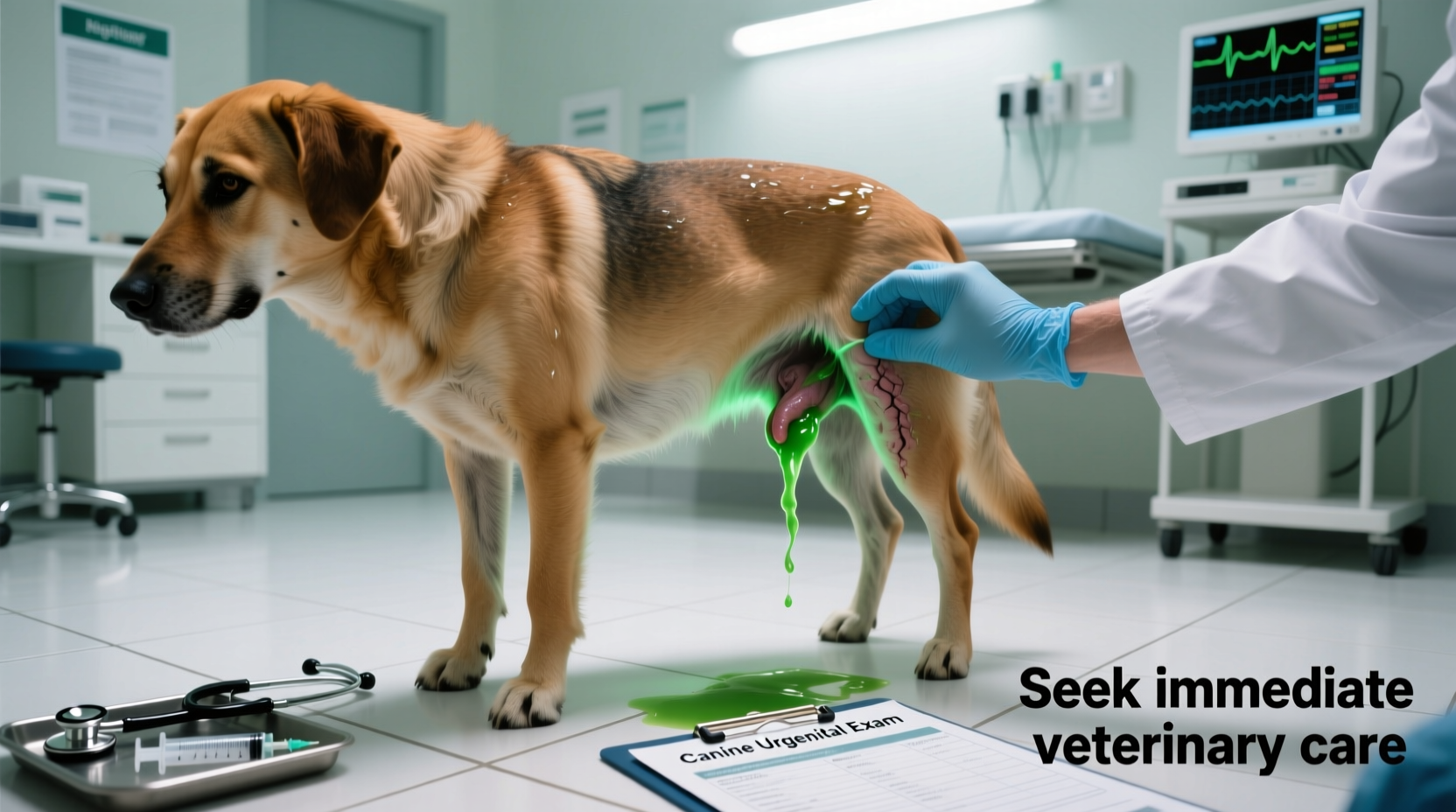
Green discharge usually indicates the presence of pus, which forms when white blood cells fight off bacteria. The color comes from dead cells and bacterial byproducts. In female dogs, this most commonly stems from reproductive tract infections. In males, it may point to urinary or prostate issues. Below are the primary causes:
- Pyometra – A life-threatening uterine infection common in unspayed females, especially after a heat cycle. It often leads to thick, foul-smelling green or yellow discharge, lethargy, vomiting, and increased thirst.
- Vaginitis – Inflammation of the vagina, frequently seen in younger, unspayed females. Can result in mild greenish discharge, frequent urination, and licking of the genital area.
- Urinary Tract Infection (UTI) – More common in females, UTIs can sometimes cause discolored discharge, particularly if the infection spreads beyond the bladder.
- Prostatitis – In male dogs, prostate infections may lead to penile discharge that appears green or yellow, along with pain during urination or defecation.
- Postpartum Complications – After giving birth, retained placental tissue or uterine infection (metritis) can produce green discharge accompanied by fever and loss of appetite.
- Surgical Site Infection – If your dog was recently spayed, green discharge from the incision site or vulva could indicate an internal infection.
“Any abnormal genital discharge in dogs, especially green or foul-smelling, warrants immediate veterinary evaluation. Delaying care can turn a treatable infection into a fatal condition.” — Dr. Laura Simmons, DVM, Small Animal Internal Medicine Specialist
What You Should Do: Immediate Steps and Veterinary Care
Seeing green discharge means you should act quickly. This isn’t a symptom to monitor at home for days. Here’s a step-by-step guide on what to do:
- Isolate and Observe: Keep your dog away from other pets, especially if breeding is possible. Note any additional symptoms—fever, vomiting, lethargy, bloating, or changes in drinking/urination habits.
- Check for Other Signs: Examine the vulva or penis for swelling, redness, or tenderness. Smell the discharge; a strong, rotten odor often accompanies pyometra.
- Do Not Attempt Home Treatment: Avoid flushing the area or using over-the-counter creams. These can worsen infections or mask symptoms.
- Contact Your Veterinarian Immediately: Call ahead to explain the symptoms so the clinic can prepare for a potential emergency.
- Prepare for Diagnostic Tests: Be ready for blood work, ultrasound, or vaginal cytology. These help confirm conditions like pyometra or prostatitis.
Diagnosis and Treatment Options
Your veterinarian will likely begin with a physical exam and ask about your dog’s reproductive history, recent heat cycles, or surgeries. Diagnostic tools include:
- Blood tests (to check for elevated white blood cells or signs of systemic infection)
- Ultrasound (to visualize the uterus for fluid buildup or thickening)
- Vaginal cytology (microscopic examination of discharge)
- Urinalysis (if UTI is suspected)
Treatment depends on the diagnosis:
| Condition | Typical Treatment | Prognosis |
|---|---|---|
| Pyometra | Emergency spay (ovariohysterectomy) + IV antibiotics and fluids | Excellent if treated early; mortality increases significantly if delayed |
| Vaginitis | Topical or oral antibiotics; often resolves without surgery | Very good, especially in juvenile cases |
| UTI | Course of prescribed antibiotics based on culture | Fully curable with proper medication |
| Prostatitis | Antibiotics, pain management, possibly castration | Good with timely treatment |
| Metritis | IV antibiotics, supportive care, possible surgical intervention | Urgent; high risk without treatment |
Real-Life Example: Bella’s Emergency Recovery
Bella, a 7-year-old unspayed Labrador, began acting unusually tired two months after her last heat. Her owner noticed a green, foul-smelling discharge and increased water intake. Assuming it was a minor infection, she waited three days before calling the vet. By then, Bella was vomiting and had a distended abdomen. An emergency ultrasound revealed a large amount of pus in her uterus—pyometra. She underwent immediate surgery and spent two days in intensive care. Thanks to prompt intervention, Bella recovered fully. Her vet emphasized that waiting just one more day could have led to uterine rupture and death.
This case highlights how quickly a seemingly minor symptom can escalate. Early recognition and action saved Bella’s life.
Prevention Checklist: Protecting Your Dog Long-Term
While not all causes are preventable, many serious conditions like pyometra can be avoided entirely. Follow this checklist to reduce risks:
- ✅ Spay your female dog unless breeding is intended—this eliminates the risk of pyometra and reduces mammary cancer risk.
- ✅ Schedule regular wellness exams—at least once a year, twice for senior dogs.
- ✅ Monitor heat cycles and watch for abnormal symptoms afterward.
- ✅ Maintain good hygiene, especially after birth or surgery.
- ✅ Provide fresh water and encourage frequent urination to help prevent UTIs.
- ✅ Seek prompt care for any sign of illness—even subtle behavioral changes.
Frequently Asked Questions
Is green discharge always an emergency?
While not *always* life-threatening, green discharge is never normal. Conditions like pyometra can become fatal within 24–48 hours. It should always be evaluated by a veterinarian as soon as possible.
Can a spayed dog have green discharge?
Rarely, but yes. If any uterine tissue was left behind during spaying (stump pyometra), infection can still occur. Also, urinary or skin infections near the surgical site might mimic genital discharge. Always get it checked.
My puppy has mild green discharge—could it be normal?
No. Even in young dogs, green discharge is not normal. Juvenile vaginitis may cause mild discharge, but it’s usually clear or white. Green color suggests infection requiring treatment.
Conclusion: Act Fast, Save a Life
Green discharge from your dog’s private area is a serious warning sign. Whether your dog is male or female, young or old, this symptom demands urgent attention. Infections like pyometra progress rapidly and can be fatal without treatment. There is no safe “wait-and-see” approach. With early diagnosis and proper veterinary care, most dogs make a full recovery. But time is of the essence.
Trust your instincts. If something feels off, seek help immediately. Your vigilance could mean the difference between a quick recovery and a tragic outcome. Share this information with fellow pet owners—awareness saves lives.
💬 Have you experienced this with your dog? Share your story in the comments to help others recognize the signs faster.








