In recent years, grain-free dog food has surged in popularity. Marketed as a more natural, ancestral diet for canines, these formulas have drawn pet owners seeking cleaner labels and fewer processed ingredients. But behind the sleek packaging and bold claims lies a growing concern among veterinary professionals: could this well-intentioned trend be putting dogs at risk?
The U.S. Food and Drug Administration (FDA) launched an investigation in 2018 linking certain grain-free diets to an increased incidence of dilated cardiomyopathy (DCM), a serious heart condition previously considered rare in non-genetic cases. As more research emerges, veterinarians are sounding the alarm—what started as a wellness movement may have unintended consequences.
This article examines the grain-free phenomenon from a scientific and clinical standpoint, compares it with traditional dog food formulations, and explores what pet owners should truly consider when selecting their dog’s diet.
Understanding Grain-Free Dog Food: What Does It Mean?
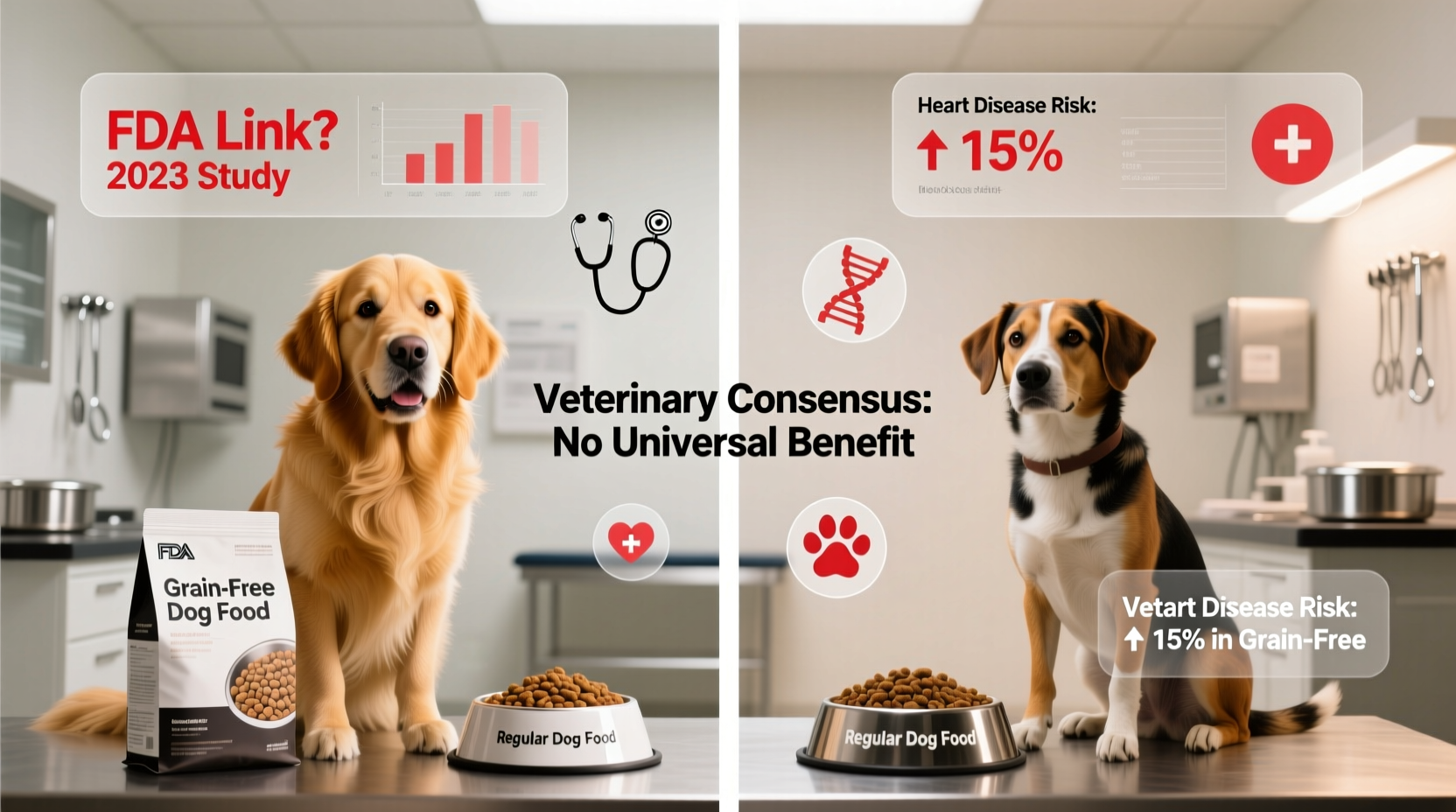
Grain-free dog food excludes common cereal grains such as wheat, corn, rice, barley, and oats. Instead, manufacturers often replace these with legumes (like peas and lentils), potatoes, or tapioca to maintain kibble structure and provide carbohydrates.
The rationale behind grain-free diets stems from the idea that dogs, as descendants of wolves, evolved to thrive on meat-based, low-carbohydrate diets. Proponents argue that grains are unnecessary fillers that may contribute to allergies, digestive issues, or inflammation. However, this theory overlooks key evolutionary developments: domesticated dogs have adapted over thousands of years to digest starches efficiently through genes like AMY2B, which produces amylase—the enzyme needed to break down carbohydrates.
It's also important to distinguish between *true food allergies* and marketing-driven assumptions. According to board-certified veterinary nutritionists, true grain allergies in dogs are extremely rare. A study published in the Journal of the American Veterinary Medical Association found that less than 1% of canine skin and gastrointestinal issues were linked to grain sensitivity. More commonly, protein sources like beef or dairy trigger allergic reactions.
Tip: If your dog has a diagnosed allergy, work with your vet to identify the specific allergen—don’t assume it’s grains without testing.The Rise of DCM: Why Vets Are Concerned
Dilated cardiomyopathy (DCM) is a disease of the heart muscle that leads to weakened contractions and poor pumping efficiency. In severe cases, it can result in congestive heart failure and sudden death. While certain breeds—such as Doberman Pinschers, Great Danes, and Boxers—are genetically predisposed to DCM, the FDA noticed a troubling pattern: otherwise low-risk breeds were developing the condition while consuming grain-free diets.
As of January 2023, the FDA had collected over 1,100 reports of DCM in dogs eating grain-free foods, many of which featured legume-rich formulations. Though causation has not been definitively proven, the correlation is strong enough to warrant caution.
One leading hypothesis involves taurine deficiency. Taurine is an amino acid essential for heart function. While dogs can synthesize taurine from other amino acids (methionine and cysteine), some grain-free diets may disrupt this process due to high levels of legumes and fiber, which could interfere with absorption or synthesis.
“While not every grain-free food causes problems, we’re seeing a clear signal that certain formulations—especially those high in peas, lentils, and potatoes—may be contributing to nutritional imbalances linked to heart disease.” — Dr. Lisa Freeman, Tufts University Clinical Nutritionist
Grain-Free vs Regular: A Side-by-Side Comparison
| Feature | Grain-Free Dog Food | Regular (Grain-Inclusive) Dog Food |
|---|---|---|
| Main Carbohydrate Sources | Peas, lentils, potatoes, tapioca | Rice, corn, wheat, barley, oats |
| Protein Content | Often higher (marketing appeal) | Varies; typically balanced |
| Fiber Profile | High in fermentable fiber (from legumes) | Moderate, often more digestible |
| Taurine Risk | Potentially lower bioavailability | Generally adequate levels |
| Allergen Potential | Low grain risk, but legumes may trigger sensitivities | Higher grain sensitivity (rare), but easier to diagnose |
| Vet Recommendation | Caution advised; not for general use | Preferred for most healthy dogs |
The table illustrates that while grain-free diets offer perceived benefits, they introduce new variables that may compromise long-term health. The substitution of grains with legumes alters the nutritional matrix in ways not yet fully understood. Meanwhile, regular dog foods—formulated with decades of research and feeding trials—tend to deliver consistent, balanced nutrition.
Real-Life Impact: A Case Study in Canine Cardiac Health
Meet Max, a 4-year-old Golden Retriever adopted by a health-conscious family in Portland, Oregon. Believing that “natural” meant better, his owners switched him to a premium grain-free brand made with lamb and peas. Over the next 18 months, Max became increasingly lethargic. During a routine check-up, his veterinarian detected a heart murmur.
An echocardiogram confirmed DCM. Blood tests revealed borderline-low taurine levels. With no genetic predisposition, the vet suspected diet. Max was transitioned to a grain-inclusive, veterinary-recommended formula rich in animal proteins and supplemented with taurine.
Nine months later, Max’s heart function improved significantly. While not fully reversed, his ejection fraction—a measure of heart strength—increased from 25% to 48%. His energy returned, and follow-up ultrasounds showed reduced chamber dilation.
Max’s story isn’t unique. Across specialty clinics nationwide, similar cases are being documented. What makes them alarming is that the dietary change seemed benign—an effort to improve health, not harm it.
How to Choose the Right Food: A Step-by-Step Guide
Selecting the right dog food shouldn’t be driven by trends or labels. Follow this evidence-based approach:
- Assess Your Dog’s Individual Needs: Age, breed, activity level, and medical history all influence dietary requirements. Puppies need more calories and nutrients for growth; seniors may require joint support.
- Avoid Marketing Traps: Terms like “holistic,” “natural,” or “grain-free” are unregulated. Focus instead on ingredient quality and nutritional balance.
- Check for AAFCO Compliance: Look for a statement confirming the food meets the Association of American Feed Control Officials’ standards for complete and balanced nutrition.
- Review Ingredient Lists Critically: Long lists with exotic components aren’t necessarily better. Prioritize named animal proteins (e.g., “chicken meal”) over vague terms like “meat meal.” Be cautious of legume-heavy formulas.
- Consult Your Veterinarian: Especially if your dog has allergies, digestive issues, or chronic conditions. A vet can recommend therapeutic diets backed by clinical research.
- Monitor Response After Switching: Track changes in energy, coat quality, stool consistency, and weight. Any decline warrants reevaluation.
Expert Insights: What Vets Wish Pet Owners Knew
Veterinary nutritionists emphasize that commercial dog foods—especially those developed by companies with in-house PhD nutritionists and feeding trial data—are rigorously tested for safety and efficacy.
“The fear of grains is largely unfounded. In fact, whole grains provide essential nutrients like linoleic acid, antioxidants, and soluble fiber. Eliminating them without cause can create deficiencies.” — Dr. Joseph Wakshlag, Cornell University College of Veterinary Medicine
Experts also warn against anthropomorphism—the tendency to project human dietary preferences onto pets. Just because a person avoids grains doesn’t mean a dog should. Dogs are omnivores with different metabolic needs.
Additionally, boutique brands capitalizing on the grain-free trend may lack the resources for proper formulation and ongoing quality control. Unlike major manufacturers, they often skip full life-stage feeding trials, relying instead on nutrient profiles calculated on paper—a practice that doesn’t guarantee real-world performance.
Frequently Asked Questions
Can grain-free food cause heart problems in dogs?
There is no definitive proof of direct causation, but the FDA and veterinary cardiologists have identified a significant association between certain grain-free diets—particularly those high in legumes—and the development of dilated cardiomyopathy. Some cases have improved after switching to grain-inclusive diets and supplementing taurine.
Are grains bad for dogs with allergies?
True grain allergies are rare. Most canine food allergies are caused by animal proteins like beef, chicken, or dairy. If your dog has skin or digestive issues, a veterinary-guided elimination diet is the best way to identify the culprit—not simply removing grains.
Should I stop feeding grain-free food altogether?
If your dog is healthy, thriving, and not on a high-legume formula, there may be no immediate danger. However, given the emerging risks, most veterinarians recommend reserving grain-free diets for dogs with confirmed grain sensitivities—and even then, under veterinary supervision. For the average dog, a balanced, grain-inclusive diet remains the safest choice.
Action Plan: Protecting Your Dog’s Health
- Review your dog’s current food label. Is it high in peas, lentils, or potatoes?
- Contact the manufacturer to ask if they conduct feeding trials and whether their recipes meet AAFCO standards through testing (not just formulation).
- Schedule a wellness exam with bloodwork, including taurine levels if your dog eats a grain-free diet.
- Switch to a reputable brand with transparent sourcing and veterinary input if concerns arise.
- Never make dietary decisions based solely on internet trends or influencer endorsements.
Conclusion: Rethinking the Grain-Free Craze
The grain-free movement began with good intentions: to feed pets more “natural” meals. But as science reveals, simplicity on a label doesn’t equal safety in practice. The potential link between grain-free diets and canine heart disease underscores a critical truth—nutrition is complex, and removing entire food groups without understanding the consequences can backfire.
Veterinarians aren’t opposed to innovation in pet food. They’re opposed to unproven claims displacing decades of nutritional science. For most dogs, a well-formulated, grain-inclusive diet provides complete, balanced nutrition without unnecessary risk.
If you're currently feeding grain-free, don’t panic—but do act. Reevaluate your dog’s food with a critical eye and consult your veterinarian. Your dog doesn’t need the latest trend. He needs a diet that supports a long, healthy life.
💬 Have questions about your dog’s diet? Talk to your vet today. Share this article to help other pet owners make informed choices.








