
For years, grain-free dog food has been marketed as a premium, healthier alternative to traditional kibble. Fueled by human dietary trends like paleo and gluten-free lifestyles, pet owners have increasingly turned to grain-free formulas in hopes of improving their dogs’ digestion, energy levels, and coat quality. But is this shift truly beneficial—or could it pose hidden risks? With rising concerns from veterinary cardiologists and regulatory agencies, the debate over grain-free versus regular kibble demands careful scrutiny. This article examines nutritional science, breed-specific needs, and real-world outcomes to help you make an informed decision for your dog.
The Rise of Grain-Free: Why It Became Popular
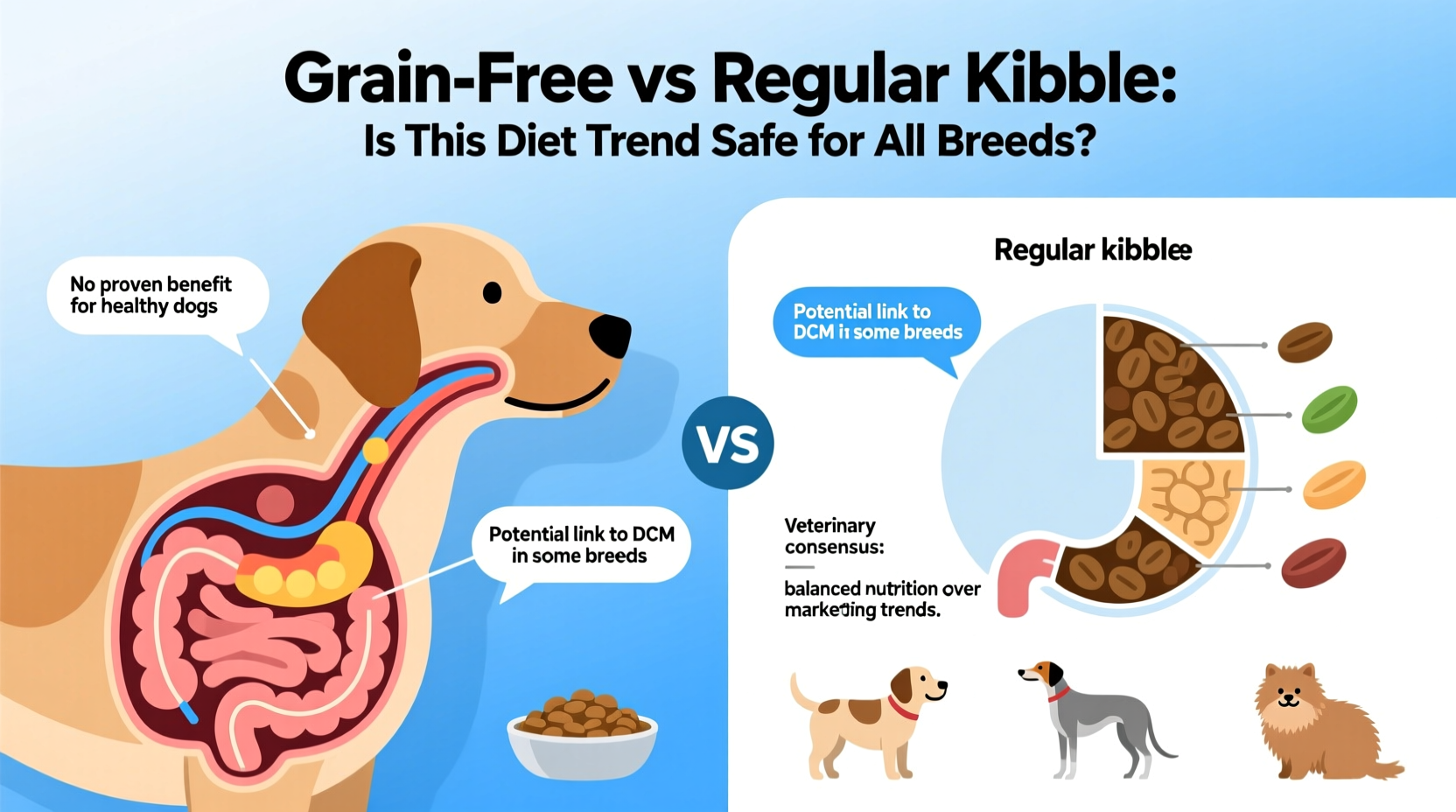
Grain-free diets gained traction in the early 2010s, largely due to marketing that positioned grains as “fillers” or potential allergens. Brands promoted formulas with novel proteins—like duck, venison, or salmon—and carbohydrate substitutes such as peas, lentils, potatoes, and chickpeas. Consumers associated these ingredients with higher quality, natural nutrition, mirroring human clean-eating movements.
At the same time, some pet owners reported improvements in their dogs’ skin conditions, stool consistency, or energy after switching to grain-free. While anecdotal, these stories helped cement the perception that grain-free equaled better health. However, scientific evidence does not universally support this claim. In fact, most dogs digest grains like rice, barley, and oats efficiently, and true grain allergies are rare—accounting for less than 1% of canine food allergies, according to veterinary dermatology studies.
Tip: Just because a food is labeled \"grain-free\" doesn’t mean it’s low-carb or more nutritious. Always check the full ingredient list.Nutritional Differences: What’s Really in the Bowl?
Understanding the composition of grain-free versus regular kibble is essential. The key distinction lies not just in the absence of grains but in what replaces them.
| Diet Type | Primary Carbohydrate Sources | Protein Sources | Potential Concerns |
|---|---|---|---|
| Regular Kibble | Rice, corn, oats, barley, wheat (in moderation) | Chicken, beef, lamb, fish, egg | Some dogs may have sensitivities; low-quality fillers possible in budget brands |
| Grain-Free Kibble | Peas, lentils, potatoes, tapioca, chickpeas | Often higher in exotic meats; may include plant-based proteins | Higher legume content linked to dilated cardiomyopathy (DCM) in some dogs |
While grain-free formulas eliminate common grains, they often substitute with legumes and pulses that are high in fermentable fibers and lectins. These can alter gut microbiota and, in some cases, contribute to gastrointestinal upset. More critically, the U.S. Food and Drug Administration (FDA) has investigated a potential link between grain-free diets and canine dilated cardiomyopathy (DCM), a serious heart condition previously considered rare in non-genetic cases.
“Over 90% of DCM cases we’re seeing in atypical breeds are tied to diet—specifically grain-free formulas rich in legumes.” — Dr. Lisa Freeman, Tufts University Veterinary Nutritionist
Breed-Specific Risks and Benefits
Not all dogs respond the same way to dietary changes. Breed genetics play a significant role in how a dog metabolizes nutrients, particularly amino acids like taurine, which are vital for heart function.
Larger breeds such as Golden Retrievers, Labrador Retrievers, and Great Danes appear disproportionately affected by diet-associated DCM. These breeds typically have higher taurine requirements, and some grain-free diets may interfere with taurine synthesis due to high levels of certain legumes. Even dogs without known genetic predispositions have developed cardiac issues after prolonged consumption of specific grain-free brands.
In contrast, some dogs with diagnosed grain sensitivities—such as those with inflammatory bowel disease or rare wheat allergies—may benefit from grain-free diets. However, these cases are exceptions rather than the rule. For most healthy dogs, especially smaller breeds like Chihuahuas or Shih Tzus, there is no proven advantage to avoiding grains.
Mini Case Study: Max the Golden Retriever
Max, a five-year-old Golden Retriever, had been eating a popular grain-free kibble since puppyhood. His owner, influenced by social media claims about “clean” feeding, believed she was providing a superior diet. Over six months, Max became lethargic, lost muscle mass, and began coughing after walks. A veterinary echocardiogram revealed early-stage DCM. Blood tests showed borderline taurine deficiency.
After switching to a balanced, grain-inclusive diet and supplementing taurine under veterinary supervision, Max’s heart function improved within four months. His energy returned, and follow-up imaging showed reduced chamber dilation. His case underscores how well-intentioned dietary choices, when not grounded in medical necessity, can lead to unintended consequences.
When Grain-Free Might Be Necessary
Despite the risks, grain-free diets have legitimate uses under veterinary guidance:
- Dogs diagnosed with confirmed grain allergies (rare but possible)
- Those with chronic digestive disorders unresponsive to conventional diets
- Specific medical conditions requiring carbohydrate restriction
In these instances, a veterinarian or board-certified veterinary nutritionist should oversee the transition. They can ensure the diet remains balanced and monitor for nutrient deficiencies. Homemade or boutique grain-free diets, often lacking proper formulation, pose even greater risks unless professionally designed.
Tip: If your dog has food-related symptoms, get a proper diagnosis before changing their diet. Skin or GI issues are more commonly caused by protein allergies than grains.Step-by-Step Guide to Evaluating Your Dog’s Diet
If you're reconsidering your dog’s current food, follow this vet-recommended process:
- Review Symptoms: Note any signs of allergies, digestive upset, low energy, or weight changes.
- Consult Your Veterinarian: Rule out underlying medical conditions through bloodwork and physical exams.
- Assess Current Food: Read the ingredient list and guaranteed analysis. Look for AAFCO compliance.
- Consider Elimination Diet: If food sensitivity is suspected, start a limited-ingredient diet under professional supervision.
- Monitor Progress: Track changes over 8–12 weeks. Avoid frequent switches, which can worsen GI issues.
- Reevaluate Long-Term: Choose a diet based on your dog’s life stage, activity level, and health—not marketing claims.
Checklist: Choosing a Safe, Balanced Dog Food
- ✅ Formulated to meet AAFCO nutrient profiles for your dog’s life stage
- ✅ Contains animal-based primary protein source (e.g., chicken, beef, fish)
- ✅ Includes a mix of carbohydrates, fats, vitamins, and minerals
- ✅ Free from excessive legumes or synthetic additives (unless medically indicated)
- ✅ Backed by nutritional research, not just branding
- ✅ Recommended or approved by your veterinarian
Frequently Asked Questions
Can grain-free dog food cause heart problems?
Yes, in some cases. The FDA has identified over 1,000 reports of DCM in dogs eating grain-free diets, particularly those high in peas, lentils, and potatoes. While not all dogs are affected, the correlation is strong enough to warrant caution, especially for large-breed dogs.
Are grains bad for dogs?
No, grains are not inherently bad. Most dogs digest grains well, and ingredients like brown rice and oats provide fiber, essential fatty acids, and sustained energy. Only a small percentage of dogs have true grain allergies—far fewer than popularly believed.
Should I switch my dog back to regular kibble?
If your dog is thriving on a grain-free diet with no health issues, sudden changes aren't necessary. However, if you're using a brand linked to DCM concerns or notice declining energy or coat quality, consult your vet about transitioning gradually to a balanced, grain-inclusive option.
Conclusion: Prioritizing Health Over Hype
The grain-free movement emerged from good intentions but has outpaced scientific validation. While beneficial for a small subset of dogs with specific medical needs, grain-free kibble is not a universal upgrade. For most breeds, regular kibble formulated to meet AAFCO standards offers complete, balanced nutrition without the potential cardiac risks associated with legume-heavy alternatives.
Nutrition should be individualized, not trend-driven. Before making any dietary change, involve your veterinarian. Look beyond labels and marketing slogans to assess what truly supports your dog’s long-term health. A shiny coat and energetic tail wag matter—but so does a strong, beating heart.
💬 Have experience with grain-free or regular kibble? Share your story in the comments to help other pet owners make informed choices.








