
Dog owners today face a dizzying array of pet food options, and few choices have stirred as much debate as grain-free diets. Marketed as more \"natural\" or \"ancestral,\" grain-free formulas surged in popularity over the past decade, often promoted as healthier alternatives to traditional kibble. But recent scientific findings and veterinary insights have cast doubt on many of these claims. So, what’s fact and what’s fiction? More importantly, what are veterinarians saying about grain-free dog food today?
The truth is more nuanced than advertising would have you believe. While some dogs genuinely benefit from grain-free diets, for most pets, grains are not only safe—they can be a valuable source of nutrients. Understanding the real risks and benefits requires cutting through marketing hype and examining the evidence.
The Rise of Grain-Free: How We Got Here
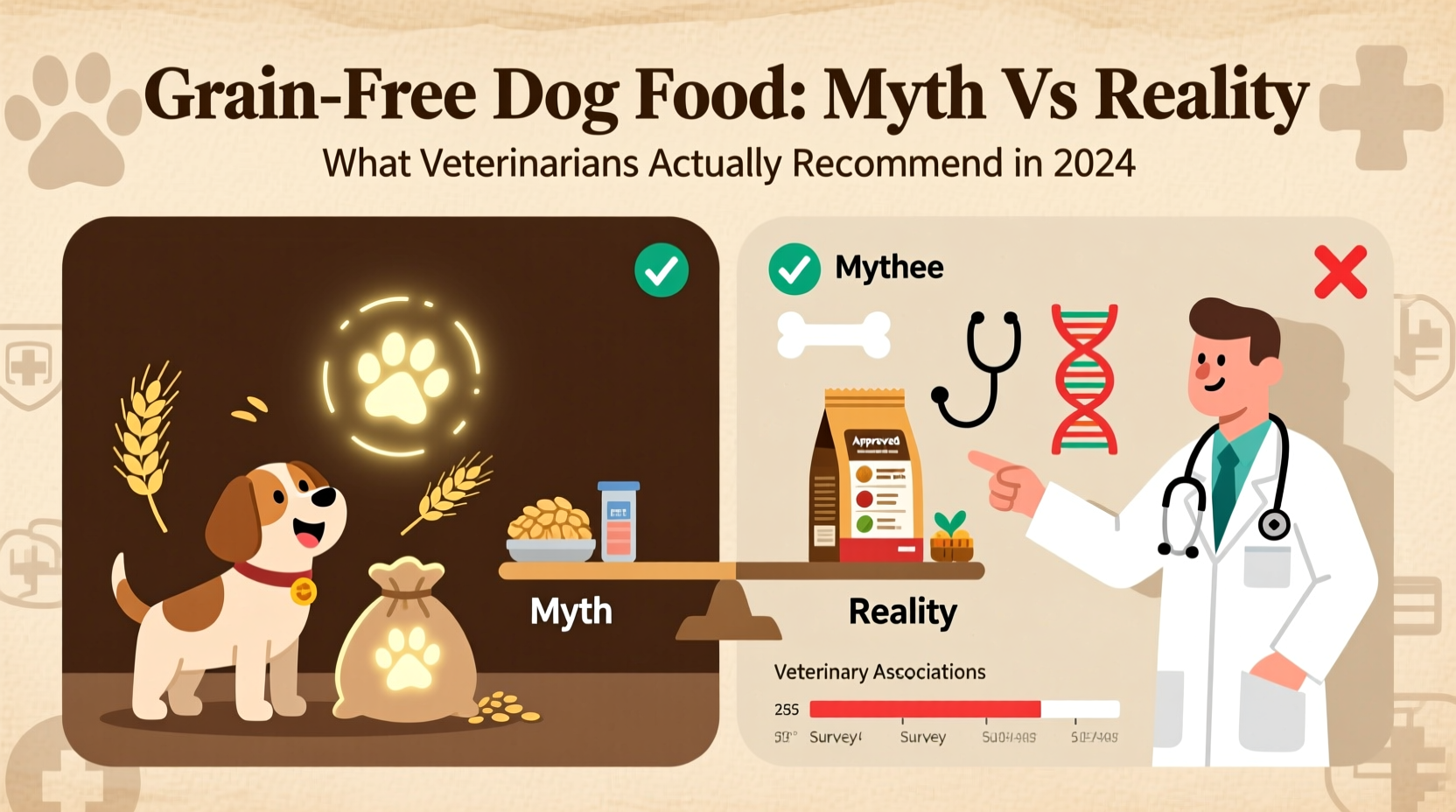
The grain-free trend emerged alongside human dietary movements like paleo and gluten-free lifestyles. Pet food companies mirrored this shift, suggesting that because dogs descended from wolves—animals that didn’t consume cultivated grains—modern dogs should avoid them too. This logic seemed intuitive, but it overlooked key evolutionary and physiological facts.
Dogs have evolved significantly since their wolf ancestors. Genetic studies show that domesticated dogs developed the ability to digest starches efficiently, thanks to increased production of amylase, the enzyme that breaks down carbohydrates. This adaptation allowed them to thrive on diets that included plant-based ingredients, including grains like rice, barley, and oats.
Despite this, grain-free products exploded in popularity. By 2020, they accounted for nearly 40% of the premium dog food market. Much of this growth was driven by consumer perception rather than clinical need. The idea that “grains are bad” became widespread, even though allergies to grains are relatively rare in dogs.
Tip: Just because a diet is labeled \"grain-free\" doesn't mean it's low in carbohydrates. Many grain-free foods use potatoes or legumes, which can be higher in carbs than actual grains.Myth vs. Reality: Common Misconceptions About Grain-Free Diets
Let’s separate common myths from the scientific reality surrounding grain-free dog food.
- Myth: Grains cause food allergies in most dogs.
Reality: True grain allergies are uncommon. Studies suggest that less than 5% of canine food allergies involve grains. More frequently, dogs react to proteins like beef, dairy, or chicken. - Myth: Grain-free means more meat and better nutrition.
Reality: Grain-free doesn’t automatically mean higher quality or more protein. Some grain-free brands replace grains with fillers like peas, lentils, or tapioca, which may lack balanced amino acid profiles. - Myth: Dogs can’t digest grains.
Reality: Dogs produce amylase in their saliva and pancreas, enabling efficient starch digestion. Whole grains provide fiber, essential fatty acids, and B vitamins. - Myth: Grain-free is best for weight control.
Reality: Weight management depends on calorie balance and overall diet quality—not just the presence or absence of grains. Some grain-free diets are calorie-dense due to high fat content from animal sources.
Veterinarian Recommendations: What the Experts Say Today
In recent years, veterinary associations and nutritionists have issued stronger guidance on grain-free diets, largely in response to emerging health concerns.
In 2018, the U.S. Food and Drug Administration (FDA) began investigating a potential link between grain-free diets and dilated cardiomyopathy (DCM), a serious heart condition. The investigation focused on diets high in legumes and potatoes—common substitutes in grain-free formulas. While the connection isn’t fully proven, numerous cases involved otherwise healthy dogs developing DCM after being fed grain-free food.
“The available evidence suggests that certain grain-free diets may be associated with nutritional imbalances that could contribute to heart disease. We’re advising pet owners to reconsider these diets unless there’s a clear medical reason.” — Dr. Lisa Freeman, Board-Certified Veterinary Nutritionist, Tufts University
As a result, many veterinarians now recommend caution. They emphasize that commercial dog foods containing grains are rigorously tested and formulated to meet AAFCO (Association of American Feed Control Officials) nutrient standards. These diets provide complete and balanced nutrition for most dogs.
Unless a dog has a confirmed allergy or medical condition requiring a specialized diet, vets generally do not recommend grain-free food. In fact, organizations like the American Veterinary Medical Association (AVMA) and the World Small Animal Veterinary Association (WSAVA) stress feeding only veterinarian-approved, scientifically backed diets.
When Grain-Free Might Be Appropriate
It’s important to note that grain-free diets aren’t inherently dangerous or inappropriate for all dogs. There are specific situations where they may be beneficial:
- Diagnosed grain allergy: Though rare, some dogs do react to wheat or other grains. A veterinary diagnosis via elimination diet is required before assuming a grain allergy.
- Specific medical conditions: Certain gastrointestinal disorders may respond better to grain-free or limited-ingredient diets under veterinary supervision.
- Therapeutic diets: Some prescription foods are grain-free due to formulation needs, but these are designed for short-term or monitored use.
Even in these cases, the focus should be on overall nutritional adequacy—not simply avoiding grains. A board-certified veterinary nutritionist can help design a safe, balanced plan if needed.
Checklist: Questions to Ask Before Choosing a Grain-Free Diet
Tip: Never switch your dog’s diet based on social media trends or anecdotal advice. Always consult your vet first.- Has my dog been diagnosed with a grain allergy or sensitivity?
- Are there any signs of skin irritation, chronic ear infections, or digestive issues that might indicate a food reaction?
- Has my veterinarian reviewed this diet and approved it for my dog’s life stage and health status?
- Is the food AAFCO-compliant and produced by a company with veterinary nutritionists on staff?
- Does the brand conduct feeding trials or publish research on their formulations?
- Have I ruled out other causes (like environmental allergies or parasites) before blaming food?
Understanding the DCM Connection: What Owners Need to Know
The FDA’s investigation into diet-associated DCM remains one of the most significant developments in pet nutrition in recent years. As of 2023, over 1,000 reports of DCM in dogs eating grain-free diets have been collected. Many of these dogs improved after switching to a grain-inclusive diet and receiving supplements like taurine.
Taurine, an amino acid crucial for heart function, is typically synthesized by dogs from sulfur-containing amino acids found in meat. However, some grain-free diets—particularly those high in legumes—may interfere with taurine metabolism or contain lower levels of precursor amino acids. The exact mechanism is still under study, but the pattern is concerning enough to warrant caution.
Notably, breeds traditionally considered low-risk for genetic DCM—such as golden retrievers, Labrador retrievers, and miniature schnauzers—have appeared in the FDA reports. This suggests that diet may be playing a role independent of genetics.
| Factor | Traditional Diets (with grains) | Grain-Free Diets (legume-rich) |
|---|---|---|
| Primary Carbohydrate Source | Rice, barley, oats | Peas, lentils, potatoes, chickpeas |
| Taurine Levels | Typically adequate | May be suboptimal in some formulas |
| AAFCO Compliance | Commonly meets standards | Varies; some lack feeding trials |
| Reported DCM Cases | Very low | Significantly higher in FDA data |
| Vet Recommendation | Generally recommended | Caution advised; not for routine use |
Real-Life Example: Max the Golden Retriever
Max, a 4-year-old golden retriever, had been eating a popular grain-free kibble since puppyhood. His owner, influenced by online forums, believed grains were “fillers” and wanted to feed a “cleaner” diet. Over several months, Max became increasingly lethargic and started coughing after walks.
At the vet, an echocardiogram revealed early-stage dilated cardiomyopathy. Blood tests showed low taurine levels. Shocked, the owner learned that Max had no known genetic predisposition to DCM. The vet strongly suspected diet as the culprit.
Max was transitioned to a grain-inclusive, veterinary-recommended formula and given taurine supplements. Within six months, his heart function improved significantly, and his energy returned. His case highlights how well-intentioned choices, based on misinformation, can have serious consequences.
What Should You Feed Your Dog?
The best diet for your dog depends on individual factors: age, breed, activity level, and health status. But general principles apply:
- Choose foods that meet AAFCO nutrient profiles for your dog’s life stage.
- Look for brands that employ veterinary nutritionists and conduct feeding trials.
- Avoid boutique, exotic, or grain-free brands unless specifically advised by a vet.
- Be skeptical of marketing terms like “holistic,” “natural,” or “ancestral”—these are not regulated.
- Consult your veterinarian before making major dietary changes.
Remember, the goal is long-term health—not chasing trends. A diet rich in high-quality proteins, balanced fats, and appropriate carbohydrates—including grains—can support a vibrant, energetic life.
Frequently Asked Questions
Is grain-free dog food bad for all dogs?
No, not inherently. But for the vast majority of dogs, there’s no benefit to avoiding grains, and there may be risks—especially with legume-heavy formulas linked to heart disease. Grain-free should only be used when medically necessary and under veterinary guidance.
Can grains make my dog itchy or give them diarrhea?
Possible, but unlikely to be the primary cause. Itching and GI upset are more commonly caused by protein allergies, parasites, infections, or environmental factors. If you suspect a food issue, work with your vet on a proper elimination diet rather than self-diagnosing a grain allergy.
Are whole grains healthy for dogs?
Yes. Whole grains like brown rice, oats, and barley provide fiber, antioxidants, and essential nutrients. They are easily digestible and contribute to sustained energy release. Far from being “fillers,” they play a functional role in balanced dog food.
Conclusion: Making Informed Choices for Your Dog’s Health
The grain-free movement was built on appealing ideas but shaky science. Today, veterinary experts agree: for most dogs, grain-inclusive diets are safer, more balanced, and better supported by nutritional research. The association between certain grain-free diets and heart disease has prompted a necessary reevaluation of what we feed our pets.
This doesn’t mean every grain-free food is dangerous, nor does it negate the importance of high-quality ingredients. But it does mean that decisions about your dog’s diet should be guided by veterinary expertise—not marketing slogans or internet rumors.
🚀 Take action today: Review your dog’s current food with your veterinarian. Ask whether it meets AAFCO standards and if the manufacturer has a veterinary nutrition team. Your dog’s long-term health depends on choices made with care, not convenience.








