In recent years, grain-free dog food has surged in popularity, often marketed as a premium, natural alternative to traditional kibble. Many pet owners believe that removing grains leads to better digestion, shinier coats, and improved overall health. However, mounting evidence from veterinary cardiologists and the FDA suggests a troubling connection between grain-free diets and an increased risk of canine dilated cardiomyopathy (DCM), a serious heart condition. Understanding this complex relationship is crucial for making informed decisions about your dog’s nutrition.
The Rise of Grain-Free Diets and Misconceptions
Grain-free pet foods emerged in response to human dietary trends—specifically, the paleo and gluten-free movements. Manufacturers began replacing corn, wheat, and soy with legumes like peas, lentils, and chickpeas, or with potatoes and sweet potatoes. These ingredients are used as primary carbohydrate sources and binders in dry kibble. Marketing often implies that dogs are “evolutionarily” meant to avoid grains, but this claim lacks scientific support.
Dogs are omnivores, not strict carnivores. They possess the digestive enzymes necessary to break down carbohydrates efficiently. In fact, domestication has led to genetic adaptations that allow dogs to thrive on diets containing grains. The idea that grains are inherently harmful or allergenic is largely overstated. According to board-certified veterinary nutritionists, true grain allergies in dogs are rare—far less common than protein allergies such as those to beef or chicken.
Tip: Just because a food is labeled \"grain-free\" doesn't mean it's healthier. Always examine the full ingredient list and nutritional profile.Link Between Grain-Free Food and Canine Dilated Cardiomyopathy (DCM)
Dilated cardiomyopathy (DCM) is a disease of the heart muscle that causes the chambers to enlarge and weaken, reducing the heart’s ability to pump blood effectively. While DCM has long been recognized in certain breeds—such as Doberman Pinschers, Great Danes, and Boxers—veterinarians have observed a growing number of cases in breeds not genetically predisposed to the condition. This shift coincides with the rise in grain-free diet consumption.
In 2018, the U.S. Food and Drug Administration (FDA) launched an investigation into reports of DCM in dogs eating certain grain-free foods. As of 2023, over 1,100 cases have been reported, many involving diets high in legumes and potatoes. The FDA does not claim a definitive cause-and-effect relationship but notes a strong statistical association between these ingredients and non-hereditary DCM.
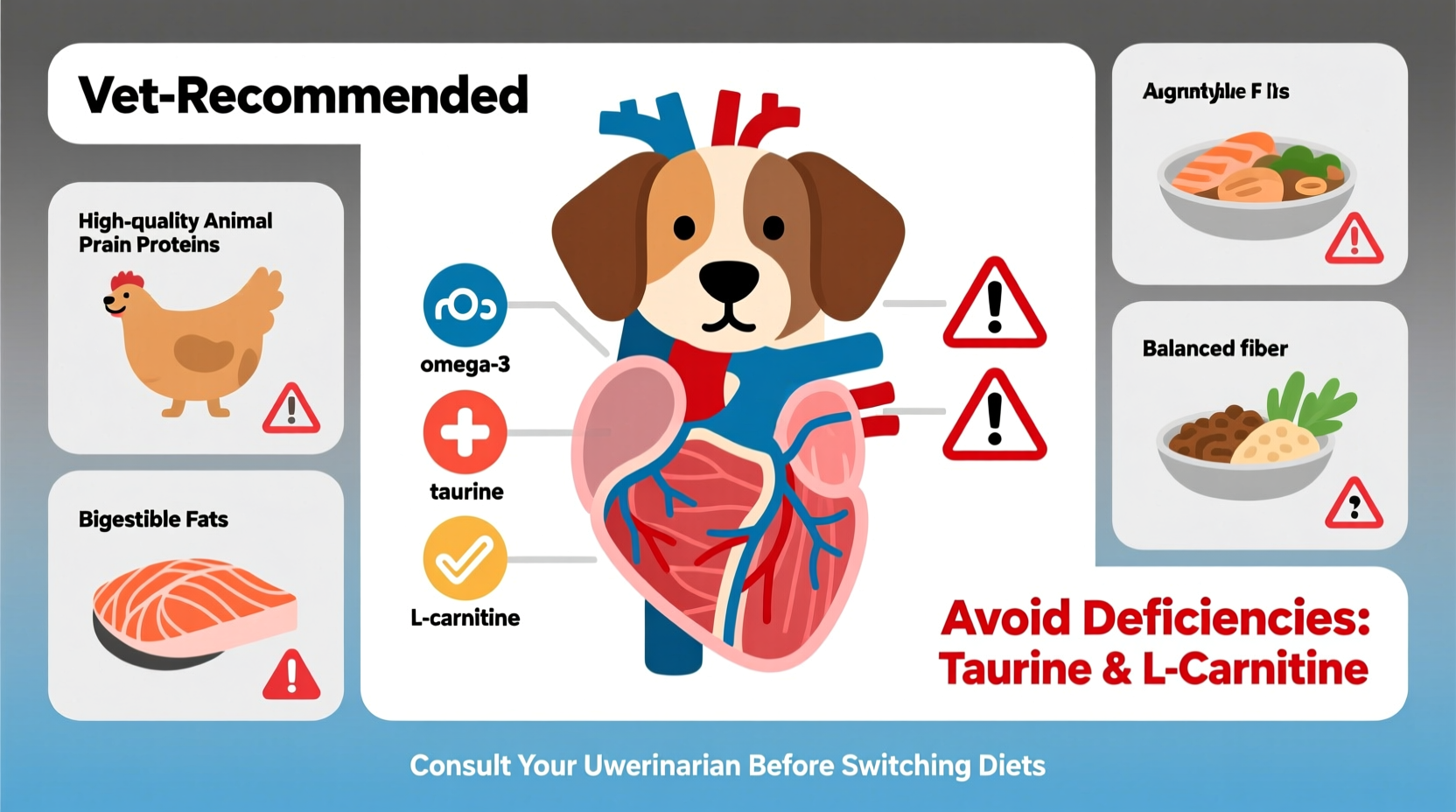
The leading theory centers on taurine deficiency. Taurine is an amino acid essential for heart function. While dogs can synthesize taurine from other amino acids (methionine and cysteine), some grain-free formulations may lack sufficient levels of these precursors or contain compounds that interfere with taurine absorption. Legumes and potatoes are low in methionine and cysteine, and their high fiber content might reduce bioavailability of key nutrients.
“While not every dog on a grain-free diet will develop heart issues, we’re seeing a clear pattern in otherwise healthy dogs developing DCM linked to diet. Owners need to be aware.” — Dr. Lisa Freeman, DVM, PhD, Tufts University Veterinary Nutritionist
Veterinary Recommendations and Safe Dietary Practices
Given the potential risks, veterinarians and veterinary nutrition specialists now advise caution when selecting grain-free diets. The American College of Veterinary Internal Medicine (ACVIM) and the World Small Animal Veterinary Association (WSAVA) both emphasize that diet-induced DCM may be reversible if caught early and the diet is changed.
Vets recommend the following practices:
- Consult a veterinarian or board-certified veterinary nutritionist before switching to a grain-free or boutique diet.
- Avoid diets where legumes (peas, lentils, chickpeas) or potatoes appear in the first five ingredients.
- Choose brands that conduct feeding trials according to AAFCO (Association of American Feed Control Officials) standards.
- Monitor your dog for signs of heart disease, including lethargy, coughing, difficulty breathing, and exercise intolerance.
- If your dog is on a grain-free diet, consider having their taurine levels tested, especially if they belong to a breed not traditionally prone to DCM.
Do’s and Don’ts of Choosing Dog Food
| Do’s | Don’ts |
|---|---|
| Do choose foods formulated by veterinary nutritionists. | Don’t assume “natural” or “holistic” means safer or healthier. |
| Do look for AAFCO feeding trial statements on the label. | Don’t rely solely on marketing terms like “grain-free” or “premium.” |
| Do consult your vet if your dog has a medical condition or special dietary needs. | Don’t feed boutique brands without reviewing their research and safety record. |
| Do monitor your dog’s energy, coat, and stool quality after a diet change. | Don’t make abrupt diet switches; transition over 7–10 days. |
Real-Life Case: Max, the Golden Retriever
Max, a 5-year-old male Golden Retriever, was brought to a cardiology clinic after his owner noticed he was tiring easily during walks and had started coughing at night. An echocardiogram revealed severe left ventricular dilation—classic signs of DCM. What made the case unusual was that Golden Retrievers are not typically genetically prone to the disease.
Upon reviewing Max’s diet history, veterinarians discovered he had been fed a popular grain-free brand for three years. The formula listed peas and potatoes as the first two ingredients and contained no animal-based taurine supplementation. Blood tests confirmed low plasma taurine levels.
Max was immediately switched to a balanced commercial diet containing grains and supplemented with taurine. Within six months, follow-up imaging showed significant improvement in heart function. His energy returned, and the cough resolved. His case highlights how diet can mimic genetic disease—and how timely intervention can reverse damage.
Actionable Checklist for Pet Owners
To protect your dog’s heart health while navigating the complex world of pet food, follow this checklist:
- Review your dog’s current food label: Are legumes or potatoes among the top ingredients?
- Contact the manufacturer: Ask if they employ veterinary nutritionists and whether their diets meet AAFCO nutrient profiles via feeding trials.
- Schedule a wellness exam: Discuss your dog’s diet with your vet and consider baseline taurine testing if feeding grain-free.
- Watch for symptoms: Lethargy, rapid breathing, fainting, or abdominal swelling could signal heart trouble.
- Transition safely: If changing diets, do so gradually over 7–10 days to avoid gastrointestinal upset.
- Stick to science-backed brands: Look for companies transparent about formulation, testing, and recalls.
Frequently Asked Questions
Can grain-free dog food directly cause heart disease?
There is no conclusive proof that grain-free food *directly* causes heart disease, but strong evidence links certain grain-free diets—especially those high in legumes and potatoes—to an increased risk of diet-associated DCM. The absence of grains isn’t the issue; rather, it’s the substitution with ingredients that may disrupt taurine metabolism and cardiac function.
Should I stop feeding grain-free food altogether?
Not necessarily—but proceed with caution. If your dog has no diagnosed grain allergy (which is rare), there’s likely no benefit to avoiding grains. If you continue with a grain-free diet, choose one that includes animal-based proteins as the primary ingredients, avoids excessive legumes, and has undergone AAFCO feeding trials. Regular veterinary checkups are essential.
Are all grain-free brands dangerous?
No, not all grain-free foods pose a risk. The concern lies primarily with “boutique” brands that use unconventional formulations without rigorous testing. Large, established pet food companies with veterinary nutrition teams are more likely to produce safe, balanced diets—even if grain-free. Always research the brand’s background and scientific support.
Step-by-Step Guide to Evaluating Your Dog’s Diet
If you're uncertain about your dog’s current food, follow this step-by-step process to assess its safety and suitability:
- Gather Information: Note the brand, product name, and lot number of your dog’s food.
- Analyze Ingredients: Check if legumes, potatoes, or exotic proteins dominate the ingredient list.
- Research the Brand: Visit the company’s website. Do they list a board-certified veterinary nutritionist on staff? Do they conduct feeding trials?
- Consult Your Veterinarian: Bring the food details to your next appointment. Request a physical exam and discuss blood work, including taurine levels if indicated.
- Consider a Change: If red flags exist, begin transitioning to a diet with traditional ingredients and proven nutritional adequacy.
- Monitor Progress: Track changes in energy, weight, coat condition, and behavior over the next few weeks.
- Follow Up: Schedule a recheck with your vet in 3–6 months, especially if heart concerns were identified.
Conclusion: Prioritizing Heart Health Through Informed Choices
The bond between diet and heart health in dogs is more significant than previously understood. While grain-free diets may benefit a small subset of dogs with verified grain sensitivities, for most pets, they offer no advantage and may carry hidden risks. The emergence of diet-associated DCM serves as a powerful reminder that pet food marketing should never outweigh scientific evidence.
Veterinarians urge pet owners to look beyond labels and focus on nutritional integrity, manufacturer transparency, and clinical outcomes. By choosing diets developed with veterinary input, avoiding extreme ingredient substitutions, and staying vigilant for warning signs, you can help safeguard your dog’s heart for years to come.
💬 Your dog’s health matters—share this information with fellow pet owners, and talk to your vet about your dog’s diet today. Small changes now can prevent serious problems later.








