Cat owners are increasingly turning to grain-free diets in pursuit of what they believe is a more natural, biologically appropriate meal for their pets. Marketed as cleaner, leaner, and closer to a wild cat’s ancestral diet, grain-free cat foods have surged in popularity over the past decade. But amid rising concerns from veterinary cardiologists and regulatory agencies, a critical question emerges: Is grain-free cat food actually better—or could it be contributing to serious heart conditions in cats?
This article examines the science behind grain-free feline nutrition, unpacks the connection between certain diets and dilated cardiomyopathy (DCM), evaluates the role of ingredients like legumes and potatoes, and offers practical guidance for choosing safe, balanced cat food.
The Rise of Grain-Free Cat Food
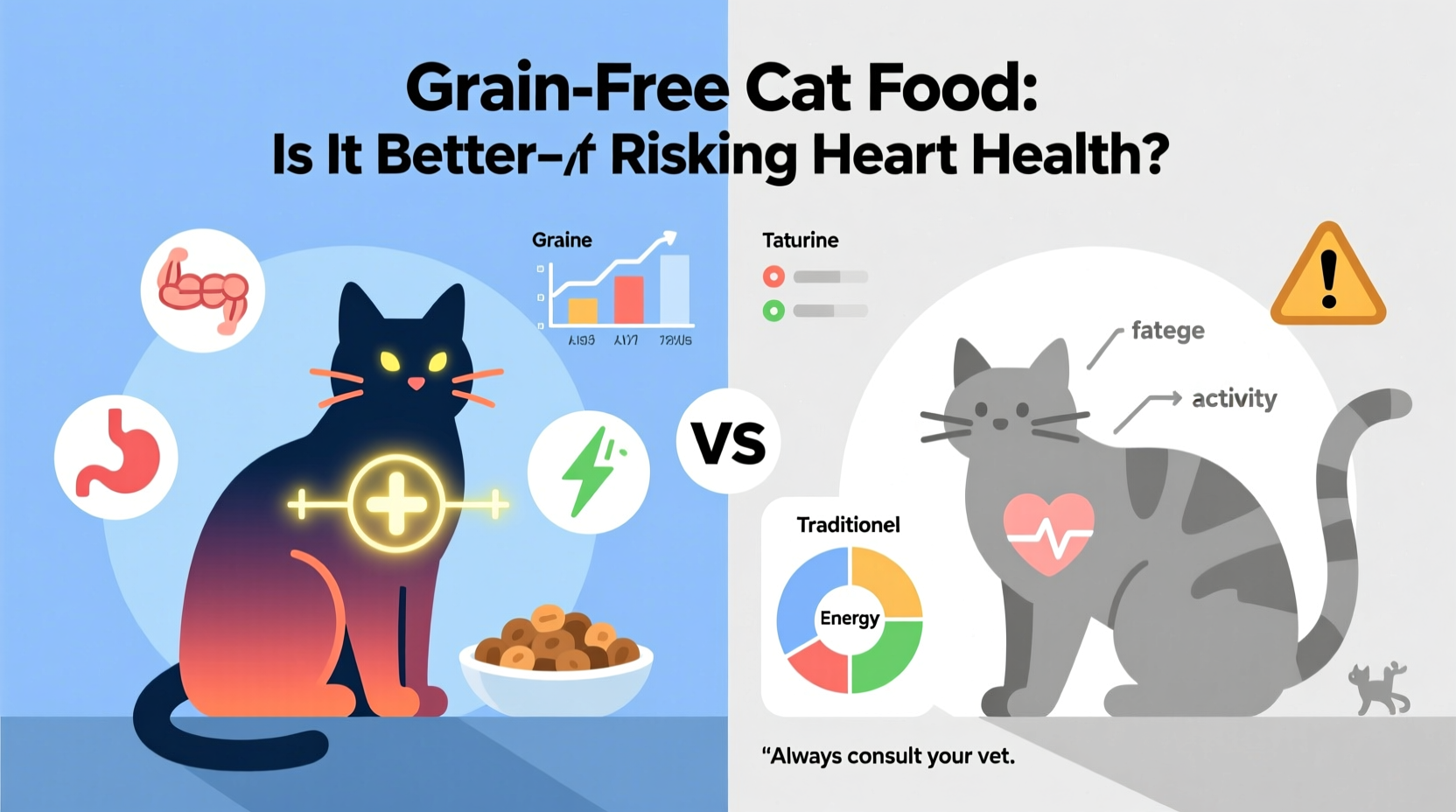
Grain-free cat food gained traction alongside human dietary trends that vilified gluten and carbohydrates. Pet food manufacturers responded by replacing grains such as corn, wheat, and rice with alternative carbohydrate sources—primarily legumes (like peas and lentils) and potatoes. These substitutions were marketed as healthier, hypoallergenic, and more species-appropriate for obligate carnivores like cats.
However, cats don’t digest nutrients the same way humans do. While they require high levels of animal-based protein and specific amino acids like taurine, moderate amounts of digestible carbohydrates are not inherently harmful. In fact, some grains provide essential nutrients, fiber, and energy without triggering allergies in most cats.
The assumption that “grain-free” equals “better” overlooks the complexity of feline metabolism and the importance of overall diet formulation—not just ingredient labels.
Link Between Grain-Free Diets and Heart Disease
In 2018, the U.S. Food and Drug Administration (FDA) launched an investigation into a potential link between certain diets and canine dilated cardiomyopathy (DCM)—a life-threatening heart condition once considered rare in dogs without genetic predisposition. While the focus was initially on dogs, particularly large breeds, veterinarians began observing similar cases in cats fed grain-free or boutique diets.
Though less common than in dogs, DCM in cats can lead to heart failure, arrhythmias, and sudden death. What alarmed experts was that many affected cats had no known genetic risk factors. Instead, their diets shared key characteristics: they were grain-free, contained high levels of legumes and potatoes, and often labeled as “exotic” or “natural.”
The central hypothesis is that these formulations may interfere with taurine metabolism—a critical amino acid for heart function. Taurine deficiency has long been recognized as a cause of feline DCM. Even when taurine is supplemented in the food, some plant-based ingredients may reduce its bioavailability or increase its breakdown.
“While we’re still gathering data, there’s growing concern that certain grain-free formulas may disrupt nutrient absorption in ways we didn’t anticipate. Taurine status should be monitored in cats on unconventional diets.” — Dr. Lisa Freeman, Veterinary Nutritionist, Tufts University
What the Research Shows So Far
A 2021 study published in the *Journal of the American Veterinary Medical Association* analyzed 16 cats diagnosed with diet-associated DCM. Of those, 13 were eating grain-free diets high in legumes. After switching to a balanced commercial diet and supplementing taurine, eight cats showed significant improvement in heart function within six months.
These findings suggest that at least some cases of DCM in cats may be diet-responsive rather than irreversible. However, early detection is crucial—once structural damage occurs, recovery may be limited.
Are Grains the Problem—or the Scapegoat?
It’s important to clarify: grains themselves are rarely the issue. True grain allergies in cats are extremely uncommon. More often, adverse reactions stem from specific animal proteins like beef or dairy, not corn or barley.
Instead of removing grains, the real concern lies in what replaces them. Many grain-free diets substitute grains with high levels of legumes and pulses, which are rich in lectins and phytates—compounds that can bind minerals and affect protein digestion. Additionally, these ingredients shift the protein-to-carbohydrate ratio in ways that may not align with a cat’s metabolic needs.
Furthermore, some boutique brands use exotic proteins (e.g., kangaroo, duck, venison) combined with plant-heavy bases, creating nutritionally imbalanced profiles despite premium pricing.
Tip: Don’t judge a cat food by its label alone. “Grain-free” doesn’t mean “complete and balanced.” Always check if the food meets AAFCO (Association of American Feed Control Officials) standards for feline nutrition.Comparing Grain-Inclusive vs. Grain-Free Cat Foods
| Feature | Grain-Inclusive Cat Food | Grain-Free Cat Food |
|---|---|---|
| Primary Carbohydrate Source | Rice, corn, barley, oats | Peas, lentils, potatoes, chickpeas |
| Protein Source | Typically animal-first, well-balanced | Often plant-heavy; variable animal protein quality |
| Taurine Bioavailability | Generally high; stable processing methods | Potentially reduced due to legume interference |
| Allergy Risk | Low for grains; higher for animal proteins | May mask true allergens; new sensitivities possible |
| AAFCO Compliance | Commonly meets standards | Varies widely—some lack full nutritional validation |
| Veterinary Recommendation | Widely recommended for healthy cats | Recommended only for confirmed grain intolerance |
When Might Grain-Free Be Appropriate?
Despite the risks, grain-free diets aren’t universally harmful. For cats with confirmed digestive sensitivities or rare grain allergies, eliminating specific ingredients may improve gastrointestinal health. However, such cases are exceptional, not the norm.
Veterinarians emphasize that therapeutic diets should be chosen based on medical diagnosis—not marketing claims. If a cat suffers from chronic vomiting, diarrhea, or skin issues, a proper elimination diet under veterinary supervision is far more effective than blindly switching to grain-free.
Moreover, prescription veterinary diets exist for managing food sensitivities without compromising cardiac health. These are formulated with hydrolyzed proteins or novel sources and undergo rigorous testing—unlike many over-the-counter grain-free options.
Mini Case Study: Bella the Domestic Shorthair
Bella, a 4-year-old female domestic shorthair, was brought to her veterinarian after collapsing during play. An echocardiogram revealed severe dilated cardiomyopathy with markedly reduced contractility. Blood tests showed borderline-low taurine levels.
Her diet? A popular grain-free brand featuring turkey and peas as primary ingredients. Though taurine was listed on the label, the high pea content likely impaired absorption. Bella’s owner believed she was feeding a “premium” diet due to the clean label and absence of grains.
Under veterinary guidance, Bella was transitioned to a reputable grain-inclusive food with verified taurine adequacy and began taurine supplementation. Over five months, her heart function improved significantly, and she regained normal activity levels. Her case underscores how diet choices—even well-intentioned ones—can have profound health consequences.
Action Plan: Choosing a Safe, Balanced Diet for Your Cat
Selecting the right food requires more than reading front-of-package claims. Use this step-by-step guide to make informed decisions:
- Consult Your Veterinarian – Before changing your cat’s diet, discuss their health history, age, weight, and activity level.
- Look for AAFCO Statement – Ensure the food is formulated to meet AAFCO nutrient profiles for cats at a specific life stage (kitten, adult, senior).
- Evaluate Ingredient Quality – Prioritize named animal proteins (e.g., “chicken,” not “meat meal”) and avoid excessive legumes in the first five ingredients.
- Avoid Trendy Buzzwords – Terms like “holistic,” “natural,” or “grain-free” are unregulated and often misleading.
- Monitor Health Changes – Track appetite, coat quality, energy levels, and litter box habits. Report any decline promptly.
- Reassess Annually – Nutritional needs change with age. Schedule annual bloodwork, including taurine levels if feeding non-traditional diets.
Nutrition Checklist for Cat Owners
- ✅ Confirmed AAFCO compliance on packaging
- ✅ Primary ingredient is a named animal protein (e.g., salmon, chicken)
- ✅ No more than two legumes or potatoes in the first six ingredients
- ✅ Contains adequate taurine (minimum 0.1% on dry matter basis)
- ✅ Recommended or approved by your veterinarian
- ✅ No sudden transitions—gradually introduce new food over 7–10 days
Frequently Asked Questions
Can grain-free cat food cause heart problems?
Emerging evidence suggests that some grain-free diets—particularly those high in legumes and potatoes—may contribute to dilated cardiomyopathy (DCM) in cats by interfering with taurine metabolism. While not all grain-free foods are dangerous, the risk increases when formulations rely heavily on plant-based binders and fillers instead of animal protein.
Do cats need grains in their diet?
Cats don’t require grains per se, but they do benefit from digestible carbohydrates and certain nutrients found in whole grains, such as linoleic acid, fiber, and B vitamins. Grains are not harmful unless a cat has a rare allergy. The key is balance—high-quality animal protein should dominate, but moderate grain inclusion is safe and nutritionally sound.
How can I tell if my cat’s food is affecting their heart?
Early signs of heart issues include lethargy, difficulty breathing, rapid breathing at rest, reluctance to move, and fainting. If your cat eats a grain-free or boutique diet, ask your vet to test their blood taurine levels. Regular wellness exams with auscultation (listening to the heart) can catch problems before symptoms appear.
Conclusion: Making Informed Choices for Feline Health
The allure of grain-free cat food is understandable—clean labels, simple ingredients, and alignment with human wellness trends make them appealing. But for cats, nutritional adequacy trumps marketing appeal. Removing grains does not automatically improve health, and in some cases, it may introduce unseen risks, particularly related to heart function.
Science continues to evolve, but current evidence points to formulation quality—not the presence of grains—as the determining factor in feline diet safety. Reputable brands invest in research, conduct feeding trials, and adhere to strict nutritional standards. These are the products most likely to support long-term health.
🚀 Take action today: Review your cat’s current food using the checklist above. Share this article with fellow pet owners to spread awareness. And most importantly, partner with your veterinarian—not a pet store clerk or influencer—when making dietary decisions.








