When your dog slips out the front gate or bolts during a walk in the woods, every second counts. The peace of mind that comes from knowing exactly where your pet is can be priceless. Today, two main options dominate the conversation: dedicated GPS dog trackers and Apple’s AirTag. While both promise to help locate lost pets, their underlying technologies, costs, and performance differ significantly—especially when it comes to real-time tracking and ongoing subscription fees. The central question many pet owners face is whether paying a monthly fee for a GPS tracker delivers enough value over a one-time purchase like the AirTag to justify the cost.
The answer isn’t straightforward. It depends on how you use the device, your expectations for location updates, and the environments your dog typically explores. Let’s break down the differences, strengths, and limitations of each option to determine if the subscription model truly pays off in critical moments.
How GPS Dog Trackers Work
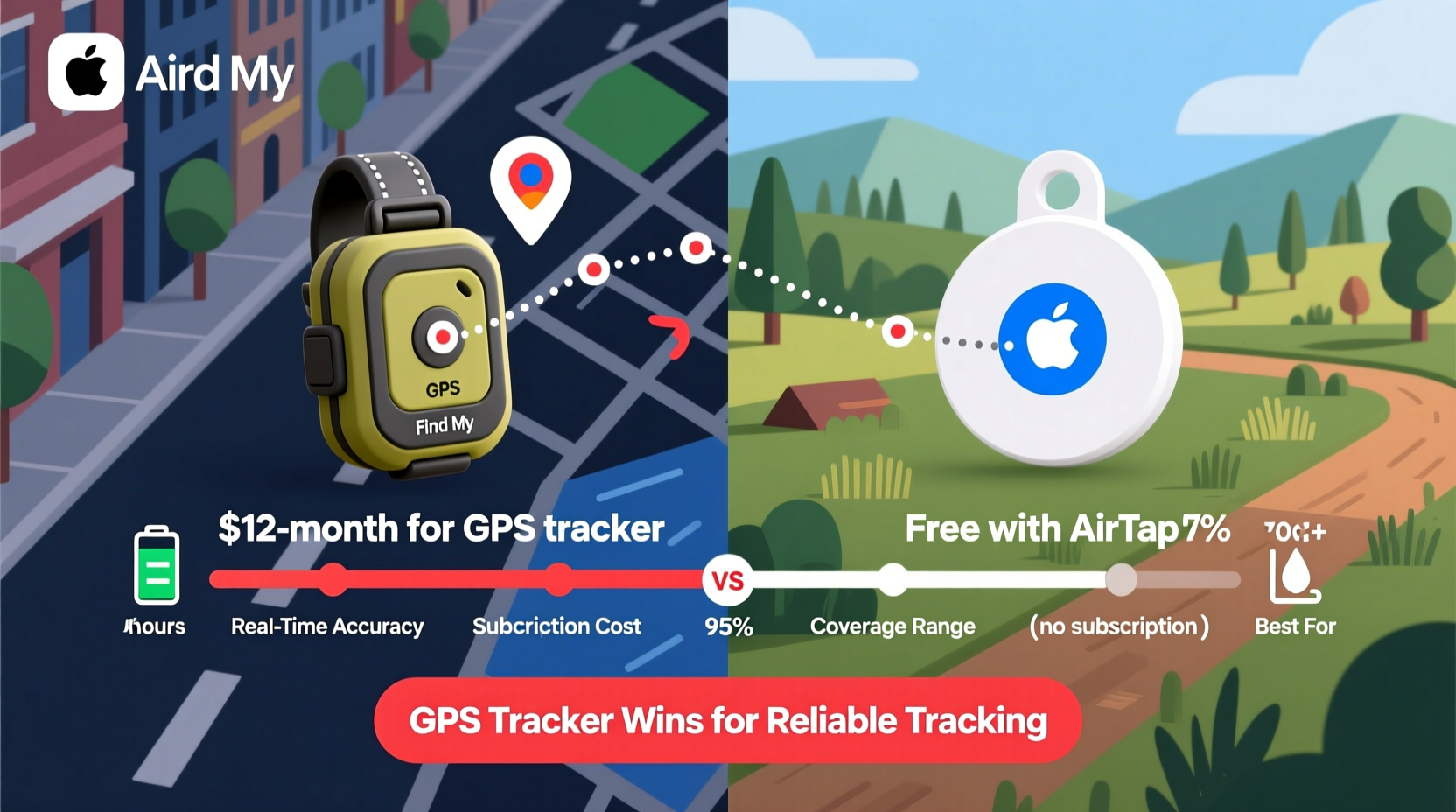
Dedicated GPS dog trackers rely on Global Positioning System (GPS) satellites to pinpoint your pet’s exact location. These devices connect to cellular networks (like 4G LTE) to transmit data directly to your smartphone via an app. Most operate on a subscription model, charging anywhere from $5 to $15 per month depending on update frequency, coverage area, and additional features like geofencing or health monitoring.
Key advantages include:
- Real-time tracking: Updates as frequently as every 2–5 seconds with premium plans.
- Global coverage: Works wherever there’s cellular signal, including rural trails and remote areas.
- Active alerts: Receive notifications when your dog leaves a designated safe zone (geofence).
- Speed and direction data: Some models show movement trends, helping predict where your pet might go next.
Brands like Whistle, Tractive, and Fi offer robust platforms designed specifically for pets, integrating not only location but also activity monitoring and veterinary insights. However, this functionality comes at a recurring cost.
Tip: For dogs that roam frequently or live near busy roads, opt for a GPS tracker with sub-10-second update intervals and low-battery alerts.The AirTag Approach: Precision Finding Without Real-Time Tracking
Apple’s AirTag uses Bluetooth and the vast Find My network—a crowd-sourced system of hundreds of millions of Apple devices—to help locate lost items. When your dog goes missing with an AirTag attached to their collar, any nearby iPhone can detect the Bluetooth signal and anonymously relay the location back to you through iCloud.
However, there are crucial limitations:
- No continuous tracking: AirTags do not provide real-time movement data. They only report location when scanned by a passing Apple device.
- Passive detection: In rural or sparsely populated areas, updates may take hours—or never come at all.
- No built-in geofencing or alerts: You must manually check the Find My app to see if the tag has been located.
- Designed for objects, not pets: Apple explicitly states AirTags are not intended for tracking animals or people.
Despite these drawbacks, AirTags have gained popularity among pet owners due to their low upfront cost ($29), long battery life (up to one year), and seamless integration with iPhones. But convenience doesn’t always equal effectiveness when speed is essential.
“While AirTags can help recover stationary lost items, they fall short in dynamic scenarios involving moving pets. Real-time GPS remains the gold standard for active pet recovery.” — Dr. Laura Simmons, DVM and Pet Tech Consultant
Comparing Accuracy and Reliability: A Side-by-Side Analysis
To understand which solution performs better under pressure, consider the following comparison table based on real-world usage patterns:
| Feature | GPS Dog Tracker | AirTag |
|---|---|---|
| Tracking Type | Real-time GPS + Cellular | Bluetooth + Crowd Network |
| Update Frequency | Every 2–60 seconds (configurable) | Only when near Apple device |
| Subscription Required? | Yes ($5–$15/month) | No |
| Battery Life | 3–7 days (varies by model) | ~1 year (replaceable) |
| Geofencing & Alerts | Yes | No native support |
| Works Offline? | Limited (stores last known location) | Only if someone finds it |
| Best Use Case | Active dogs, hikers, frequent escape artists | Calm pets, urban environments, backup ID |
This table reveals a clear trade-off: GPS trackers offer superior performance and responsiveness at the cost of ongoing fees, while AirTags provide a budget-friendly, low-maintenance option with significant functional gaps in urgent situations.
Real-World Scenario: Lost in the Woods
Consider this realistic example: Max, a 2-year-old Australian Shepherd, darts into the forest during a weekend hike. His owner, Sarah, notices he’s gone within minutes.
- If Max wears a GPS tracker, Sarah opens her app and sees his location updating every five seconds. She follows the trail in real time, coordinates with a friend using shared tracking, and retrieves Max 400 yards into the woods before he crosses a highway.
- If Max wears only an AirTag, Sarah checks the Find My app immediately—but no location appears because no nearby Apple user has passed close enough to detect the Bluetooth signal. Two hours later, a hiker walks by with an iPhone and triggers a notification. By then, Max has moved further away, making recovery harder and riskier.
In high-stakes scenarios like this, the difference between immediate action and delayed information can mean the difference between a quick reunion and a prolonged search—or worse.
Tip: Combine solutions: Use a GPS tracker as your primary tool and attach an AirTag as a secondary identifier in case the tracker fails or runs out of battery.Is the Subscription Fee Worth It?
The monthly cost of a GPS dog tracker often raises skepticism. At $10 per month, that’s $120 annually—more than ten times the price of an AirTag. So, what exactly are you paying for?
You’re investing in:
- Immediate visibility: Knowing your dog’s exact location within seconds, not hours.
- Proactive protection: Geofence alerts notify you the moment your pet leaves home or yard.
- Data continuity: Historical route playback helps identify escape patterns or favorite hiding spots.
- Network independence: Unlike AirTags, GPS trackers don’t rely on third-party devices to function.
- Dedicated support: Many providers offer customer assistance and even work with local shelters during searches.
For indoor cats or dogs that rarely leave the yard, an AirTag might suffice. But for adventurous breeds, working dogs, or pets with a history of bolting, the subscription delivers tangible benefits that reduce anxiety and increase recovery odds.
Cost-Benefit Breakdown Over Three Years
- AirTag: $29 (one-time) + potential vet bills/search costs if lost = unpredictable total.
- GPS Tracker: $60 (device) + $360 (3 years @ $10/month) = $420, but includes continuous monitoring and faster recovery potential.
When viewed as insurance against loss, injury, or costly search efforts, the GPS subscription begins to look less like an expense and more like risk mitigation.
What Experts Recommend
Veterinarians and animal behaviorists increasingly advise proactive tech use for high-risk pets. According to a 2023 survey by the American Veterinary Medical Association, 68% of vets recommend GPS trackers for dogs with roaming tendencies.
“We’ve seen too many cases where owners waited hours hoping an AirTag would ‘ping,’ only to find their dog injured miles away. With GPS, we can act fast—and that saves lives.” — Dr. Marcus Lin, Emergency Vet at Pacific Animal Hospital
Additionally, trainers emphasize that technology complements, but doesn’t replace, training and secure containment. A reliable tracker should be part of a broader safety strategy, not a standalone fix.
Step-by-Step Guide: Choosing the Right Option for Your Dog
Follow this decision-making process to select the best tracking solution:
- Assess your dog’s behavior: Does your pet dig under fences, jump gates, or chase wildlife? High-risk behaviors favor GPS.
- Evaluate your environment: Urban areas with dense iPhone users may make AirTags more viable; rural regions heavily favor GPS.
- Set your budget: Decide whether you prefer a one-time cost or are willing to pay monthly for enhanced features.
- Test compatibility: Ensure your phone supports the tracker’s app (iOS/Android) and that coverage maps include your region.
- Implement redundancy: Use both microchip identification and electronic tracking for maximum security.
Frequently Asked Questions
Can I use an AirTag instead of a GPS tracker to save money?
You can, but with major caveats. AirTags lack real-time updates and depend on chance encounters with Apple devices. They’re better suited as supplementary tags than primary trackers, especially for active or anxious dogs.
Do GPS dog trackers work internationally?
Some do. Models like Tractive’s Global LTE plan offer coverage in over 175 countries. Always verify international roaming options before traveling. AirTags have no inherent geographic limits but still require nearby Apple users to register location.
Are there GPS trackers without subscriptions?
True GPS functionality requires network access, so most reputable brands charge a fee. Beware of “no-subscription” claims—these often refer to Wi-Fi-based or Bluetooth-only devices with very limited range and reliability.
Final Verdict: Value Beyond the Price Tag
The subscription fee for a GPS dog tracker isn’t just paying for hardware access—it’s funding a responsive, always-on safety net. While AirTags offer affordability and simplicity, they were never designed for tracking living, moving animals. Their passive nature introduces dangerous delays when minutes matter.
For pet owners who prioritize certainty, speed, and control, the investment in a GPS tracker proves its worth the moment the app shows their dog running toward a busy road—and gives them the tools to intercept before disaster strikes.
Technology should empower, not frustrate. If you’ve ever felt helpless staring at a blank screen waiting for a Bluetooth ping that never comes, you already know the emotional cost of false economy. The subscription isn’t overhead—it’s peace of mind with a heartbeat.
🚀 Ready to protect your pet with confidence? Evaluate your dog’s risk level today and choose a tracking solution that matches their energy—not just your budget. Share your experience or ask questions in the comments below.








