It’s been several years since the release of the Google Pixel 2 and the iPhone 8—two smartphones that defined a pivotal moment in mobile technology. At the time, consumers faced a real dilemma: embrace Android’s purest expression in the Pixel line or stay loyal to Apple’s polished iOS ecosystem. For many, the choice wasn’t just about specs; it was about trust, longevity, and ecosystem integration. Now, with hindsight, we can evaluate which path offered better long-term value, user experience, and future-proofing.
The year 2017 marked a turning point. Google had finally entered the hardware game with serious intent, delivering a camera that set new benchmarks. Apple, meanwhile, doubled down on design continuity with the iPhone 8 while pushing forward with internal upgrades like wireless charging and improved processing power. So, for those who chose the iPhone 8 over the Pixel 2—or vice versa—was staying with Apple truly the smarter move?
Design and Build Quality: A Tale of Two Philosophies
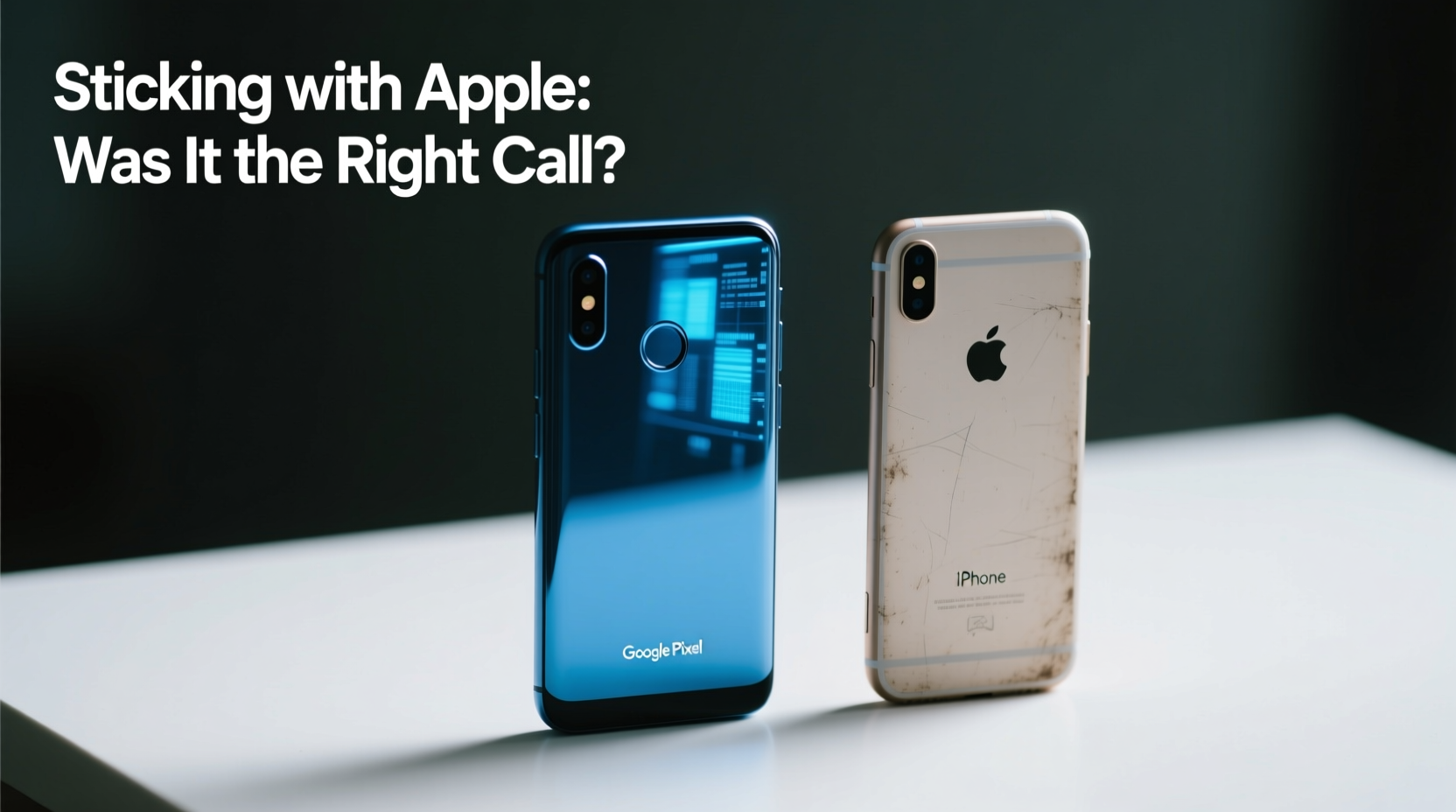
The iPhone 8 and Pixel 2 couldn’t have been more different in design language. The iPhone 8 retained Apple’s classic home-button form factor with an aluminum frame and glass back, making it one of the last iPhones to feature Touch ID before the shift to Face ID. Its build quality was solid, with IP67 water resistance and a reputation for durability.
In contrast, the Pixel 2 adopted a more minimalist Android aesthetic—compact, with a glossy rear panel and a distinctive two-tone finish. While sleek, its glass back made it prone to cracking, and its lack of waterproofing (officially rated at IP67 but without certification) raised concerns among users.
From a longevity standpoint, Apple’s attention to materials and structural integrity gave the iPhone 8 an edge. Even today, well-maintained units remain functional, whereas Pixel 2 devices are increasingly rare due to hardware fragility and limited support.
Tip: When choosing between flagship phones, consider not just current features but build resilience—glass backs look premium but are less forgiving than metal frames.Software Longevity: Where Apple Clearly Won
If there’s one area where Apple dominated decisively, it’s software updates. The iPhone 8 launched with iOS 11 and received updates all the way through iOS 16—a remarkable six-year support window. This meant security patches, performance improvements, and access to new features long after most Android phones had been abandoned.
Google, despite promising better update policies with the Pixel line, supported the Pixel 2 with major OS updates only until Android 11 and security patches until late 2020—just three years of full support. After that, users were left exposed to vulnerabilities and incompatible with newer apps.
“Apple treats software support as a core part of the user experience, not an afterthought.” — David Kim, Mobile Analyst at TechInsight Weekly
This extended lifecycle gave iPhone 8 owners far greater peace of mind. Even as their device aged, it remained secure and functional within the broader Apple ecosystem—something Pixel 2 users couldn’t rely on past 2020.
Performance and Ecosystem Integration
Under the hood, both phones packed powerful chips for their time—the A11 Bionic in the iPhone 8 and the Qualcomm Snapdragon 835 in the Pixel 2. On paper, they were closely matched, but real-world usage revealed key differences.
The A11 Bionic, optimized tightly with iOS, delivered snappier app launches, smoother multitasking, and better energy efficiency. iOS’s memory management allowed older devices to run newer operating systems surprisingly well, even as hardware aged.
The Pixel 2, while fast initially, began showing signs of slowdown by 2019, especially after Android 10 introduced heavier UI elements. Coupled with diminishing update support, this made the long-term experience feel increasingly obsolete.
But beyond raw performance, ecosystem integration tipped the scales further toward Apple. iPhone 8 owners benefited from seamless syncing with Macs, iPads, Apple Watch, AirPods, and iCloud. Features like Handoff, Universal Clipboard, and iMessage continuity created a cohesive digital environment that Android still struggles to match—even today.
Camera Showdown: Google’s Early Lead, Apple’s Consistency
The Pixel 2 was widely praised at launch for having the best smartphone camera on the market. Its single 12.2MP rear sensor outperformed even dual-camera setups thanks to Google’s computational photography magic—HDR+, portrait mode, and exceptional low-light performance.
Apple, on the other hand, took a more balanced approach. The iPhone 8’s dual-camera system (on the Plus model) offered optical zoom and strong color accuracy, but its portrait mode lacked the depth precision of Google’s version. However, Apple steadily improved its image processing algorithms across iOS updates, ensuring photos taken years later looked better due to software enhancements.
While the Pixel 2 won the initial camera crown, its inability to receive new computational photography features post-2020 limited its evolution. Meanwhile, the iPhone 8 continued benefiting from backend camera optimizations in iOS, maintaining relevance longer than expected.
| Feature | iPhone 8 | Pixel 2 |
|---|---|---|
| Launch OS | iOS 11 | Android 8.0 Oreo |
| Final Major Update | iOS 16 (2022) | Android 11 (2020) |
| Security Support | Late 2023 | Dec 2020 |
| Rear Camera | 12MP f/1.8 (Single) | 12.2MP f/1.8 (Single) |
| Ecosystem Strength | Excellent (iCloud, AirPods, etc.) | Fair (Google services only) |
| Battery Life (Real-World Use) | Moderate (~12 hrs) | Moderate (~13 hrs) |
A Real-World Example: Sarah’s Choice in 2017
Sarah, a freelance photographer and longtime iPhone user, considered switching to the Pixel 2 in 2017. She was drawn by its superior camera reviews and stock Android experience. She bought both phones to test them side-by-side.
Initially, she preferred the Pixel 2’s camera, especially in low light. But she quickly missed iMessage, AirDrop, and her existing iCloud photo library. Transferring large RAW files between her MacBook and phone was cumbersome on Android. By early 2018, she sold the Pixel 2 and stuck with the iPhone 8.
Years later, her iPhone 8 still runs smoothly on iOS 16, receives app updates, and connects seamlessly with her new AirPods Pro and iPad. Her former colleague, who switched to the Pixel 2, had to upgrade by 2020 due to lag, outdated software, and app incompatibility.
Sarah’s story reflects a broader trend: for users embedded in Apple’s ecosystem, switching costs often outweigh short-term gains—even when competitors offer superior individual features.
Checklist: Was Staying with Apple the Right Move?
- ✅ Did you prioritize long-term software updates? → iPhone 8 wins
- ✅ Were you invested in Apple’s ecosystem (Mac, iPad, Watch)? → Strong reason to stay
- ✅ Did you value consistent performance over five+ years? → iPhone 8 delivers
- ✅ Were you willing to trade cutting-edge AI photography for reliability? → Yes favors Apple
- ✅ Did you prefer physical home button and Touch ID? → iPhone 8 fits perfectly
Frequently Asked Questions
Could the Pixel 2 compete with the iPhone 8 in daily use?
Yes, in 2017–2019, the Pixel 2 offered a clean Android experience, excellent camera, and timely updates. However, by 2020, its limitations in long-term support and ecosystem integration became apparent, making it less viable for extended ownership.
Is the iPhone 8 still usable in 2024?
Surprisingly, yes—for basic tasks. It runs iOS 16 well, supports most essential apps (though some newer versions may drop support), and remains secure. However, it lacks modern features like Face ID, 5G, or advanced camera modes. As a secondary device or for light users, it holds up.
Did Google improve update policies after the Pixel 2?
Yes. Starting with the Pixel 3, Google committed to at least three years of OS and security updates. Recent Pixels now receive up to five years of support, closing the gap with Apple—though Apple still leads in actual update delivery speed and breadth.
Conclusion: The Value of Ecosystem and Longevity
Looking back, choosing the iPhone 8 over the Pixel 2 wasn’t about winning a spec sheet battle—it was about betting on sustainability, ecosystem cohesion, and long-term usability. While the Pixel 2 dazzled at launch with its camera and pure Android experience, it faltered in the long run due to shorter support cycles and weaker cross-device integration.
Apple’s commitment to updating devices for half a decade or more turned the iPhone 8 into a quiet achiever—one that kept working, kept evolving, and stayed relevant far longer than anticipated. For professionals, families, and everyday users who value reliability over novelty, that consistency made all the difference.
If you were someone who valued seamless integration, enduring performance, and peace of mind knowing your phone wouldn’t become obsolete in three years, then yes—sticking with Apple was likely the right call.
💬 Still using an old iPhone or miss your Pixel 2? Share your experience below—was longevity worth the trade-offs?








