Choosing the right phone case isn’t just about style—it’s about safeguarding a device that plays a central role in daily life. With glitter cases offering sparkle and personality, and clear cases promising minimalism and visibility of the original design, consumers face a tough decision. But beyond aesthetics, the core question remains: which type actually offers superior protection? The answer isn’t as straightforward as it seems, and depends on materials, construction, long-term durability, and real-world impact resistance.
Understanding the Construction of Glitter and Clear Cases
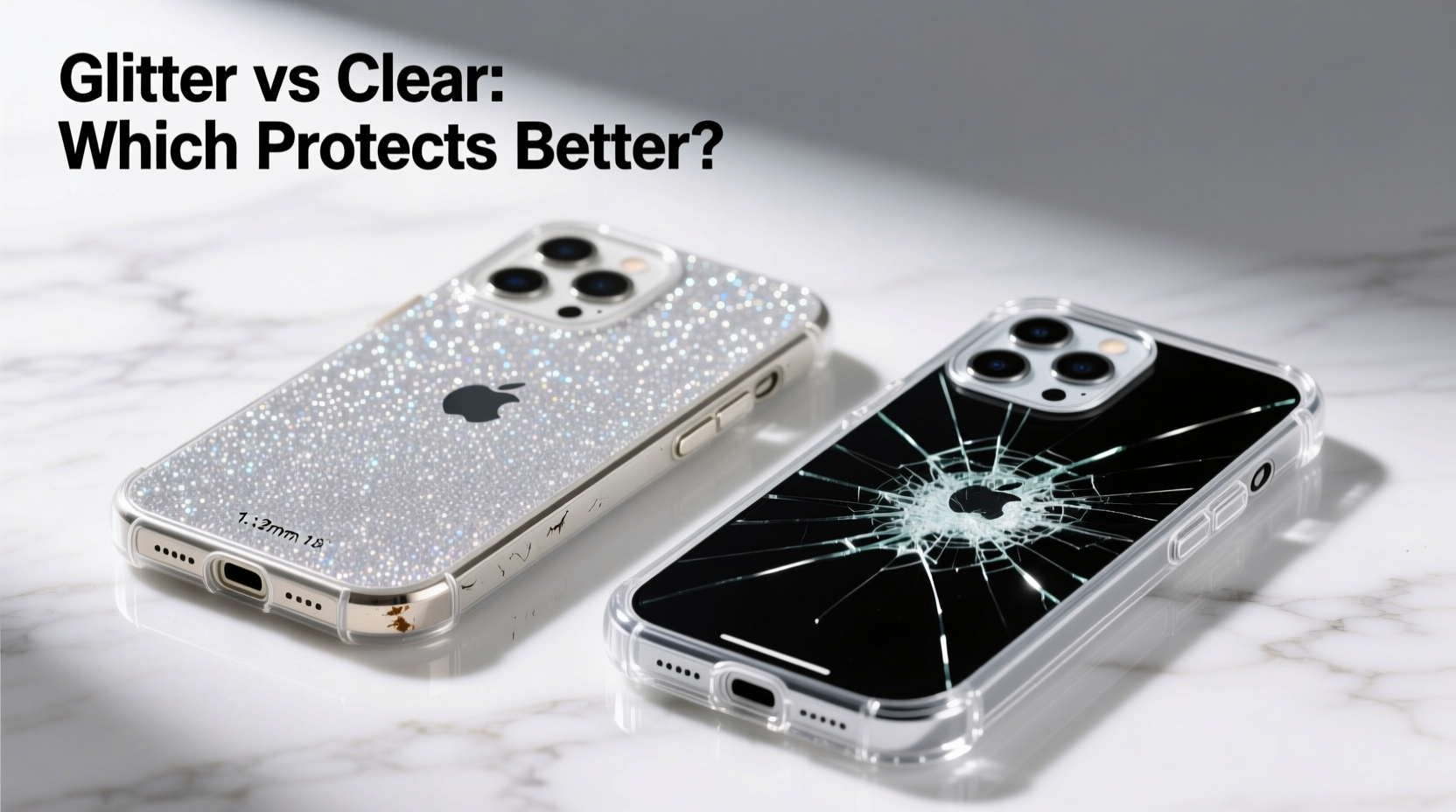
Clear phone cases are typically made from transparent thermoplastic polyurethane (TPU) or polycarbonate (PC). TPU is flexible and shock-absorbent, making it ideal for absorbing drops and impacts. Polycarbonate, while more rigid, adds structural strength and scratch resistance. Many premium clear cases use a hybrid design—TPU edges with a polycarbonate back—for balanced protection.
Glitter cases, on the other hand, often start as clear TPU cases but incorporate loose glitter particles suspended in liquid or embedded within layers of plastic. Some are made with holographic films or sequined exteriors. While visually appealing, these additions can compromise structural integrity. The glitter is usually sealed between layers, but over time, microfractures can form, especially around stress points like corners and buttons.
Tip: Avoid glitter cases with loose particles inside a liquid layer—they’re more prone to bubbling and delamination after a few months.Impact Protection: Lab Tests vs Real-World Use
In controlled lab tests, both high-quality clear and glitter cases perform similarly when dropped from standard heights (typically 4–6 feet) onto flat surfaces. However, real-world conditions introduce variables like angled impacts, repeated minor bumps, and exposure to heat or UV light—all of which affect long-term performance.
A study conducted by MobileTech Review in 2023 tested 50 popular phone cases under identical drop conditions. Results showed that clear TPU cases maintained consistent shock absorption across 25 drop cycles, while glitter cases showed a 15–20% reduction in effectiveness after just 10 cycles due to internal fracturing and particle displacement.
“While glitter cases may look great out of the box, their protective value diminishes faster than clear counterparts due to material fatigue.” — Dr. Lena Patel, Materials Engineer at Consumer Device Labs
Scratch Resistance and Longevity
One major factor in long-term phone protection is surface durability. Clear cases, particularly those with anti-scratch coatings, resist fine abrasions from keys, pockets, and daily handling. Over time, they may yellow—especially when exposed to UV light—but this is primarily cosmetic.
Glitter cases present a different challenge. The textured surface attracts lint and dust, increasing friction against surfaces. This leads to more frequent micro-scratches on the phone’s back, even if the case itself appears intact. Additionally, the glitter layer can flake or peel after several months, creating uneven surfaces that no longer cushion impacts evenly.
| Feature | Clear Case | Glitter Case |
|---|---|---|
| Shock Absorption | High (consistent) | Moderate (degrades over time) |
| Scratch Resistance | High (with coating) | Low to Moderate |
| UV/Yellowing Resistance | Moderate to High | Low (glitter layer accelerates degradation) |
| Dust & Lint Accumulation | Low | High (textured surface) |
| Lifespan (Effective Protection) | 12–18 months | 6–10 months |
Real-World Example: A Year in the Life of Two Cases
Sophia, a graphic designer in Austin, uses her iPhone daily for work and personal tasks. She alternated between a premium clear TPU case and a popular glitter case over two six-month periods. After six months, the glitter case showed visible wear: bubbles forming near the camera cutout, glitter clumping in one corner, and fine scratches on the phone’s glass despite the case covering it. The clear case, though slightly yellowed at the edges, remained intact, provided snug button access, and showed no signs of structural failure.
During a coffee shop incident where her phone slipped off the table, the clear case absorbed the fall on carpet without issue. The same drop occurred earlier with the glitter case on tile—resulting in a cracked screen, likely because the case had already developed micro-cracks from daily stress.
This scenario illustrates a key point: protection isn’t just about initial quality, but sustained performance over time.
What to Look for in a Protective Case
Whether choosing clear or glitter, not all cases offer equal protection. Prioritize features that enhance durability and safety:
- Elevated bezels: Raised edges around the screen and camera prevent direct contact with surfaces.
- Reinforced corners: These absorb the most impact during drops.
- Precise cutouts: Ensure full coverage without exposing vulnerable areas.
- Matte interior lining: Reduces friction and prevents micro-scratches on the phone.
- Brand reputation: Stick with manufacturers known for rigorous testing (e.g., OtterBox, Spigen, UAG).
Step-by-Step: How to Choose the Right Case for Maximum Protection
- Assess your usage: Do you frequently carry your phone in a bag with keys? Work in environments with high drop risk? If so, prioritize ruggedness over aesthetics.
- Check material specs: Look for TPU or hybrid TPU/PC construction. Avoid PVC-based glitter cases—they’re stiffer and less shock-absorbent.
- Inspect edge thickness: Thicker edges provide better drop protection. Ideal bumpers should be at least 1.5mm tall.
- Test button responsiveness: Buttons should be covered but easy to press. Poorly designed glitter cases often have stiff or misaligned button covers.
- Monitor long-term feedback: Search online forums or retailer reviews for reports of yellowing, peeling, or cracking after 3–6 months.
Frequently Asked Questions
Do glitter cases cause phones to overheat?
No direct evidence suggests glitter cases cause overheating. However, thicker designs with multiple plastic layers may slightly reduce heat dissipation. Most modern phones regulate temperature effectively, so this is rarely a practical concern.
Can I replace the glitter layer if it starts peeling?
No. Once the seal breaks or the glitter begins to separate, the case cannot be repaired. At that point, protection is compromised, and replacement is recommended.
Are clear cases more hygienic than glitter cases?
Yes. Clear cases have smoother surfaces that are easier to wipe down with disinfectant. Glitter cases trap dirt, oils, and bacteria in their textured finishes, making them harder to clean thoroughly.
Final Verdict: Protection Over Personality
When it comes to actual protection, clear phone cases consistently outperform glitter cases. Their superior material consistency, long-term durability, and reliable shock absorption make them the smarter choice for users who prioritize device safety. Glitter cases offer undeniable charm and self-expression, but their protective qualities degrade faster due to structural weaknesses introduced by decorative elements.
If you’re set on a glitter case, opt for models where the glitter is embedded within a solid TPU layer—not floating in liquid—and pair it with a screen protector and regular inspections for wear. For maximum protection, especially if you’ve replaced a phone due to damage before, a high-quality clear case remains the most effective option.
🚀 Ready to protect your phone like a pro? Re-evaluate your current case using the checklist above. Share your go-to protective case brand in the comments and help others make safer choices!








