At two years old, children are in one of the most dynamic phases of growth—exploring language, refining motor skills, and beginning to understand the world through imagination and interaction. Choosing a gift isn’t just about delight; it’s an opportunity to support cognitive, emotional, and physical development. The best gifts for 2-year-old girls balance fun with purpose, encouraging learning through play without feeling like instruction. From stacking toys that build coordination to pretend-play sets that spark storytelling, thoughtful selections can nurture emerging abilities while bringing genuine joy.
Why Developmental Fit Matters in Early Childhood Gifts
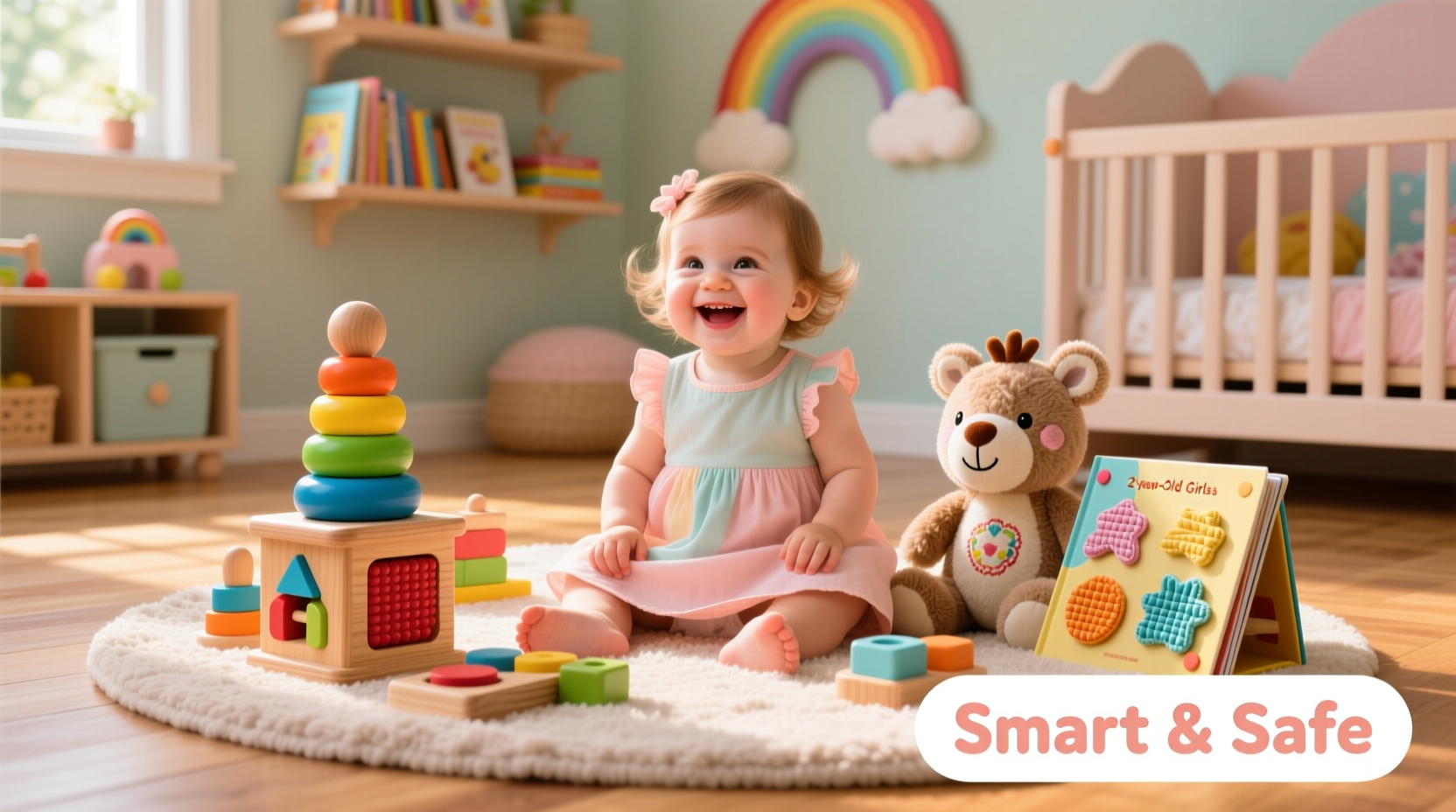
Two-year-olds operate in a world of sensory exploration and rapid skill acquisition. Their attention spans are short, their curiosity boundless, and their need for repetition high. A toy that aligns with their developmental stage doesn’t just entertain—it reinforces key milestones. According to pediatric experts, play is the primary vehicle through which toddlers learn. As Dr. Laura Jana, pediatrician and co-author of *The Toddler Brain*, explains:
“Play isn’t just recreation for toddlers—it’s how they practice problem-solving, language, and social-emotional skills. The right toys act as tools for brain-building.” — Dr. Laura Jana, Pediatrician & Child Development Specialist
Toys that are too advanced frustrate; those that are too simple bore. At this age, ideal gifts promote cause-and-effect understanding, fine and gross motor control, vocabulary expansion, and symbolic thinking—all wrapped in colorful, engaging formats.
Top Developmentally Smart Gift Categories
The following categories reflect research-backed areas of toddler development and include specific examples that meet both educational and entertainment value.
1. Building & Stacking Toys
These support hand-eye coordination, spatial reasoning, and early engineering concepts. Toddlers learn about balance, size sequencing, and gravity when they stack, topple, and rebuild.
- Fisher-Price Rock-a-Stack
- Melissa & Doug Wooden Building Blocks Set
- LEGO DUPLO My First Number Train
2. Pretend Play Sets
Dramatic play fuels language development, empathy, and executive function. When a child pretends to cook, care for a baby, or drive a bus, she practices narrative thinking and social roles.
- Little Tikes Cozy Coupe Pretend Play Car
- Guidecraft Market Corner Cash Register
- VTech Write & Learn Creative Center
3. Interactive Books
At two, children are rapidly expanding their vocabulary. Board books with textures, flaps, or sound buttons engage multiple senses and encourage sustained attention.
- Dear Zoo by Rod Campbell (lift-the-flap classic)
- Peek-a-Moo! by Marie Torres Cimarusti (sound buttons + animal sounds)
- Goodnight Moon by Margaret Wise Brown (soothing rhythm for bedtime)
4. Music & Movement Tools
Rhythm and movement help develop auditory processing, coordination, and self-regulation. Instruments and dance props invite joyful expression.
- Hape Pound & Tap Bench with Slide Out Xylophone
- B. Kids Musical Activity Cube
- Costume skirts or scarves for dancing
5. Outdoor & Active Play Gear
Gross motor development is crucial at this age. Riding toys, balls, and obstacle courses help build strength, balance, and confidence.
- Radio Flyer Mini Scoot Scooter
- Step2 Up n' Down Roller Coaster
- Small inflatable pool with floating toys for summer
Do’s and Don’ts: A Parent’s Quick Guide
| Do | Don’t |
|---|---|
| Choose toys with multiple ways to play (open-ended) | Select single-function electronics with flashing lights and loud noises |
| Prioritize durability and washable materials | Buy fragile or hard-to-clean items |
| Opt for real-life representations (e.g., wooden food, fabric dolls) | Encourage hyper-stylized or gender-stereotyped characters |
| Include items that grow with the child (adjustable ride-ons) | Purchase toys with tiny, detachable parts |
| Support inclusive themes (diverse dolls, multilingual books) | Assume all girls prefer only pink or princess themes |
Real-Life Example: How One Toy Transformed Playtime
Sophie, a 2-year-old from Portland, received a Melissa & Doug wooden grocery set for her birthday. Initially, she simply carried the basket around. Within weeks, her play evolved: she began “shopping” with labeled produce, counting apples, and pretending to pay with play money. Her parents noticed she started naming colors and numbers spontaneously. More significantly, she began including her stuffed animals in shopping trips, assigning them roles (“You carry the bread!”). What began as a simple gift became a catalyst for language growth, imaginative sequencing, and social simulation—without any direct teaching.
This kind of organic progression is common with developmentally appropriate toys. They don’t demand structured use but instead offer scaffolding for natural learning.
Step-by-Step: Choosing the Right Gift in 5 Minutes
You don’t need hours to pick a meaningful present. Follow this quick process:
- Consider the child’s current interests: Does she love animals? Cars? Singing? Match the theme to her passions.
- Check safety standards: Look for ASTM F963 or CPSC certification. Ensure no small parts, sharp edges, or toxic paints.
- Evaluate play value: Can it be used in more than one way? Will it last beyond a week of novelty?
- Think about space and storage: Is it compact enough for home use? Avoid oversized items unless you know they have room.
- Add a personal touch: Include a handwritten note or pair with a book featuring the child’s name.
Frequently Asked Questions
Are electronic toys bad for 2-year-olds?
Not inherently, but balance is key. Passive screen-based or overstimulating toys (with loud music or fast visuals) can disrupt attention spans. Opt for interactive electronics that respond to actions meaningfully—like a keyboard that plays notes when pressed—rather than those that do everything on their own.
How many toys should a 2-year-old have?
Quality over quantity matters most. Research suggests rotating 5–7 toys every few weeks maintains engagement and reduces overwhelm. Too many options at once can hinder deep, focused play.
What if I’m not sure about the child’s preferences?
When in doubt, choose universally appealing, open-ended items: a sturdy push toy, a set of large crayons with paper, or a soft doll with clothes to change. These support multiple types of play and adapt to different personalities.
Final Checklist Before You Buy
- ✅ Is the toy safe for ages 2+ (no choking hazards)?
- ✅ Does it encourage active participation, not passive watching?
- ✅ Can it be used in multiple ways (e.g., blocks can become roads, walls, or animals)?
- ✅ Is it made from durable, non-toxic materials?
- ✅ Will it still be engaging in 3–6 months?
- ✅ Does it support language, movement, or problem-solving?
Conclusion: Gifts That Grow With Her Mind
The most memorable gifts for 2-year-old girls aren’t just delightful on the surface—they resonate beneath, supporting the incredible neural growth happening every day. Whether it’s a drum that strengthens coordination, a dollhouse that inspires storytelling, or a puzzle that teaches shape recognition, each well-chosen item becomes part of a larger journey of discovery. These early experiences lay the foundation for confidence, creativity, and lifelong learning. By selecting toys that are as smart as they are fun, you’re not just giving a present—you’re investing in her potential.
💬 Have a favorite developmentally rich toy your child loved at age two? Share it in the comments to help other parents find meaningful gifts!








