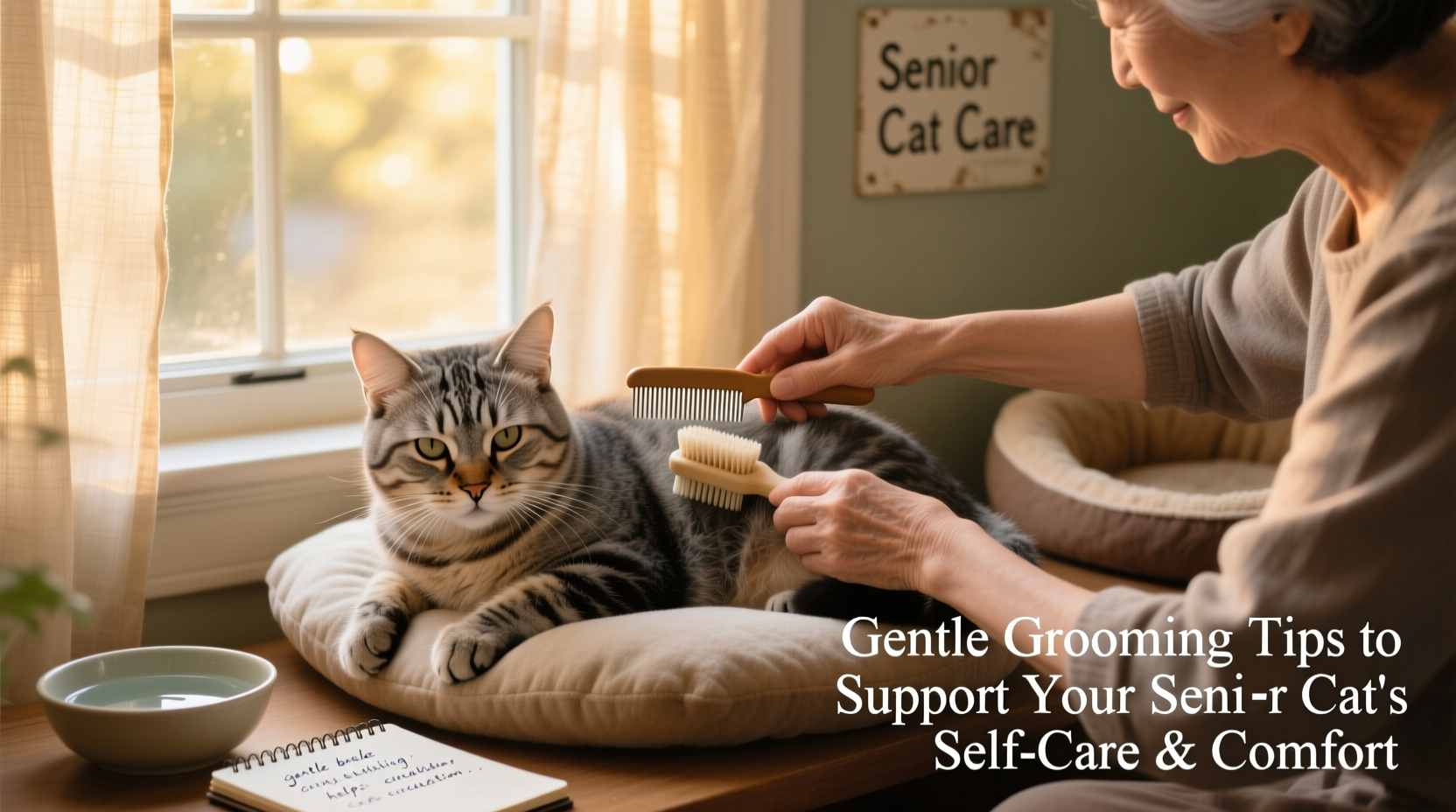
As cats age, their bodies change in ways that can make everyday activities—like grooming—more difficult. Senior cats, typically those aged 7 years and older, often experience reduced flexibility, arthritis, dental issues, or cognitive decline. These changes can interfere with their ability to maintain a clean coat, leading to matting, skin irritation, and discomfort. While cats are naturally fastidious groomers, aging may require them to rely more on their humans for support. Gentle, consistent grooming not only keeps their coat healthy but also strengthens the bond between pet and owner, offering reassurance and physical comfort during their golden years.
Why Grooming Matters More for Senior Cats
Younger cats spend up to 50% of their waking hours grooming themselves. This behavior serves multiple purposes: regulating body temperature, removing loose fur, distributing natural oils, and even reducing stress. However, as cats enter their senior phase, physical limitations can hinder this routine. Arthritis in joints like the spine or hips may prevent a cat from twisting to reach their back or tail. Overweight cats or those with mobility issues might struggle to groom their underbelly or legs. Dental pain or fatigue can reduce the time they spend licking their fur.
When self-grooming declines, dirt, dandruff, and dead skin accumulate. Mats form quickly, especially in long-haired breeds, trapping moisture and creating a breeding ground for bacteria or parasites. Poor hygiene can lead to skin infections, pressure sores, or even urinary tract issues if litter box access is compromised due to discomfort. Regular, gentle grooming helps mitigate these risks and supports overall health by allowing early detection of lumps, sores, or changes in skin condition.
“Senior cats benefit immensely from assisted grooming—it’s not just about appearance. It’s preventive care that promotes circulation, reduces stress, and strengthens human-animal bonds.” — Dr. Lena Torres, Feline Wellness Veterinarian
Step-by-Step Guide to Gentle Grooming Sessions
Grooming should be a calming ritual, not a stressful event. Follow this timeline to create a safe, soothing experience for your senior cat:
- Choose the Right Time: Pick a moment when your cat is relaxed—after a nap or meal. Avoid grooming right before bedtime or feeding times when anxiety might be higher.
- Prepare Your Tools: Use soft-bristle brushes, wide-tooth combs, or rubber grooming mitts. For cats with sensitive skin, consider a damp microfiber cloth instead of brushing.
- Create a Calm Environment: Select a quiet room with minimal distractions. Play soft music or use a pheromone diffuser (like Feliway) to promote relaxation.
- Start Slowly: Begin with short sessions—3 to 5 minutes—and gradually increase duration as your cat becomes accustomed to the process.
- Use Gentle Strokes: Work in the direction of hair growth, applying light pressure. Focus on areas your cat can no longer reach: base of tail, lower back, abdomen, and behind the ears.
- Monitor Reactions: If your cat flicks their tail, flattens ears, or tries to leave, pause and try again later. Never force contact.
- End on a Positive Note: Offer verbal praise, a favorite treat, or chin scratch to reinforce positive associations.
Do’s and Don’ts of Senior Cat Grooming
| Do’s | Don’ts |
|---|---|
| Use soft, non-slip mats to prevent slipping during grooming | Force brushing on matted or painful areas |
| Check for lumps, scabs, or fleas while grooming | Use human shampoos or harsh chemicals |
| Wipe eyes and ears gently with a moist cotton ball | Pull out mats—this can hurt and damage skin |
| Dry thoroughly after any cleaning to avoid chills | Groom for extended periods without breaks |
| Trim nails every 2–3 weeks to prevent overgrowth | Ignore signs of pain like hissing or limping post-grooming |
A Real-Life Example: Supporting Bella Through Her Golden Years
Bella, a 14-year-old domestic longhair, began avoiding her usual grooming rituals. Her owner, Maria, noticed dull fur, small tangles near her tail, and occasional odor. A vet visit revealed mild arthritis in her spine. With guidance, Maria started a twice-weekly grooming routine using a soft rubber brush and weekly wipe-downs with a pet-safe grooming cloth. She kept sessions under five minutes and rewarded Bella with tuna treats afterward. Within a month, Bella’s coat regained its shine, and she began purring during grooming. More importantly, Maria detected a small lump near Bella’s shoulder during one session—early enough for successful treatment. What began as a hygiene concern turned into a life-extending ritual of care.
Essential Grooming Checklist for Senior Cats
- ✅ Brush coat 2–3 times per week (daily for long-haired cats)
- ✅ Check ears weekly for wax buildup or redness
- ✅ Wipe around eyes daily to remove discharge
- ✅ Trim claws every 2–3 weeks
- ✅ Inspect skin for lumps, dry patches, or parasites
- ✅ Bathe only when necessary using vet-approved cat shampoo
- ✅ Clean bedding and grooming tools regularly
- ✅ Schedule biannual vet checkups to monitor joint and skin health
Frequently Asked Questions
How often should I bathe my senior cat?
Most senior cats rarely need full baths unless they’re unable to groom themselves or have medical conditions involving skin or waste accumulation. Spot-cleaning with a damp cloth or waterless cat shampoo is usually sufficient. When bathing is necessary, use lukewarm water and a vet-recommended formula. Ensure thorough drying to prevent chilling.
My cat hates being brushed. What can I do?
Start by introducing the brush without using it—let your cat sniff and investigate. Then, gently stroke with your hand or a soft cloth. Gradually incorporate brief touches with the brush, focusing on low-sensitivity areas like the head or shoulders. Pair each touch with a treat or affection. If resistance continues, consult your vet—there may be underlying pain or anxiety requiring attention.
Are there grooming tools specifically for senior cats?
Yes. Look for ergonomic-handled brushes with soft bristles, grooming gloves that mimic petting, or motorized massaging brushes that stimulate circulation without friction. For cats with severe mobility issues, vet-recommended wipes infused with moisturizers or flea prevention can supplement brushing.
Nurturing Comfort Through Consistent Care
Grooming a senior cat goes beyond aesthetics—it’s an act of compassion. As your feline companion ages, their needs evolve, and your role shifts from caretaker to partner in wellness. Each gentle stroke removes not just loose fur, but also stress and isolation. The ritual creates space for connection, observation, and early intervention. By adapting your approach to honor their changing abilities, you help preserve dignity, comfort, and quality of life.
💬 Have a grooming tip that helped your senior cat? Share your story in the comments—your experience could comfort another caregiver on the same journey.








