
Moving homes is stressful—for humans and cats alike. While you might be excited about fresh walls, better lighting, or a quieter neighborhood, your cat experiences the upheaval as a threat to their safety and routine. Cats are creatures of habit, deeply bonded to their environment, and even minor changes can trigger anxiety, hiding behaviors, or litter box avoidance. The key to a successful relocation isn’t speed—it’s patience, preparation, and empathy. With thoughtful planning, you can help your cat transition smoothly into their new home, minimizing fear and fostering comfort from day one.
Understand Your Cat’s Perspective
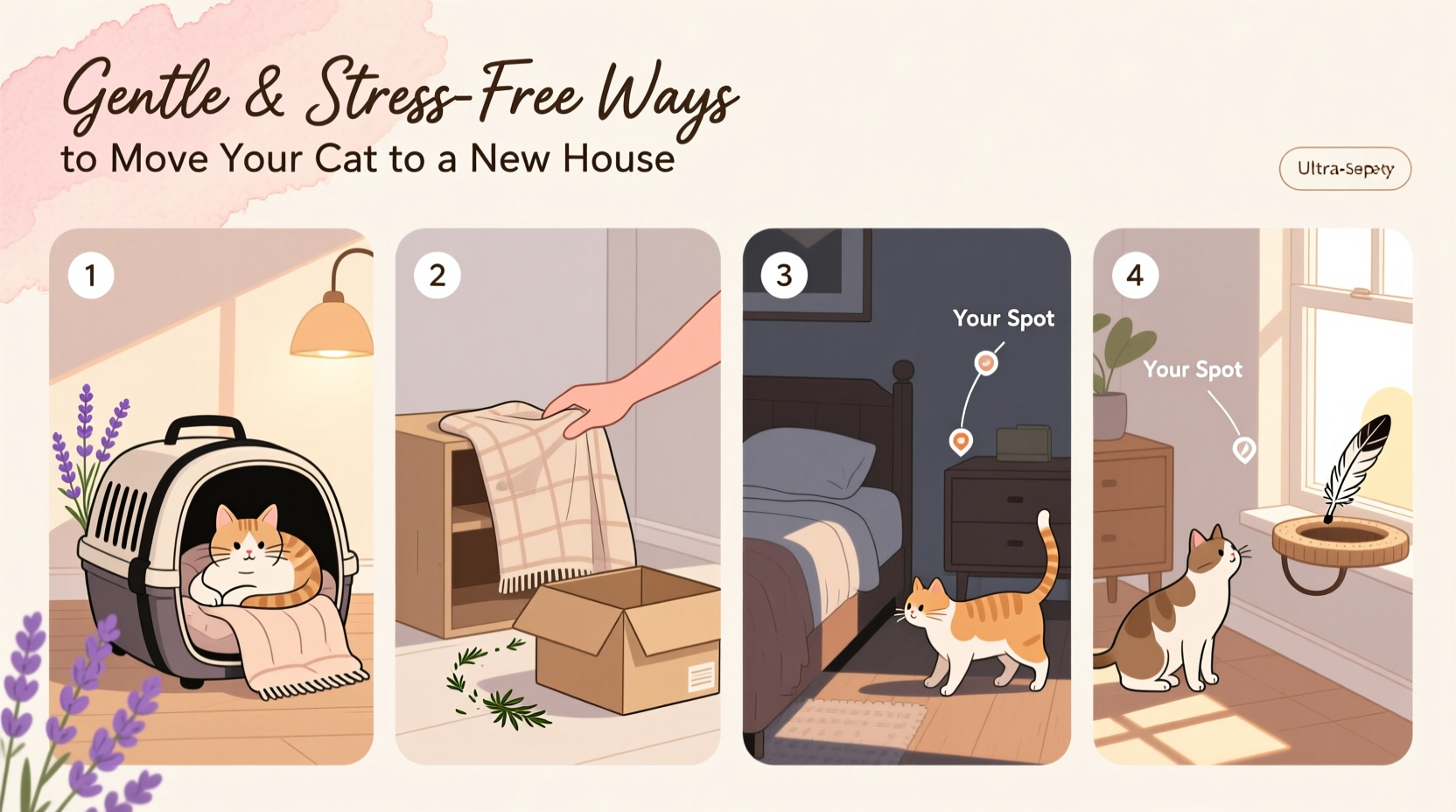
Cats rely heavily on scent, routine, and territory. Their sense of security comes from familiarity: the smell of their bedding, the layout of their favorite napping spots, and predictable daily rhythms. When these elements vanish overnight during a move, it’s no wonder many cats respond with stress-related behaviors like excessive grooming, vocalization, or refusing to eat.
Dr. Lena Patel, a veterinary behaviorist at the Feline Wellness Institute, explains:
“Cats don’t process change emotionally the way humans do. They don’t anticipate future benefits—they react to immediate threats. A new environment without familiar scents is perceived as unsafe until proven otherwise.”
This insight underscores why a rushed introduction to a new home often backfires. Instead of expecting your cat to adapt quickly, focus on creating continuity and control within the chaos of moving.
Step-by-Step Timeline for a Calm Transition
A well-structured timeline reduces last-minute scrambling and gives your cat time to adjust gradually. Begin preparations at least two weeks before moving day.
- Week 2–3 Before Move: Gather supplies (carrier, pheromone diffusers, familiar bedding) and designate a “safe room” in the new home—typically a quiet bedroom or bathroom where your cat can stay initially.
- One Week Before: Start confining your cat to one room in the old house during packing to reduce exposure to chaos. Introduce the carrier early by leaving it open with treats inside.
- Moving Day: Keep your cat in a secure, quiet room away from movers. Feed them a light meal a few hours before transport. Use a secure carrier lined with a worn T-shirt or blanket that carries your scent.
- Arrival at New Home: Take your cat directly to the pre-prepared safe room. Do not let them explore freely yet. Provide food, water, litter box, and hiding spots (like a cardboard box).
- Days 1–3: Limit interaction to calm, quiet visits. Let your cat investigate the room at their own pace. Avoid forcing attention or handling.
- Day 4 Onward: Gradually expand access to other rooms, one at a time, only after your cat appears relaxed and confident in the initial space.
Essential Moving Checklist for Cat Owners
- ✔ Pack a separate “cat essentials” bag (food, meds, leash, toys, bowls)
- ✔ Confirm microchip and ID tag have updated contact info
- ✔ Prepare a quiet, escape-proof room in the new home ahead of arrival
- ✔ Bring familiar items: bedding, scratching post, favorite toy
- ✔ Install secure window screens if allowing access to windows later
- ✔ Schedule a vet check if your cat shows prolonged signs of distress
- ✔ Update your veterinarian with the new address and emergency clinic location
Do’s and Don’ts During the Move
| Do’s | Don’ts |
|---|---|
| Keep your cat indoors on moving day to prevent escape | Let your cat roam freely in the new home immediately |
| Use calming aids like pheromone sprays or natural supplements | Punish or scold hiding or cautious behavior |
| Maintain feeding and play routines as much as possible | Rearrange furniture in the safe room during the first week |
| Introduce new spaces slowly and under supervision | Assume silence means your cat is adjusting well |
| Monitor litter box use and appetite closely | Allow strangers or pets near your cat during early days |
A Real-Life Example: Mia’s Move to the Suburbs
Sarah relocated from a downtown apartment to a suburban home with her 5-year-old rescue cat, Mia. Known for being shy, Mia had never left the original apartment since adoption. Sarah prepared meticulously: two weeks prior, she began using Feliway in Mia’s main room and introduced the carrier with treats. On moving day, Mia stayed in a closed bedroom with a fan for white noise.
At the new house, Sarah set up a spare bedroom with Mia’s bed, litter box, and a nightlight. She sat quietly on the floor reading aloud while Mia explored. For three days, Mia hid under the bed but ate, drank, and used the litter box. By day five, she began following Sarah around the room. It took ten days before Mia ventured into the hallway—but by then, she was observing from the doorway, tail upright.
“I didn’t rush her,” Sarah said. “I reminded myself that her confidence was rebuilding, not disappearing.” Today, Mia patrols the backyard (on leash) and naps in sunbeams across three different rooms.
Frequently Asked Questions
How long does it take for a cat to adjust to a new home?
Most cats begin to relax within 3–5 days, but full adjustment can take 2–6 weeks. Shy or older cats may need more time. Signs of progress include normal eating, consistent litter use, and voluntary interaction.
Should I let my cat outside after moving?
No—not initially. Even outdoor-access cats should be kept strictly indoors for at least two weeks. Sudden outdoor access increases the risk of disorientation and escape. If you plan to allow outdoor time eventually, reintroduce it gradually with harness training or a catio.
What if my cat stops using the litter box?
Stress is a common cause of temporary litter box avoidance. Ensure the box is clean, accessible, and placed away from noisy appliances. Rule out medical issues with a vet visit if the problem persists beyond a few days.
Tip: Place your cat’s used litter in the new box to maintain familiar scent cues. This small detail can significantly reduce confusion.Conclusion: Patience Is the Greatest Gift You Can Give
Moving your cat doesn’t have to mean sacrificing their emotional well-being. By prioritizing stability over speed, honoring their instincts, and providing a structured, scent-rich environment, you lay the foundation for a confident and happy life in their new home. Remember, your cat isn’t resisting change out of stubbornness—they’re seeking safety. Every quiet moment, every familiar blanket, and every patient gesture communicates that they are still loved and protected, no matter the address.
💬 Have a successful cat move story or a tip that helped your pet adjust? Share your experience in the comments—your insight could ease another cat owner’s journey.








