For dogs living with arthritis, everyday movements can become painful. As joints stiffen and mobility declines, even being lifted—something once taken for granted—can cause discomfort or distress. Many pet owners unknowingly worsen their dog��s condition by using improper techniques when carrying them. The key lies not just in strength, but in strategy: understanding your dog’s physical limits, supporting vulnerable areas, and minimizing strain on both pet and caregiver.
With thoughtful adjustments and informed handling, you can preserve your dog’s dignity, reduce pain, and maintain trust during necessary lifts—whether it’s helping them into the car, up the stairs, or onto the couch. This guide delivers actionable, veterinarian-backed methods to ensure every interaction supports your arthritic dog’s well-being.
Understanding Arthritis in Dogs: Why Lifting Matters
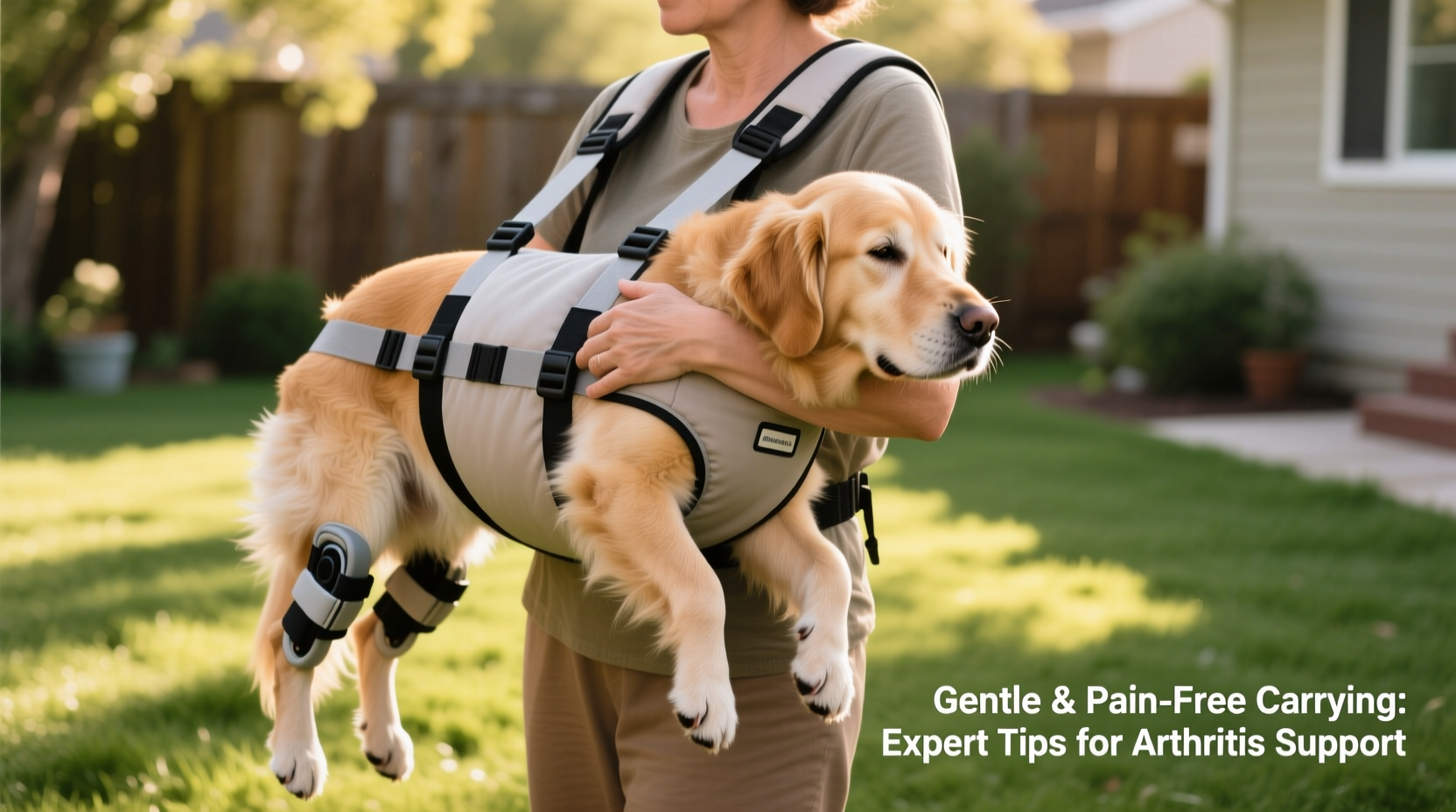
Canine osteoarthritis affects over 20% of adult dogs, rising significantly in seniors. It involves the progressive degeneration of cartilage in joints, leading to inflammation, stiffness, and chronic pain. Commonly affected areas include hips, elbows, knees, and the spine. When a dog is lifted incorrectly, pressure concentrates on already compromised joints, potentially triggering muscle spasms or micro-injuries.
Unlike humans, dogs cannot brace themselves mid-air. They rely entirely on their handler’s technique to remain stable and secure. A jolted lift or dangling limbs can spike anxiety and reinforce fear of movement, accelerating decline in mobility. Proper support distributes weight evenly, protects spinal alignment, and communicates safety through consistent, predictable motion.
“Every time you lift an arthritic dog, you’re either contributing to their pain or actively protecting their joints. Technique isn’t optional—it’s therapeutic.” — Dr. Lena Patel, Veterinary Rehabilitation Specialist
Step-by-Step Guide: Safe Lifting Techniques by Size and Mobility Level
No single method fits all dogs. Breed, weight, body structure, and severity of arthritis dictate the safest approach. Below are three evidence-based techniques categorized by size and functional ability.
Small to Medium Dogs (Under 30 lbs) with Moderate Mobility
- Approach calmly and speak softly to reassure your dog.
- Kneel beside the dog at floor level to avoid reaching down.
- Slide one arm under the chest, just behind the front legs, supporting the ribcage.
- Place your other arm under the hindquarters, cradling the pelvis—not the tail or lower back.
- Lift smoothly in one motion, keeping the spine aligned and head supported.
- Hold close to your body; never dangle the dog at arm’s length.
Larger Dogs (30–70 lbs) with Limited Mobility
These dogs often cannot stand unassisted. Lifting requires mechanical advantage and joint protection.
- Use a supportive harness with dual handles—one at the chest, one at the rump.
- Position yourself behind and slightly to the side of the dog.
- Bend your knees, keep your back straight, and engage your core.
- Lift using leg strength, not your back, raising the dog just enough to shift weight.
- Guide rather than carry—help them walk short distances instead of full lifts when possible.
Dogs Over 70 lbs or with Severe Arthritis
Full manual lifting is discouraged due to injury risk for both dog and owner. Instead, use assistive tools:
- Slings or orthopedic hammocks designed for large breeds.
- Ramps for vehicles and elevated surfaces.
- Transfer boards to slide dogs from bed to wheelchair or stretcher.
Essential Tools and Accessories for Joint Support
Modern veterinary medicine offers several devices that reduce physical strain while enhancing stability.
| Tool | Best For | Key Benefit |
|---|---|---|
| Two-Handled Harness (e.g., Ruffwear, GingerLead) | Medium to large dogs needing rear support | Reduces lumbar stress during standing or walking |
| Abdominal Sling (fabric or neoprene) | Short-term lifting or stair navigation | Even weight distribution without limb pressure |
| Orthopedic Dog Stretcher | Post-surgery or acute flare-ups | Full-body immobilization with padding |
| Car Ramp or Step Platform | Preventing unnecessary lifting | Encourages independence and reduces fall risk |
Checklist: Pre-Lift Safety Protocol
Before lifting your dog, follow this checklist to minimize discomfort and prevent injury:
- ✅ Assess your dog’s mood—are they alert, anxious, or in obvious pain?
- ✅ Clear the path of obstacles (toys, furniture, rugs).
- ✅ Position yourself at the same level as the dog (kneel or sit if needed).
- ✅ Ensure both hands are free and nails are trimmed to avoid accidental scratches.
- ✅ Use verbal cues like “up” or “let’s go” consistently to build predictability.
- ✅ Limit duration: Avoid holding longer than necessary; place gently after movement.
Real Example: Helping Max Navigate Daily Life
Max, a 10-year-old Labrador Retriever, was diagnosed with hip dysplasia and moderate arthritis at age 8. His owner, Susan, initially carried him up the porch steps using a traditional under-the-chest grip. Within months, Max began yelping and resisting lifts. A vet visit revealed increased inflammation in his lumbar spine due to poor weight distribution.
After consulting a canine rehabilitation therapist, Susan switched to a two-handled support harness and installed a lightweight aluminum ramp. She also learned to cue Max verbally before each lift, allowing him to tense core muscles in preparation. Within weeks, Max stopped flinching during transfers and regained confidence in mobility. Today, he walks short distances with minimal assistance, thanks to consistent, joint-conscious handling.
Frequently Asked Questions
How do I know if I’m hurting my dog when I lift them?
Signs of discomfort include whimpering, tensing muscles, avoiding eye contact, or attempting to twist away. If your dog stiffens or holds their breath during the lift, stop immediately. Reevaluate your technique and consider using a supportive aid.
Can I still pick up my dog if they have arthritis?
Yes—but selectively. Routine lifting should be minimized. Reserve carrying for essential situations like vet visits or navigating stairs. Whenever possible, encourage walking with support rather than full lifts.
Are there alternatives to carrying my dog?
Absolutely. Ramps, stairs with non-slip treads, mobility carts, and indoor dog wheelchairs allow many arthritic dogs to move independently. Consult your vet or a canine physical therapist to explore options tailored to your dog’s condition.
Final Thoughts: Compassion Through Consistency
Caring for a dog with arthritis extends beyond medication and diet—it includes how we touch, move, and support them daily. Every lift is an opportunity to reinforce safety and comfort. By adopting proper techniques, utilizing supportive tools, and respecting your dog’s limitations, you preserve not only joint health but emotional well-being.
Start today: evaluate your current method, invest in a quality harness or sling, and practice slow, mindful transfers. Your dog may not say thank you in words, but their relaxed posture, steady breathing, and trusting gaze will tell you everything you need to know.
💬 Have a tip or experience with carrying an arthritic dog? Share your story in the comments—your insight could help another pet parent provide better care.








