The Cavalier King Charles Spaniel is beloved for its silky, flowing coat and affectionate nature. But that luxurious fur requires consistent care to prevent matting, reduce shedding, and maintain skin health. Grooming isn’t just about appearance—it’s essential for comfort and well-being. Choosing the right brush is the foundation of an effective grooming routine. Not all brushes are created equal, and using the wrong tool can cause discomfort, break delicate hairs, or even damage the skin. The ideal brush must be both gentle enough for daily use and effective enough to manage tangles and loose undercoat.
Understanding the Cavalier’s Coat
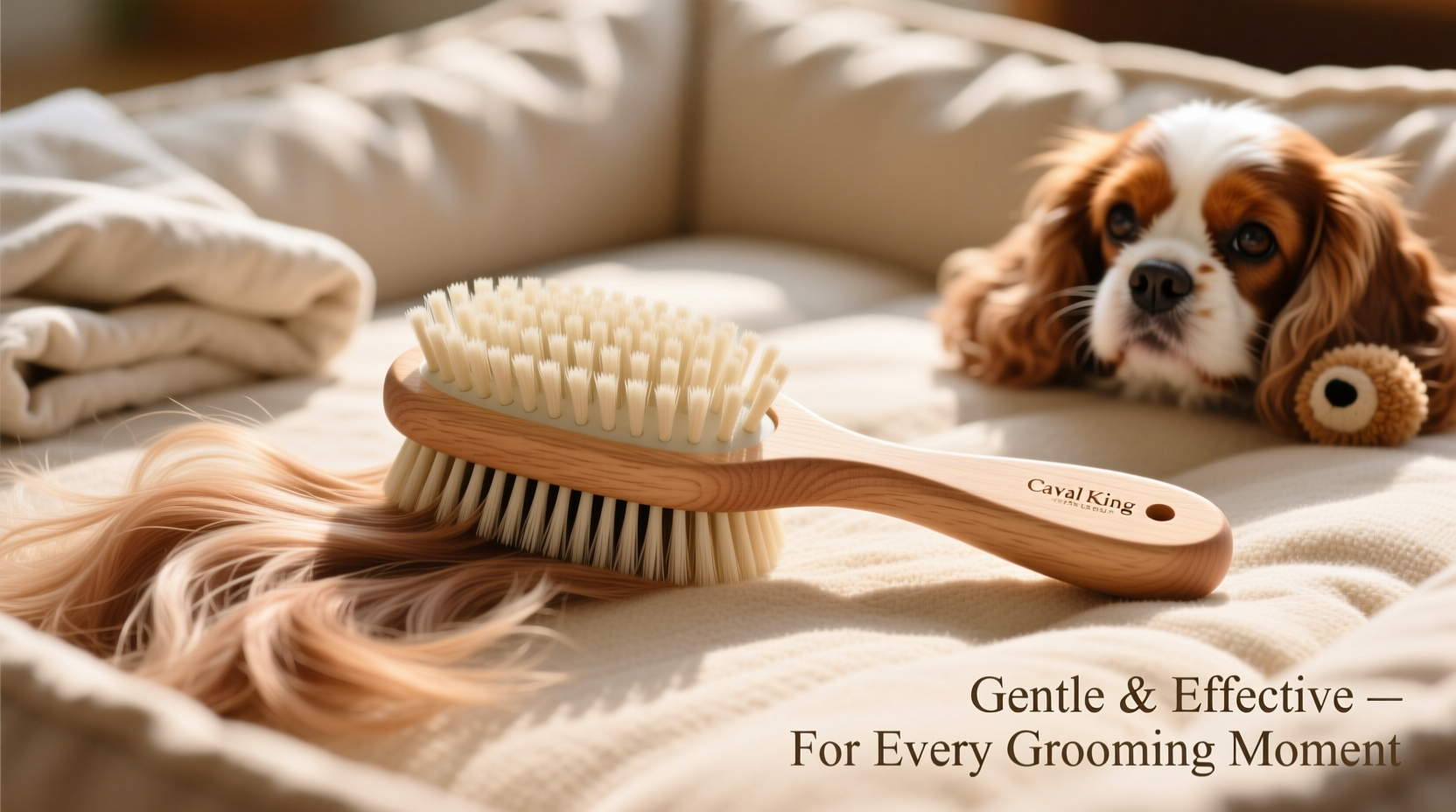
Cavaliers have a medium-length, silky double coat. The top layer is soft and glossy, while the undercoat is fine and dense, especially around the ears, chest, legs, and tail. This combination makes them prone to matting behind the ears, under the legs, and along the belly—areas where moisture and friction accumulate. Without regular brushing, small tangles can quickly turn into painful mats that require clipping.
Because their hair is fine and easily broken, harsh bristles or metal combs with wide spacing can pull and snag. A quality brush must glide through the coat smoothly, detangling without force, while stimulating the skin to distribute natural oils. Daily maintenance prevents the need for frequent professional grooming and strengthens the bond between pet and owner.
Tip: Always brush in the direction of hair growth, starting from the ends and working up to the roots to avoid pulling on tangles.Key Features of the Best Brush for Cavaliers
Selecting the right brush involves more than brand names or popularity. Focus on design elements that support gentle yet thorough grooming:
- Soft, flexible bristles: Natural boar bristles or fine nylon pins with rounded tips are ideal. They massage the skin without irritation.
- Dual-sided design: Many top brushes combine a pin side for detangling and a bristle side for smoothing and shine.
- Ergonomic handle: Reduces hand fatigue during extended brushing sessions, especially important for older owners or those with arthritis.
- Appropriate spacing: Pins should be close enough to catch fine hairs but not so tight they trap debris or pull.
- Anti-static properties: Helps reduce flyaways and static buildup, common in dry indoor environments.
One standout option is the Hertzko Self-Cleaning Slicker Brush. Its fine, bent wires reach deep into the coat without scratching the skin, and the retractable pins make cleaning effortless. Another favorite among groomers is the Chris Christensen Oval Pin Brush, designed specifically for long-haired breeds like Cavaliers. Its high-quality wooden body and seamless pins provide smooth gliding action and lasting durability.
Step-by-Step Grooming Routine Using the Right Brush
A consistent grooming schedule prevents problems before they start. Here’s a proven five-step process using a high-quality slicker or pin brush:
- Begin with inspection: Run your fingers through your dog’s coat to check for mats, burrs, or irritated skin. Pay special attention to behind the ears and under the front legs.
- Start with a slicker brush: Use light, overlapping strokes starting at the tail and moving toward the head. Work in sections, lifting the hair gently to reach the undercoat.
- Address tangles with care: If you encounter a knot, don’t pull. Hold the base of the hair and use your fingers or a wide-tooth comb to loosen it first, then brush from the ends upward.
- Switch to a pin brush: After detangling, use the pin side to smooth the coat and remove surface dust. This enhances shine and distributes natural oils.
- Finish with a once-over and reward: Give your dog a treat and verbal praise. Positive reinforcement makes grooming a pleasant experience.
This entire process should take 10–15 minutes when done daily. Skipping days increases the risk of mat formation, turning a simple task into a stressful ordeal.
“Daily brushing with the right tool isn’t just grooming—it’s preventive healthcare. A well-brushed Cavalier is less likely to develop skin infections or painful mats.” — Dr. Lisa Monroe, Veterinary Dermatologist
Comparison of Top Brushes for Cavalier King Charles Spaniels
| Brush Model | Best For | Gentleness | Detangling Power | Ease of Cleaning |
|---|---|---|---|---|
| Hertzko Self-Cleaning Slicker | Daily maintenance, light mats | ★★★★☆ | ★★★★☆ | ★★★★★ |
| Chris Christensen Oval Pin Brush | Finishing, shine enhancement | ★★★★★ | ★★★☆☆ | ★★★★☆ |
| FURminator deShedding Tool (Small) | Heavy shedding periods | ★★★☆☆ | ★★★★★ | ★★★☆☆ |
| Andis Premium Pet Steel Comb | Detail work, ear mats | ★★★★☆ | ★★★★☆ | ★★★★★ |
Real-Life Example: From Matted to Magnificent
Sarah from Vermont adopted a three-year-old Cavalier named Milo who had been poorly groomed. Within weeks, she noticed thick mats forming behind his ears and under his armpits. A vet visit confirmed no skin infection, but recommended immediate intervention. Sarah started a daily routine using the Hertzko slicker brush and a Chris Christensen pin brush. She began by trimming the worst mats with blunt-tipped scissors (never cutting near the skin), then brushed every other day with increasing frequency. Within three weeks, Milo’s coat was smooth and tangle-free. His behavior improved too—he no longer flinched during touch-ups and looked forward to brushing time with treats and cuddles.
Tip: Pair brushing with positive reinforcement—treats, praise, or a favorite toy—to build a stress-free grooming habit.Grooming Checklist for Cavalier Owners
Stay on track with this weekly grooming checklist:
- ✅ Brush coat thoroughly 4–7 times per week
- ✅ Check ears for redness, odor, or wax buildup
- ✅ Trim nails every 3–4 weeks
- ✅ Wipe face and eye area daily with a damp cloth
- ✅ Bathe every 4–6 weeks using a moisturizing dog shampoo
- ✅ Inspect for fleas, ticks, or skin irritations
- ✅ Clean brushes monthly with warm, soapy water
Frequently Asked Questions
How often should I brush my Cavalier King Charles Spaniel?
Daily brushing is ideal, especially during shedding seasons. At minimum, brush every other day to prevent matting and keep the coat healthy.
Can I use a human brush on my Cavalier?
No. Human brushes are not designed for animal coats and may pull hair or fail to reach the undercoat. They also lack the hygiene standards needed for pets.
What should I do if my dog hates being brushed?
Introduce the brush gradually. Start with short sessions, reward calm behavior, and use a softer brush. Avoid forcing the process—build trust over time.
Final Thoughts: Make Grooming a Ritual of Care
Choosing the gentle and effective best brush for a Cavalier King Charles grooming routine is not a luxury—it’s a necessity. With the right tool and consistent practice, you protect your dog from discomfort, enhance their appearance, and deepen your connection. Whether you opt for the self-cleaning Hertzko, the elegant Chris Christensen, or a trusted dual-sided alternative, the key is regular, patient use. Your Cavalier relies on you to keep their coat in top condition. Start today, stay consistent, and enjoy the rewards of a happy, healthy companion.
💬 Have a grooming tip or brush recommendation? Share your experience in the comments and help fellow Cavalier owners provide the best care!








