Managing a diabetic dog is challenging under normal circumstances, but when diarrhea develops, the situation becomes significantly more complex. Diarrhea can disrupt blood glucose regulation, lead to dehydration, and worsen overall metabolic instability. Because many standard treatments for gastrointestinal upset involve dietary changes that may conflict with diabetic management, caregivers must take a careful, balanced approach. The goal is not only to resolve digestive symptoms but also to maintain consistent insulin response and avoid dangerous glucose fluctuations.
This guide provides evidence-based, practical feeding strategies tailored specifically for diabetic dogs experiencing diarrhea. By combining veterinary best practices with real-world application, it helps pet owners support their dog’s recovery without compromising long-term diabetic control.
Understanding the Dual Challenge: Diabetes and Digestive Upset
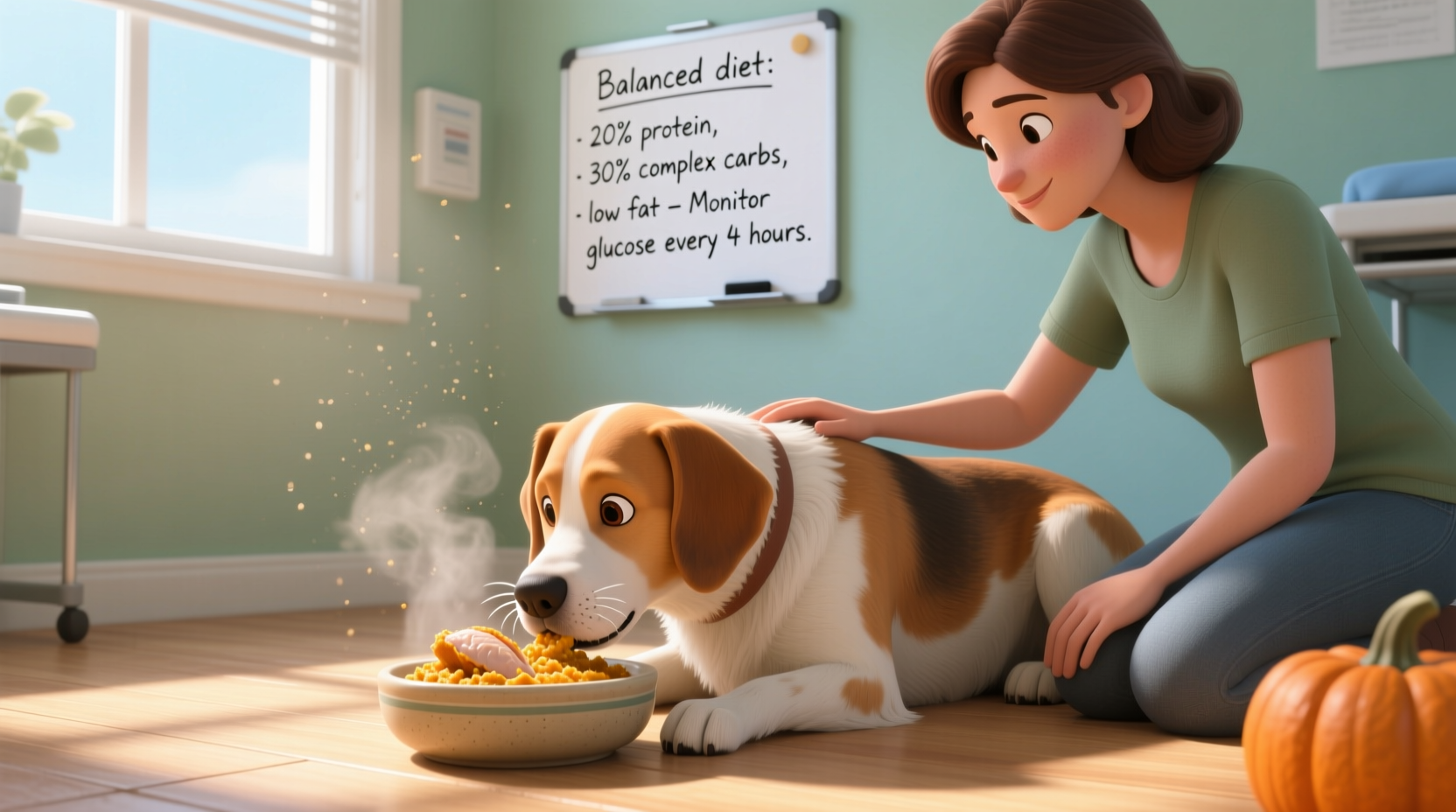
Diabetes mellitus in dogs requires strict dietary consistency to match insulin therapy. Sudden food changes can cause spikes or drops in blood glucose, increasing the risk of hypoglycemia or hyperglycemia. At the same time, diarrhea often calls for bland, easily digestible meals—which may be lower in fiber and higher in simple carbohydrates than ideal for diabetic regulation.
The key lies in finding a middle ground: a diet that soothes the gut while maintaining steady carbohydrate absorption and minimizing glycemic variability. Veterinarians emphasize that short-term dietary adjustments should still align with the dog’s long-term diabetic needs whenever possible.
“Balancing gastrointestinal recovery with diabetic stability requires precision. Not all ‘bland diets’ are appropriate for diabetic patients.” — Dr. Laura Simmons, DVM, Veterinary Internal Medicine Specialist
Nutritional Principles for Diabetic Dogs with Diarrhea
An effective feeding plan during episodes of diarrhea should meet several criteria:
- Low fat: Reduces pancreatic stimulation and supports intestinal healing.
- Moderate, high-quality protein: Preserves muscle mass without overloading the liver or kidneys.
- Controlled, complex carbohydrates: Provide sustained energy without rapid glucose spikes.
- Soluble fiber: Helps firm stools and supports healthy gut bacteria.
- High digestibility: Minimizes stool volume and irritation.
Avoid ingredients like white rice or boiled potatoes alone, which have a high glycemic index and can destabilize blood sugar. Instead, opt for formulations that balance digestibility with slow-release energy sources.
Tip: Introduce new foods gradually—even during illness—to prevent further digestive disruption.Recommended Feeding Protocol During Diarrhea
When diarrhea begins, immediate action is necessary, but abrupt food changes should be avoided. Follow this step-by-step timeline to transition safely into supportive feeding while monitoring glucose levels closely.
Step-by-Step Guide: First 72 Hours
- Hour 0–12: Withhold food for 12 hours if vomiting is present; otherwise, begin small portions of a modified diet. Continue water access unless vomiting is severe.
- Hour 12–24: Offer small meals (1/4 normal portion) every 4–6 hours using a vet-approved diabetic-friendly bland diet.
- Hour 24–48: Monitor stool consistency and glucose curves. If improvement occurs, gradually increase meal size while keeping frequency high.
- Hour 48–72: Begin transitioning back to regular diabetic food over 24–48 hours if diarrhea resolves.
Throughout this period, continue insulin as prescribed unless directed otherwise by a veterinarian. Never adjust insulin doses based on assumed food absorption without testing.
Sample Diabetic-Safe Bland Diet Recipe
A homemade option that balances digestibility and glycemic control:
- 1 part cooked lean chicken breast (skinless, unseasoned)
- 2 parts cooked barley or oat bran (not instant oats)
- Optional: 1 tsp canned pumpkin (unsweetened, puree only) per 10 lbs body weight for added soluble fiber
Portion sizes should mirror the dog’s usual caloric intake, divided into 4–6 small meals. This maintains insulin-glucose alignment while reducing intestinal load.
Do’s and Don’ts: Managing Diet During Episodes
| Do’s | Don’ts |
|---|---|
| Use low-fat, high-protein ingredients like skinless poultry or egg whites | Feed fatty meats like beef or pork, which can worsen diarrhea |
| Incorporate soluble fiber (e.g., psyllium husk, pumpkin, oat bran) | Use insoluble fiber sources like wheat bran or raw vegetables |
| Maintain consistent feeding times aligned with insulin peaks | Free-feed or allow irregular meal schedules |
| Monitor blood glucose before each meal and insulin dose | Guess insulin needs based on appetite or assumed digestion |
| Reintroduce regular food slowly over 2 days | Switch back abruptly once stool firms up |
Real-World Example: Managing Max, a 9-Year-Old Diabetic Poodle
Max, a 9-year-old Miniature Poodle diagnosed with diabetes two years prior, developed sudden diarrhea after eating spoiled food from the trash. His owner, concerned about both his loose stools and fluctuating glucose levels, consulted her veterinarian instead of starting a traditional chicken-and-rice diet.
The vet recommended a modified plan: boiled turkey breast with cooked barley and a small amount of canned pumpkin, fed in six small portions daily. Insulin was continued at the usual time, but glucose checks were increased to four times per day. Within 36 hours, Max’s stools began to firm, and his glucose readings remained within target range (150–250 mg/dL).
Over the next 48 hours, his regular prescription diabetic kibble was gradually reintroduced. By day five, Max was back on his normal routine with no relapse. This case illustrates how a thoughtful, balanced feeding strategy can address acute diarrhea without disrupting diabetic control.
Frequently Asked Questions
Can I use over-the-counter dog food for diarrhea in my diabetic pet?
Only if it’s specifically formulated for both gastrointestinal and metabolic health. Many commercial “sensitive stomach” diets contain high glycemic ingredients like corn or rice. Look for products labeled as suitable for diabetic dogs or consult your vet for brand recommendations such as Hill’s Prescription Diet w/d or Royal Canin Glycobalance Gastroenteric.
How long should I continue the bland diet?
No longer than 3–4 days unless directed by your veterinarian. Prolonged use of simplified diets can lead to nutrient deficiencies. Once stools normalize for 24–48 hours, begin transitioning back to the regular diabetic diet over one to two days.
Should I stop insulin if my dog isn’t eating much?
No. Never discontinue insulin without veterinary guidance. Even reduced food intake usually requires some insulin to prevent ketoacidosis. Your vet may advise lowering the dose slightly based on glucose readings, but skipping doses is dangerous.
Essential Checklist for Caregivers
Use this checklist during any episode of diarrhea in a diabetic dog:
- ✅ Check blood glucose before every insulin injection
- ✅ Withhold treats and table scraps
- ✅ Prepare a low-fat, moderate-carbohydrate bland diet
- ✅ Feed small, frequent meals aligned with insulin schedule
- ✅ Record stool frequency, consistency, food intake, and glucose levels
- ✅ Contact your vet if diarrhea persists beyond 48 hours or if vomiting, lethargy, or dehydration occurs
- ✅ Gradually reintroduce regular diabetic food after symptoms resolve
Conclusion: Prioritize Balance, Consistency, and Communication
Supporting a diabetic dog through diarrhea demands attention to detail, patience, and proactive communication with your veterinarian. The right feeding approach doesn’t mean choosing between gut health and glucose control—it means integrating both through gentle, balanced nutrition. By focusing on digestible proteins, controlled complex carbs, and soluble fiber, you can help your dog recover comfortably without risking metabolic crisis.
💬 Have experience managing diarrhea in a diabetic dog? Share your insights or questions in the comments—your story could help another pet owner navigate this delicate balance.








