Types of Gallons for Water Dispensers
A water dispenser gallon is a refillable container designed to store and deliver water to dispensers used in homes, offices, and commercial environments. The material and design of the gallon significantly impact water quality, durability, portability, and temperature retention. Based on market research and supplier data, several types dominate the industry, each offering unique advantages and trade-offs.
Plastic Gallon
Made from durable, food-safe plastics like polycarbonate or polyethylene, plastic gallons are the most widely used option due to their lightweight nature and compatibility with standard dispensers.
Advantages
- Lightweight and easy to handle
- Highly durable and shatter-resistant
- Watertight and compatible with most dispensers
- Excellent temperature stability (maintains cold/hot water)
- Affordable and widely available
Limitations
- Potential for microplastic leaching over time (especially with heat exposure)
- Can absorb odors if not cleaned properly
- Limited UV resistance (may degrade in sunlight)
Best for: Everyday home and office use, budget-conscious buyers, standard water dispensers
Glass Gallon
Known for purity and elegance, glass gallons eliminate concerns about chemical leaching and are often chosen for their aesthetic appeal and taste preservation.
Advantages
- No chemical leaching (BPA-free and non-reactive)
- Pure taste without plastic aftertaste
- Highly resistant to staining and odor absorption
- Eco-friendly and recyclable
- Visually appealing for modern interiors
Limitations
- Fragile and prone to breakage if dropped
- Significantly heavier than plastic (harder to lift and install)
- Higher cost compared to plastic alternatives
- Limited availability in standard sizes
Best for: Health-conscious users, upscale offices, homes with children (when securely mounted)
Stainless Steel Gallon
A premium option crafted from food-grade stainless steel, these gallons are built for durability, thermal efficiency, and long-term performance in commercial and high-end environments.
Advantages
- Exceptional durability and impact resistance
- Superior insulation (keeps water hot or cold for hours)
- Completely BPA-free and corrosion-resistant
- Hygienic surface that resists bacteria buildup
- Modern, industrial aesthetic ideal for commercial spaces
Limitations
- Most expensive option on the market
- Heavy and difficult to replace frequently
- Limited compatibility with standard dispenser necks
- May develop condensation in humid environments
Best for: High-end offices, medical facilities, industrial kitchens, and eco-conscious businesses
Collapsible Water Gallon
Made from flexible composite materials like PVC or TPU, collapsible gallons are designed for portability, emergency preparedness, and space-saving storage.
Advantages
- Space-efficient when empty (flattens for storage)
- Lightweight and ideal for travel or camping
- Great for emergency kits and disaster preparedness
- Reduces plastic waste with reusable designs
- Easy to transport and store in tight spaces
Limitations
- Less durable than rigid containers
- May retain odors over time
- Not suitable for hot water (material limitations)
- Limited compatibility with standard dispensers
Best for: Travelers, campers, emergency preparedness, temporary setups
Ceramic Gallon
A rare and niche option, ceramic gallons are often custom-made with antibacterial properties and excellent thermal mass, ideal for maintaining stable water temperatures.
Advantages
- Natural antibacterial properties (especially with glazed finishes)
- Excellent temperature retention due to high thermal mass
- Resistant to staining and odor absorption
- Unique, artisanal appearance enhances room decor
- Chemically inert—no leaching of substances
Limitations
- Extremely fragile and prone to cracking
- Very heavy, making installation difficult
- High cost and limited availability
- Specialized use only—rarely fits standard dispensers
Best for: Decorative installations, wellness centers, and specialty home setups
| Type | Durability | Portability | Temperature Retention | Best Use Case |
|---|---|---|---|---|
| Plastic | High | Excellent | Good | Home & office daily use |
| Glass | Low | Fair | Good | Aesthetic & health-focused settings |
| Stainless Steel | Very High | Fair | Excellent | Commercial & high-performance use |
| Collapsible | Medium | Excellent | Fair | Travel & emergency situations |
| Ceramic | Low | Poor | Very Good | Decorative & niche applications |
Expert Tip: When using plastic gallons, avoid exposing them to direct sunlight or high heat to minimize the risk of microplastic release. For stainless steel or glass options, ensure the dispenser neck is compatible with threaded or sealed connections to prevent leaks.
How to Choose the Right Gallon for Your Water Dispenser
Selecting the appropriate water gallon for your dispenser is more than just a matter of volume—it's a strategic decision influenced by health, cost, environmental impact, usage patterns, and practical handling. Whether you're outfitting a home, office, or commercial facility, understanding these factors ensures optimal performance, safety, and sustainability.
Water Quality and Material Safety
The material of the water gallon is paramount to ensuring clean, safe drinking water. Contamination risks increase when substandard plastics are used, especially under heat or prolonged storage. Always opt for containers made from BPA-free materials to avoid harmful chemical leaching.
Plastic (PET/Polycarbonate)
Polyethylene terephthalate (PET) and food-grade polycarbonate are widely used due to their clarity, strength, and resistance to impact. These plastics are lightweight and cost-effective, making them ideal for both disposable and reusable applications. However, repeated use can lead to micro-scratches that harbor bacteria unless properly sanitized.
Glass & Stainless Steel
For health-conscious users, glass and stainless steel offer superior purity. Glass does not leach chemicals and preserves water taste, while stainless steel provides excellent durability and thermal insulation. Though heavier and more expensive, these materials are increasingly favored in eco-friendly and high-end environments.
Capacity: Matching Size to Usage Needs
Water gallons come in various capacities, typically categorized as:
| Capacity Range | Volume (Gallons/Liters) | Best For |
|---|---|---|
| Small | 1–5 gal (3.8–19 L) | Home use, portable dispensers, low-traffic areas |
| Standard | 5–8 gal (19–30 L) | Offices, small businesses, moderate daily consumption |
| Large/Commercial | 8+ gal (30+ L) | High-traffic zones, restaurants, schools, industrial settings |
Choosing the right size depends on the number of users and frequency of use. Larger gallons reduce refill frequency but may be difficult to handle without proper lifting mechanisms. Smaller sizes offer convenience and portability, especially for personal or temporary setups.
Cost Considerations: Balancing Budget and Long-Term Value
Initial cost is a major factor, but long-term value should not be overlooked:
Plastic Gallons
Most affordable upfront, plastic gallons are economical for bulk purchases and short-term use. Reusable PET bottles can last 30–50 refills with proper care, offering a balance between cost and sustainability.
Stainless Steel & Glass
Higher initial investment, but these materials offer decades of service with minimal degradation. They are ideal for businesses aiming to reduce recurring supply costs and enhance brand image through sustainable practices.
Environmental Impact and Sustainability
Eco-conscious consumers and organizations are prioritizing reusable and recyclable options. Consider the following:
Durability and Ease of Handling
The physical characteristics of the gallon affect safety, convenience, and longevity:
Plastic
Lightweight and shatterproof, plastic gallons are easy to transport and install. Many feature ergonomic handles, spouts, or threaded caps for secure fitting. Ideal for households and offices where frequent changes are needed.
Glass & Steel
Heavier and more fragile (especially glass), requiring careful handling and stable dispensers. While less convenient for frequent replacement, they provide unmatched durability and aesthetic appeal. Use with dispensers designed to support their weight.
Important: Always verify compatibility between the gallon and your water dispenser model. Mismatched sizes or neck designs can lead to leaks, airlocks, or damage. Additionally, follow local health regulations for water storage—especially in commercial settings—to ensure safety and compliance.
Designs of Gallons for Water Dispensers
As water dispensers evolve to meet modern aesthetic and functional demands, the design of water gallons has undergone significant transformation. Today’s gallon designs not only ensure safe and hygienic water storage but also contribute to interior decor, space efficiency, and brand visibility. The shift from purely utilitarian models to innovative, stylish, and smart-enabled containers reflects changing consumer expectations in both residential and commercial environments.
Classic Blue Bottle Design
The iconic blue or clear plastic gallon remains the most widely recognized water container, especially in office buildings, schools, and public facilities. Made from durable polycarbonate or PET plastic, this design features a narrow neck that fits securely onto top-loading dispensers.
- Recognizable blue tint helps block UV light, preserving water quality and inhibiting algae growth
- Smooth cylindrical shape allows for easy handling and compatibility with standard dispensers
- Designed for reuse and recycling, often refilled up to 40 times in commercial operations
- Ideal for high-traffic environments where reliability and simplicity are key
Did you know? Over 80% of bottled water services still use this design due to its proven track record in safety and functionality.
Square or Rectangular Design
Engineered for optimal space utilization, square and rectangular gallons are gaining popularity in laboratories, industrial settings, and compact urban offices. These shapes minimize wasted space during storage and transportation.
- Stackable design reduces footprint by up to 30% compared to round bottles
- Commonly used in under-counter or side-loading dispensers where depth is limited
- Available in both plastic and glass variants for different durability and aesthetic needs
- Reduces shipping costs and carbon footprint due to tighter packing efficiency
Pro tip: These designs are ideal for narrow pantries or mobile hydration stations where space is at a premium.
Custom Graphics Design
Branded and visually customized gallons have become powerful marketing tools. Companies now use full-color printing, wraps, and labels to turn water containers into dynamic branding assets.
- Perfect for corporate events, trade shows, weddings, and promotional giveaways
- Logos, slogans, and themed artwork can be printed directly on recyclable sleeves or bottles
- Enhances brand visibility while providing a premium customer experience
- Eco-conscious options use biodegradable labels and non-toxic inks
Marketing advantage: A custom-designed gallon acts as a silent ambassador, reinforcing brand identity every time someone pours a glass of water.
Smart Cap Design
At the forefront of innovation, smart caps integrate IoT (Internet of Things) technology into traditional water gallons. These intelligent lids monitor usage and deliver real-time data through connected apps.
- Sensors track water level, temperature, and consumption patterns
- Bluetooth or Wi-Fi enabled caps send alerts when replacement is needed
- Used in wellness programs to encourage hydration in workplaces and fitness centers
- Supports sustainability goals by reducing over-ordering and waste
Tech insight: Some smart systems integrate with building management software to automate reordering and inventory tracking.
Artistic and Decorative Design
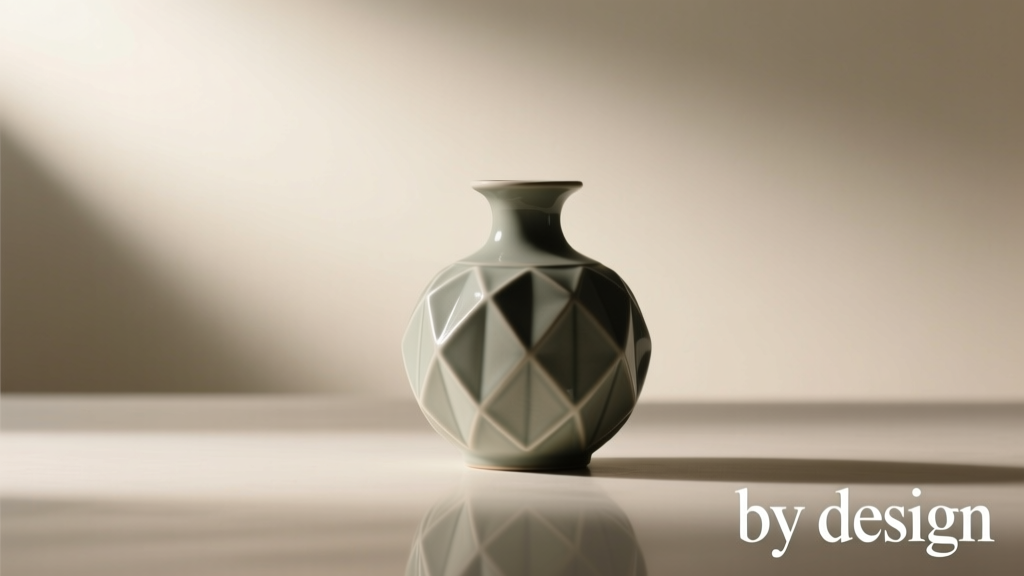
Elevating hydration to an art form, artistic gallons made from glass, ceramic, or handcrafted materials add elegance to upscale homes, boutique hotels, and luxury offices.
- Features hand-painted patterns, etched glass, or sculptural forms inspired by nature or modern art
- Available in rich colors and finishes—matte, glossy, metallic, or frosted
- Often paired with designer dispensers for a cohesive aesthetic statement
- Serves dual purpose: functional water storage and interior decor accent
Interior design tip: Choose artistic gallons in harmony with your room’s color scheme to create a focal point that blends utility with beauty.
Professional Insight: When selecting a gallon design, consider the environment first. For high-traffic offices, prioritize durability and compatibility with existing dispensers. For events or branding, custom graphics offer unmatched visibility. In tight spaces, square designs maximize efficiency. For luxury or wellness-focused settings, artistic or smart designs deliver both function and experience.
| Design Type | Best For | Material Options | Key Benefits |
|---|---|---|---|
| Classic Blue Bottle | Offices, schools, public facilities | Polycarbonate, PET plastic | Durable, UV-protected, widely compatible |
| Square/Rectangular | Compact spaces, labs, logistics | Plastic, tempered glass | Space-saving, stackable, efficient |
| Custom Graphics | Events, branding, promotions | Printed plastic, recyclable sleeves | High visibility, customizable, memorable |
| Smart Cap | Wellness programs, tech offices | Plastic with electronic components | Data tracking, automation, engagement |
| Artistic & Decorative | Luxury interiors, hospitality | Glass, ceramic, artisan materials | Aesthetic appeal, unique design, premium feel |
Additional Considerations When Choosing Water Gallon Designs
- Hygiene & Safety: Ensure materials are BPA-free and meet FDA or NSF standards for food contact
- Sustainability: Opt for reusable, recyclable, or biodegradable materials to support eco-friendly initiatives
- Dispenser Compatibility: Verify that the gallon shape and neck size match your dispenser model
- Weight & Handling: Full 5-gallon jugs weigh ~40 lbs—consider ergonomic designs or assistive tools for frequent changes
- Cost vs. Value: While artistic or smart designs have higher upfront costs, they may offer long-term branding or operational benefits
Specifications & Maintenance of Water Dispenser Gallons
Proper understanding of water dispenser gallon specifications and maintenance practices is essential for ensuring optimal performance, water quality, and extended lifespan. As Trevor emphasizes, regular care not only enhances cleanliness but also safeguards the taste and safety of your drinking water.
Important Note: The term "gallon" refers to the standard 5-gallon (18.9-liter) container commonly used in home and office water dispensers. Sizes and materials vary, and proper handling is critical to prevent contamination and maintain hygiene.
Common Water Gallon Specifications
Water dispenser gallons are typically designed to hold approximately 5 gallons (18.9 liters), though variations exist. Contrary to the mention of "five to eight inches," this likely refers to diameter rather than capacity. Standard dimensions for a 5-gallon water bottle are:
- Height: Approximately 19–22 inches (48–56 cm)
- Diameter: Around 5–8 inches (13–20 cm), depending on design
- Capacity: 5 U.S. gallons (18.9 liters) – the industry standard for most dispensers
Materials Used in Water Gallons
Gallons are manufactured from various materials, each with distinct advantages, care requirements, and longevity:
| Material | Key Features | Cleaning Recommendations | Lifespan |
|---|---|---|---|
| Plastic (PET/Polycarbonate) | Lightweight, shatter-resistant, cost-effective | Wash with warm, soapy water; avoid abrasive scrubbing or high heat | 1–2 years with regular use; replace if cloudy, scratched, or odorous |
| Glass | Non-porous, preserves water taste, eco-friendly | Clean with vinegar solution or glass cleaner; handle with care to prevent breakage | Nearly indefinite if not broken; ideal for long-term reuse |
| Stainless Steel | Durable, insulated options available, resistant to corrosion | Use non-abrasive cleaners; avoid chlorinated or acidic solutions that may damage finish | 5+ years; resistant to rust when properly maintained |
Detailed Maintenance Guidelines by Material
- Plastic Gallons
- Clean every 1–2 months or after each refill if used frequently
- Use mild dish soap and warm (not hot) water to prevent warping
- Rinse thoroughly to eliminate soap residue
- Air dry upside down on a clean rack to prevent dust accumulation
- Inspect for scratches or cloudiness—these can harbor bacteria and affect taste
- Glass Gallons
- Wash interior and exterior with a mixture of white vinegar and water (1:3 ratio)
- Use a bottle brush to reach inside without scratching
- Dry carefully with a lint-free cloth to avoid water spots
- Store in a cool, dry place away from direct sunlight to prevent algae growth
- Handle with both hands to reduce risk of dropping
- Stainless Steel Gallons
- Clean with a soft sponge and non-abrasive cleaner or baking soda paste
- Rinse completely to preserve the protective chromium oxide layer
- Never use steel wool or harsh chemicals that can cause pitting or corrosion
- For insulated models, avoid submerging the neck or cap area in water
- Regular polishing maintains shine and prevents spotting
Expert Tip: To sanitize your gallon thoroughly, use a solution of one tablespoon of unscented household bleach per gallon of water. Let it sit for 5–10 minutes, then rinse 3–4 times with clean water. This is especially recommended if the gallon has been stored for a long time or exposed to contaminants.
Lifespan & Replacement Guidelines
The durability of a water gallon depends on material, frequency of use, and cleaning practices:
- Plastic: Typically lasts 12–24 months. Replace if you notice persistent odors, stains, or surface degradation.
- Glass: Can last indefinitely with proper care. The main risk is breakage, so inspect for cracks regularly.
- Stainless Steel: Most durable option—can last 5 years or more. Resists rust when maintained properly and is ideal for high-traffic environments.
Best Practices for Optimal Performance
- Clean the gallon immediately after emptying to prevent bacterial growth
- Store unused gallons in a clean, dry, and dust-free environment
- Always cover the opening when not in use to minimize airborne contaminants
- Label reusable gallons with dates to track usage and cleaning cycles
- Pair gallon maintenance with regular cleaning of the water dispenser itself (spigots, drip trays, reservoirs)
By following these comprehensive maintenance guidelines, you ensure not only the longevity of your water dispenser gallons but also the purity and great taste of your drinking water. Consistent care supports hygiene, reduces waste, and promotes sustainable use—especially with reusable glass or stainless steel options. When in doubt about a gallon’s condition, err on the side of caution and replace it to protect health and performance.
Frequently Asked Questions About Water Gallons and Dispensers
Q1: Which water gallon material is the healthiest or safest option?When it comes to health and safety, not all water gallon materials are created equal. The best choices prioritize purity, durability, and resistance to chemical leaching.
- Glass: Considered one of the safest and most inert materials, glass does not leach chemicals into water, even when exposed to heat or long-term storage. It’s ideal for maintaining water purity and is fully recyclable.
- Stainless Steel: High-quality food-grade stainless steel (such as 304 or 18/8) is durable, non-toxic, and resistant to corrosion. It provides excellent protection against contamination and is a great option for both home and office use.
- Plastic (BPA-Free): While traditional plastics may contain BPA (bisphenol A), a chemical linked to health concerns, many modern water gallons are made from BPA-free polymers like PET or HDPE. These are safer but still less durable than glass or metal, especially under heat or prolonged use.
Tip: Always check for certifications like “BPA-Free,” “FDA-Approved,” or “Food-Grade” when selecting plastic containers to ensure safety.
Q2: Are decorative water gallons practical for commercial use?Decorative water gallons vary widely in functionality, and their suitability for commercial environments depends on design and construction.
- Commercial-Grade Decorative Units: Some stylish water dispensers are specifically engineered for office or business settings. These combine aesthetic appeal with durability, ease of cleaning, and compatibility with standard dispensers.
- Aesthetic-Only Designs: Highly ornamental or custom-shaped gallons—often used in homes or art installations—may not meet hygiene standards or fit standard dispensers, making them impractical for high-traffic commercial use.
- Hygiene & Maintenance: In commercial spaces, ease of sanitation is crucial. Smooth, non-porous surfaces and standard neck sizes are preferred to ensure safe, efficient refills and cleaning.
For businesses, it’s best to choose decorative models that don’t compromise on function, safety, or compliance with health regulations.
Q3: How often should the water dispenser gallon be replaced?The replacement frequency of a water gallon depends on its material, usage level, and maintenance practices. Regular inspection helps prevent contamination and ensures optimal performance.
| Material | Lifespan | Care Tips |
|---|---|---|
| Plastic (BPA-Free) | 6–12 months with regular use | Replace if cloudy, scratched, or difficult to clean. Scratches can harbor bacteria. |
| Glass | 3–5 years or longer | Handle with care to avoid cracks. Clean with mild detergents to preserve clarity. |
| Stainless Steel | 5+ years | Resistant to dents and corrosion. Inspect seals and lids regularly for wear. |
Regardless of material, gallons should be replaced immediately if they show signs of damage, persistent odors, or biofilm buildup.
Q4: Can I put hot water in a plastic water gallon?No, it is not recommended to pour hot water into plastic water gallons, even if they are labeled BPA-free.
- Material Degradation: Heat can cause plastic to warp, weaken, or release microscopic particles into the water.
- Chemical Leaching: Elevated temperatures increase the risk of leaching chemicals like phthalates or residual monomers, especially in lower-quality plastics.
- Safety Standards: Most plastic water gallons are designed for cold or room-temperature water only. For hot water dispensing, use containers made of heat-resistant glass or stainless steel that are explicitly rated for high temperatures.
Using the wrong container with hot water can compromise both safety and taste. Always follow manufacturer guidelines for temperature limits.
Q5: Are collapsible water gallons durable enough for camping?Yes, collapsible water gallons are specifically designed for portability and rugged outdoor use, making them an excellent choice for camping, hiking, and emergency preparedness.
- Material Strength: Made from flexible yet durable materials like food-grade TPU (thermoplastic polyurethane) or reinforced silicone, these containers resist punctures and abrasions.
- Space-Saving Design: When empty, they fold down to a fraction of their size, making them ideal for backpacks or compact storage.
- Versatility: Many models feature wide mouths for easy filling and cleaning, leak-proof caps, and measurement markings for precise water portioning.
- Limitations: While durable, they are not as impact-resistant as rigid containers. Avoid placing sharp objects inside or exposing them to extreme heat or direct sunlight for long periods.
For adventurers and emergency kits, collapsible water gallons offer a reliable, lightweight solution for storing and transporting water safely.









