
Choosing between a freshwater and saltwater aquarium can feel overwhelming for first-time fishkeepers. Both offer beauty, tranquility, and a rewarding hobby, but they differ significantly in complexity, cost, and maintenance. While many assume saltwater tanks are the pinnacle of aquatic display, they often come with steep learning curves. For beginners, the real question isn’t just about aesthetics—it’s about sustainability, practicality, and long-term enjoyment.
This guide breaks down the realities of both setups, comparing water chemistry, equipment needs, fish compatibility, and common pitfalls. Whether you're drawn to the vibrant corals of a reef tank or the peaceful simplicity of a community freshwater aquarium, understanding the true demands of each will help you avoid frustration and set up a thriving ecosystem from day one.
Understanding the Core Differences
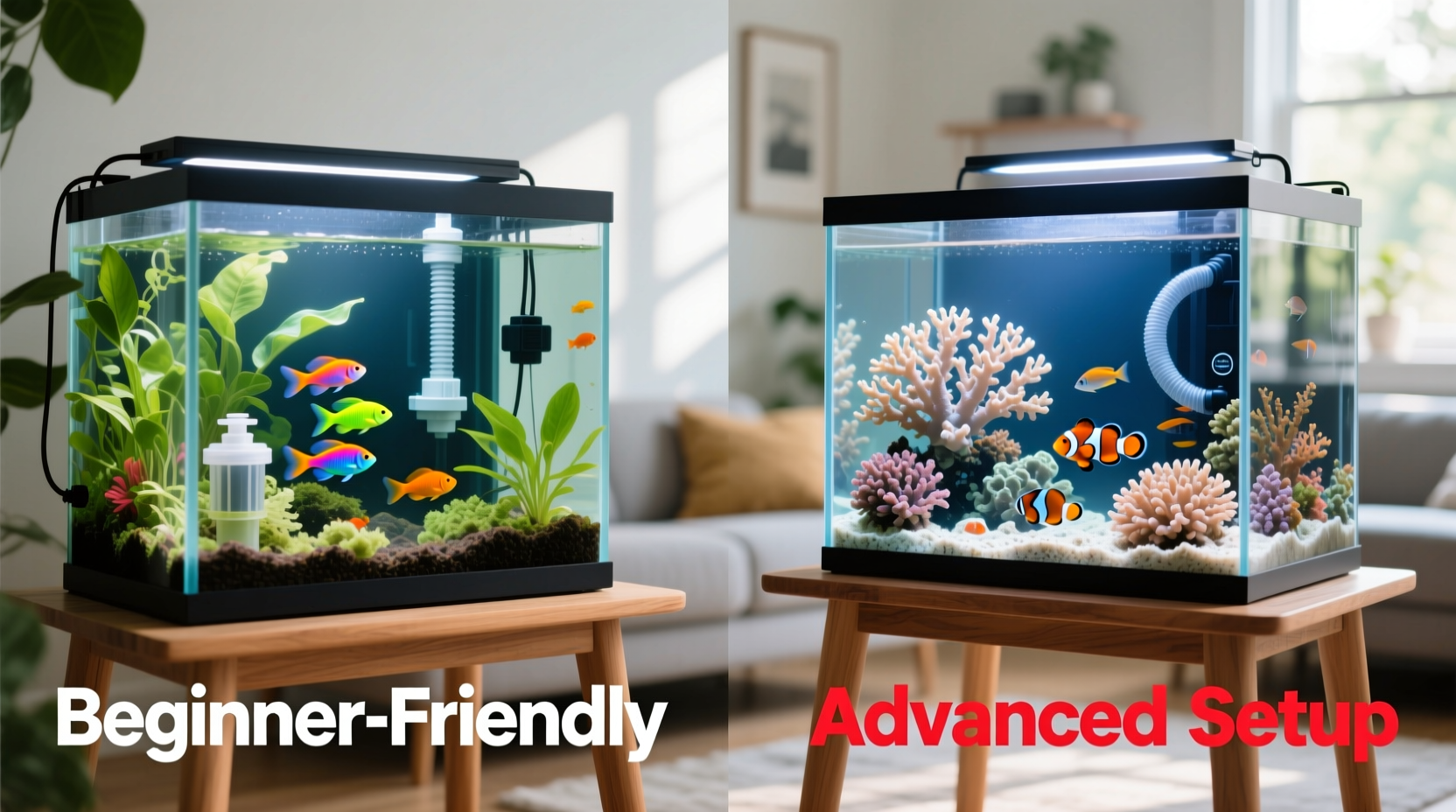
The most fundamental distinction lies in water composition. Freshwater aquariums use tap or purified water with minimal additives, while saltwater tanks require precise salinity levels achieved by mixing marine salt into purified water. This single difference cascades into nearly every other aspect of aquarium care.
Freshwater environments mimic rivers, lakes, and streams. They typically house species like tetras, guppies, cichlids, and bettas—fish that have evolved in variable conditions and tend to be hardy. Saltwater systems replicate coral reefs or oceanic zones, hosting delicate species such as clownfish, tangs, and invertebrates like snails and shrimp. These organisms demand stable, narrow parameters to survive.
Water stability is harder to maintain in saltwater due to the sensitivity of marine life. Even slight fluctuations in pH, salinity, or temperature can stress or kill inhabitants. Freshwater fish, by comparison, often tolerate minor changes better, making them more forgiving during the inevitable learning curve of a new hobbyist.
Cost Comparison: Initial and Ongoing Expenses
One of the most decisive factors for beginners is cost. While both types can become expensive at advanced levels, the entry point differs dramatically.
| Component | Freshwater (Approx.) | Saltwater (Approx.) |
|---|---|---|
| Tank (20–30 gallon) | $70–$120 | $70–$120 |
| Filtration System | $40–$80 | $100–$200 |
| Lighting | $30–$60 | $100–$300+ (reef-grade) |
| Heater | $25–$40 | $30–$50 |
| Substrate | $20–$40 | $50–$100 (live sand, aragonite) |
| Marine Salt Mix | N/A | $25–$40 per batch |
| Test Kits | $30–$50 (basic) | $80–$150 (comprehensive) |
| Protein Skimmer (saltwater essential) | N/A | $100–$300 |
| Initial Fish & Invertebrates | $50–$100 | $150–$300+ |
| Total Startup Cost | $300–$500 | $700–$1,500+ |
The data shows a clear financial gap. A basic freshwater setup can launch under $500 with reliable equipment. A comparable saltwater tank, especially if aiming for a reef display, often exceeds $1,000 before the first fish is added. Ongoing costs also favor freshwater: no recurring salt purchases, lower electricity usage, and fewer specialized supplements.
Tip: Always budget for high-quality test kits. Knowing your water parameters is non-negotiable in either system, but especially critical in saltwater.Maintenance Demands: Time and Skill Required
Time commitment is another major differentiator. Freshwater tanks generally require weekly water changes (10–25%), filter cleaning, and basic algae scraping. Testing for ammonia, nitrite, nitrate, and pH once a week is sufficient for most setups.
Saltwater tanks demand more frequent attention. In addition to weekly water changes, saltwater keepers must monitor salinity daily with a refractometer, top off evaporated water with fresh RO/DI water daily, and test for calcium, alkalinity, magnesium, and phosphate—especially in reef tanks. Protein skimmers need regular cleaning, and live rock requires careful observation for die-off or pests.
Even experienced aquarists find saltwater maintenance time-consuming. For someone new to the hobby, this level of routine can quickly become overwhelming, leading to lapses in care and tank crashes.
“Saltwater aquariums are not inherently harder, but they leave less room for error. Stability is everything.” — Dr. Laura Simmons, Marine Biologist and Aquarium Consultant
Step-by-Step: Setting Up Your First Tank
Whether you choose freshwater or saltwater, a structured approach increases your chances of success. Here’s a timeline for launching a healthy aquarium:
- Week 1: Research and Planning
Select tank size (20+ gallons recommended for beginners), decide on species, and research compatibility. Avoid overcrowding. - Week 2: Acquire Equipment
Purchase tank, stand, filter, heater, lighting, substrate, and test kits. For saltwater, include a protein skimmer, salt mix, and refractometer. - Week 3: Setup and Cycling
Assemble the tank, add substrate and water, install equipment, and begin the nitrogen cycle. Add a source of ammonia (e.g., pure ammonia or fish food) and wait 4–6 weeks until nitrites drop to zero and nitrates appear. - Week 7: First Livestock
Add only 1–2 hardy fish or invertebrates. Monitor water parameters closely for two weeks. - Week 9+: Gradual Stocking
Add more livestock slowly, allowing the biological filter to adjust. Never add too many at once. - Ongoing: Maintenance Routine
Perform weekly water tests, clean filters monthly, change 10–25% of water weekly, and observe fish behavior daily.
The cycling process is identical in principle for both systems, but saltwater tanks often take longer due to the sensitivity of live rock and the need for stable trace elements. Patience is crucial—rushing leads to algae blooms, disease outbreaks, and dead fish.
Realistic Success Rates: What Beginners Actually Experience
A mini case study illustrates the typical journey of two beginners:
Case Study: Freshwater vs. Saltwater Starter
Alex chose a 29-gallon freshwater aquarium stocked with neon tetras, Corydoras catfish, and an angelfish. After cycling for five weeks, he introduced fish gradually. He performed weekly 20% water changes, used a standard LED light, and tested water every Sunday. Within six months, his tank was lush with live plants and thriving fish. Minor algae issues were resolved with a cleanup crew of nerite snails.
Jamie opted for a 30-gallon saltwater reef tank, eager to see colorful corals and clownfish. She invested in a protein skimmer, reef lighting, and live rock. However, she underestimated the need for daily top-offs and skipped testing magnesium. By week eight, her small polyp stony (SPS) corals began receding, and aiptasia anemones exploded. After two months, a brown algae bloom took over due to phosphate imbalance. It took three more months and additional spending on chemical media and expert advice to stabilize the system.
Alex succeeded because freshwater allowed room for minor mistakes. Jamie struggled because saltwater offered none. Her dedication eventually paid off, but not without significant stress and cost.
Tip: Start simple. Even within freshwater, avoid aggressive or sensitive species like oscars or discus until you gain experience.Beginner-Friendly Species Comparison
Choosing the right livestock is key to early success. Some species are notoriously resilient; others are traps for novices.
- Freshwater (Recommended for Beginners):
- Platy fish – hardy, colorful, breed easily
- Harlequin rasboras – peaceful, adaptable
- Cherry barbs – low aggression, easy feeding
- Betta splendens (in heated, filtered tanks) – striking, but require solo housing
- Corydoras panda – excellent bottom cleaners
- Saltwater (Best for Beginners):
- Ocellaris clownfish – hardy, iconic, host anemones optional
- Firefish goby – peaceful, jumps-proof cover needed
- Peppermint shrimp – helps control pests, reef-safe
- Emerald crab – algae eater, good for cleanup
- Watchman goby – pairs well with pistol shrimp, entertaining behavior
Note: Many popular saltwater fish, such as mandarins or angelfish, are poor beginner choices due to specialized diets or aggression. Corals like zoanthids or mushroom corals are more forgiving than SPS or LPS varieties.
FAQ: Common Questions Answered
Can I convert a freshwater tank to saltwater later?
Yes, but it requires complete teardown and cleaning. Residual freshwater minerals, medications, or organic compounds can harm marine life. The tank, substrate, and decorations should ideally be replaced or thoroughly sanitized. It’s often easier to start fresh.
Do saltwater tanks really need a protein skimmer?
For fish-only or reef tanks, yes. A protein skimmer removes organic waste before it breaks down into harmful compounds like ammonia and nitrate. It’s one of the most effective tools for maintaining water quality in saltwater systems.
Is tap water safe for freshwater aquariums?
Most tap water is usable after dechlorination. Use a water conditioner to neutralize chlorine and chloramines. If your tap water has high phosphate, nitrate, or heavy metals, consider using reverse osmosis (RO) water, especially for planted tanks.
Final Checklist Before You Begin
Before purchasing any equipment, run through this checklist to ensure you’re prepared:
- ✅ Decide on tank size and location (avoid direct sunlight and high-traffic areas)
- ✅ Choose between freshwater or saltwater based on budget, time, and goals
- ✅ Research compatible, beginner-safe species
- ✅ Purchase all necessary equipment, including a reliable test kit
- ✅ Plan for a 4–6 week cycling period with no fish
- ✅ Set up a consistent maintenance schedule
- ✅ Join online forums or local clubs for support
Conclusion: Making the Right Choice for Long-Term Enjoyment
While saltwater aquariums offer breathtaking beauty, they are rarely the best starting point for beginners. The higher costs, stricter maintenance, and narrower margin for error make them challenging even for dedicated newcomers. Freshwater aquariums, by contrast, provide a forgiving environment where mistakes become learning opportunities rather than disasters.
Starting with freshwater doesn’t mean sacrificing beauty or interest. With live plants, thoughtful hardscaping, and vibrant fish, a freshwater tank can be just as captivating as its marine counterpart. Mastery comes with time. Once you’ve maintained a stable freshwater system for a year, transitioning to saltwater becomes a realistic and exciting next step.
The goal isn’t to build the most impressive tank on day one—it’s to build one that thrives. Sustainability beats spectacle. Choose the path that allows you to learn, grow, and enjoy the process. Your future self—and your fish—will thank you.
🚀 Ready to start your aquarium journey? Begin with a 20-gallon freshwater tank, master the basics, and share your progress with fellow hobbyists. The underwater world awaits—start simple, stay consistent, and let your confidence grow with your tank.








