
For decades, dry kibble has been the default choice for feeding dogs. It’s convenient, shelf-stable, and widely available. But in recent years, fresh dog food—offered as pre-portioned meals made with whole ingredients—has surged in popularity. Proponents claim it leads to shinier coats, better digestion, and longer lifespans. However, this comes at a premium: fresh food can cost two to three times more than high-quality kibble. So, is the higher price justified by tangible health benefits? The answer isn’t simple, but it lies in understanding what each diet offers, how your dog responds, and what long-term value means for both pet and owner.
Nutritional Differences: What’s Really in Each Bowl?
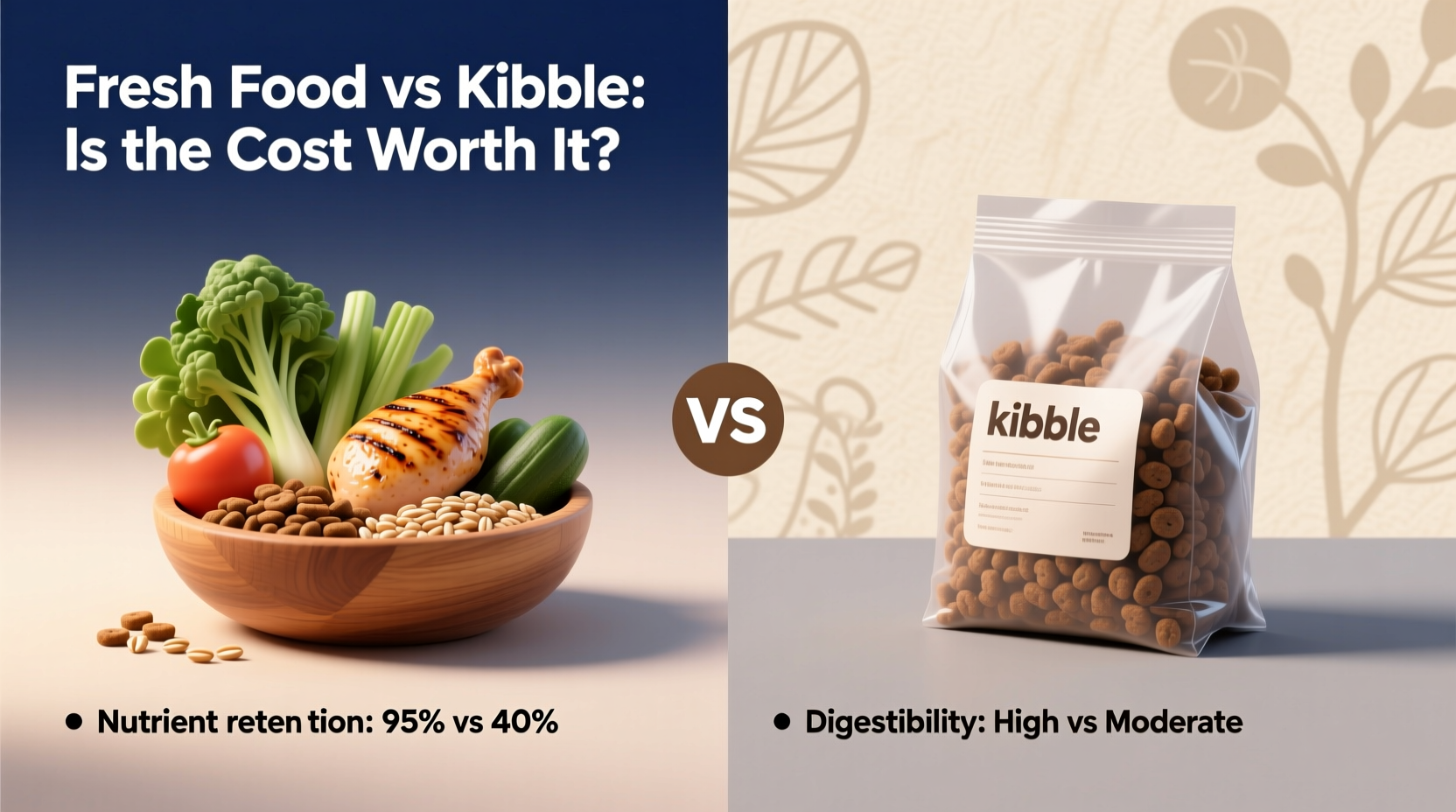
The most significant distinction between fresh dog food and kibble lies in processing and ingredient quality. Kibble is typically extruded—cooked under high heat and pressure—then dried into pellets. This process allows for long shelf life but often degrades heat-sensitive nutrients like vitamins and essential fatty acids. To compensate, synthetic nutrients are added back post-cooking.
Fresh dog food, on the other hand, is gently cooked (often using sous-vide or low-temperature methods), flash-frozen, or refrigerated. It uses whole meats, vegetables, and grains without heavy reliance on fillers or artificial additives. Because it's not subjected to extreme processing, nutrients remain more bioavailable.
| Aspect | Fresh Dog Food | Kibble |
|---|---|---|
| Processing Method | Gentle cooking, minimal processing | High-heat extrusion |
| Main Ingredients | Whole meats, vegetables, legumes | Meat meals, grains, by-products |
| Additives | Few or none; natural preservatives | Synthetic vitamins, artificial colors/flavors |
| Water Content | 60–75% | 8–12% |
| Shelf Life | 2–3 weeks refrigerated; up to 1 year frozen | 6–18 months unopened |
The moisture content alone makes a difference. Dogs don’t always drink enough water, especially if fed only dry food. Chronic mild dehydration can contribute to urinary tract issues and kidney strain over time. Fresh food helps maintain hydration naturally.
Tip: If switching from kibble to fresh food, gradually introduce it over 7–10 days to avoid digestive upset.Health Benefits: Real Results or Marketing Hype?
Anecdotal evidence from pet owners is overwhelmingly positive. Many report improvements within weeks: reduced itching, smaller stools, increased energy, and improved breath. But what does science say?
A 2022 study published in *PLOS ONE* analyzed over 200 dogs fed either commercial kibble or fresh, human-grade diets. After one year, dogs on fresh food showed significantly better body condition scores, lower inflammation markers, and improved gut microbiome diversity. While not a controlled clinical trial, the data suggests meaningful physiological changes.
Veterinarian Dr. Karen Becker, a proactive care advocate, emphasizes that diet is foundational to wellness:
“Food is medicine. When you feed a species-appropriate, minimally processed diet, you're giving the body the tools it needs to prevent disease—not just manage symptoms.” — Dr. Karen Becker, DVM
Specific health areas where fresh food may offer advantages include:
- Digestive Health: Whole ingredients and higher moisture support healthy digestion. Smaller, less frequent stools are commonly reported.
- Skin & Coat: Natural omega-3s from fish or flaxseed improve skin barrier function and reduce shedding.
- Dental Health: Contrary to popular belief, kibble doesn’t clean teeth. In fact, starchy kibble can promote plaque. Fresh food, especially raw-inclusive blends, may reduce tartar buildup due to enzymes and lack of carbohydrates.
- Immune Function: Fewer artificial preservatives and additives mean less immune system burden.
That said, not all fresh foods are created equal. Some brands use low-quality proteins or excessive starches. Always read labels and look for AAFCO compliance, even with fresh options.
Cost Breakdown: How Much More Are You Really Paying?
Let’s put numbers to the debate. For a 50-pound dog:
- Premium kibble: $3–$5 per day ($90–$150/month)
- Fresh food delivery: $8–$12 per day ($240–$360/month)
That’s an extra $150–$210 per month—or $1,800 to $2,500 annually. Over a 10-year lifespan, that totals nearly $25,000 more spent on food alone.
But consider potential savings elsewhere:
- Fewer vet visits due to chronic allergies or gastrointestinal issues
- Reduced need for supplements (e.g., probiotics, fish oil)
- Lower dental cleaning costs (average professional cleaning: $300–$700 every 1–2 years)
- Potential delay in age-related diseases, possibly extending quality lifespan
One owner, Sarah M., switched her Labrador, Max, to fresh food after recurring ear infections and soft stools. “Within six weeks, his ears were clear, his coat was softer, and he stopped licking his paws constantly. His vet even commented on his improved weight distribution. Yes, I pay more upfront, but I’ve saved over $800 in vet bills in the first year alone.”
Mini Case Study: Bella the Border Collie
Bella, a 4-year-old Border Collie, had persistent diarrhea and low energy despite eating a grain-free premium kibble. Her owner consulted a veterinary nutritionist who recommended switching to a fresh, limited-ingredient diet with duck and sweet potato. Within three weeks, Bella’s stool normalized, her energy returned, and she gained muscle mass. Blood work six months later showed improved liver enzyme levels. While the monthly food cost rose from $110 to $290, her owner noted fewer supplement purchases and no emergency vet visits—previously averaging $400/year.
How to Make Fresh Feeding Financially Sustainable
You don’t have to go 100% fresh to see benefits. Many owners adopt hybrid models or optimize their approach to reduce costs without sacrificing nutrition.
- Mix fresh with kibble: Start with 25–50% fresh food blended into regular meals. This improves palatability and nutrient density while keeping costs manageable.
- Cook at home (with guidance): Homemade meals can be cheaper, but they must be balanced. Work with a veterinary nutritionist to formulate recipes. Poorly balanced diets can cause long-term harm.
- Buy in bulk or subscribe: Most fresh food companies offer discounts (10–20%) for auto-delivery subscriptions. Plan portions carefully to avoid waste.
- Compare brands: Not all fresh food is equally priced. Some brands offer smaller portion sizes or budget lines. Look for transparent sourcing and AAFCO statements.
- Use during critical life stages: Feed fresh food during puppyhood, senior years, or recovery from illness when nutritional demands are highest.
Checklist: Is Fresh Food Right for Your Dog?
Before making the switch, evaluate these factors:
- ✅ Does your dog have food sensitivities, skin issues, or chronic digestive problems?
- ✅ Are you able to store frozen or refrigerated food consistently?
- ✅ Can your budget accommodate a 50–100% increase in food costs?
- ✅ Are you committed to gradual transition and monitoring your dog’s response?
- ✅ Have you consulted your vet, especially if your dog has medical conditions?
If most answers are yes, fresh food could be a valuable investment. If not, consider starting with a high-quality kibble enhanced with fresh toppers like scrambled eggs, steamed vegetables, or plain cooked chicken.
Frequently Asked Questions
Can fresh dog food extend my dog’s lifespan?
There is no definitive proof that fresh food directly extends lifespan, but it supports overall health—better digestion, stronger immunity, healthier weight—which can contribute to a longer, higher-quality life. Preventative nutrition plays a key role in delaying age-related diseases.
Isn’t kibble easier for dental health?
This is a common myth. Studies show kibble doesn’t effectively clean teeth. The crunch is mostly superficial, and the starches in kibble can actually feed bacteria that cause plaque. Dental health depends more on genetics, chew toys, and professional cleanings than diet texture.
Are there risks to feeding fresh food?
Potential risks include bacterial contamination (if not handled properly) and nutritional imbalances (especially in homemade diets). Choose reputable brands that follow safety protocols and test for pathogens. Avoid raw diets if your dog has a compromised immune system or lives with vulnerable individuals.
Conclusion: Value Beyond the Price Tag
The decision between fresh food and kibble isn’t just about dollars and cents—it’s about defining what you value in your dog’s health journey. If your priority is convenience and predictability, high-quality kibble remains a viable, nutritious option. But if you’re seeking optimal vitality, improved digestion, and proactive wellness, fresh food offers measurable benefits that may offset its higher cost over time.
Think of it as preventive healthcare. Spending more on food today might reduce medical expenses tomorrow. And for many pet owners, seeing their dog thrive—more energetic, clearer eyes, healthier coat—is worth every extra dollar.
💬 Have you tried fresh dog food? Share your experience, cost insights, or tips in the comments below—your story could help another pet parent make a confident choice.








