Dog owners today face a growing dilemma: should they stick with traditional kibble or invest in fresh, human-grade dog food? With fresh options often costing two to three times more than premium kibble, many pet parents wonder whether the price hike translates into meaningful health improvements. The answer isn’t straightforward—it depends on your dog’s age, breed, activity level, and existing health conditions. This article breaks down the science, economics, and real-life impacts of both diets to help you make an informed decision.
Nutritional Composition: What's Really in the Bowl?
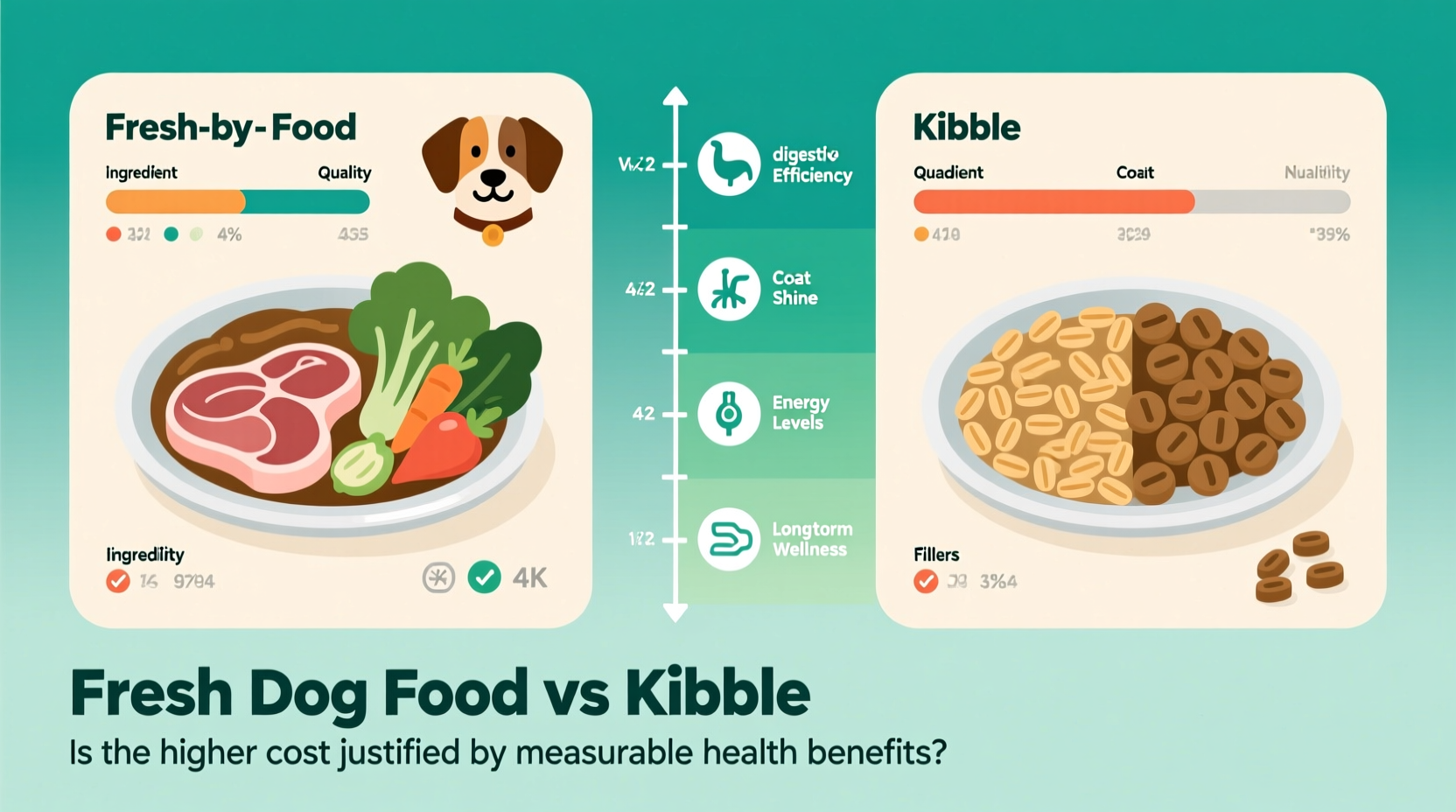
The foundation of any dog food evaluation lies in its ingredients and nutrient bioavailability. Kibble has long dominated the market due to convenience and shelf stability, but its processing methods can affect nutritional integrity. Most kibble undergoes extrusion—a high-heat process that shapes dry pellets from ground ingredients. While this extends shelf life, it can degrade heat-sensitive nutrients like certain vitamins and essential fatty acids.
In contrast, fresh dog food typically uses gently cooked or raw ingredients, preserving more natural enzymes and nutrients. These meals often contain higher percentages of animal protein, fewer fillers (like corn or soy), and no artificial preservatives. Many fresh brands also tailor recipes to specific life stages or health needs, such as weight management or sensitive digestion.
Tip: Always check ingredient lists for whole foods rather than vague terms like “meat meal” or “animal digest.”Key Nutrient Differences
| Nutrient | Fresh Dog Food | Kibble |
|---|---|---|
| Protein Source Quality | Whole meats (chicken, beef, turkey) | Often meat meals or by-products |
| Moisture Content | 60–75% | 8–12% |
| Carbohydrate Fillers | Rare or minimal | Common (corn, wheat, soy) |
| Vitamin Retention | Higher due to lower processing heat | Lower; requires synthetic supplementation |
| Omega-3 Fatty Acids | Premium sources (salmon oil, flaxseed) | Often limited or oxidized during cooking |
The moisture content alone makes a significant difference. Dogs don't always drink enough water, especially if fed exclusively dry food. Chronic low hydration may contribute to urinary tract issues and kidney stress over time. Fresh food naturally increases daily water intake, supporting better organ function.
Veterinary Insights: What Do Experts Say?
“While kibble can meet AAFCO standards, not all nutritionally adequate food is optimal. I’ve seen dogs with chronic skin allergies, dull coats, and gastrointestinal sensitivities improve dramatically after switching to fresh diets—even when their kibble was labeled ‘premium’.” — Dr. Lena Torres, DVM, Board-Certified Veterinary Nutritionist
Veterinarians increasingly acknowledge that commercial kibble, while safe and convenient, may not be ideal for every dog. Conditions like inflammatory bowel disease, obesity, and dermatitis often respond well to dietary changes. In clinical practice, removing processed carbohydrates and increasing whole-food protein frequently reduces symptoms without medication.
However, experts caution against assuming all fresh foods are superior. Some boutique brands lack rigorous testing or balanced formulations. A 2021 study published in the *Journal of the American Veterinary Medical Association* found that nearly 50% of fresh commercial diets reviewed were deficient in at least one essential nutrient unless supplemented.
The takeaway: quality matters more than category. A well-formulated kibble can outperform a poorly balanced fresh option. Always look for products developed with veterinary nutritionists and third-party lab testing.
Real-World Impact: A Mini Case Study
Meet Max, a 6-year-old Labrador Retriever adopted from a shelter at age three. From the start, Max struggled with itchy skin, ear infections, and soft stools. His owner, Sarah, rotated through five different \"sensitive skin\" kibbles over two years with only temporary relief. After consulting a veterinary dermatologist, she decided to try a fresh food subscription service focused on limited-ingredient recipes.
Within six weeks on a fresh diet featuring duck, sweet potato, and quinoa, Max’s coat became noticeably shinier. His itching decreased by over 70%, and his stools firmed up consistently. Blood work at his next checkup showed improved liver enzyme levels and reduced inflammatory markers. While the monthly cost rose from $60 to $140, Sarah noted fewer vet visits and less spending on medicated shampoos and probiotics.
This case illustrates how individual response varies—but also how diet can act as preventive medicine. For dogs with ongoing health concerns, the higher upfront cost of fresh food may offset downstream medical expenses.
Cost Analysis: Breaking Down the Numbers
Let’s compare typical annual feeding costs for a 50-pound adult dog:
- Premium Kibble: $3.50–$5.00 per pound → ~$40/month → $480/year
- Fresh Dog Food: $2.50–$4.00 per meal (2 meals/day) → ~$150–$240/month → $1,800–$2,900/year
That’s a difference of $1,300 to $2,400 annually. For most households, this is substantial. However, consider these offsetting factors:
- Reduced vet bills: Fewer allergy flare-ups, digestive issues, or obesity-related conditions.
- Lower supplement use: Many fresh diets include added glucosamine, probiotics, or omega oils, eliminating the need for extras.
- Longer lifespan potential: Better nutrition may delay age-related decline, extending healthy years.
A 2023 consumer survey by PetFoodIndustry.com found that 62% of fresh food users reported fewer illness-related vet visits over a 12-month period compared to when their dogs ate kibble. While correlation doesn’t equal causation, the trend suggests broader wellness benefits.
Smart Ways to Reduce Fresh Food Costs
Tip: Mix fresh food with high-quality kibble to balance cost and nutrition—start with 25% fresh and adjust upward as budget allows.- Choose subscription models with discounts (often 10–20% off).
- Buy in bulk or prepare partially homemade meals under veterinary guidance.
- Look for regional brands with lower shipping fees.
Transitioning Safely: A Step-by-Step Guide
Switching diets too quickly can cause gastrointestinal upset. Follow this timeline for a smooth transition:
- Days 1–2: Feed 25% fresh food + 75% current kibble.
- Days 3–4: Increase to 50% fresh + 50% kibble.
- Days 5–6: Use 75% fresh + 25% kibble.
- Day 7 onward: Full transition to fresh food.
Monitor your dog closely for vomiting, diarrhea, or appetite changes. If adverse reactions occur, slow the process and consult your veterinarian. Sensitive dogs may require a 10–14 day transition.
Also, ensure portion sizes are adjusted correctly. Fresh food is denser in calories and moisture, so volume will differ from kibble. Use the feeding calculator provided by the brand and re-evaluate body condition weekly.
Checklist: Is Fresh Food Right for Your Dog?
Use this checklist to assess whether the switch makes sense for your household:
- ✅ Does your dog have chronic digestive issues, allergies, or a dull coat?
- ✅ Are you willing to store perishable food and adhere to refrigeration guidelines?
- ✅ Can your budget accommodate a moderate increase in feeding costs—or allow for partial mixing?
- ✅ Have you researched brands with transparent sourcing and AAFCO compliance statements?
- ✅ Is your vet supportive of dietary changes and available for follow-up bloodwork if needed?
If you answered yes to most of these, fresh food could offer tangible benefits. If logistical or financial constraints dominate, a high-quality kibble with added moisture (like bone broth or water) remains a viable, healthy choice.
Frequently Asked Questions
Can I mix kibble and fresh food every day?
Yes, and many owners do so successfully. Mixing allows gradual introduction and cost management. Just ensure the combined diet meets your dog’s caloric and nutrient needs. Avoid free-feeding when mixing, as dogs may pick out preferred components.
Does fresh food reduce tartar buildup?
Not necessarily. While some claim raw or textured fresh foods clean teeth, most veterinary dentists emphasize that chewing mechanics matter more than food type. Dental chews, brushing, and professional cleanings remain key. In fact, sticky fresh foods may cling to teeth more than kibble if oral hygiene is neglected.
Is fresh dog food safer than raw or homemade diets?
Commercially prepared fresh food is generally safer than DIY raw diets, which carry risks of bacterial contamination (e.g., Salmonella, Listeria) and nutritional imbalances. Reputable fresh brands pasteurize or use high-pressure processing (HPP) and formulate with veterinary input.
Conclusion: Balancing Value and Vitality
The gap between fresh dog food and kibble isn’t just about price—it reflects differing philosophies of pet care. Kibble offers efficiency and proven safety for millions of dogs. Fresh food represents a shift toward whole-ingredient, biologically appropriate nutrition that mirrors what dogs might consume in more natural settings.
For some dogs, particularly those with health challenges or finicky appetites, the investment in fresh food pays off in vitality, fewer vet visits, and improved quality of life. For others, a thoughtfully selected kibble—paired with added moisture and occasional fresh toppers—delivers excellent results at a lower cost.
The true measure of justification isn’t solely in the bag’s price tag, but in your dog’s energy, coat shine, stool quality, and longevity. If you’re considering a change, start small. Try a sample pack. Track changes in behavior and health. Consult your vet. Make decisions based on evidence, not marketing.
🚀 Ready to explore fresh options? Request a personalized feeding plan from a certified canine nutritionist or try a trial box from a reputable brand. Your dog’s next chapter of health could begin with their next meal.








