
Visible veins on the forehead are a common concern that many people experience at some point. While they’re often harmless, their sudden prominence can cause alarm. These bulging veins may appear during physical exertion, stress, or even at rest. Understanding the underlying causes, knowing when it’s a sign of something more serious, and learning how to manage or prevent them is essential for both peace of mind and long-term health.
Why Do Forehead Veins Become Prominent?
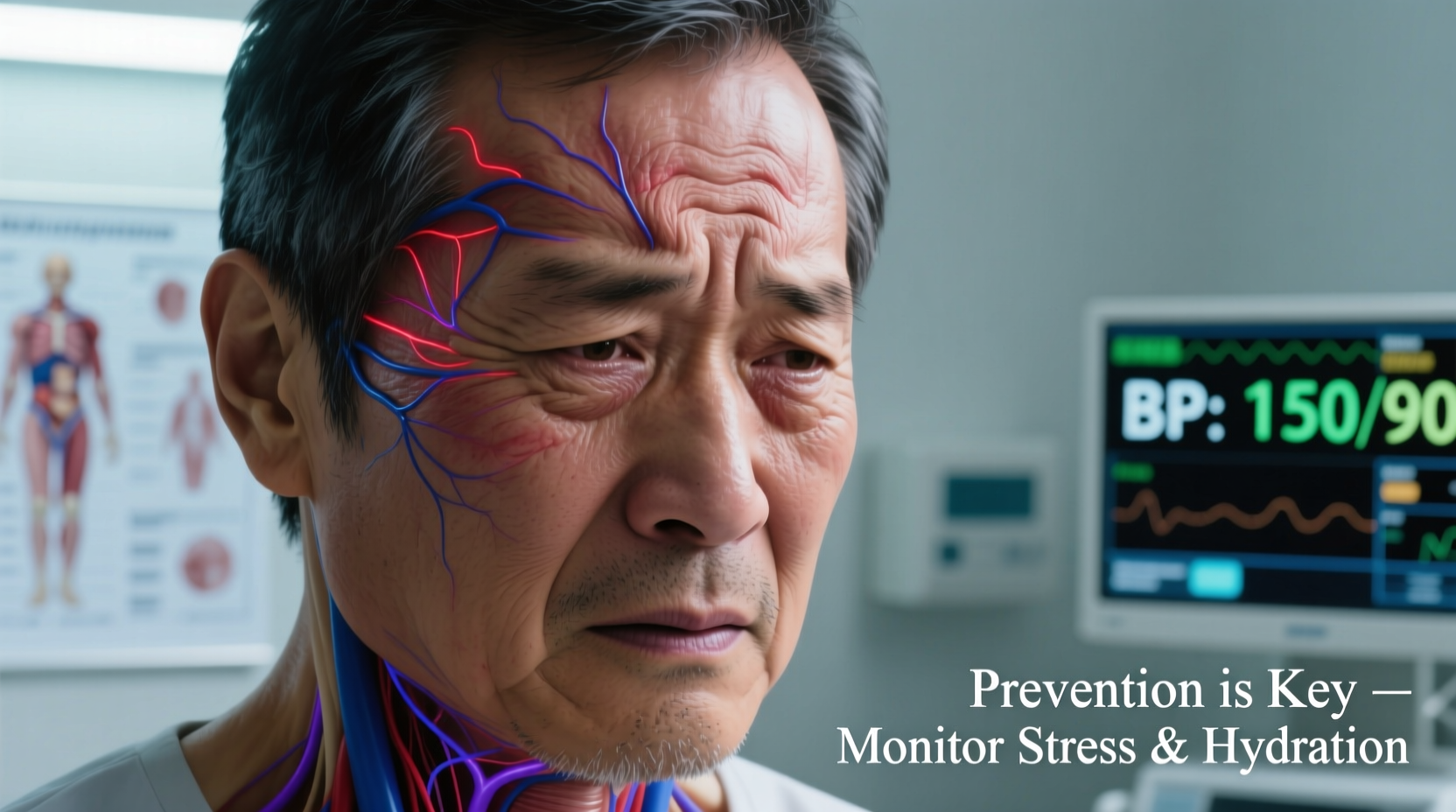
The human body contains an extensive network of veins responsible for returning deoxygenated blood to the heart. On the forehead, these veins lie just beneath the skin and can become more visible due to various physiological and environmental factors. The thinness of facial skin, especially with age, makes these vessels more noticeable compared to other areas of the body.
One primary reason for temporary vein protrusion is increased blood pressure within the vascular system. During activities like lifting heavy objects, straining, coughing, or intense exercise, intrathoracic pressure rises. This pressure is transmitted through the circulatory system, causing veins in the head and neck to swell momentarily.
Additionally, individuals with lower body fat or fair skin may naturally have more visible veins. Genetics also play a role—some people inherit thinner skin or more prominent vasculature. Dehydration can contribute by reducing blood volume and making veins appear more defined as the skin loses plumpness.
Tip: If your forehead veins appear only during exertion and fade quickly afterward, it’s likely a normal physiological response—not a cause for concern.Medical Conditions Associated With Persistent Forehead Vein Visibility
While occasional visibility is normal, consistently bulging forehead veins could signal an underlying condition. It’s important to distinguish between benign causes and those requiring medical evaluation.
Hypertension (high blood pressure) is one such condition. Chronic elevated blood pressure forces the heart to work harder, increasing strain on blood vessels throughout the body—including those in the face. Over time, this can lead to persistent dilation of superficial veins.
Intracranial hypertension, or increased pressure within the skull, may also manifest with prominent facial veins. Other symptoms include headaches, vision changes, nausea, and pulsatile tinnitus (a rhythmic whooshing sound in the ears). This condition requires prompt diagnosis and management to prevent complications like optic nerve damage.
Superior vena cava syndrome, though rare, involves obstruction of the large vein that returns blood from the upper body to the heart. Tumors or blood clots can cause this blockage, leading to facial swelling, distended neck and forehead veins, and difficulty breathing. This is a medical emergency.
“Persistent or asymmetrical vein prominence on the forehead, especially when accompanied by headache or visual disturbances, warrants neurological assessment.” — Dr. Lena Patel, Vascular Neurologist, Cleveland Clinic
Effective Treatment Options
Treatment depends entirely on the root cause. For most people with no underlying pathology, no intervention is necessary. However, if appearance or discomfort is a concern, several options exist.
Lifestyle Modifications
Reducing strain-inducing behaviors—such as heavy weightlifting with improper form, chronic coughing, or prolonged straining during bowel movements—can minimize episodes of vein engorgement.
Beverage & Hydration Adjustments
Maintaining proper hydration helps regulate blood viscosity and volume. Aim for 8–10 glasses of water daily, adjusting for climate and activity level. Limit alcohol and caffeine, which can contribute to dehydration and vasodilation.
Medical Interventions
- Antihypertensives: If high blood pressure is diagnosed, medications like ACE inhibitors or beta-blockers may be prescribed.
- Weight Management: Obesity increases venous pressure; losing excess weight reduces systemic strain.
- Sclerotherapy (off-label use): Though typically used for leg veins, some dermatologists perform micro-sclerotherapy on facial veins using diluted solutions. This should only be done by experienced professionals due to risks of scarring or skin discoloration.
- Laser Therapy: Pulsed dye lasers target hemoglobin in blood vessels, collapsing small superficial veins without damaging surrounding tissue. Multiple sessions may be needed.
Prevention Strategies and Daily Habits
Preventing excessive vein prominence involves managing internal pressure and supporting vascular health. Here's a practical checklist:
Checklist: Preventing Forehead Vein Prominence- Maintain healthy blood pressure through diet and exercise
- Stay well-hydrated throughout the day
- Avoid breath-holding during physical effort (use proper Valsalva maneuver techniques)
- Limit intake of vasoactive substances (e.g., nicotine, excessive caffeine)
- Practice stress-reduction techniques like deep breathing or meditation
- Use sunscreen daily to preserve skin elasticity and thickness
- Consult a doctor if bulging veins persist at rest
Real-Life Example: Mark’s Experience
Mark, a 38-year-old fitness instructor, began noticing his forehead veins becoming increasingly prominent after starting a new strength-training program. Initially unconcerned, he grew uneasy when the veins remained visible even when resting. A routine check-up revealed mildly elevated blood pressure (142/94 mmHg). After modifying his training intensity, improving sleep hygiene, and adopting a low-sodium diet, his readings normalized—and the vein visibility decreased significantly within six weeks. His case underscores how lifestyle factors can directly influence vascular presentation.
Do’s and Don’ts: Managing Visible Forehead Veins
| Do | Don’t |
|---|---|
| Monitor your blood pressure regularly | Ignore persistent swelling or pain around the temples |
| Use cold compresses to reduce temporary swelling | Attempt DIY vein removal methods |
| Wear breathable clothing during workouts | Strain excessively during lifting or bowel movements |
| Seek medical advice if asymmetry develops | Rely solely on cosmetic fixes without ruling out medical causes |
| Protect skin from UV damage | Smoke or use tobacco products |
Frequently Asked Questions
Are bulging forehead veins dangerous?
Not always. Temporary bulging during exertion is normal. However, if veins remain prominent at rest, are one-sided, or come with headaches, dizziness, or vision issues, consult a healthcare provider to rule out hypertension or neurological conditions.
Can I make my forehead veins less visible naturally?
Yes. Staying hydrated, managing stress, avoiding extreme temperatures, and protecting your skin from sun damage can help maintain skin thickness and reduce vein contrast. Regular cardiovascular exercise improves overall circulation and venous tone.
Is it safe to get laser treatment for forehead veins?
When performed by a board-certified dermatologist or vascular specialist, laser therapy is generally safe. However, facial skin is delicate, and improper settings can cause burns, scarring, or pigment changes. Always undergo a thorough consultation first.
Conclusion: Know Your Body, Take Control
Bulging forehead veins are often a benign reflection of physical effort or individual anatomy. But they can also serve as early warning signs of systemic issues like high blood pressure or vascular obstruction. Being informed allows you to respond appropriately—whether that means adjusting your workout routine, improving hydration, or seeking professional evaluation.
Vascular health is not just about the heart and legs; it extends to every part of the body, including the face. Pay attention to patterns, track changes, and don’t dismiss persistent symptoms. Small shifts in daily habits can yield significant improvements in both appearance and overall wellness.
💬 Have you noticed changes in vein visibility? Share your experience or questions below. Your story might help someone recognize a symptom they’ve overlooked.








