
A hazy or milky appearance in your aquarium can be frustrating—especially when you've invested time and care into creating a vibrant underwater environment. Cloudy water doesn’t just look unappealing; it can signal underlying issues that threaten the health of your fish and plants. The good news is that most causes of foggy water are preventable and treatable with straightforward solutions. Understanding what’s behind the cloudiness allows you to take targeted action and restore clarity quickly.
Why Your Aquarium Water Turns Foggy
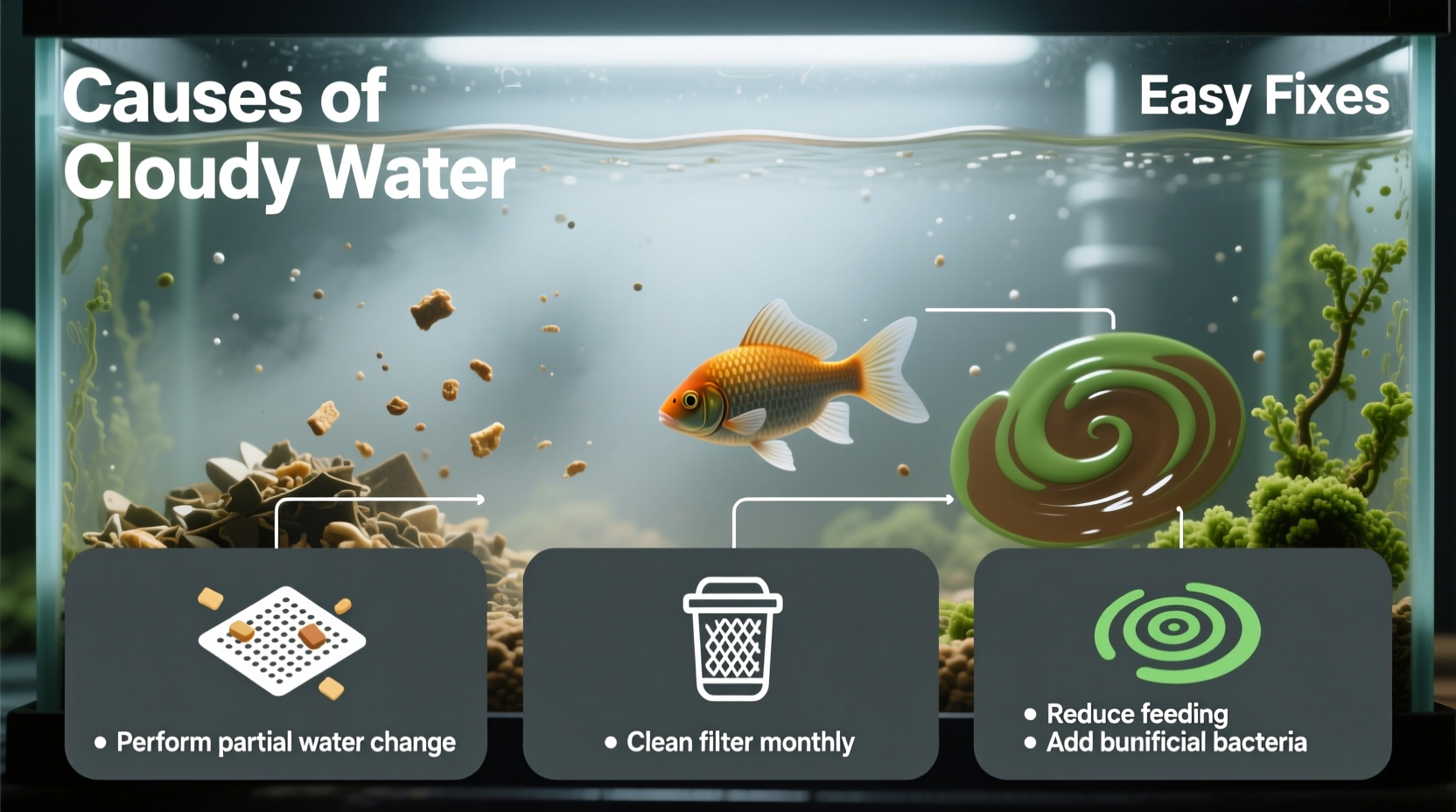
Cloudy water typically results from microscopic particles suspended in the water column. These can include bacteria, algae, organic debris, or mineral precipitates. The root cause determines the type of cloudiness—whether it's white, green, or gray—and dictates the best course of treatment.
The most common triggers fall into three categories: biological imbalances, mechanical contamination, and chemical instability. Each has distinct signs and timelines, so identifying which factor is at play is essential before applying any fix.
Biological Bloom: The New Tank Syndrome
In newly set-up tanks, a bacterial bloom often causes white or gray cloudiness within the first few days. This occurs because beneficial nitrifying bacteria haven't yet colonized the filter media. As fish waste and uneaten food break down, ammonia spikes feed free-floating bacteria that multiply rapidly, turning the water murky.
“New tank syndrome is one of the most common reasons for cloudy water—it’s natural, but requires patience and proper cycling.” — Dr. Alan Reed, Aquatic Biologist
This phase usually resolves on its own within 1–2 weeks as the nitrogen cycle establishes itself. However, overfeeding or adding too many fish at once can prolong or worsen the bloom.
Tip: Avoid changing water during a bacterial bloom unless ammonia or nitrite levels exceed safe thresholds—disturbing the tank can delay cycling.Algae Overgrowth: Green Cloudiness Explained
Green-tinted water indicates a phytoplankton bloom, commonly referred to as \"green water.\" Unlike bacterial blooms, this is caused by photosynthetic microalgae multiplying rapidly due to excess light and nutrients like nitrates and phosphates.
Common contributors include:
- Direct sunlight hitting the tank
- Extended lighting periods (more than 8–10 hours daily)
- Overstocking or overfeeding leading to high nutrient load
- Lack of live plants to compete for nutrients
While not immediately toxic, dense algal blooms reduce oxygen at night and stress fish by limiting visibility and disrupting normal behavior.
Common Causes of Cloudy Aquarium Water
| Cause | Water Appearance | Timeline After Setup | Solutions |
|---|---|---|---|
| New tank bacterial bloom | White/gray haze | Days 2–7 | Patience, avoid cleaning, test water |
| Algae bloom | Pea-soup green | Weeks 2–4 | Reduce light, add plants, UV sterilizer |
| Debris or substrate disturbance | Murky, sediment-filled | Immediately after maintenance | Let settle, use filter floss |
| Poor filtration or clogged media | Dull, slightly cloudy | Ongoing issue | Clean/replace media, upgrade filter |
| Mineral precipitation (hard water) | Chalky white residue | After water changes | Use RO water, adjust pH slowly |
Step-by-Step Guide to Clearing Cloudy Water
Follow this practical timeline to diagnose and resolve foggy water based on observed symptoms:
- Observe the color and onset: Is the water white, green, or gray? Did it appear suddenly or gradually?
- Test water parameters: Use a liquid test kit to check ammonia, nitrite, nitrate, pH, and phosphate levels.
- Assess recent activity: Have you cleaned the tank, added fish, changed substrate, or altered lighting?
- Inspect equipment: Ensure filter is running properly and intake isn’t blocked.
- Implement targeted solution based on diagnosis (see next section).
- Wait 24–48 hours before making additional changes to assess effectiveness.
Effective Fixes Based on Cause
For Bacterial Blooms
Allow the tank to cycle naturally. Do not perform large water changes unless ammonia exceeds 0.5 ppm or fish show distress. Consider adding a bacterial starter culture to accelerate colonization.
For Algae Blooms
- Limit lighting to 6–8 hours per day using a timer.
- Install a UV sterilizer—highly effective at killing free-floating algae spores.
- Add fast-growing live plants like hornwort or duckweed to absorb excess nutrients.
- Perform a 20–30% water change and vacuum the substrate to remove detritus.
For Mechanical Cloudiness
If cloudiness follows gravel washing or rearranging decor, let the tank sit undisturbed for 24 hours. Run a polishing pad or filter floss in your filter to trap fine particles. Avoid stirring the substrate again until water clears.
For Chemical Imbalances
In areas with hard tap water, calcium carbonate may precipitate after water changes, causing temporary cloudiness. Let it settle, then siphon off any residue. For long-term prevention, blend tap water with reverse osmosis (RO) water to reduce mineral content.
Mini Case Study: Sarah’s 20-Gallon Community Tank
Sarah set up a new freshwater tank with neon tetras and guppies. On day three, the water turned milky white. Worried, she did a full water change—only to see the cloudiness return two days later.
After consulting an aquarium forum, she learned she had interrupted the nitrogen cycle. She stopped changing water, began testing daily, and added a bottled bacteria supplement. By day ten, ammonia dropped to zero, nitrites peaked and fell, and the water cleared naturally. Her patience paid off: six weeks later, her tank was stable and thriving.
This case highlights a common mistake—reacting too quickly to cloudiness without understanding its biological role. Intervention isn’t always necessary, and sometimes the best fix is doing nothing at all.
Prevention Checklist: Keep Your Tank Crystal Clear
Use this checklist weekly to maintain optimal water quality:
- ✅ Test water parameters (ammonia, nitrite, nitrate, pH) every 7 days
- ✅ Clean mechanical filter media monthly (rinse in old tank water)
- ✅ Perform 15–20% water changes weekly
- ✅ Remove uneaten food within 2 hours of feeding
- ✅ Limit light exposure to 8 hours or less per day
- ✅ Avoid overcrowding—follow the “1 inch of fish per gallon” rule conservatively
- ✅ Introduce new fish gradually, waiting at least 2 weeks between additions
- ✅ Wipe algae from glass weekly with a magnetic cleaner
Frequently Asked Questions
How long does it take for a cloudy fish tank to clear?
Bacterial blooms typically resolve in 7–14 days if left undisturbed. Algae blooms may take 3–6 days with UV sterilization or several weeks with reduced lighting and manual removal. Mechanical cloudiness often clears within 24–48 hours.
Can I use water clarifiers safely?
Yes, flocculants and clarifiers bind tiny particles so filters can remove them. They’re safe for fish when used as directed but should only be used after identifying and addressing the root cause. Overuse can overload filters or mask ongoing problems.
Is cloudy water dangerous to fish?
Not directly, but it often signals poor water quality. High ammonia or low oxygen levels accompanying cloudiness can stress or kill fish. Always test water and observe fish behavior—if they gasp at the surface or dart erratically, act immediately.
Final Thoughts: Clarity Starts with Consistency
Clear aquarium water isn’t about perfection—it’s about balance. A foggy tank is rarely a crisis, but rather a message from your ecosystem asking for attention. Whether it’s adjusting your feeding habits, refining your maintenance routine, or simply allowing biology to run its course, the solution lies in consistent, informed care.
By understanding the science behind cloudy water and responding with precision instead of panic, you create a healthier, more resilient environment for your aquatic life. Start applying these insights today, and enjoy the beauty of a sparkling, thriving aquarium tomorrow.
💬 Have you fixed a stubborn cloudy tank? Share your experience below—your tip might help another aquarist find clarity!








