A flaky scalp is more than just an aesthetic concern—it can cause discomfort, itching, and even impact self-confidence. If you've noticed white specks on your shoulders or feel persistent dryness along your hairline, you're not alone. Millions experience flaky scalps due to a range of factors from environmental conditions to underlying skin disorders. Understanding the root causes is essential to choosing the right treatment and restoring scalp balance.
Understanding the Science Behind Scalp Flaking
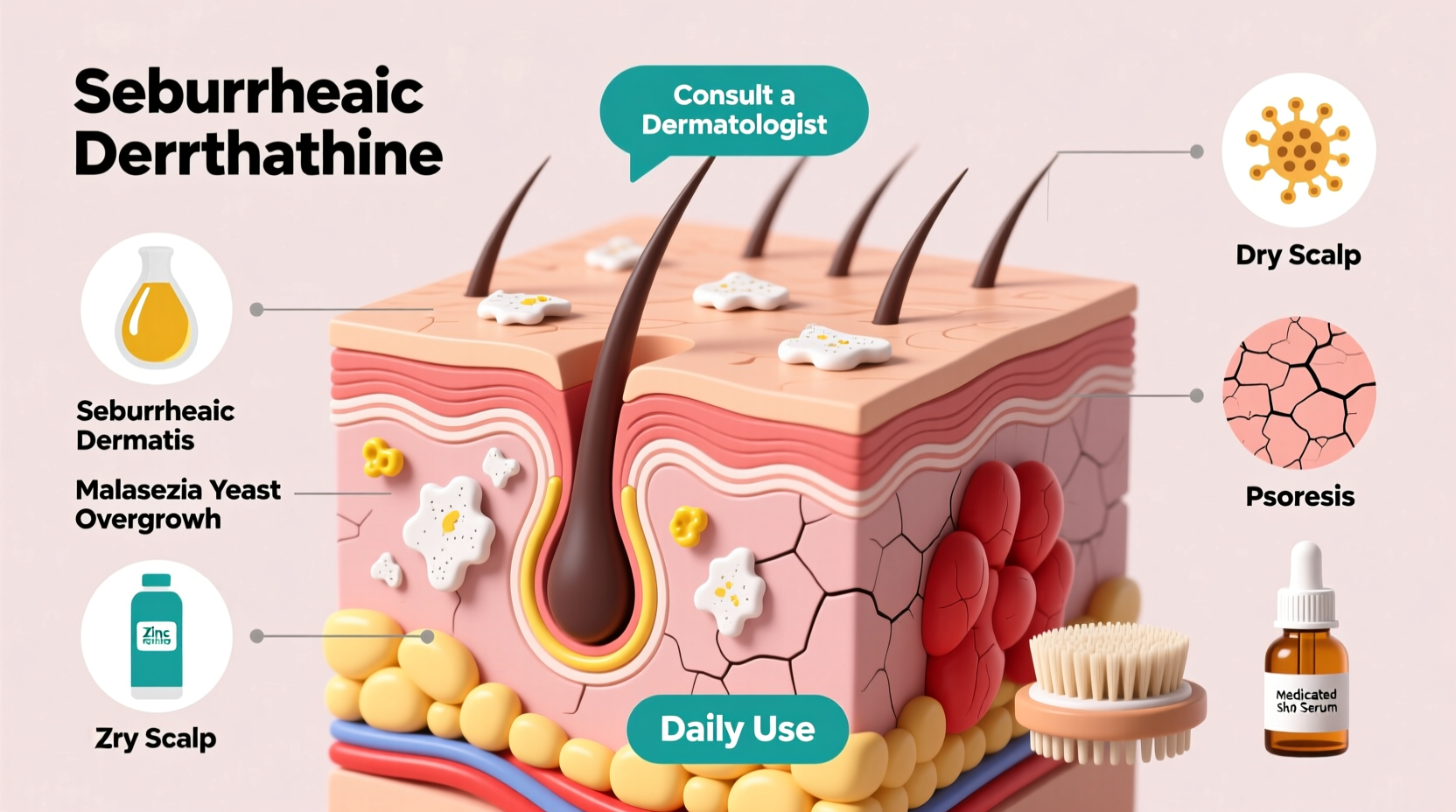
The scalp, like the rest of your skin, undergoes a natural cycle of cell regeneration. Old skin cells die and shed gradually, usually unnoticed. However, when this process accelerates—due to irritation, inflammation, or microbial overgrowth—the shedding becomes visible as flakes.
There are two primary types of scalp flaking: dry skin and dandruff. While they may look similar, their causes and treatments differ significantly.
- Dry skin: Caused by lack of moisture, often worsened by cold weather, indoor heating, or harsh shampoos. Flakes are typically small, white, and widespread.
- Dandruff: Often linked to an overgrowth of Malassezia, a yeast-like fungus that lives on everyone’s scalp. This condition produces larger, oily, yellow-tinged flakes accompanied by redness and itching.
Other conditions such as seborrheic dermatitis, psoriasis, and eczema can also manifest as scalp flaking, requiring medical diagnosis and targeted care.
Tip: Don’t confuse product buildup with flakes—residue from gels, sprays, or dry shampoo can mimic dandruff. Wash regularly with a clarifying shampoo to rule this out.Common Causes of a Flaky Scalp
Multiple internal and external factors contribute to scalp flakiness. Identifying which ones apply to you is key to effective treatment.
1. Seborrheic Dermatitis
This chronic inflammatory skin condition affects areas rich in oil glands, including the scalp. It’s associated with Malassezia overgrowth, leading to greasy, yellow scales and red, itchy patches. Stress, hormonal changes, and immune status can trigger flare-ups.
2. Infrequent or Excessive Hair Washing
Too little washing allows oil and dead skin to accumulate. Conversely, overwashing strips natural oils, disrupting the scalp’s moisture barrier and triggering dryness and flaking.
3. Harsh Hair Products
Sulfates, alcohol-based styling products, and synthetic fragrances can irritate sensitive scalps. Some ingredients disrupt pH balance, worsening flakiness over time.
4. Weather and Environmental Factors
Cold, dry air in winter reduces humidity, drying out the scalp. In summer, UV exposure and chlorine from pools can inflame the skin and accelerate cell turnover.
5. Diet and Nutritional Deficiencies
Poor nutrition—especially low intake of omega-3 fatty acids, zinc, B vitamins, and vitamin D—can impair skin health and increase susceptibility to flaking.
6. Stress and Hormonal Changes
Chronic stress increases cortisol levels, which can exacerbate inflammatory skin conditions. Hormonal shifts during puberty, pregnancy, or menopause may also trigger scalp issues.
“Scalp health is directly tied to overall wellness. Treating flakiness isn't just about topical solutions—it requires a holistic approach.” — Dr. Lena Torres, Board-Certified Dermatologist
Effective Treatments and Home Remedies
Successful treatment depends on accurate identification of the underlying cause. Below is a step-by-step guide to managing different types of flaky scalp.
Step-by-Step Guide to Treating a Flaky Scalp
- Diagnose the Type: Observe the size, color, and texture of flakes. Are they dry and powdery? Or oily and clumped? This helps distinguish dry skin from dandruff or seborrheic dermatitis.
- Switch to a Medicated Shampoo: Use shampoos containing active ingredients like:
- Pyrimidine (Zinc Pyrithione): Antibacterial and antifungal, effective against Malassezia.
- Ketoconazole: A potent antifungal used for moderate to severe dandruff.
- Selenium sulfide: Slows skin cell turnover and reduces fungal growth.
- Salicylic acid: Exfoliates dead skin cells, ideal for psoriasis-related scaling.
- Coal tar: Reduces inflammation and slows cell buildup; useful for psoriasis but may discolor light hair.
- Shampoo Correctly: Lather twice per wash. First lather removes oil and debris; second treats the scalp. Leave medicated shampoo on for 5 minutes before rinsing.
- Moisturize the Scalp: Apply lightweight, non-comedogenic oils like jojoba or squalane after washing. Avoid heavy coconut oil if prone to seborrhea.
- Limit Heat Styling: High heat dehydrates the scalp. Use tools on lower settings and apply thermal protectants.
- Stay Hydrated and Eat Well: Include fatty fish, nuts, leafy greens, and whole grains to support skin integrity.
Do’s and Don’ts: What to Avoid and Embrace
| Do’s | Don’ts |
|---|---|
| Wash hair 2–3 times weekly with a gentle or medicated shampoo | Scratch your scalp aggressively—it can cause micro-tears and worsen inflammation |
| Use lukewarm water to avoid stripping natural oils | Use hot water, which dries out the scalp |
| Incorporate scalp serums with niacinamide or hyaluronic acid | Apply heavy pomades or waxes directly on the scalp |
| Manage stress through sleep, meditation, or exercise | Ignore persistent redness, bleeding, or thick plaques—see a dermatologist |
| Protect hair in chlorinated or saltwater environments | Swim without rinsing hair before and after exposure |
Real-Life Example: Maria’s Journey to a Healthier Scalp
Maria, a 34-year-old teacher from Denver, struggled with intense flaking each winter. She assumed it was dry skin and increased her conditioner use, only to see worse greasy clumps and itching. After visiting a dermatologist, she was diagnosed with seborrheic dermatitis exacerbated by Colorado’s dry climate and frequent use of dry shampoo.
Her treatment plan included:
- Using a ketoconazole shampoo twice weekly
- Discontinuing silicone-heavy conditioners
- Applying a soothing scalp serum with panthenol daily
- Installing a bedroom humidifier
Frequently Asked Questions
Can dandruff cause hair loss?
Not directly. However, severe dandruff or seborrheic dermatitis can lead to inflammation that weakens hair follicles over time. Persistent scratching may also damage the scalp and contribute to temporary shedding. Treating the root cause typically prevents further issues.
Is it safe to use anti-dandruff shampoo every day?
Most medicated shampoos aren’t designed for daily use unless directed by a doctor. Overuse can lead to dryness or irritation. Start with 2–3 times per week, then reduce frequency as symptoms improve.
Can children get dandruff?
Yes. Cradle cap in infants is a form of seborrheic dermatitis. Older children can develop dandruff due to hormonal changes, stress, or poor hygiene. Use mild, pediatrician-approved formulations for young scalps.
Take Action for a Flake-Free Future
A flaky scalp doesn’t have to be a permanent struggle. Whether your issue stems from dryness, fungal activity, or a medical condition, effective solutions exist. The key lies in consistency, proper diagnosis, and treating your scalp with the same care you give your face. Begin by assessing your current routine, identifying potential triggers, and incorporating evidence-based treatments. Small changes—like switching shampoos, adjusting wash frequency, or improving hydration—can yield dramatic results.
💬 Have you found a solution that works for your flaky scalp? Share your experience in the comments to help others discover what works—and what doesn’t.








