Flaky eyebrows are more than just a cosmetic concern—they can signal underlying skin conditions or environmental stressors affecting facial health. The delicate skin around the brows is prone to dryness, inflammation, and buildup, often leading to visible flakes, itching, and discomfort. Understanding the root causes and recognizing early symptoms empowers individuals to take targeted action. With proper diagnosis and treatment, most cases of eyebrow flakiness resolve effectively and prevent recurrence.
Common Causes of Flaky Eyebrows
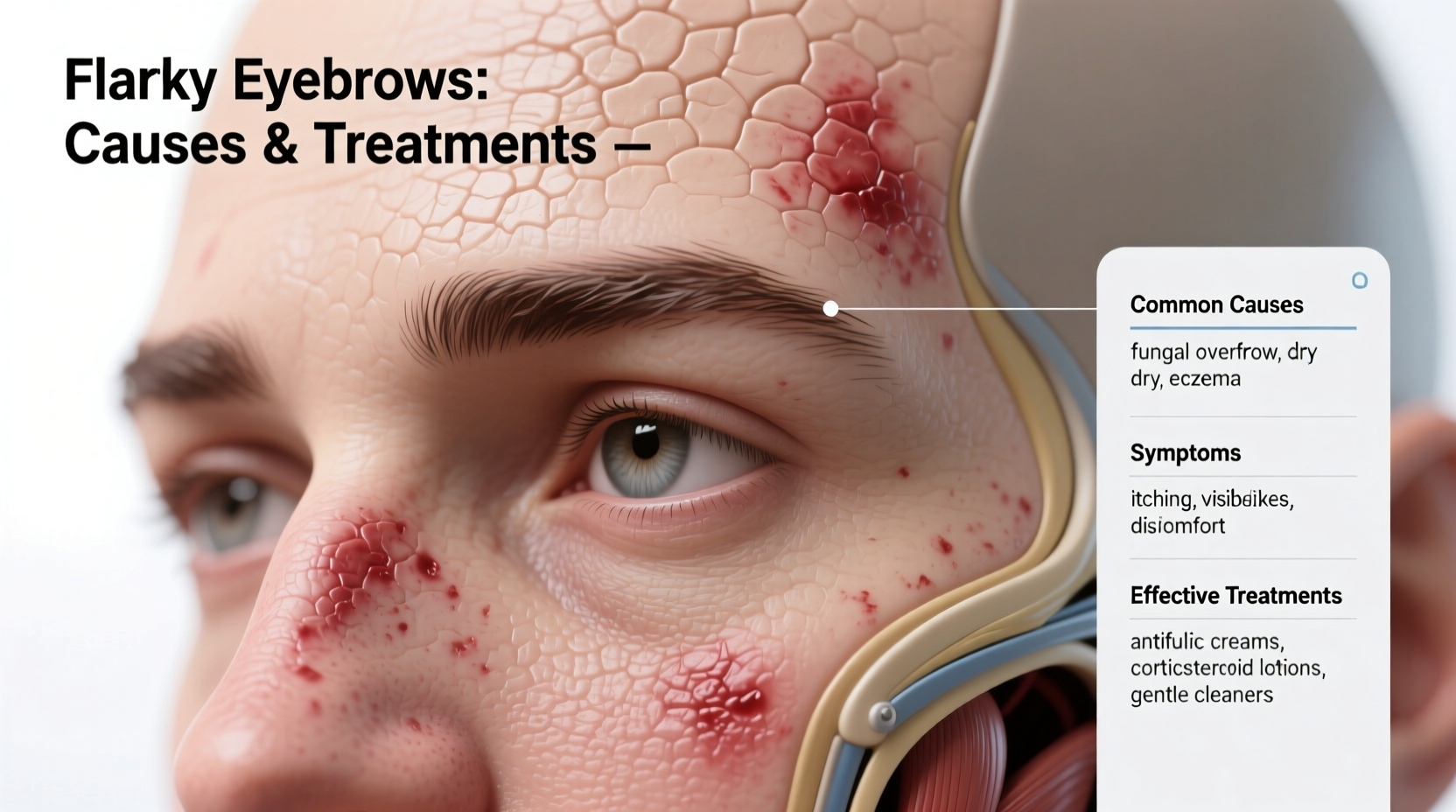
The skin beneath and surrounding the eyebrows is sensitive and exposed to various internal and external factors. Several conditions and habits contribute to flaking in this area:
- Seborrheic Dermatitis: A chronic inflammatory condition that affects oily areas of the skin, including the scalp, sides of the nose, and eyebrows. It presents as greasy, yellowish scales and redness.
- Dry Skin (Xerosis): Low humidity, excessive cleansing, or aging can strip natural oils from the skin, causing tightness and fine white flakes.
- Eczema (Atopic Dermatitis): Often associated with allergies or a family history of asthma, eczema leads to itchy, inflamed patches that may crack or peel.
- Psoriasis: An autoimmune disorder causing rapid skin cell turnover, resulting in thick, silvery-white scales on well-defined red plaques.
- Fungal Infections: Malassezia yeast, naturally present on skin, can overgrow and trigger dandruff-like scaling, especially in warm, humid climates.
- Irritating Skincare Products: Harsh cleansers, alcohol-based toners, or expired makeup can disrupt the skin barrier and induce irritation.
- Nutritional Deficiencies: Lack of essential fatty acids, zinc, or vitamin B can impair skin integrity and repair mechanisms.
Symptoms Associated with Flaky Eyebrows
While flaking is the most visible sign, other accompanying symptoms help identify the underlying cause:
- Itching or burning sensation around the brow line
- Redness or mild swelling of the skin
- Oily or waxy buildup along hair follicles
- Temporary hair thinning due to persistent scratching
- Crusting or oozing in severe cases (common in infected eczema)
- Scaling that extends to the scalp, eyelids, or nasal folds
Seborrheic dermatitis typically produces yellowish, greasy flakes, whereas dry skin results in smaller, powdery white flakes. Psoriasis lesions are usually thicker and have sharper borders. Accurate symptom tracking helps differentiate between conditions and guides treatment selection.
Effective Treatments and Management Strategies
Treatment depends on the diagnosed cause but generally involves a combination of topical therapies, lifestyle adjustments, and preventive care.
Step-by-Step Treatment Plan
- Cleanse Gently: Use a fragrance-free, non-comedogenic facial cleanser twice daily. Avoid hot water, which strips moisture.
- Apply Targeted Topical Agents:
- For seborrheic dermatitis: Over-the-counter antifungal creams (e.g., ketoconazole 2%) or medicated shampoos applied to the brows and rinsed off.
- For eczema: Mild corticosteroid creams (like hydrocortisone 1%) used sparingly for short durations under medical guidance.
- For psoriasis: Prescription calcineurin inhibitors (tacrolimus) or vitamin D analogs (calcipotriene).
- Moisturize Daily: Apply a lightweight, hypoallergenic moisturizer containing ceramides, hyaluronic acid, or squalane after cleansing.
- Exfoliate Carefully: Once weekly, use a soft washcloth or gentle chemical exfoliant (like lactic acid) to remove dead skin without abrasion.
- Review Skincare Routine: Eliminate products with alcohol, sulfates, or artificial fragrances that may be contributing to irritation.
“Persistent eyebrow flaking should not be ignored—it’s often an early sign of a broader dermatological issue like seborrhea or rosacea.” — Dr. Lena Patel, Board-Certified Dermatologist
Do’s and Don’ts: Quick Reference Table
| Do’s | Don’ts |
|---|---|
| Use lukewarm water when washing your face | Use hot water or harsh scrubs |
| Apply antifungal shampoo to brows if treating seborrhea | Leave medicated products on overnight without instructions |
| Keep hands away from irritated areas | Pick or peel flakes |
| Maintain hydration and balanced nutrition | Ignore worsening redness or pain |
| Replace old cosmetics every 3–6 months | Share makeup or applicators |
Mini Case Study: Resolving Chronic Flaking
Sarah, a 34-year-old office worker, noticed recurring flakiness along her left eyebrow for several months. She initially assumed it was dry skin and increased moisturizer use, but the condition worsened with itching and slight redness spreading toward her temple. After consulting a dermatologist, she was diagnosed with unilateral seborrheic dermatitis likely triggered by stress and infrequent makeup removal.
Her treatment plan included nightly application of ketoconazole cream for two weeks, switching to a sulfate-free facial cleanser, and using a dandruff shampoo on her eyebrows twice weekly. Within three weeks, flaking subsided and skin texture normalized. Sarah now maintains her results with monthly preventive cleansing and avoids heavy brow gels.
Prevention Checklist
Preventing recurrence requires consistent habits and awareness. Follow this checklist to maintain healthy eyebrow skin:
- ✅ Wash face gently every morning and night
- ✅ Remove all eye and brow makeup before sleeping
- ✅ Use non-comedogenic, fragrance-free skincare products
- ✅ Replace mascara and brow pencils every 3–4 months
- ✅ Stay hydrated and consume omega-3-rich foods (e.g., walnuts, salmon)
- ✅ Manage stress through mindfulness or exercise (stress exacerbates flare-ups)
- ✅ Protect skin from extreme weather with hats or scarves in winter
Frequently Asked Questions
Can dandruff shampoo help with flaky eyebrows?
Yes. Medicated shampoos containing ketoconazole, selenium sulfide, or pyrithione zinc can be carefully applied to the eyebrow area, left for 3–5 minutes, then rinsed thoroughly. These ingredients combat the Malassezia yeast linked to seborrheic dermatitis. Avoid contact with eyes.
Is it safe to use steroid creams on the eyebrows?
Low-potency steroid creams like hydrocortisone 1% can be used short-term (no more than 7–10 days) under medical supervision. Prolonged use near the eyes may lead to skin thinning or increased intraocular pressure. For long-term management, non-steroidal alternatives like pimecrolimus are preferred.
When should I see a doctor for flaky eyebrows?
Seek professional evaluation if flaking persists beyond two weeks despite home care, spreads to other areas, becomes painful, or is accompanied by hair loss or crusting. A dermatologist can perform a skin scraping or biopsy to rule out fungal infections or autoimmune conditions.
Conclusion: Take Action for Healthier Skin
Flaky eyebrows are treatable with the right approach. Identifying whether the cause is dryness, inflammation, or infection determines the best course of action. Gentle cleansing, targeted treatments, and mindful product choices make a significant difference. Most importantly, consistency and early intervention prevent minor irritation from becoming a chronic issue.
💬 Your skin tells a story—listen to it. Start today by reviewing your routine, eliminating irritants, and sharing your experience. Have you found a solution that works? Join the conversation and help others achieve clearer, healthier skin.








